As the interest in sustainable energy grows, many homeowners are curious about solar panels. They often ask, "What are the benefits of solar panels?" Experts like Dr. Emily Green, a solar energy researcher, note, "Solar panels can significantly reduce electricity costs while providing environmental benefits." This highlights the dual advantage they offer in personal finances and global sustainability.
Solar panels can enhance value for your home. They often lead to significant savings on utility bills. Moreover, with government incentives, the initial installation costs can be offset. However, these benefits depend on location and energy usage patterns. Not every home will achieve the same level of savings. It's crucial to assess your situation carefully.
When considering solar energy, reflect on long-term impacts. The transition requires careful planning and dedication. The financial benefits can be substantial, yet, they come with initial hurdles. Understanding "what are the benefits of solar panels" becomes essential for making informed decisions. Homeowners must weigh these factors before moving forward.
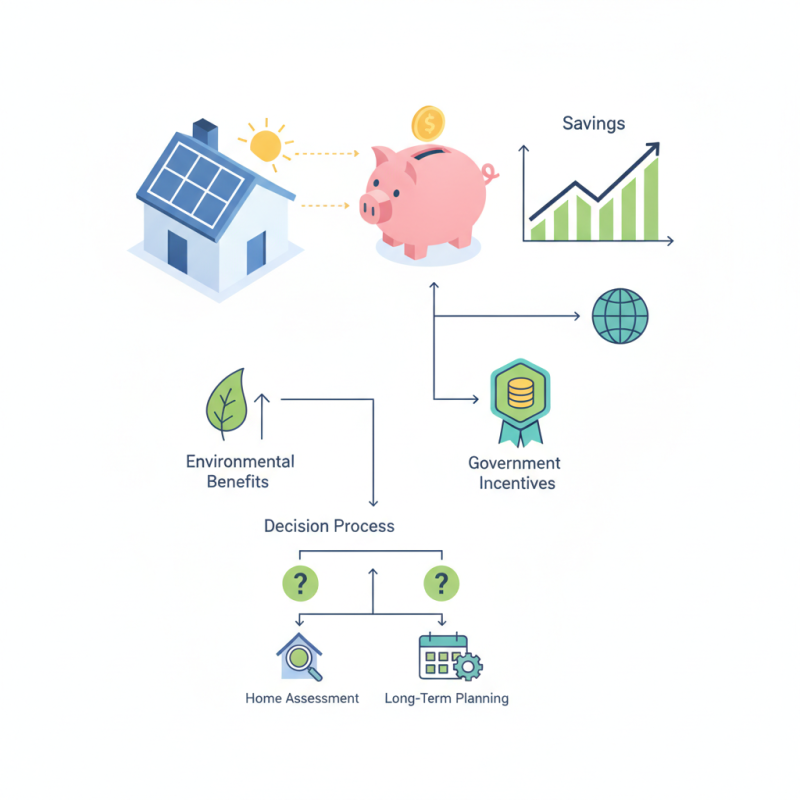
Understanding Solar Panel Savings: Key Statistics and Trends
The adoption of solar panels continues to rise, driven by the promise of savings. By harnessing the sun's energy, homeowners can significantly reduce their monthly electricity bills. Recent data indicates that households can save up to 50% on energy costs after installing solar systems. This statistic is compelling, yet many do not consider the initial investment required. Understanding the long-term benefits is crucial for anyone contemplating solar energy.
In addition to cost savings, solar panels can increase property value. Homes equipped with solar energy systems are often seen as more attractive to buyers. Additionally, the market for solar installations has grown, creating job opportunities as the industry expands. While technology advances are impressive, challenges remain. Weather conditions and energy storage solutions still require consideration.
Take time to research and reflect on your energy needs. Compare different solar options to find what works best for you. It's important to gather multiple quotes and consider local incentives. This approach can uncover hidden benefits and enhance your savings journey.
Evaluating Initial Costs vs. Long-Term Savings of Solar Energy
Evaluating the initial costs of solar panels can be daunting. Homeowners often hesitate due to the upfront investment. However, understanding long-term savings can shift this perspective. Initial expenses can range widely based on installation choices and home specifications. It's essential to assess your budget against potential savings over time.
Monthly utility bills play a significant role in this decision. Installing solar panels can cut energy costs dramatically. Depending on your location and energy usage, you might save hundreds annually. While the payoff period might seem long, many homeowners experience significant returns in ten years or less. Additionally, substantial tax incentives and rebates can ease the initial financial burden.
Reflecting on the decision, consider energy independence. The solar panels might not offer the immediate gratification of traditional investments. Yet, they promise a sustainable future. The environmental benefits also add value. Solar energy reduces carbon footprints and promotes cleaner air. Balancing initial costs with future gains isn't just financial; it's a long-term commitment to a healthier planet.
Federal and State Incentives: Maximizing Financial Benefits of Solar Panels
When considering solar panels, federal and state incentives can significantly enhance financial returns. Tax credits, for example, can cover a substantial portion of upfront costs. The federal solar investment tax credit allows homeowners to deduct a percentage of the installation costs from their federal taxes. This can save thousands of dollars. State incentives vary but often include rebates and performance-based incentives.
Additionally, local programs may offer grants or interest-free loans to make solar installations more feasible. These incentives can speed up the payback period of solar investments. However, navigating incentives can be complicated. Each state has different rules, and some incentives may expire. It's essential to research thoroughly.
Some may find that the initial research is overwhelming. Others might feel unsure about which incentives apply to their situation. Consulting with local energy programs or experts can provide clarity. Homeowners should also consider their energy needs. This helps in determining the best solar solution for long-term savings.
Maximizing Financial Benefits of Solar Panels
Analyzing Energy Consumption: Tailoring Solar Solutions for Optimal Savings
To maximize savings with solar panels, analyzing your energy consumption is crucial. Begin by evaluating monthly electricity usage. Understand peak usage times and energy-intensive devices. This clarity helps tailor solar solutions effectively.
For example, if air conditioning draws significant power during summer, sizing your solar system accordingly can offset those costs.
The installation of solar panels should match your consumption profile. A smaller system might be sufficient for minimal usage, while larger households or businesses require more extensive setups. Consider involving a professional to analyze your energy needs. They can identify areas for energy conservation, ultimately increasing your savings potential.
Sometimes, it’s easy to overlook hidden energy costs. Reviews show that many households underestimate their consumption patterns. This gap can lead to overestimating or underestimating the solar system size needed. Reflecting on energy habits can reveal opportunities for better savings before investing. Each adjustment, no matter how small, contributes to a more efficient system.
Maintenance and Efficiency: Ensuring Maximum Return on Solar Investment
When investing in solar panels, maintenance and efficiency are key to maximizing returns. Regular upkeep ensures that panels operate at peak performance. Neglecting this can lead to decreased energy production. A simple cleaning can remove dirt and debris, improving efficiency significantly. Also, check for any obstructions like tree branches that may cast shadows on the panels.
Efficiency can be impacted by various factors. For instance, the angle and orientation of your panels play a critical role. Installing them with the correct tilt can help capture more sunlight. If you notice a drop in energy production, it may be time for a professional inspection. Sometimes, minor repairs can lead to considerable gains.
Adopting smart monitoring systems can also enhance efficiency. These systems help track energy output and identify issues early on. While some homeowners overlook this step, it’s essential for long-term savings. Everyone wants maximum returns, yet small mistakes in maintenance can cost you. So, don’t take shortcuts; invest time in caring for your solar panels.
How to Maximize Your Savings with Solar Panels Benefits? - Maintenance and Efficiency: Ensuring Maximum Return on Solar Investment
| Aspect |
Details |
Estimated Savings ($) |
Maintenance Tips |
| Energy Production |
Solar panels convert sunlight into electricity, providing renewable energy. |
$1000/year |
Regular cleaning and inspection. |
| System Performance |
Efficiency rating of solar panels and inverter's performance. |
$500/year |
Check inverter efficiency annually. |
| Inverter Lifespan |
Typical lifespan of a solar inverter is 5-10 years. |
$3000 replacement cost. |
Monitor for any error messages or unusual sounds. |
| Warranty Consideration |
Warranty covers defects, performance guarantees, and degradation rates. |
Potential savings of $5000 in repair costs. |
Keep all warranty documents safe. |
| Tax Incentives |
Federal tax credits on solar investments. |
Up to $7500 in tax credits. |
Consult a tax professional for details. |
Conclusion
In the pursuit of energy efficiency and cost savings, many homeowners are exploring what are the benefits of solar panels. Understanding the financial landscape is crucial; key statistics show that the initial investment in solar panels can lead to significant long-term savings on energy bills. By evaluating the initial costs against these savings, individuals can make informed decisions about their energy choices.
Additionally, federal and state incentives play a vital role in maximizing the financial advantages of solar energy, further enhancing the return on investment. Tailoring solar solutions to specific energy consumption patterns can also optimize savings. Maintenance and efficiency are paramount to ensure that the solar system remains effective over time, which solidifies the overall benefits of this renewable energy source. Ultimately, leveraging these strategies allows homeowners to maximize their savings while contributing to sustainable energy practices.

 GAF Solar