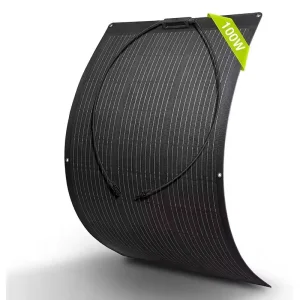
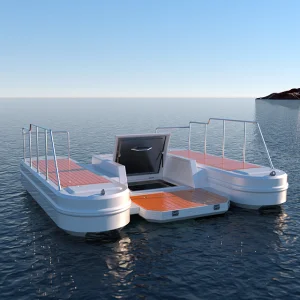
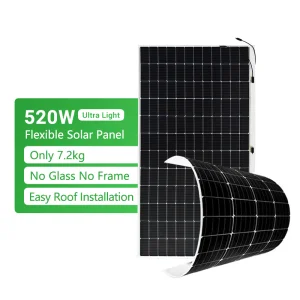
Engineered for high mechanical loads, extreme waterproofing, and long-term durability in maritime and offshore applications.
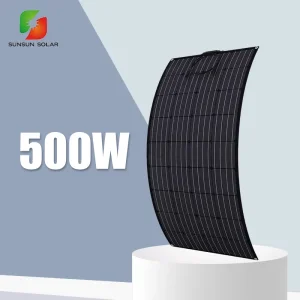
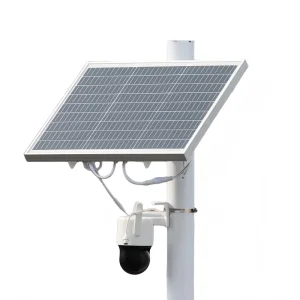
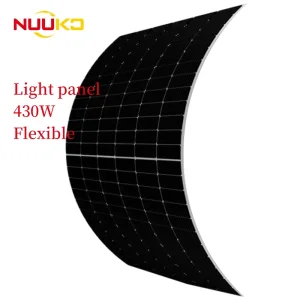
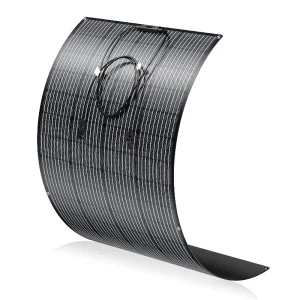
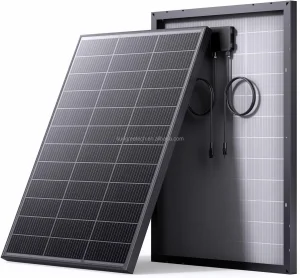
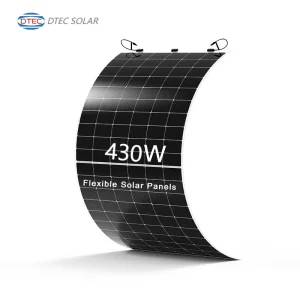
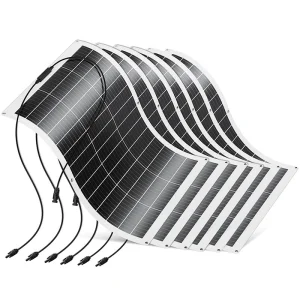
As global industries align with carbon neutrality targets, the marine sector faces a massive transformation. Harnessing solar energy in offshore environments demands a shift from standard terrestrial PV design to highly specialized marine solar panels. Standard modules fail rapidly under ocean conditions due to mechanical vibration, salt-water corrosion, high humidity, and complex wind-uplift patterns.
At Ningbo GAF Solar Co., Ltd., we serve as a leading global Marine Solar Panels Manufacturer & Exporter, pioneering resilient, high-efficiency monocrystalline and flexible PV modules. Our research and development focus on overcoming the extreme challenges of the ocean. By employing premium ETFE encapsulation, high-purity monocrystalline cells, and robust structural configurations, GAF Solar modules deliver long-term reliability and high-efficiency output for yachting, shipping, offshore aquaculture, and remote coastal infrastructure.
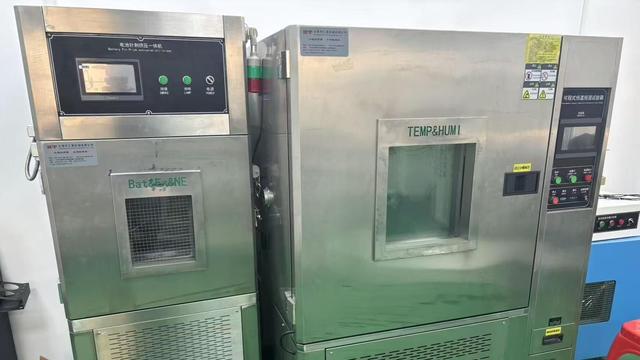
Our marine PV systems undergo rigorous environmental stress testing to ensure certification and operational lifetime compliance:
The growth of maritime solar is driven by commercial decarbonization, regulatory compliance, and off-grid electrification.
Strict International Maritime Organization (IMO) regulations target net-zero emissions. Incorporating large-scale solar arrays on cargo ships, bulk carriers, and ferries offsets auxiliary generator loads, reducing fuel consumption and docking emissions.
Modern deep-sea fish farms and monitoring platforms operate far from power grids. Marine-grade solar setups power automated feeding systems, sensors, aeration units, and telemetry equipment, providing reliable remote power.
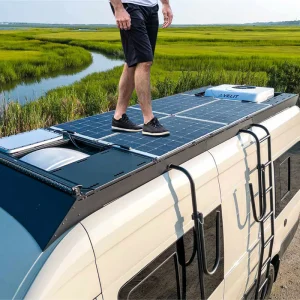
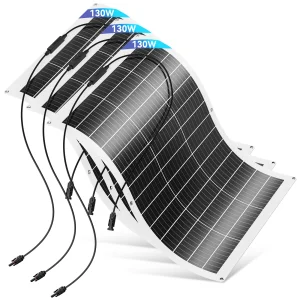
High-end consumer yachting and recreational vehicle fleets demand silent, clean power. Semi-flexible and walkable solar modules conform to curved decks and roofs, delivering power without disrupting vehicle aerodynamics or design.
Understanding the degradation mechanisms of standard solar panels helps us design better marine-grade products. Standard glass-and-aluminum modules suffer from galvanic corrosion when exposed to saltwater, causing rapid grounding faults and power loss.
To solve this, Ningbo GAF Solar uses advanced material engineering. Our flexible and walkable marine panels feature ETFE (Ethylene Tetrafluoroethylene) top layers. ETFE offers high light transmittance, chemical resistance, and self-cleaning capabilities. It is highly resistant to saltwater, UV degradation, and temperature swings.
Underneath the ETFE layer, we use high-strength fiberglass backing plates and specialized POE (Polyolefin Elastomer) encapsulation. POE has water vapor transmission rates (WVTR) up to 20 times lower than traditional EVA, preventing moisture ingress and protecting the solar cells from corrosion.
Our marine solar modules are engineered for durability, flexibility, and performance:
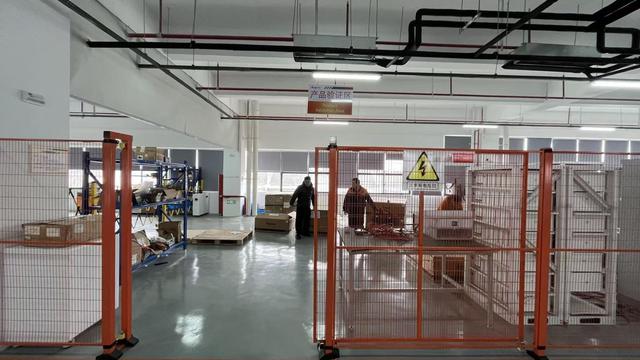
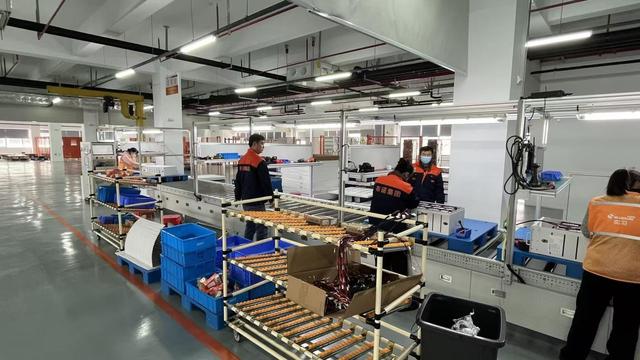
Ningbo GAF Solar Co., Ltd. operates advanced manufacturing facilities in Ningbo, China. This location connects us directly to the world's most integrated solar supply chain. By sourcing raw silicon, advanced encapsulants, and structural components locally, we optimize production costs while maintaining high quality standards.
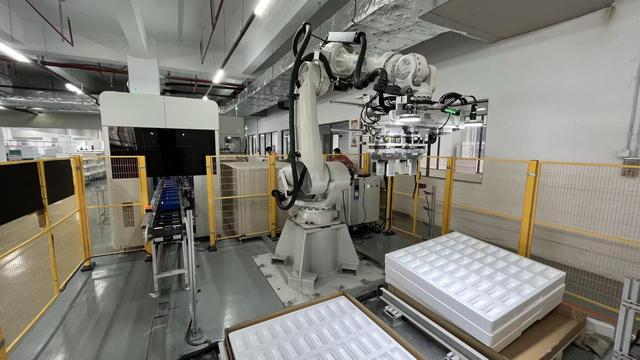
Our automated production lines reduce human error, ensuring consistent cell alignment, precise lamination, and reliable electrical connections. Every module undergoes electroluminescence (EL) testing before and after lamination to detect microcracks, ensuring only defect-free panels are packaged for delivery.
Our proximity to the Port of Ningbo-Zhoushan, one of the world's busiest deep-water ports, enables fast and cost-effective global shipping. Whether you need standard shipping containers or custom LCL shipments, our logistics team ensures secure delivery to Europe, North America, Southeast Asia, and beyond.
We provide tailored solutions for distributors, system integrators, and brands worldwide:
A tour of GAF Solar's modern production processes, testing labs, and state-of-the-art lamination machinery.
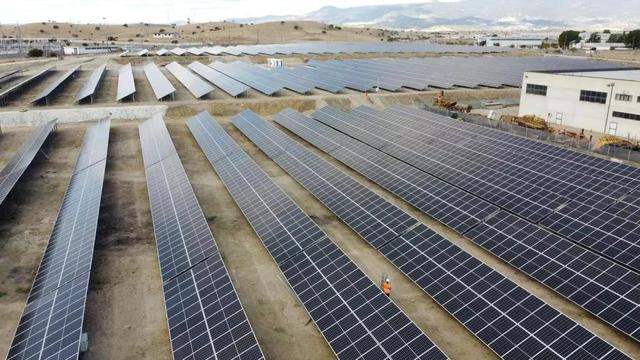
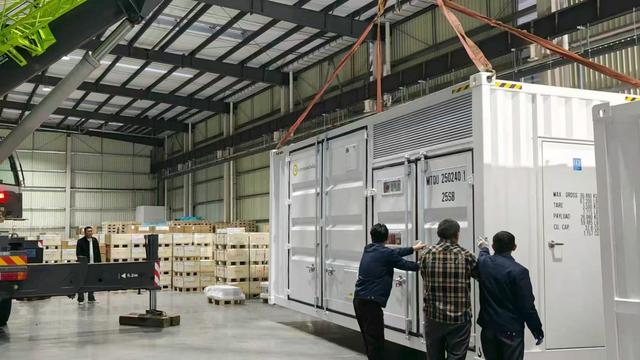
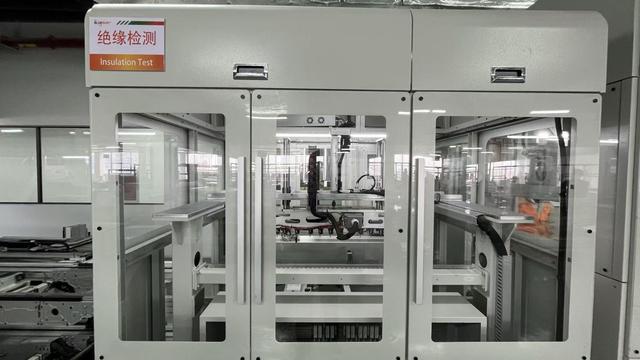
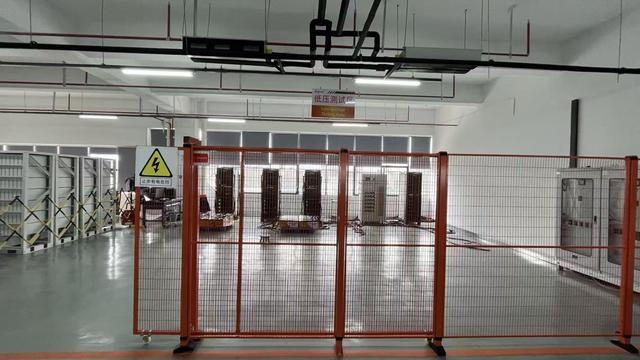
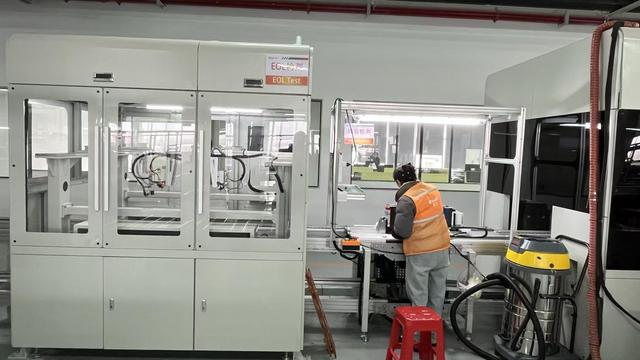
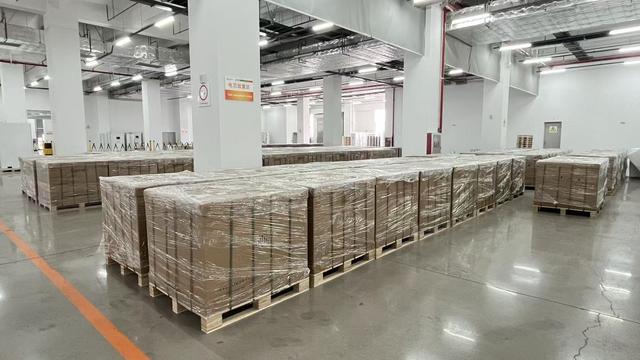
A comprehensive checklist for engineering procurement managers, distributors, and EPC contractors.
Verify parameters like open-circuit voltage (Voc), short-circuit current (Isc), and temperature coefficients. In warm marine regions, select modules with low temperature coefficients to maintain energy production during high heat.
Ensure ETFE layers are specified instead of cheaper PET alternatives. PET degrades within 2 to 3 years under intense UV and marine exposure, leading to delamination and reduced panel efficiency.
Confirm the manufacturer offers written product warranties and linear performance guarantees. Request official third-party lab test reports, including EL test images, to ensure cell quality.
Technical answers to common questions about marine solar installations, materials, and maintenance.
From walkable ETFE designs to large-scale industrial arrays, find the right solution for your marine energy requirements.
 GAF Solar