Engineered to maximize energy yields and system durability for commercial, utility, and residential grid integrations.
A comprehensive engineering and procurement analysis by Ningbo GAF Solar Co., Ltd. for project developers, EPC contractors, and global power system engineers.
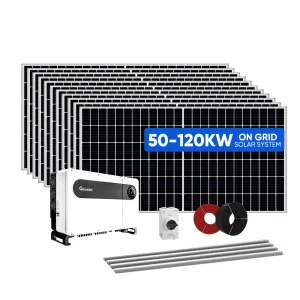
On-grid (grid-tied) photovoltaic systems represent the cornerstone of global utility and industrial decarbonization. By operating synchronously with the local utility network, these systems eliminate the immediate necessity of large-scale chemical battery banks, optimizing the Levelized Cost of Energy (LCOE) and delivering rapid ROI. The integration of high-performance modules, such as N-Type TOPCon and Bifacial Monocrystalline silicon cells, has accelerated grid-tied efficiency boundaries, raising system performance factors while minimizing balance-of-system (BOS) capital costs.
Ningbo GAF Solar Co., Ltd. is positioned at the technological epicenter of this shift. As a dedicated manufacturer and global exporter, our engineering practices center on maximizing operational longevity, maximizing thermal efficiency coefficients, and streamlining connection protocols for complex commercial installations.
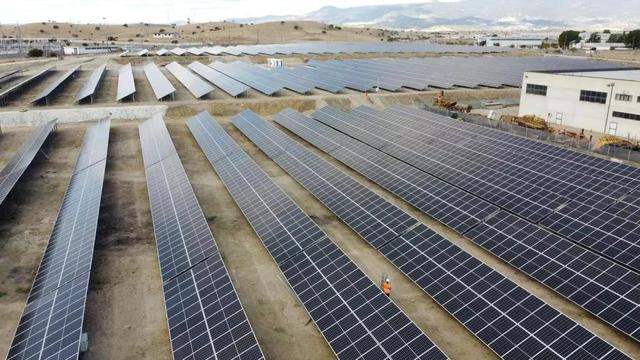
The global energy sector relies heavily on the structural and cost efficiencies generated within Chinese manufacturing hubs. Located in the industrial port metropolis of Ningbo, China, Ningbo GAF Solar Co., Ltd. leverages a highly optimized supply chain network. The geographical clustering of silicon ingot refineries, glass treatment facilities, wafer-cutting fabs, and logistics ports (such as the deepwater Port of Ningbo-Zhoushan) enables us to mitigate global supply volatility, reduce transport lead times, and maintain highly competitive cost structures.
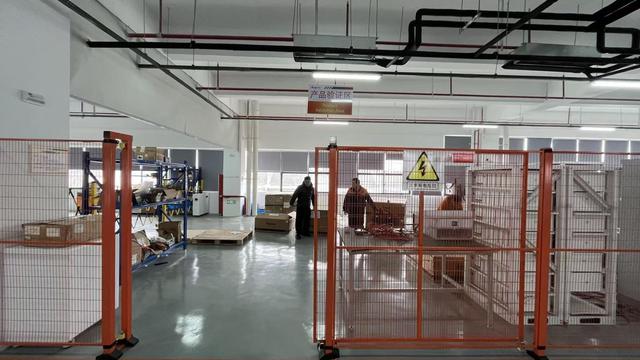
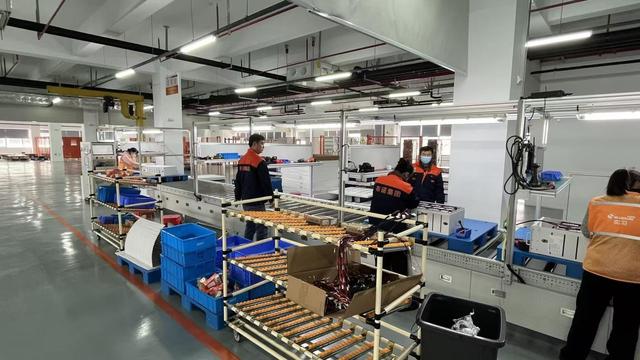
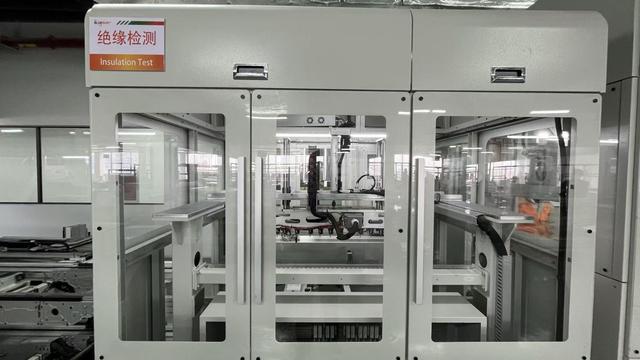
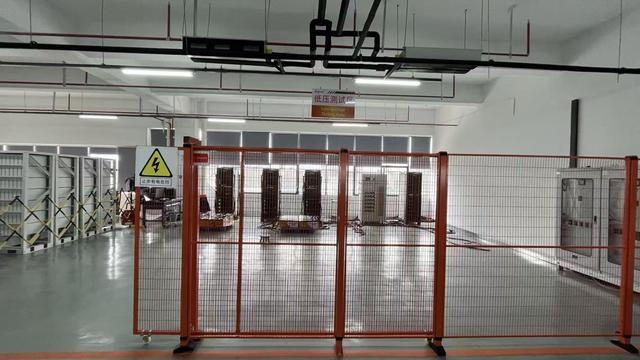
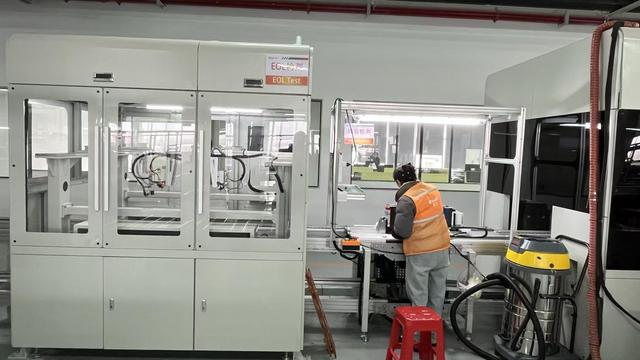
Our modern manufacturing facility utilizes fully automated assembly processes equipped with high-resolution EL (Electroluminescence) testing systems, precision laser welding, and automated laminators. This automation eliminates human structural errors, ensuring that every solar module delivered—from residential 300W rigid modules to utility-scale 700W N-type double-glass bifacial panels—exhibits absolute structural uniformity. Through a combination of scale and automation, GAF Solar translates supply chain dominance into long-term financial security for global engineering firms and private-label distributors.
Every photovoltaic module produced by Ningbo GAF Solar Co., Ltd. undergoes a sequence of mechanical load, thermal cycling, damp-heat, and dual-stage EL imaging checks to ensure structural resistance against micro-cracking and PID (Potential Induced Degradation).
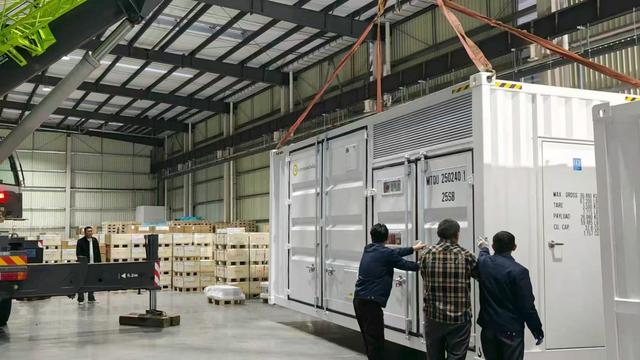
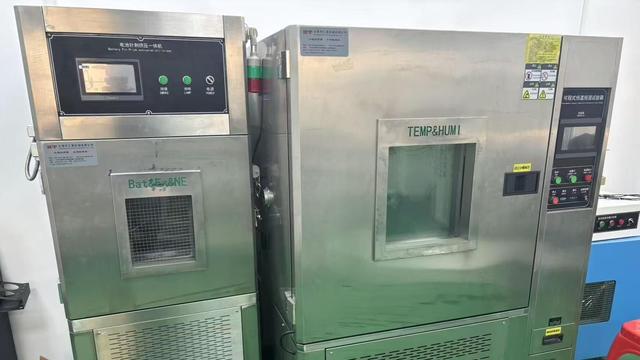
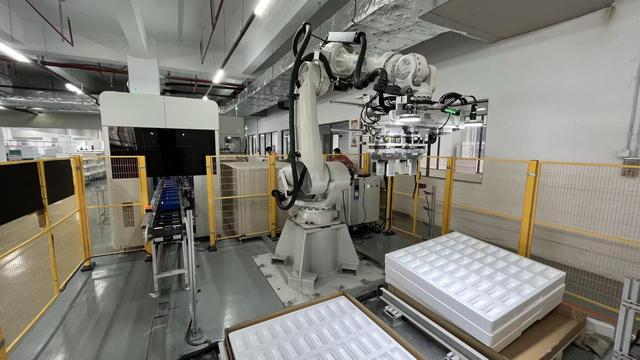
Addressing the critical engineering constraints of international buyers: from grid code compliance to site-specific application scenarios.
Navigating different national grid networks requires deep technical compliance. Our products conform to EN 50549, IEEE 1547, and VDE-AR-N 4105. We ensure that our systems integrate with smart micro-inverters and dual-stage MPPT controllers, allowing safe anti-islanding protection and dynamic voltage management.
Global developers demand custom parameters. Whether it is anodized black aluminum frames, custom cable lengths (MC4 connectors), high-snow-load backsheets, or private labeling for brand networks, GAF Solar provides comprehensive engineering support from design files to physical certification.
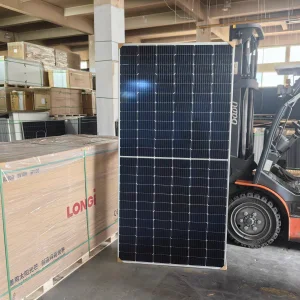
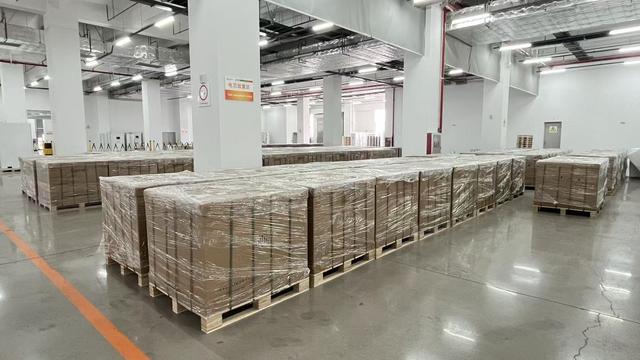
Photovoltaic panels are vulnerable to mechanical shock during maritime shipping. GAF Solar packages all systems with heavy-duty corner protectors, anti-vibration separators, and vertical structural reinforcement inside containers, ensuring panels arrive completely micro-crack-free.
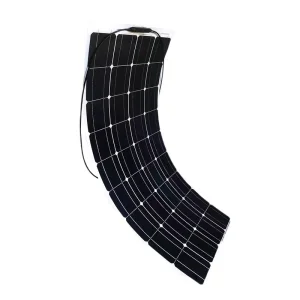
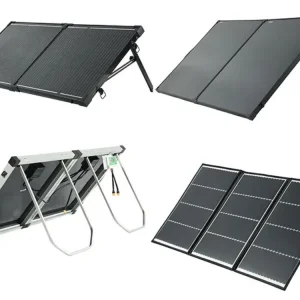
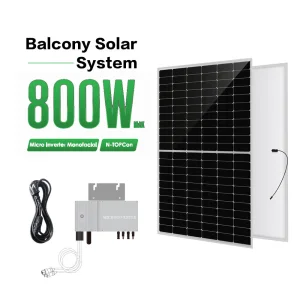
Depending on the deployment site, environmental conditions significantly alter the performance profile of grid-tied arrays. For commercial and industrial (C&I) factories, high roof-space optimization requires panels with higher cell density and superior temperature coefficients to offset high rooftop surface temperatures. In utility-scale projects, bifacial double-glass modules mounted on trackers leverage ground-level albedo (reflective indices of concrete, sand, or snow) to produce up to a 30% yield increase from the rear side. For space-restricted balconies or complex architectures, plug-and-play flexible panels utilizing integrated micro-inverters offer a lightweight solution that bypasses heavy mounting rails.
The photovoltaic industry is rapidly transitioning from P-type PERC structures toward N-type TOPCon (Tunnel Oxide Passivated Contact) and HJT (Heterojunction) architectures. The reason for this transition lies in cell physics: N-type cells display almost zero Light-Induced Degradation (LID) and exhibit a lower temperature coefficient (-0.30%/°C compared to P-type’s -0.35%/°C). In hot climates, this slight thermal deviation increases annual generation by up to 3-5%.
Furthermore, grid saturation in developed energy markets has shifted the focus toward smart grid-tied setups. Modern on-grid structures are increasingly designed "storage-ready," allowing simple connection with commercial battery energy storage systems (BESS). These hybrid systems can shift their export profile to avoid feed-in tariff penalties, utilizing AI-driven peak-shaving protocols to sell electricity during peak demand windows while maintaining grid stability.
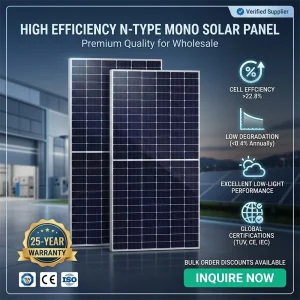
For financial stakeholders, the success of a solar project is measured by its LCOE. Factors influencing this metric include initial CAPEX, annual operational costs (OPEX), degradation curves, and system efficiency. By utilizing high-density monocrystalline arrays (such as the 620W and 700W modules offered by GAF Solar), developers can decrease the absolute number of piles, brackets, and string cables required. This reduction in Balance of System (BOS) costs directly translates to a lower cost per watt installed. Combined with a 30-year performance warranty and an annual degradation rate of less than 0.4%, our panels ensure stable long-term energy yields.
Critical technical, financial, and logistical questions answered by GAF Solar’s core engineering and compliance team.
Explore our complete range of high-efficiency monocrystalline panels, flexible balcony setups, and complete utility systems.
 GAF Solar