Explore our industrial and residential high-output power generation solutions engineered for peak yield and long-term durability.
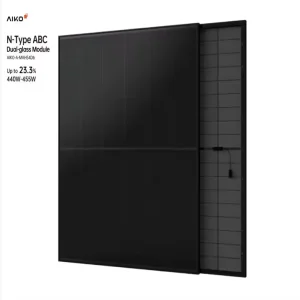
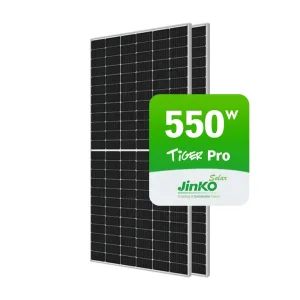
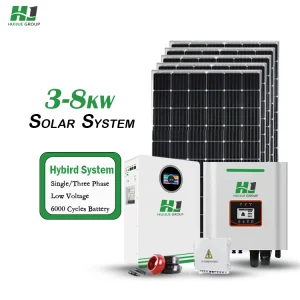
A Global Standard in Photovoltaic Innovation and Advanced Panel Manufacturing
Ningbo GAF Solar Co., Ltd. is a professional Solar Panel Manufacturer | Monocrystalline, Bifacial & High Efficiency PV Modules dedicated to providing reliable solar energy solutions for residential, commercial, industrial, and utility-scale applications worldwide. With a strong commitment to renewable energy innovation, the company delivers advanced photovoltaic products designed to maximize energy generation, efficiency, and long-term performance.
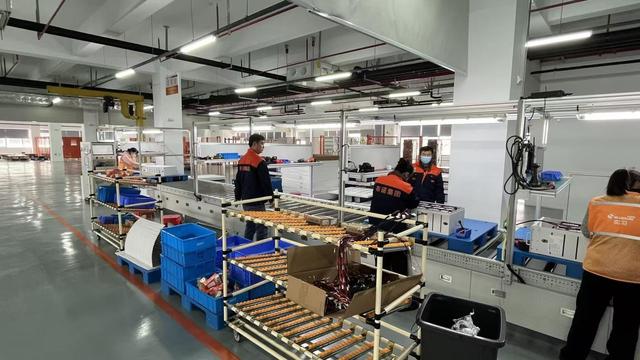
Based in Ningbo, China, GAF Solar operates modern manufacturing facilities equipped with advanced production technologies, automated assembly lines, and comprehensive quality control systems. The company specializes in the development and production of monocrystalline solar panels, bifacial solar modules, high-efficiency photovoltaic panels, rooftop solar solutions, commercial solar systems, industrial solar installations, and customized PV energy projects.
Global Quality Compliance: GAF Solar focuses on technological innovation and product reliability. By utilizing premium-grade solar cells, durable materials, and precision manufacturing processes, the company produces solar modules capable of delivering excellent power output, superior weather resistance, and long operational lifespans. Every product undergoes rigorous testing and quality inspections to ensure compliance with international standards and the demanding requirements of global energy markets.
In addition to manufacturing high-performance solar panels, GAF Solar offers comprehensive OEM and ODM services, supporting distributors, EPC contractors, solar developers, energy solution providers, and private-label brands. The company provides flexible customization options, professional technical support, and efficient project coordination from design and production to shipment and after-sales service.
Serving customers across North America, Europe, Southeast Asia, the Middle East, Africa, and Latin America, Ningbo GAF Solar Co., Ltd. has established a reputation for quality, reliability, and customer-focused service. Through continuous innovation and sustainable manufacturing practices, the company remains committed to accelerating the global transition toward clean, renewable energy and creating long-term value for partners around the world.
How the evolution of high-efficiency solar modules is redefining corporate energy procurement and utility-scale projects.
In the modern commercial landscape, the choice of PV modules goes beyond initial procurement cost. The global industry is focusing on minimizing the Levelized Cost of Energy (LCOE). High-efficiency modules, particularly those exceeding 21.5% efficiency, reduce the Balance of System (BOS) costs, including structural mounting, cabling, land preparation, and installation labor. By maximizing power density per square meter, industrial facilities can leverage limited rooftop spaces to generate up to 25% more energy compared to legacy PERC panels.
From the European Union's Net Zero Industry Act to the United States' Inflation Reduction Act (IRA), macro-economic incentives are driving solar technology adoption. Utility-scale developers are prioritizing high-power N-type modules (such as 700W+ panels) to qualify for grid connectivity requirements and offset carbon pricing mechanisms. For international manufacturing hubs in Southeast Asia and South America, high-efficiency solar installations guarantee uninterrupted production capabilities and protection against volatile local grid pricing.
An in-depth look at cell architectures, degradation metrics, and the shift from P-Type PERC to N-Type TOPCon and Perovskite.
The solar photovoltaic industry is undergoing its most significant technological transition in a generation. For over a decade, P-type Passivated Emitter and Rear Cell (PERC) technology was the industrial workhorse. Today, the thermodynamic limits of silicon cells are being unlocked by new N-type doping methods, creating massive steps forward in cell efficiency, reliability, and thermal coefficients.
Tunnel Oxide Passivated Contact (TOPCon) technology represents the vanguard of current solar manufacturing. By utilizing an ultra-thin silicon oxide tunnel layer paired with highly doped polycrystalline silicon, TOPCon cells reduce carrier recombination losses at the contact points. This enables real-world module efficiencies to exceed 22.5%, with a significantly improved temperature coefficient of -0.30%/°C, compared to -0.35%/°C for standard P-type PERC.
Heterojunction technology combines thin-film amorphous silicon layers with high-grade crystalline silicon wafers. This structure yields excellent passivating properties and provides the highest open-circuit voltage (Voc) values in commercial production. HJT panels exhibit a superior temperature coefficient of -0.26%/°C, ensuring high performance in hot desert climates where standard PV modules suffer power output drops.
Interdigitated Back Contact (IBC) moves all electrical contacts to the rear of the cell, eliminating front grid-line shading and maximizing light-absorption area. Looking forward, the combining of silicon cells with Perovskite thin films in a tandem structure represents the next step in efficiency. By stacking materials that absorb different wavelengths of the solar spectrum, tandem cells can break the 30% efficiency threshold in commercial setups.
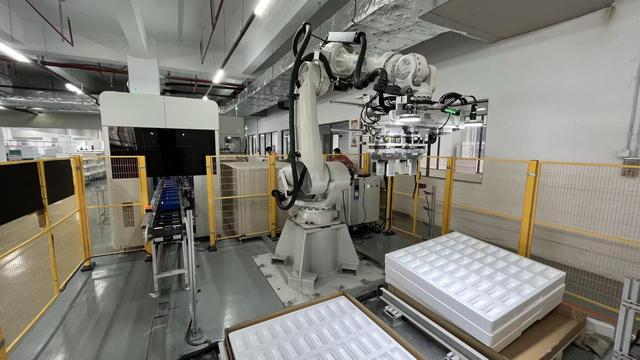
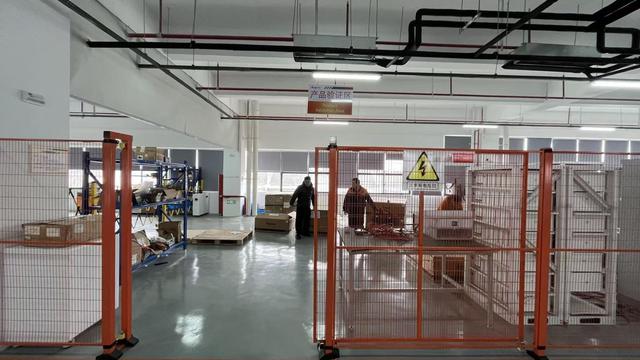
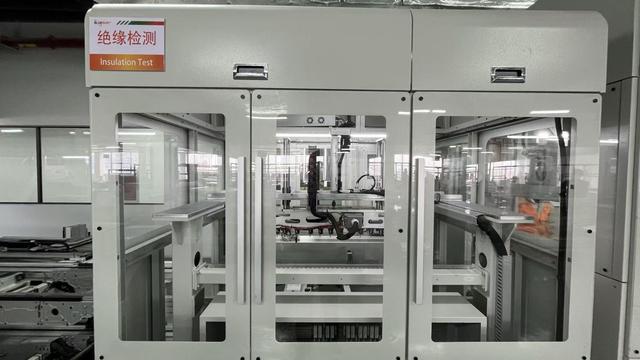
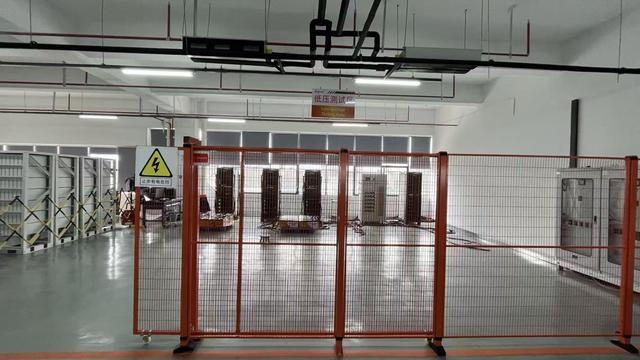
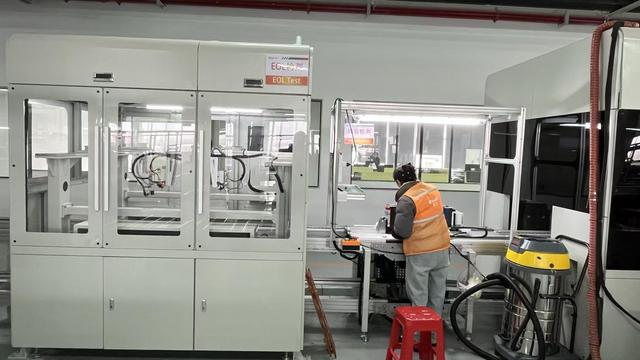
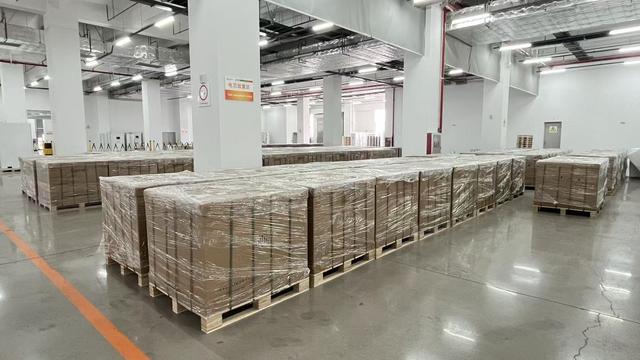
Take a virtual tour of our state-of-the-art manufacturing floor, automated lines, and precision quality validation equipment.
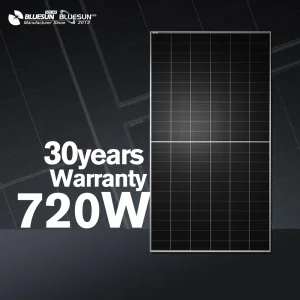
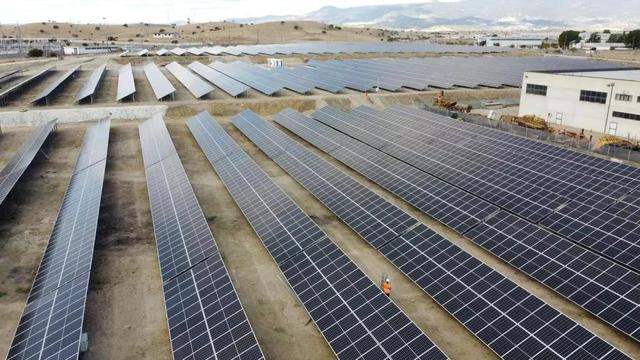
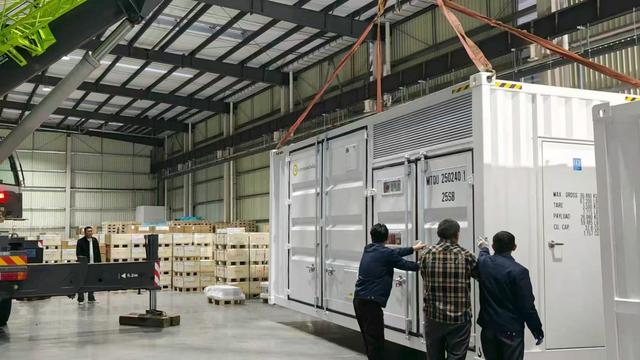
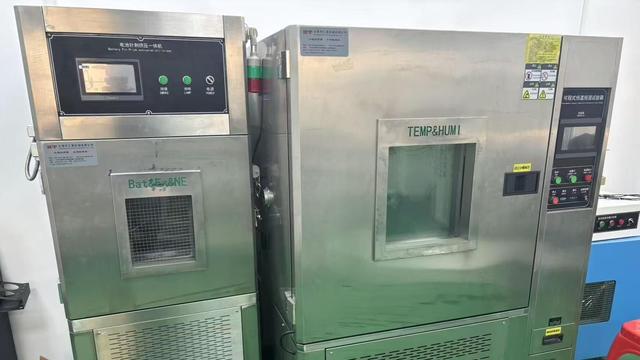
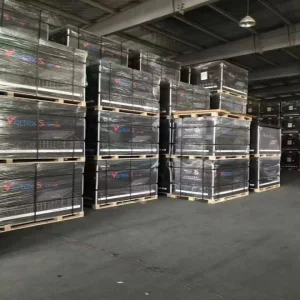
To deliver a 30-year linear performance warranty, Ningbo GAF Solar Co., Ltd. employs automated manufacturing lines and quality assurance tests. Every silicon wafer undergoes automated EL (Electroluminescence) inspection to detect micro-cracks, and structural frame joints are pressure-sealed to resist environmental degradation under extreme wind and snow load conditions.
Tailored configurations optimized for localized environmental variables and specific industrial scales.
For high-demand manufacturing operations, peak demand charges account for up to 30% of utility expenses. Combining high-efficiency monocrystalline solar systems with battery storage systems allows operators to lower peak grid demands, securing financial returns and improving operational stability.
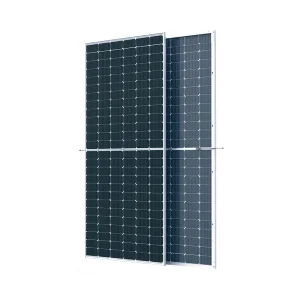
Utilizing high-power double glass bifacial PV modules mounted on single-axis tracker systems increases cumulative energy yields by 15% to 25%. This configuration leverages albedo reflection from sandy, snowy, or concrete terrains, ensuring consistent energy production.
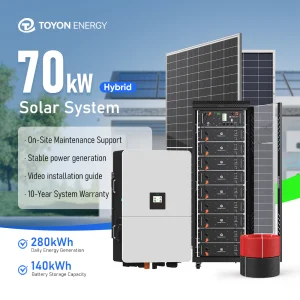
In regions lacking robust grid connection infrastructure, our hybrid system solutions provide reliable off-grid power. Combining battery systems, smart microgrid controllers, and high-efficiency modules provides dependable power for agricultural irrigation, remote mining, and rural electrification.
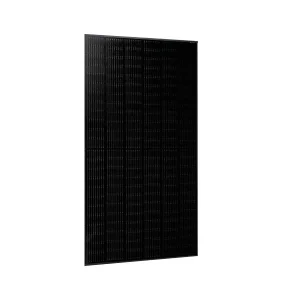
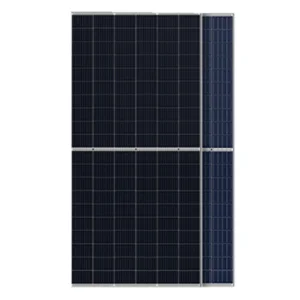
Discover our customized, high-power arrays and comprehensive residential/commercial solar power products.
In-depth technical explanations addressing the core considerations of commercial solar module procurement.
 GAF Solar