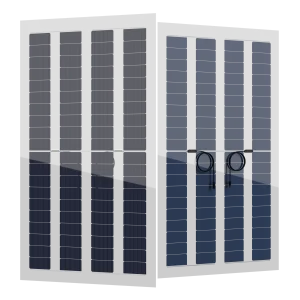
Engineered for crop protection, smart greenhouses, aquaculture, and multi-purpose farm applications.
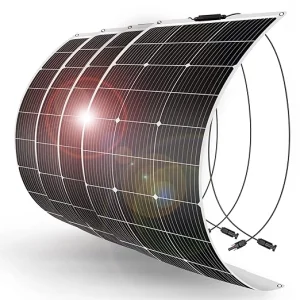
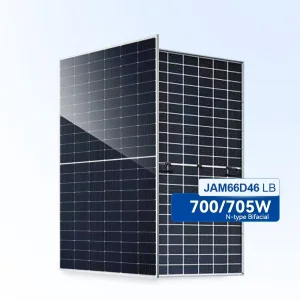
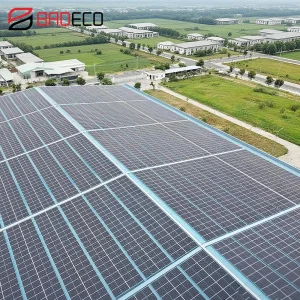
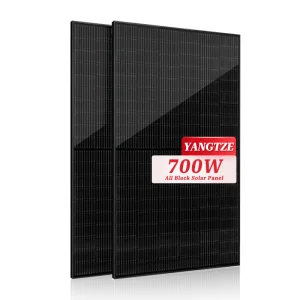
How agricultural solar panels are redefining land-use efficiency and ecological sustainability.
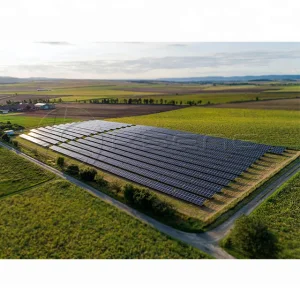
As the global population approaches 10 billion by 2050, the dual challenge of escalating food demand and rapid decarbonization requires innovative space utilization. Agrivoltaics (Agri-PV) presents a proven, highly efficient strategy: co-developing land for both agricultural production and solar photovoltaic power generation. In this design, agricultural solar panels are elevated above crops or livestock, creating a symbiotic ecosystem that boosts land-use efficiency by up to 186% compared to mono-functional usage.
For decades, traditional ground-mounted solar plants faced intense scrutiny for replacing fertile cropland. Modern engineering bypasses this conflict. By optimizing the spacing, tilt angle, and light transmittance parameters of solar modules, GAF Solar designs agricultural photovoltaic installations that shelter crops from extreme meteorological events—such as hail, excessive heat, and heavy rain—while generating substantial, stable electricity yields.
Analyzing policy support, technological advancements, and socio-economic benefits driving agricultural solar adoption.
Governments across Europe (notably Germany, France, and Italy), East Asia, and the United States have established tailored regulatory frameworks for Agri-PV. Under initiatives like the EU Common Agricultural Policy and the US Inflation Reduction Act (IRA), developers integrating agricultural infrastructure with solar generation enjoy prioritized grid connections, tax exemptions, and specialized feed-in tariffs.
Climate change is intensifying hail events, prolonged droughts, and frost anomalies. Agricultural solar panels act as a structural shield. By dynamically tilting panels to protect orchards, vineyards, and delicate cash crops during adverse weather, farm operators mitigate risk, stabilize annual crop yields, and reduce insurance premiums.
Traditional agricultural business models suffer from high volatility linked to raw material costs and crop yields. Agri-PV guarantees a secondary stream of passive, contract-based income. The clean electricity generated can power farm machinery, irrigation pumps, cold storage units, and drying facilities, with excess power fed into local grids.
The technical priorities procurement managers, EPC contractors, and agronomists evaluate before purchase.
Sourcing solar panels for agricultural applications differs significantly from typical ground-mounted or rooftop PV arrays. Industrial buyers and EPC contractors must balance technical performance parameters with agronomic restrictions:
Leading solar panel manufacturer delivering customizable, high-efficiency, and certified PV modules worldwide.
Ningbo GAF Solar Co., Ltd. is a professional Solar Panel Manufacturer | Monocrystalline, Bifacial & High Efficiency PV Modules dedicated to providing reliable solar energy solutions for residential, commercial, industrial, and utility-scale applications worldwide. With a strong commitment to renewable energy innovation, the company delivers advanced photovoltaic products designed to maximize energy generation, efficiency, and long-term performance.
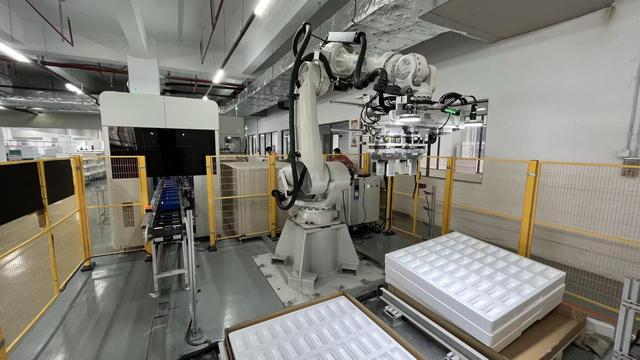
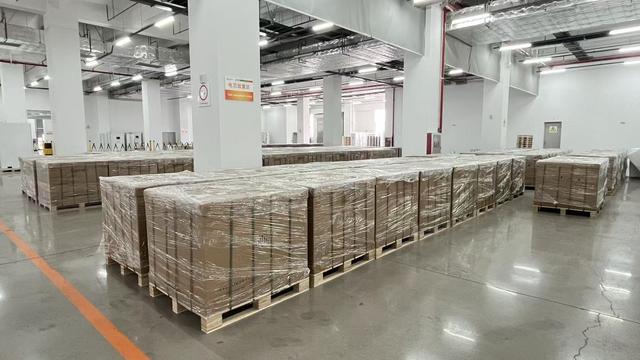
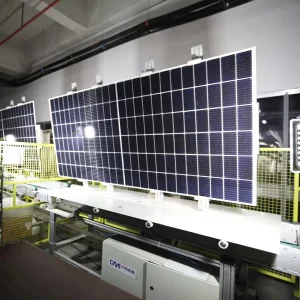
Based in Ningbo, China, GAF Solar operates modern manufacturing facilities equipped with advanced production technologies, automated assembly lines, and comprehensive quality control systems. The company specializes in the development and production of monocrystalline solar panels, bifacial solar modules, high-efficiency photovoltaic panels, rooftop solar solutions, commercial solar systems, industrial solar installations, and customized PV energy projects.
GAF Solar focuses on technological innovation and product reliability. By utilizing premium-grade solar cells, durable materials, and precision manufacturing processes, the company produces solar modules capable of delivering excellent power output, superior weather resistance, and long operational lifespans. Every product undergoes rigorous testing and quality inspections to ensure compliance with international standards and the demanding requirements of global energy markets.
In addition to manufacturing high-performance solar panels, GAF Solar offers comprehensive OEM and ODM services, supporting distributors, EPC contractors, solar developers, energy solution providers, and private-label brands. The company provides flexible customization options, professional technical support, and efficient project coordination from design and production to shipment and after-sales service.
Serving customers across North America, Europe, Southeast Asia, the Middle East, Africa, and Latin America, Ningbo GAF Solar Co., Ltd. has established a reputation for quality, reliability, and customer-focused service. Through continuous innovation and sustainable manufacturing practices, the company remains committed to accelerating the global transition toward clean, renewable energy and creating long-term value for partners around the world.
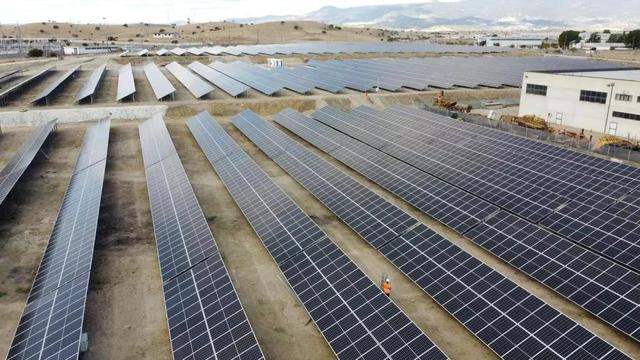
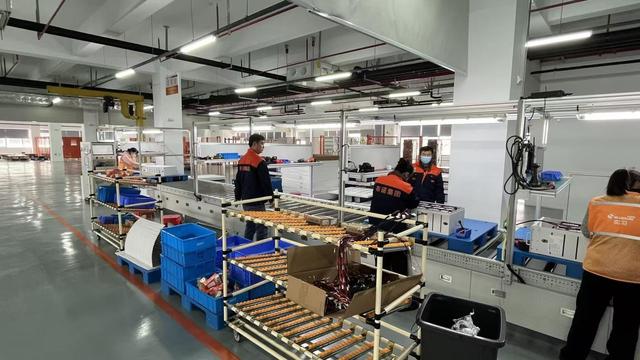
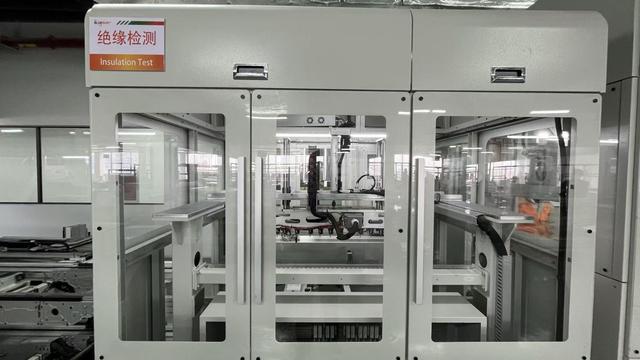
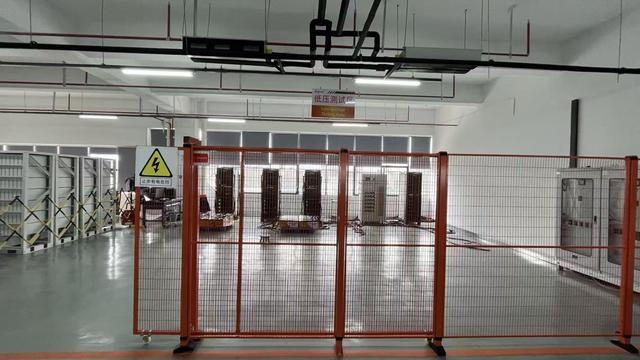
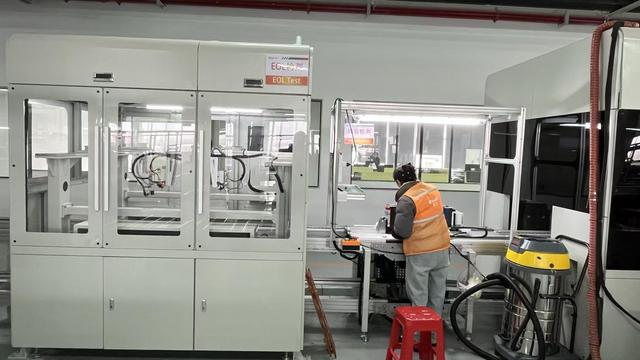
Next-generation PV innovations driving the next decade of agricultural solar applications.
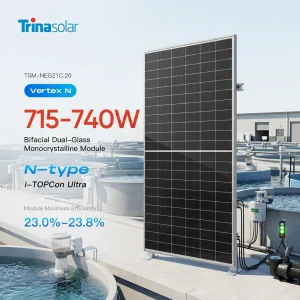
Moving beyond standard p-type mono PERC, the market is adopting N-type TOPCon and HJT solar cells. These technologies offer a lower temperature coefficient (typically -0.30%/°C) and a higher bifaciality factor (up to 85%), which are key for maximizing reflective albedo light from crop fields, sand, or snow covers.
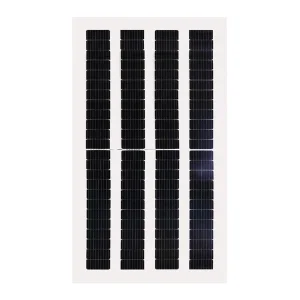
Innovations in semi-transparent thin-film and crystalline modules allow manufacturers to adjust the glass light-transmission spectrum. By absorbing only blue and UV light wavelengths for power generation while letting red and infrared light pass through to crops below, plants can grow without losing access to necessary PAR light.
Integrating Artificial Intelligence with tracking mechanisms allows solar arrays to adapt dynamically. During strong storms or hail, trackers position the panels horizontally to shield valuable crops. During drought and intense heat waves, the panels can tilt to block midday sun, minimizing soil moisture evaporation.
Ensuring long-term reliability and compliance with international standards.
A solar installation is a 25-to-30-year financial asset. Because agricultural installations operate in highly active environments, regulatory compliance and certification are essential for project bankability.
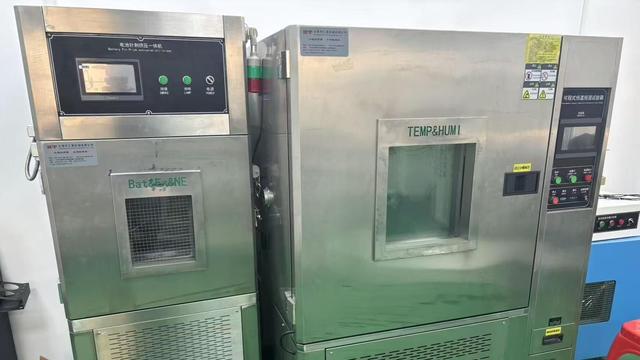
GAF Solar modules carry certifications from international testing organizations, including TUV Rheinland, CE, UL, and IEC. Our manufacturing plants maintain rigorous adherence to ISO 9001 (Quality Management), ISO 14001 (Environmental Management), and ISO 45001 (Occupational Health & Safety) systems. Key testing phases include:
Detailed answers to essential questions regarding agricultural solar panel technologies, crop protection, and project setup.
Explore our diverse product line of transparent modules, high-output half-cell panels, and racking systems.
 GAF Solar