Explore our high-performance monocrystalline, bifacial, and double-glass solar panels engineered for high yields, reliable durability, and excellent LCOE mitigation.
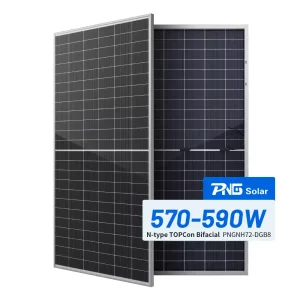
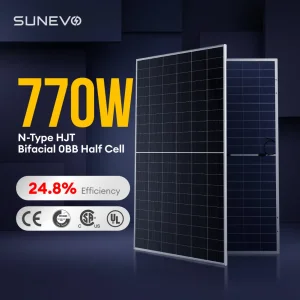
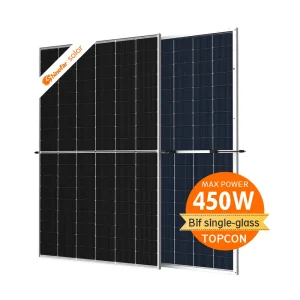
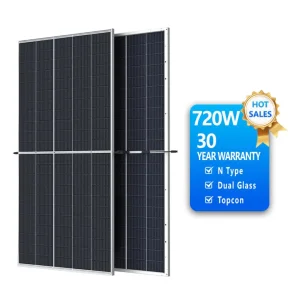
The global transition toward decentralized clean energy has placed residential solar panels at the forefront of building-integrated power infrastructure. As utility rates escalate and grid reliability falters across major economies, developers, EPC contractors, and distributors seek high-performance photovoltaic (PV) modules that deliver maximum yield per square meter, optimized low-light performance, and long-term mechanical integrity.
At Ningbo GAF Solar Co., Ltd., we serve this demand as a premier Solar Panel Manufacturer. Specializing in advanced monocrystalline, bifacial, and high-efficiency PV modules, we utilize state-of-the-art manufacturing methodologies in Ningbo, China. Our engineering framework is tailored to achieve a minimized Levelized Cost of Energy (LCOE), high power output stability, and absolute compliance with strict global standards.
In the highly competitive residential solar landscape, E-E-A-T (Experience, Expertise, Authoritativeness, and Trustworthiness) is the benchmark by which utility partners and residential installers select their manufacturing allies. Our structural capability guarantees:
Analyzing the evolution of residential photovoltaic efficiency from P-Type PERC to N-Type TOPCon and Heterojunction (HJT) architectures.
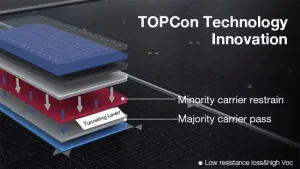
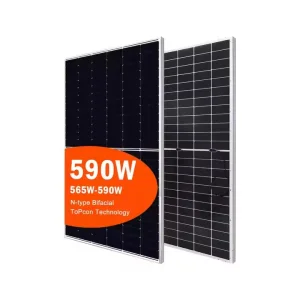
N-type Tunnel Oxide Passivated Contact (TOPCon) represents a massive leap in surface passivation chemistry. By implementing an ultra-thin silicon oxide tunnel layer followed by highly doped polycrystalline silicon, our TOPCon panels drastically reduce minority carrier recombination. This results in module conversion efficiencies exceeding 22.5%, a superior temperature coefficient (-0.30%/°C), and virtually zero Light-Induced Degradation (LID).
Bifacial modules capture rear-side solar radiation reflected off the surrounding ground surface (albedo). Utilizing dual-glass structures (typically 2.0mm + 2.0mm high-transmission tempered glass), our bifacial modules achieve a bifaciality factor of up to 80%. This design yields an additional 5% to 25% energy gain depending on ground albedo, while offering exceptional resistance to PID (Potential Induced Degradation) and mechanical stress.
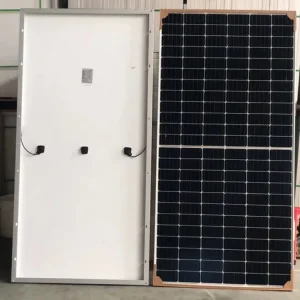
Transitioning from standard busbar layouts to Multi-Busbar (MBB) configurations shortens the path for current collect and reduces resistive power losses inside the module. Combined with laser half-cutting of cells, our modules divide the operating current by two, reducing internal resistive losses (I²R losses) by 75%. This configuration ensures that if one half of the panel is shaded, the other half continues to generate power at full capacity.
| Module Parameters | P-Type PERC Monocrystalline | N-Type TOPCon (GAF Series) | Heterojunction (HJT) |
|---|---|---|---|
| Average Cell Efficiency (%) | 22.8% - 23.2% | 24.5% - 25.5% | 25.0% - 26.0% |
| Module Efficiency Range | 20.5% - 21.5% | 21.8% - 22.8% | 22.0% - 23.0% |
| Temperature Coefficient of Pmax | -0.35% / °C | -0.30% / °C | -0.26% / °C |
| First-Year Degradation Rate | < 2.0% | < 1.0% | < 1.0% |
| Annual Degradation (Years 2-30) | < 0.55% | < 0.40% | < 0.37% |
| Bifaciality Factor | 70% ± 5% | 80% ± 5% | 85% ± 5% |
Ningbo GAF Solar Co., Ltd. operates in Ningbo, the heart of China's advanced manufacturing and shipping infrastructure. The Chinese photovoltaic industry represents over 80% of the global polysilicon, wafer, cell, and module production capacity. This deep vertical clustering provides GAF Solar with unparalleled supply chain stability, insulation against raw material price shocks, and immediate access to technological upgrades.
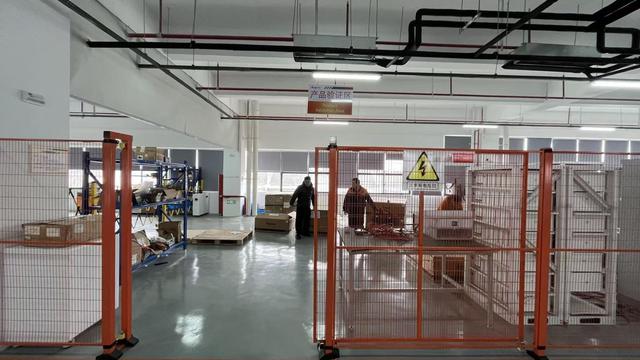
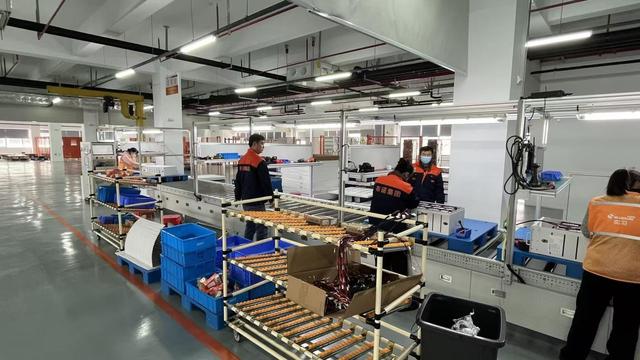
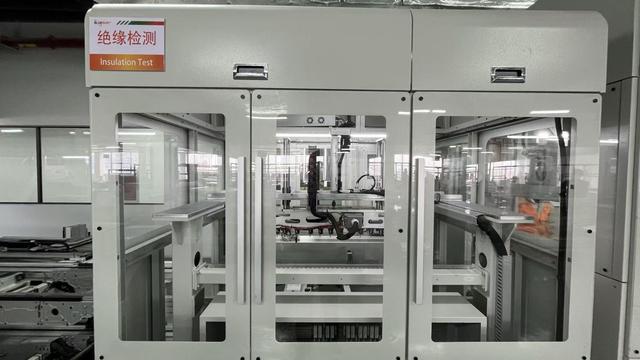
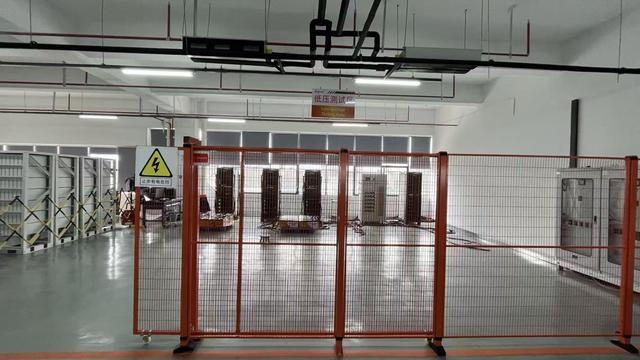
Our factory in Ningbo utilizes fully automated production lines where silicon wafer handling, stringing, layup, lamination, framing, and electroluminescence (EL) testing are performed by high-precision robotics. This level of automation minimizes human handling errors, ensures consistent cell spacing, and guarantees strict adhesion to mechanical tolerances (35mm anodized aluminum frames, 3.2mm ARC glass layers).
From a logistical perspective, our proximity to the Port of Ningbo-Zhoushan—the world's busiest port by cargo tonnage—allows us to seamlessly coordinate global sea freight. For our international distributors, EPC developers, and wholesale buyers, this geographic advantage translates into shorter transit lead times, reduced inland transportation costs, and containerization optimization that minimizes transit damage.
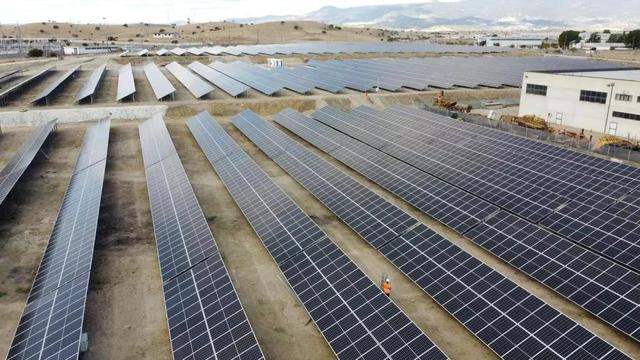
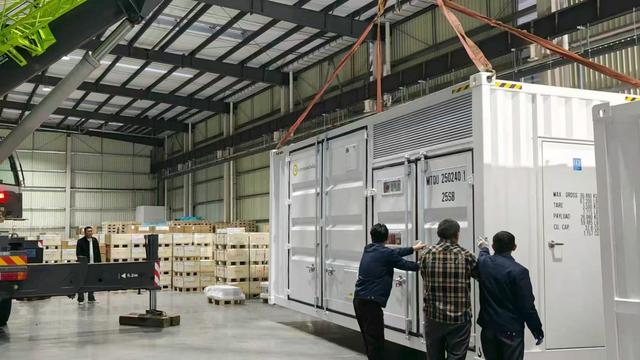
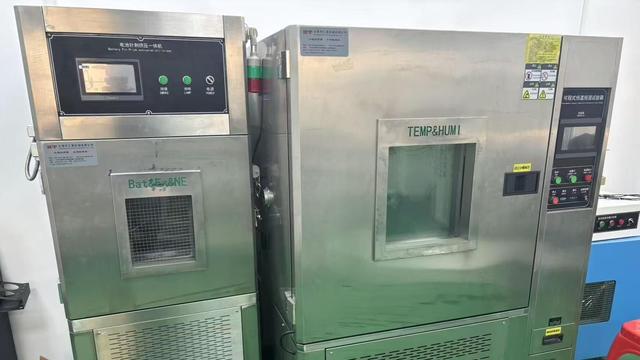
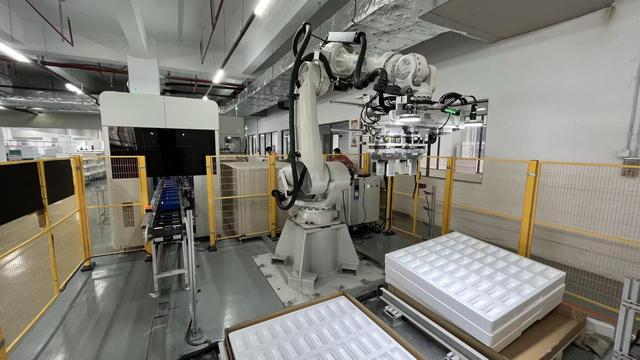
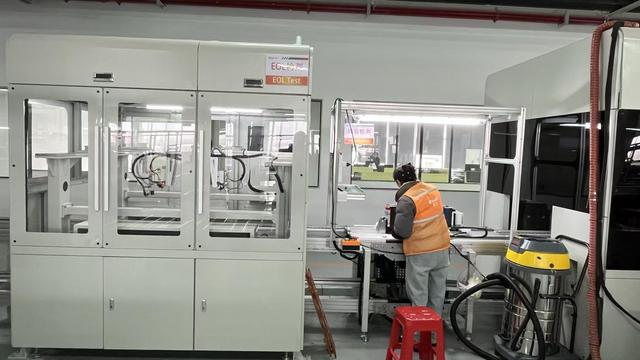
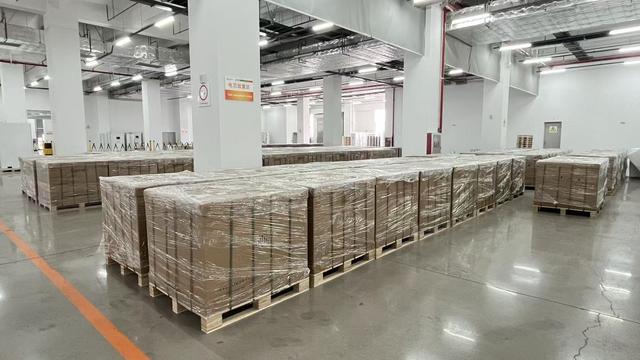
Photovoltaic setups must adapt to varying climates, geography, and structural requirements. Below is how our engineering accommodates diverse install scenarios.
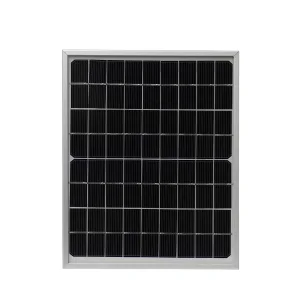
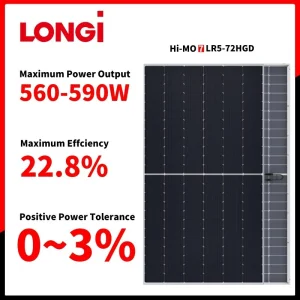
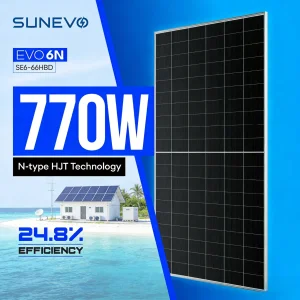
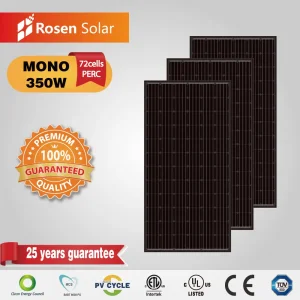
Urban residential areas demand high spatial efficiency due to limited roof space. Our high-power monocrystalline modules (such as the 580W, 700W, and 770W series) allow homeowners to achieve their desired generation capacity (e.g., 10kW system) using fewer panels. The all-black aesthetic design of our residential modules integrates seamlessly with slate, shingle, or tile roofs, conforming to strict local architectural guidelines while maintaining premium curb appeal.
Coastal homes, marine vessels, and seaside microgrids deal with intense ambient humidity, salt mist corrosion, and heavy crosswinds. GAF Solar engineered the Glass Solar Panel for Residential Rooftop Marine Boat with dual-glass sealing, salt-mist resistant aluminum alloys, and IP68 waterproof junction boxes. Our modules undergo rigorous testing according to IEC 61701 (Salt Mist Corrosion Testing) and IEC 62716 (Ammonia Corrosion Testing) standards.
High-altitude residential projects require panels capable of supporting extreme snow loads. Standard solar panels can crack under snow accumulation. GAF Solar panels feature reinforced frame designs certified to withstand a front-side static snow load of up to 5400 Pa and a rear-side wind load of up to 2400 Pa. Integrating our advanced thermodynamic water heating panels further allows homeowners to combine photovoltaic generation with highly efficient solar thermal water heating.
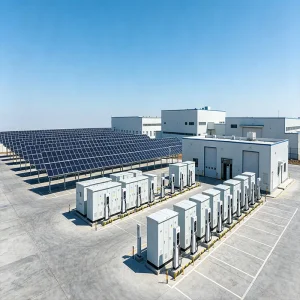
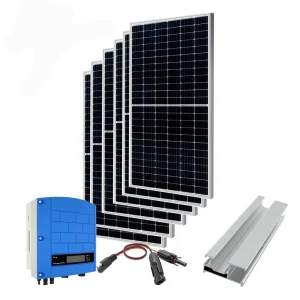
For regions without stable utility grid access, off-grid systems utilizing 10kW to 20kw grid-tied and off-grid kits integrated with LiFePO4 battery storage represent the ideal solution. GAF Solar modules present exceptional compatibility with modern string inverters and Module-Level Power Electronics (MLPE) like microinverters and optimizers. This flexibility simplifies system design and guarantees stable daily power yields.
The photovoltaic industry is evolving rapidly. We are investing in the next generation of clean energy infrastructure.
Silicon-only solar cells have a theoretical efficiency limit (the Shockley-Queisser limit) of approximately 29.4%. To break through this threshold, our R&D roadmap includes the integration of Perovskite-Silicon tandem cells. By layering a perovskite cell—which absorbs high-energy blue light—onto a traditional silicon cell that absorbs low-energy red light, tandem modules can realistically target conversion efficiencies of over 30%.
Future residential installations will no longer operate as passive grid consumers. With the rise of virtual power plants (VPPs) and dynamic pricing, residential solar systems will feed power back to the grid in real-time, managed by AI-driven energy management platforms. Our modules are designed to integrate seamlessly with smart, grid-forming hybrid inverters, allowing rapid response to grid frequency fluctuations.
Standardizing module efficiencies above 22.5%, scaling up the production of 770W modules, and refining thin-wafer cutting processes.
Adopting Interdigitated Back Contact (IBC/TBC) cells for residential lines, bringing all metal busbars to the rear side to eliminate shading and maximize front-side collection.
Transitioning high-end residential module architectures to tandem layers, achieving target commercial efficiencies of 28.5% - 30%.
To secure project financing, solar modules must meet international compliance standards. GAF Solar ensures full certification across all export markets.
These core certifications confirm our modules meet international standards for terrestrial photovoltaic system design qualifications and safety. They cover thermal cycling, damp heat, mechanical loading, electrical insulation, and fire test resistance.
Our CE marking shows compliance with EU safety, health, and environmental protection standards. The TUV Rheinland certification confirms rigorous quality audits and third-party monitoring of our manufacturing facilities.
By utilizing high-resistance EVA/POE encapsulation materials and optimizing junction box grounding pathways, GAF Solar modules pass strict IEC 62804 testing, securing system longevity even under hot and humid grid conditions.
View the rest of our premium catalog, including heavy-duty off-grid systems, thermodynamic solutions, and high-capacity modules.
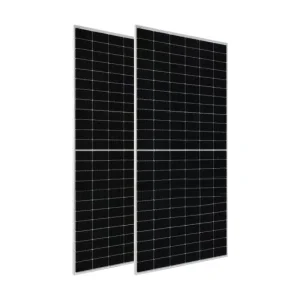
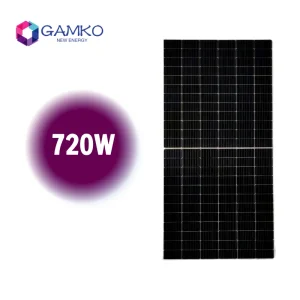
Clear, direct answers regarding export logistics, technology implementation, warranties, and OEM requirements.
 GAF Solar