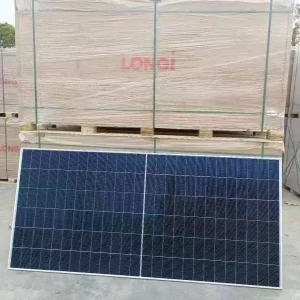
Explore our premium range of lightweight, curve-compliant, and high-performance solar panels tailored for diverse global B2B distribution.

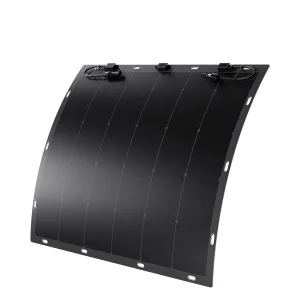
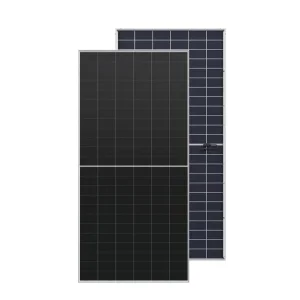
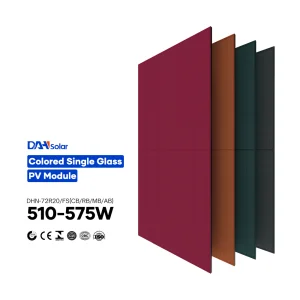
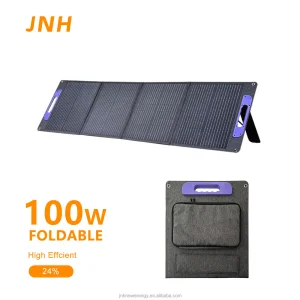
As the international transition to clean energy accelerates, the global solar market is undergoing a paradigm shift. While traditional, rigid crystalline silicon modules have long dominated utility-scale solar farms, next-generation thin-film solar panels are securing critical market segments due to their unique structural advantages, high spectral adaptability, and superior low-light performance.
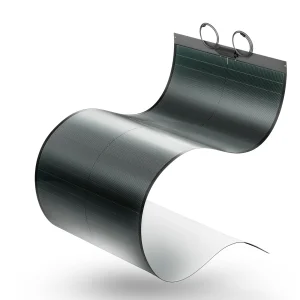
Thin-film photovoltaics (TFPV) represent a critical pillar of modern architectural engineering and microgrid infrastructure. Their thin profile (often under a few microns for active layers) translates to light weight, mechanical flexibility, and compatibility with surfaces that cannot support heavy glass-and-aluminum modules. From commercial warehouses with strict load-bearing limits to complex curves on marine vessels and electric vehicles, thin-film technologies provide a versatile alternative where traditional solar fails.
According to industrial market projections, the global thin-film solar market is expected to witness substantial growth. Exporters of thin-film solar panels are increasingly servicing major commercial projects in Europe, North America, and Southeast Asia. The demand is heavily driven by urban building decarbonization mandates, the rise of off-grid mobile power systems, and the dynamic growth of Building Integrated Photovoltaics (BIPV). Commercial developers no longer view solar panels merely as add-on appliances; they are increasingly treated as structural elements—such as solar roofing tiles, cladding facades, and lightweight membranes.
"Thin-film technologies, particularly CIGS (Copper Indium Gallium Selenide) and CdTe (Cadmium Telluride), are paving the way for net-zero building designs. By eliminating the structural overhead of heavy racking systems, these thin-film solutions lower balance-of-system (BOS) costs while delivering excellent lifetime yield in high-temperature environments."
Driven by a CAGR of over 8.4% through industrial BIPV integration and off-grid innovations.
Ideal for retrofitting commercial roofs that cannot sustain traditional silicon systems (15-20 kg/m²).
Minimizes efficiency drop in hot climates compared to standard monocrystalline silicon.
A comprehensive analysis of material science pathways, degradation characteristics, and mechanical capabilities of active PV technologies.
As a leading thin film solar panels exporter, Ningbo GAF Solar Co., Ltd. works across several materials science platforms. To help EPC contractors, solar project developers, and B2B buyers choose the correct system, we compare the leading thin-film technologies against traditional monocrystalline reference modules below:
| Technology Pathway | Avg. Commercial Efficiency | Flexibility & Bend Radius | Temperature Coefficient | Ideal Application Scenario |
|---|---|---|---|---|
| CIGS (Copper Indium Gallium Selenide) | 15% - 18% | High (Up to 10cm radius) | -0.30% to -0.35% / °C | TPO roofs, structural facades, curve-integrated systems (RV, Yacht) |
| CdTe (Cadmium Telluride) | 16% - 19% | Rigid / Semi-flexible (on glass) | -0.25% to -0.28% / °C | Utility-scale solar farms, industrial facades, high-temp regions |
| Amorphous Silicon (a-Si) | 7% - 10% | Excellent (Rollable films) | -0.20% / °C | Consumer electronics, low-power advertising lighting, sensor systems |
| Flexible Monocrystalline (PET/ETFE coated) | 20% - 22% | Semi-flexible (Up to 30° arc) | -0.37% / °C | Lightweight rooftops, marine decks, vehicle retrofitting |
1. CIGS Thin-Film Modules: CIGS solar cells are manufactured by depositing thin layers of copper, indium, gallium, and selenide onto glass or flexible substrates (like stainless steel or polyimide foil). This leads to high absorption coefficients, allowing over 99% of available light to be absorbed within the first micrometer of the active cell. CIGS systems demonstrate remarkable resistance to micro-cracking and offer the highest efficiency among true thin-film materials, making them a preferred choice for residential balcony PV stations and commercial membrane roofs.
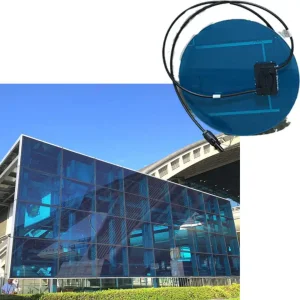
2. CdTe Thin-Film Modules: Cadmium Telluride is the leading thin-film technology by volume globally. Possessing an optimal bandgap of 1.44 eV, CdTe matches the solar spectrum very closely. Its temperature coefficient is significantly better than conventional monocrystalline cells, enabling it to yield more energy per watt peak in hot, high-humidity regions. CdTe is frequently integrated directly into customized building glass as custom BIPV modules for facades and glazed skylights.
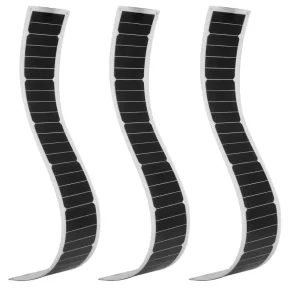
3. Amorphous Silicon (a-Si): Although lower in efficiency compared to CIGS or CdTe, a-Si is cheap to manufacture and works exceptionally well under low-light or artificial light conditions. It is frequently applied to rollable consumer devices and small-format customized advertising strips where cost and weight are the primary engineering limits.
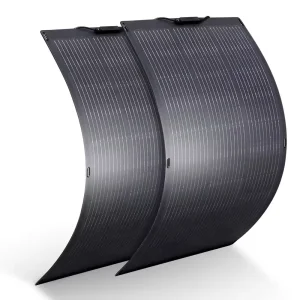
4. Flexible Monocrystalline (High-Efficiency Alternative): While technically a crystalline silicon technology, these modules use ultra-thin monocrystalline cells laminated with high-strength polymers (like ETFE or PET). This allows a semi-bendable form factor with efficiencies up to 22%. They fill a crucial gap for customers who require high power density on curved surfaces, such as RV roofs and yachts, without the added weight of conventional glass panels.
Analyzing global decarbonization policies and how flexible thin-film systems solve practical engineering challenges across multiple climates.
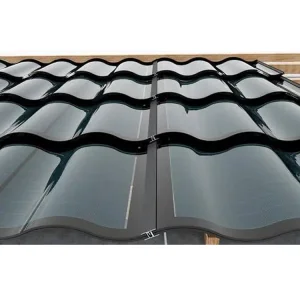
In regions like Europe and North America, strict building performance regulations (such as EPBD in Europe) require new structures to be net-zero. BIPV systems replace standard building materials with power-generating elements. Custom inkjet-printed CdTe panels and CIGS roof tiles merge structural reliability with energy generation, turning facades and roofs into clean power generators.
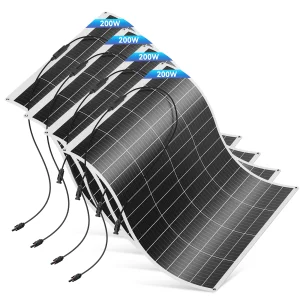
The global demand for clean energy in RVs, yachts, camping, and commercial transport continues to rise. Conventional glass modules are too heavy and fragile for mobile applications. Ultra-light, semi-flexible CIGS and monocrystalline modules adapt to vehicle contours, resist high wind resistance during transit, and avoid structural damage from vibrations.
Many commercial warehouses and cold-chain facilities feature corrugated metal or TPO/EPDM membrane roofs that cannot support the weight of rigid racking systems. Self-adhesive flexible thin-film modules can be glued directly onto these surfaces. This installation eliminates roof penetrations, reduces the risk of water leaks, and maintains the building's structural integrity.
One of the primary benefits of thin-film solar technology is its spectral response. In Northern European or humid Southeast Asian climates where overcast skies are common, thin-film modules perform better than crystalline silicon. This is because thin-film cells can absorb a broader range of the light spectrum (including diffuse blue light under cloudy skies). As a result, thin-film systems begin generating power earlier in the morning and continue later into the evening, producing a flatter and more consistent daily energy curve.
The thin-film PV sector is entering a phase of rapid materials science advancement. Over the next decade, three key trends are expected to reshape the performance limits and manufacturing economics of thin-film panels:
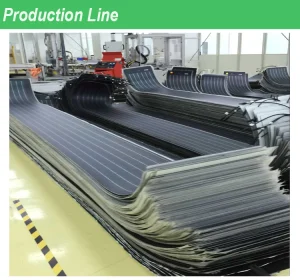
Ningbo GAF Solar Co., Ltd. monitors these developments closely. We continuously upgrade our automated production lines to integrate these technologies as they mature, ensuring our clients receive long-term performance and high return on investment.
Discover our production capabilities, quality certifications, and commitment to global clean energy expansion.
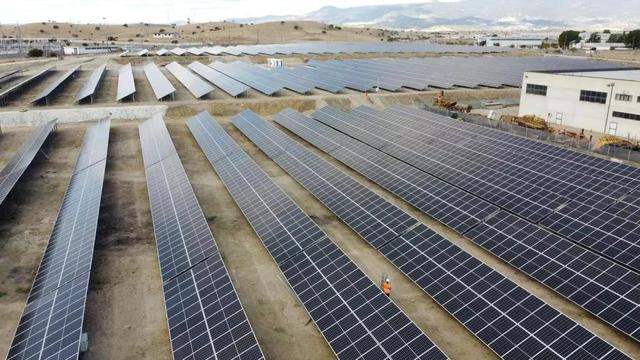
Ningbo GAF Solar Co., Ltd. is a professional Solar Panel Manufacturer | Monocrystalline, Bifacial & High Efficiency PV Modules dedicated to providing reliable solar energy solutions for residential, commercial, industrial, and utility-scale applications worldwide. With a strong commitment to renewable energy innovation, the company delivers advanced photovoltaic products designed to maximize energy generation, efficiency, and long-term performance.
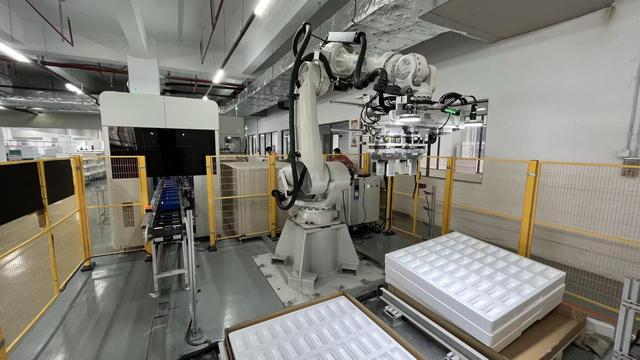
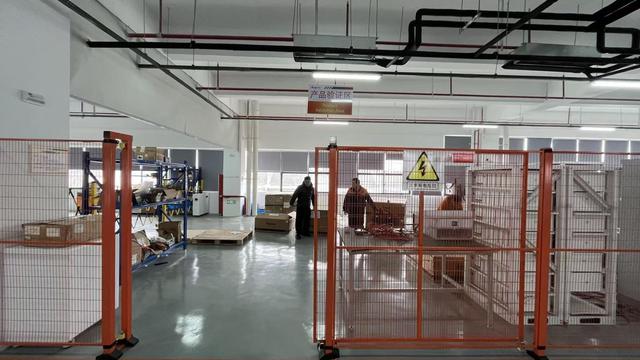
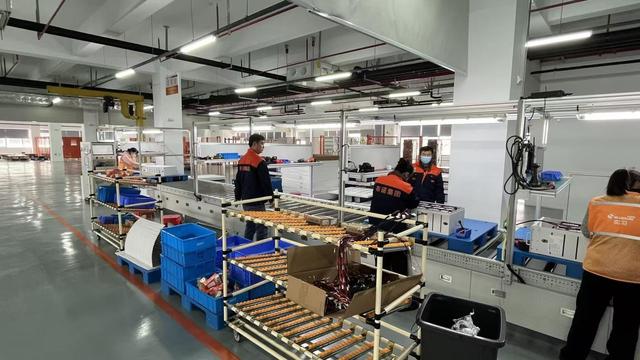
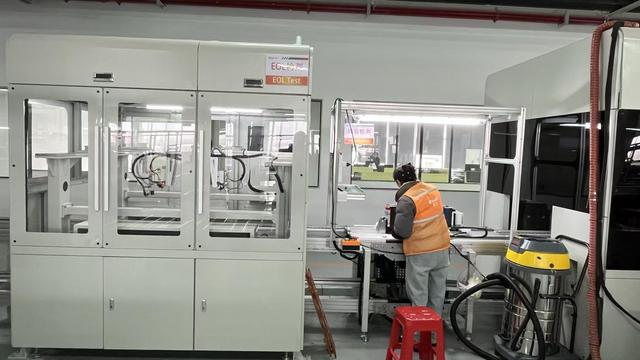
Based in Ningbo, China, GAF Solar operates modern manufacturing facilities equipped with advanced production technologies, automated assembly lines, and comprehensive quality control systems. The company specializes in the development and production of monocrystalline solar panels, bifacial solar modules, high-efficiency photovoltaic panels, rooftop solar solutions, commercial solar systems, industrial solar installations, and customized PV energy projects.
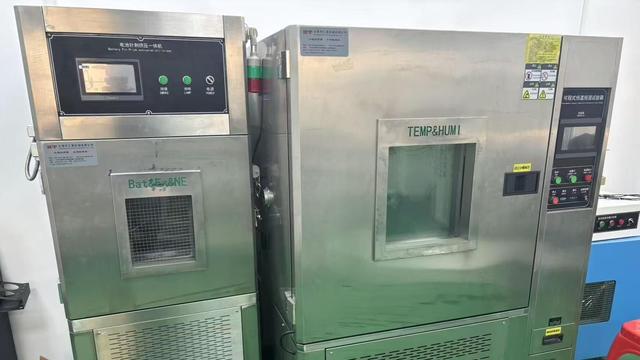
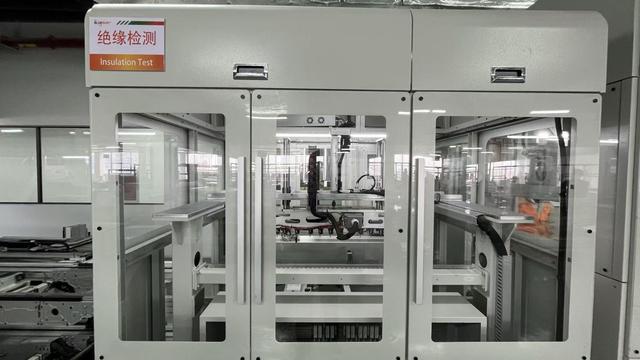
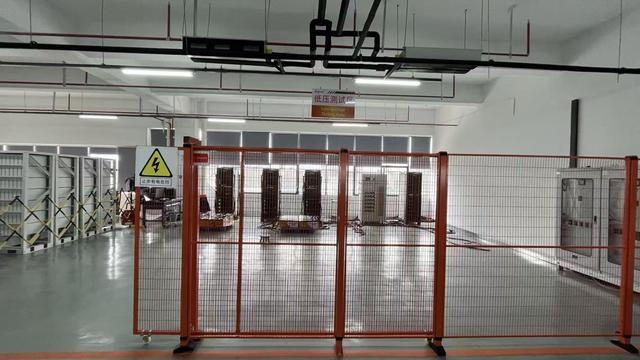
GAF Solar focuses on technological innovation and product reliability. By utilizing premium-grade solar cells, durable materials, and precision manufacturing processes, the company produces solar modules capable of delivering excellent power output, superior weather resistance, and long operational lifespans. Every product undergoes rigorous testing and quality inspections to ensure compliance with international standards and the demanding requirements of global energy markets.
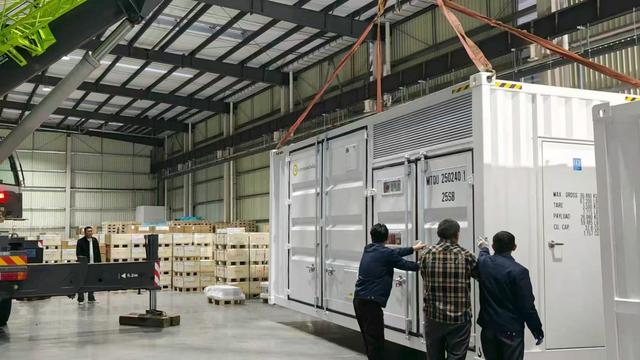
In addition to manufacturing high-performance solar panels, GAF Solar offers comprehensive OEM and ODM services, supporting distributors, EPC contractors, solar developers, energy solution providers, and private-label brands. The company provides flexible customization options, professional technical support, and efficient project coordination from design and production to shipment and after-sales service.
Serving customers across North America, Europe, Southeast Asia, the Middle East, Africa, and Latin America, Ningbo GAF Solar Co., Ltd. has established a reputation for quality, reliability, and customer-focused service. Through continuous innovation and sustainable manufacturing practices, the company remains committed to accelerating the global transition toward clean, renewable energy and creating long-term value for partners around the world.
Get professional answers regarding specifications, OEM orders, material lifespans, and logistics processes.
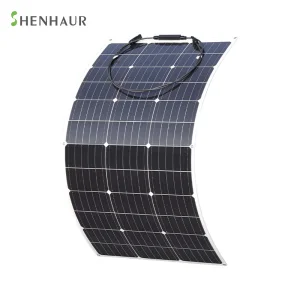
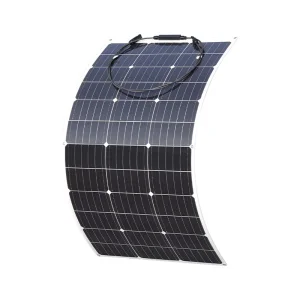
Review the second tier of our specialized thin-film exports, designed to meet strict commercial, industrial, and off-grid specifications.
Partner with Ningbo GAF Solar Co., Ltd. for factory-direct solar modules, custom sizes, and reliable global delivery.
Request a B2B Quote GAF Solar