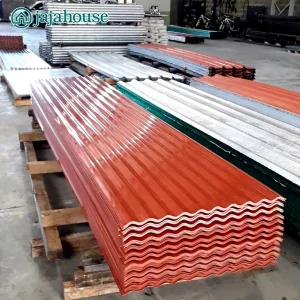
Explore our Tier-1 commercial, residential, and custom integrated PV products engineered for maximum solar energy yield.
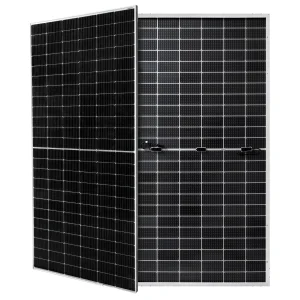
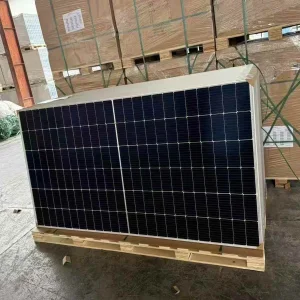
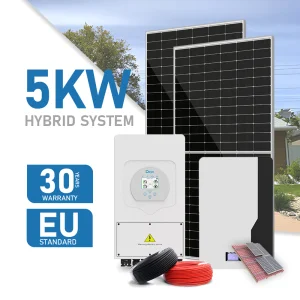
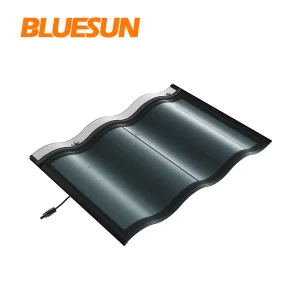
The global shift toward decentralized clean energy infrastructure has accelerated the development of high-density rooftop solar systems. Industry developers and EPC contractors face the double challenge of maximizing Levelized Cost of Energy (LCOE) efficiency while meeting complex safety, spatial, and mechanical integration constraints. This B2B guide dissects the technology pathways, architectural advancements, and manufacturing capabilities of Ningbo GAF Solar Co., Ltd., a top-tier Chinese manufacturing facility delivering reliable rooftop photovoltaic modules worldwide.
"Information Gain in PV procurement relies on evaluating factory automated precision, material degradation rates (LID/LeTID), and localized mechanical loads rather than panel wattage alone."
Ningbo GAF Solar Co., Ltd. is a professional Solar Panel Manufacturer | Monocrystalline, Bifacial & High Efficiency PV Modules dedicated to providing reliable solar energy solutions for residential, commercial, industrial, and utility-scale applications worldwide. With a strong commitment to renewable energy innovation, the company delivers advanced photovoltaic products designed to maximize energy generation, efficiency, and long-term performance.
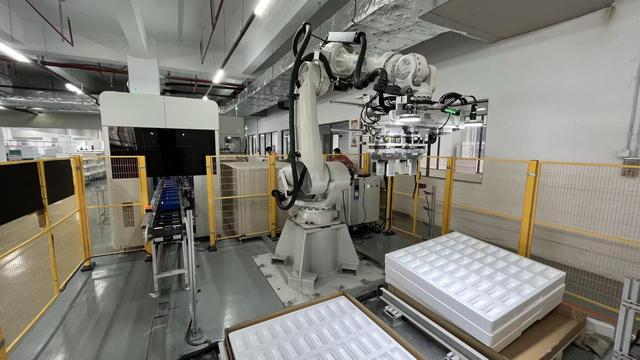
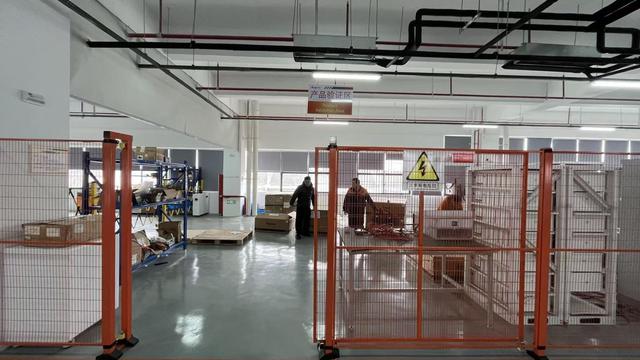
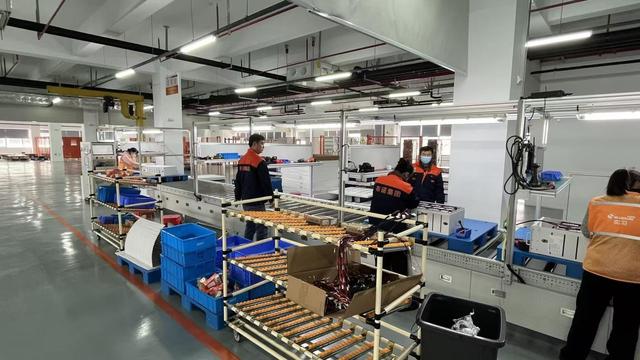
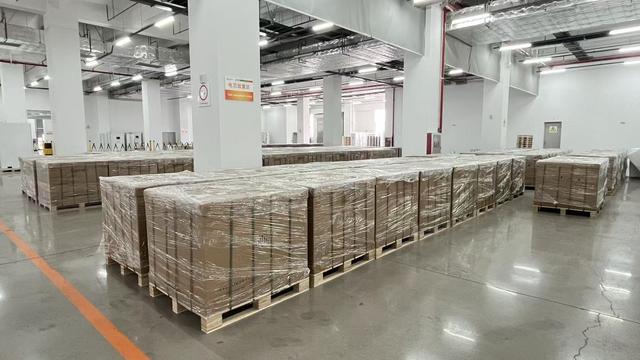
Based in Ningbo, China, GAF Solar operates modern manufacturing facilities equipped with advanced production technologies, automated assembly lines, and comprehensive quality control systems. The company specializes in the development and production of monocrystalline solar panels, bifacial solar modules, high-efficiency photovoltaic panels, rooftop solar solutions, commercial solar systems, industrial solar installations, and customized PV energy projects.
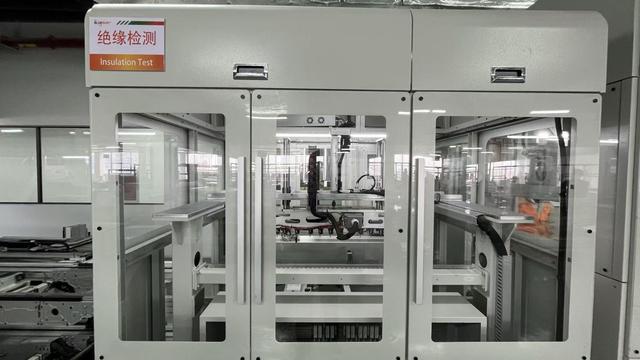
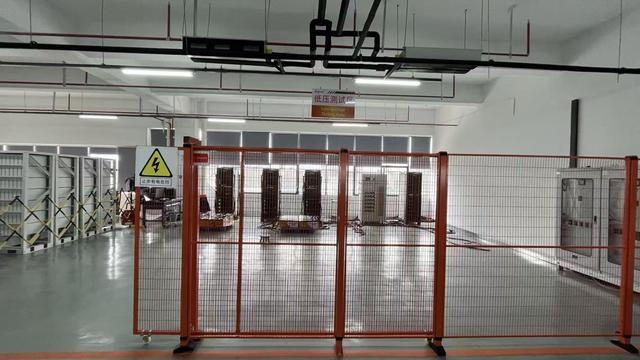
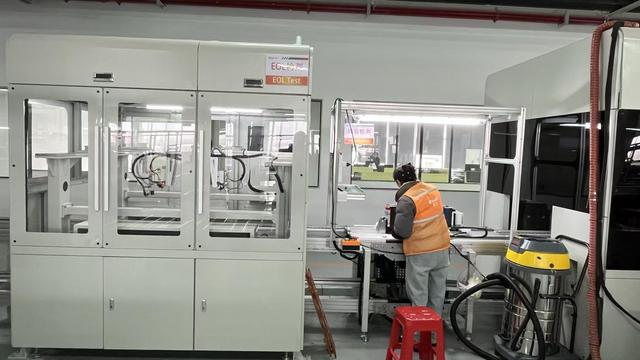
GAF Solar focuses on technological innovation and product reliability. By utilizing premium-grade solar cells, durable materials, and precision manufacturing processes, the company produces solar modules capable of delivering excellent power output, superior weather resistance, and long operational lifespans. Every product undergoes rigorous testing and quality inspections to ensure compliance with international standards and the demanding requirements of global energy markets.
In addition to manufacturing high-performance solar panels, GAF Solar offers comprehensive OEM and ODM services, supporting distributors, EPC contractors, solar developers, energy solution providers, and private-label brands. The company provides flexible customization options, professional technical support, and efficient project coordination from design and production to shipment and after-sales service.
Serving customers across North America, Europe, Southeast Asia, the Middle East, Africa, and Latin America, Ningbo GAF Solar Co., Ltd. has established a reputation for quality, reliability, and customer-focused service. Through continuous innovation and sustainable manufacturing practices, the company remains committed to accelerating the global transition toward clean, renewable energy and creating long-term value for partners around the world.
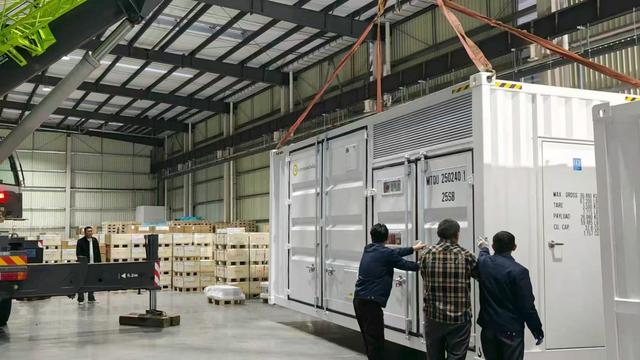
Procuring solar hardware from a Ningbo-based factory provides key advantages in vertical supply chain integration, cost optimization, and R&D velocity. GAF Solar benefits from strategic proximity to the Ningbo-Zhoushan Port—the world’s busiest port by cargo tonnage—allowing for streamlined logistics, reduced freight damage risks, and prompt global shipping schedules.
Our proximity to wafer refineries, solar glass plants, and raw frame extruders keeps Balance of System (BOS) costs low, translating into competitive pricing without compromising material grades.
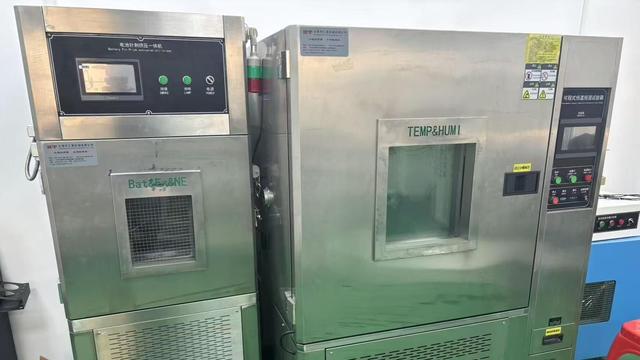
EL (Electroluminescence) testing is applied before and after lamination, ensuring zero micro-cracks in our cells and protecting systems from premature degradation.
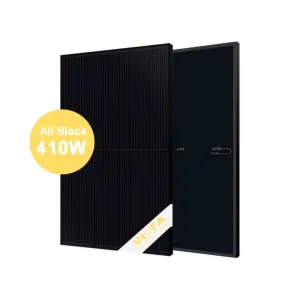
We provide full customization, including custom junction box cabling, customized module dimensions, anodized black aluminum frames, and specific logo branding.
The global rooftop solar sector is rapidly moving away from standard p-type PERC cells toward next-generation cell structures. Three primary trends define this shift:
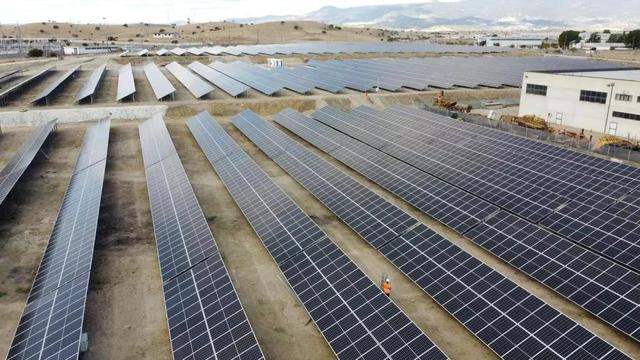
Implementing a successful rooftop PV project requires matching panel specifications with structural and environmental requirements:
C&I (Commercial & Industrial) Rooftops: Commercial projects demand rapid installation speeds and low system weight to avoid compromising building structures. Using high-power TOPCon 700W modules reduces the total number of mounting clamps, racking components, and cabling runs, saving up to 12% in BOS costs.
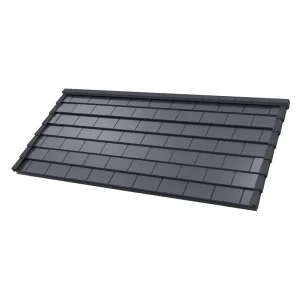
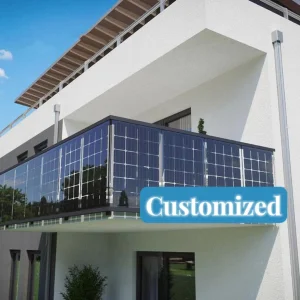
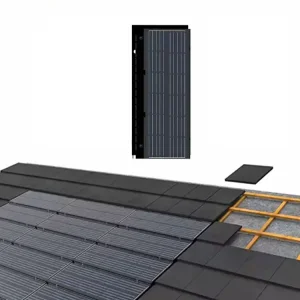
BIPV (Building-Integrated Photovoltaics): BIPV integrations replace traditional roofing with functional generation materials. Solar roof tiles are highly durable, waterproof, and visually integrate with modern home architecture, making them popular for premium residential neighborhoods and architectural landmarks.
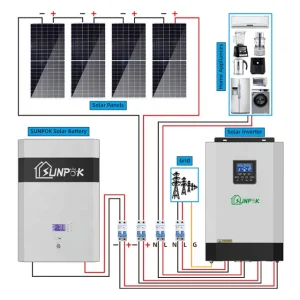
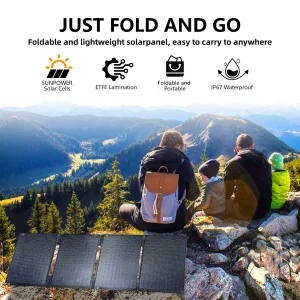
Off-Grid Storage for Remote & Specialized Assets: For regions lacking grid access, complete off-grid kits featuring lithium battery storage and hybrid MPPT control systems provide dependable power. For vehicles, RVs, and marine applications, lightweight curved monocrystalline panels easily adapt to contoured roofs and provide reliable performance in harsh conditions.
Environmental conditions dictate which photovoltaic solutions will perform best. By matching localized conditions with the right PV technology, solar designers can maximize long-term return on investment:
Coastal areas present high-salinity air, high humidity, and salt spray risks. To prevent electrical leakage and corrosion, dual-glass BIPV panels and specialized anodized frames with anti-salt mist coatings should be used to extend the system lifespan.
Standard solar modules experience power output loss in hot environments. Using N-type TOPCon panels, which feature a low temperature coefficient, minimizes heat-induced performance losses and maximizes energy generation in arid, sunny areas.
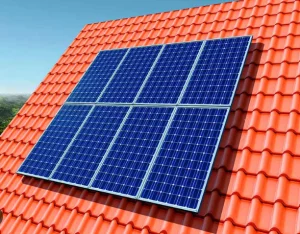
Urban homes often have limited rooftop space and must meet strict local building guidelines. Sleek black-frame panels or integrated BIPV tiles offer a clean, modern aesthetic while maximizing power output per square meter.
For international buyers, selecting the right manufacturing partner involves reviewing key technical and production standards:
1. Manufacturing Standards & Testing: Ensure the factory runs ISO-certified automated production lines. All modules should carry testing certifications (such as IEC 61215 and IEC 61730) to guarantee they can withstand strong winds, heavy snow loads, and environmental degradation.
2. OEM/ODM Packaging & Branding: A qualified manufacturing exporter should provide custom packaging, direct shipping container loading, and pre-sorted electrical classification to simplify local distribution and installation.
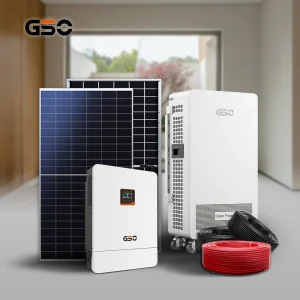
3. Comprehensive System Matching: A reliable manufacturer should supply complete systems, including matching inverter tech, high-cycle lithium-ion storage batteries, and racking hardware, to ensure seamless component integration.
Expert answers to common questions about engineering, procurement, and shipping for rooftop solar installations.
N-Type TOPCon (Tunnel Oxide Passivated Contact) modules feature a thin tunneling oxide layer that minimizes surface recombination. This design delivers higher conversion efficiency (over 22.5%), an improved bifaciality rate (up to 80-85%), and lower degradation rates compared to standard p-type PERC modules. This means TOPCon panels generate more power over their 30-year lifetime, improving the project's overall return on investment.
While BIPV (Building-Integrated Photovoltaics) tiles have a higher initial cost per watt than standard panels, they serve a dual purpose as both functional, weatherproof roofing and electricity generators. This eliminates the need for traditional tiles or shingles, reducing secondary construction materials and labor costs. Modern BIPV options, such as CdTe or monocrystalline tile systems, deliver high efficiency and durabilty while preserving the building's architectural aesthetic.
Sizing a hybrid solar system requires matching the peak load demands of the building with the inverter's continuous AC output capacity and the battery's depth of discharge. To ensure system reliability and long battery life, systems should use high-efficiency MPPT controllers and LiFePO4 (Lithium Iron Phosphate) battery banks. These components should be sized to handle daily energy consumption while maintaining a reserve capacity for backup power during outages.
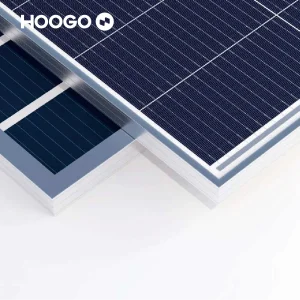
Every GAF Solar module undergoes rigorous testing before shipment, including mechanical load tests (withstanding wind loads up to 2400 Pa and snow loads up to 5400 Pa), PID resistance testing, and damp-heat thermal cycling. Dual-glass options provide added structural strength and moisture protection, ensuring reliable performance in harsh, humid, or windy climates.
Explore our specialized range of high-performance modules, flexible RV panels, and building-integrated PV tiles.
 GAF Solar