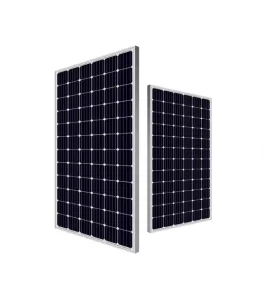
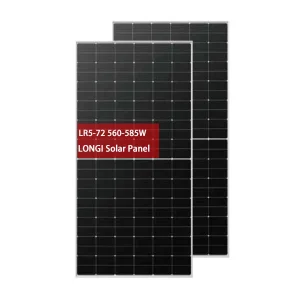
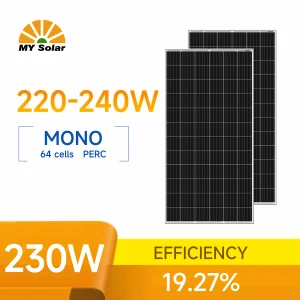
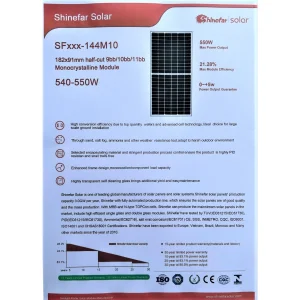
Ningbo GAF Solar Co., Ltd. is a professional Solar Panel Manufacturer | Monocrystalline, Bifacial & High Efficiency PV Modules dedicated to providing reliable solar energy solutions for residential, commercial, industrial, and utility-scale applications worldwide. With a strong commitment to renewable energy innovation, the company delivers advanced photovoltaic products designed to maximize energy generation, efficiency, and long-term performance.
Based in Ningbo, China, GAF Solar operates modern manufacturing facilities equipped with advanced production technologies, automated assembly lines, and comprehensive quality control systems. The company specializes in the development and production of monocrystalline solar panels, bifacial solar modules, high-efficiency photovoltaic panels, rooftop solar solutions, commercial solar systems, industrial solar installations, and customized PV energy projects.
Global Quality Commitment:
GAF Solar focuses on technological innovation and product reliability. By utilizing premium-grade solar cells, durable materials, and precision manufacturing processes, the company produces solar modules capable of delivering excellent power output, superior weather resistance, and long operational lifespans. Every product undergoes rigorous testing and quality inspections to ensure compliance with international standards and the demanding requirements of global energy markets.
In addition to manufacturing high-performance solar panels, GAF Solar offers comprehensive OEM and ODM services, supporting distributors, EPC contractors, solar developers, energy solution providers, and private-label brands. The company provides flexible customization options, professional technical support, and efficient project coordination from design and production to shipment and after-sales service.
Serving customers across North America, Europe, Southeast Asia, the Middle East, Africa, and Latin America, Ningbo GAF Solar Co., Ltd. has established a reputation for quality, reliability, and customer-focused service. Through continuous innovation and sustainable manufacturing practices, the company remains committed to accelerating the global transition toward clean, renewable energy and creating long-term value for partners around the world.
Peak Cell Efficiency
Exporting Countries
Annual Capacity
Performance Warranty
Historically considered the workhorse of the global photovoltaic revolution, polycrystalline (or multi-crystalline) silicon technology has undergone massive technological transformations. Traditional cast-silicon methodologies have evolved to incorporate advanced material treatments, including metal-catalyzed chemical etching (MCCE) for black silicon texturing and passivated emitter and rear cell (PERC) architectures adapted for multi-crystalline wafers.
By refining the ingot solidification and crystallization process, contemporary manufacturers minimize grain boundary defects and control light-induced degradation (LID) and light- and elevated temperature-induced degradation (LeTID). Innovations such as Multi-Busbar (MBB) layouts have further optimized the electrical transport paths within the cells, reducing ribbon shadow area and resistive losses. This technological resilience allows modern polycrystalline and hybrid modules to deliver cost-effective performance metrics while remaining robust under varying environmental stresses.
Optimized manufacturing paths result in a significantly reduced capital expenditure per watt, accelerating project ROI for large-scale utility operations.
Polycrystalline cells exhibit dispersed thermal characteristics, lowering the probability of severe hot-spot occurrences compared to single-crystal counterparts.
Exceptional performance under diffuse lighting environments and cloudy skies makes these modules highly efficient in mid-to-high latitude regions.
While monocrystalline silicon dominates premium residential spaces where roof footprint is severely constrained, polycrystalline technology remains the strategic choice for projects driven by strict economic viability and harsh ambient operational challenges. Understanding these localized use cases is vital for engineering procurement and construction (EPC) firms globally.
The global push towards carbon neutrality has transformed commercial and industrial (C&I) properties into virtual power plants. Multinational corporations are under intense pressure to decarbonize supply chains. The deployment of high-durability, export-ready solar systems has moved from a corporate social responsibility (CSR) initiative to a fundamental operational risk mitigation strategy against volatile fossil-fuel energy markets.
Furthermore, regional policies dictate stringent compliance with structural load constraints on C&I factory rooftops. Modern polycrystalline modules, engineered with lightweight aluminum frames and high-transmittance tempered glass, offer an ideal balance of structural safety, mechanical load-bearing capacity (up to 5400 Pa snow load and 2400 Pa wind load), and electrical yield consistency over multi-decade lifespans.
The geographic concentration of the solar manufacturing ecosystem in China provides unparalleled advantages in materials procurement, product iteration, and economies of scale. Based in the heart of this manufacturing hub, Ningbo GAF Solar Co., Ltd. capitalizes on this vertical integration to secure consistent, high-purity silicon wafers, advanced EVA/POE encapsulation materials, and high-durability backsheets.
Crucially, our location in Ningbo provides direct access to the Port of Ningbo-Zhoushan, one of the world's busiest container ports. This geographic asset translates directly into lower inland transit costs, minimized shipping lead times, and seamless custom clearance pathways. For global distributors and EPC contractors, this means highly predictable delivery schedules, reduced storage costs, and a highly resilient supply chain that can buffer geopolitical disruptions and shipping bottlenecks.
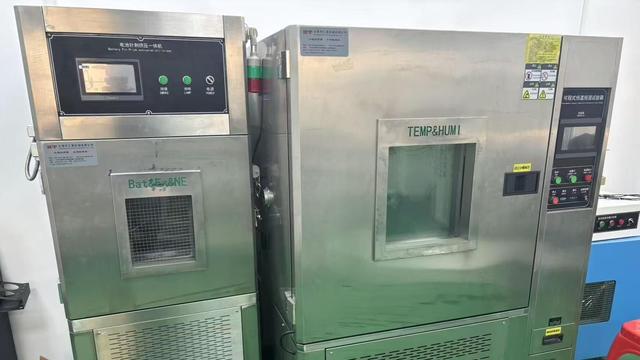
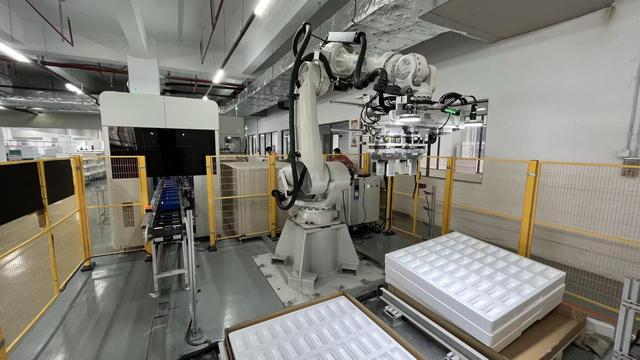
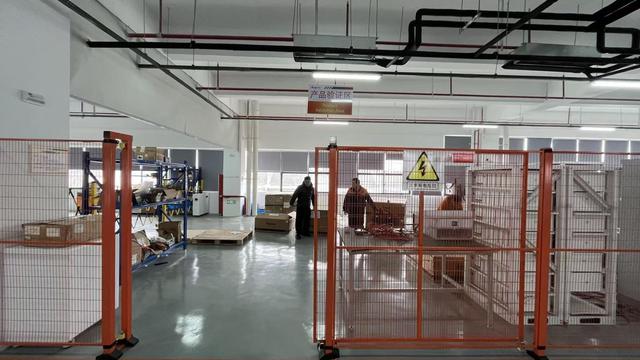
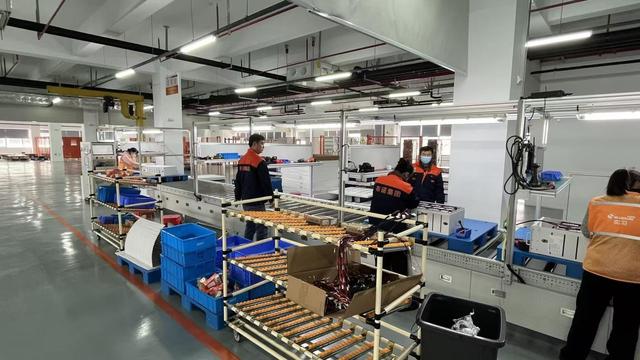
Our state-of-the-art production lines feature automatic cell sorting, high-precision stringer welding, automated EL testing, and strict quality control protocols at every stage.
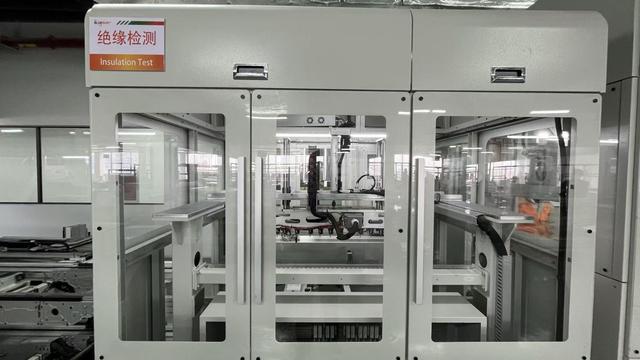
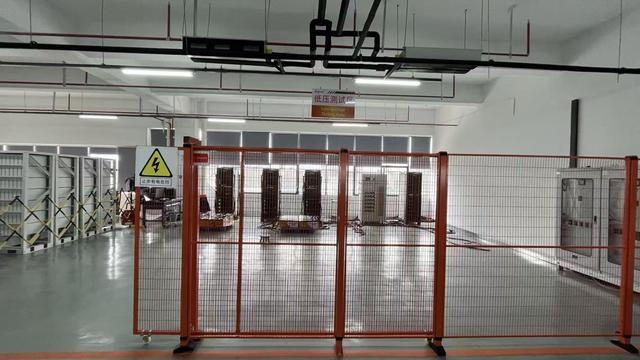
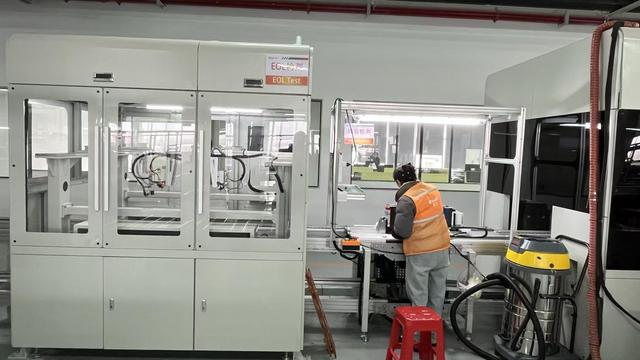
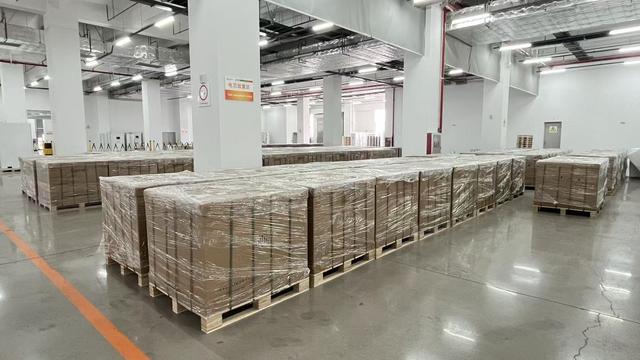
Conducting energy deployment operations across international borders requires a deeply analytical approach to regulatory frameworks and technical requirements. Ningbo GAF Solar Co., Ltd. ensures that every product batch conforms strictly to localized national grid code requirements and import regulations.
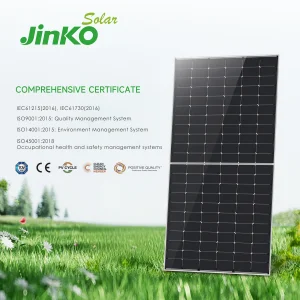
Our global compliance roadmap covers critical benchmarks including the IEC 61215 for design qualification and type approval, and IEC 61730 for module safety qualification. By maintaining certifications like CE, UL, and RoHS, we guarantee that our photovoltaic panels are ready for integration into the grid infrastructure of European, North American, and Latin American energy markets.
Furthermore, we establish dedicated channel support networks featuring local EPC partners, engineering teams, and warehouse hubs in target export regions. This guarantees rapid-response field troubleshooting, local warranty claims processing, and continuous technical support, reducing downtime and securing the bankability of your green energy assets.
 GAF Solar