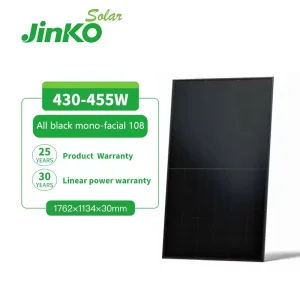
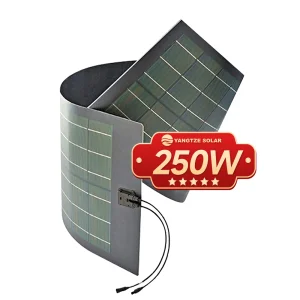
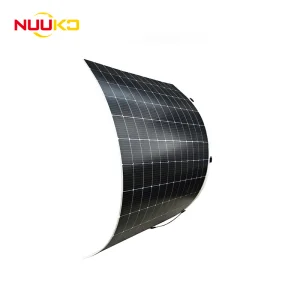
Explore our advanced line of high-efficiency photovoltaic modules and integrated smart energy storage systems engineered for optimal yield and performance.
The global energy paradigm is shifting from centralized fossil-based power generation to highly decentralized, decarbonized, and digitized smart energy networks. As the world aims for net-zero carbon targets, smart energy solutions have evolved from auxiliary green options into mainstream infrastructural requirements. China, standing at the center of the global PV supply chain, has evolved from a basic solar panel assembler into the ultimate hub for integrated smart energy architectures.
Manufacturers and suppliers in China are no longer merely exporting components; they are designing holistic ecosystems. These systems combine high-efficiency photovoltaic conversion, dynamic battery energy storage systems (BESS), smart energy management software (EMS), and microgrid command interfaces. Leading OEMs like Ningbo GAF Solar Co., Ltd. leverage state-of-the-art automation and advanced R&D to address global regulatory, technical, and performance benchmarks. The focus on N-Type TOPCon and Heterojunction (HJT) solar cells represents a technological leap forward, securing higher energy yields, superior bifaciality, and exceptional reliability in the most challenging climates.
Several critical technological and macroeconomic developments are shaping the present and future of smart energy solutions. Suppliers in China are aligning their engineering capabilities with these global trends to stay ahead of competitive curves:
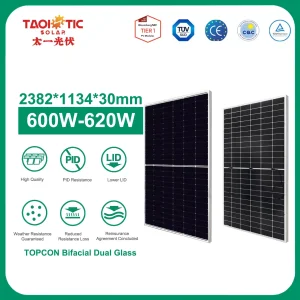
Transitioning away from P-type PERC, N-type Tunnel Oxide Passivated Contact (TOPCon) technology has achieved commercial parity. TOPCon delivers lower temperature coefficients (-0.30%/°C) and virtually zero Light-Induced Degradation (LID), driving a faster return on investment (ROI) for utility projects.
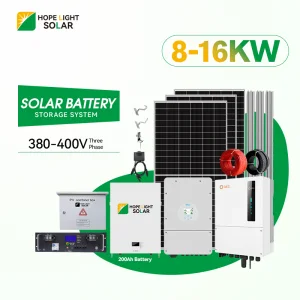
Intermittency issues require modern solar systems to be integrated with smart batteries. Smart energy configurations now incorporate AI-driven Energy Management Systems (EMS) to balance load demands, execute peak shaving, and optimize local energy storage.
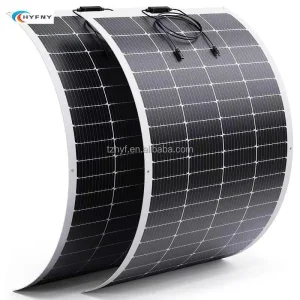
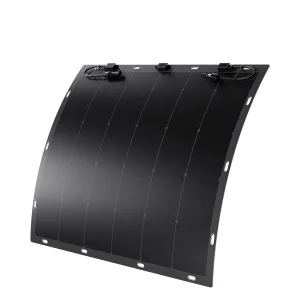
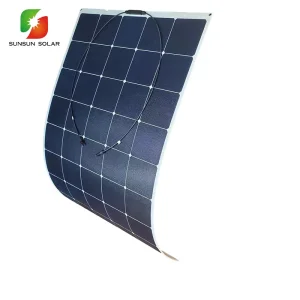
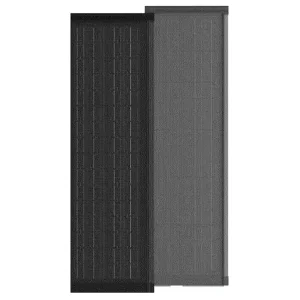
Building-Integrated Photovoltaics (BIPV) and lightweight, semi-flexible monocrystalline panels are converting building envelopes, balconies, and transport fleets (RVs, boats) into active generators without structural weight compromises.
To optimize Levelized Cost of Energy (LCOE) and enhance grid reliability, Chinese tier-1 suppliers deploy specialized macro configurations tailored for distinct operational environments:
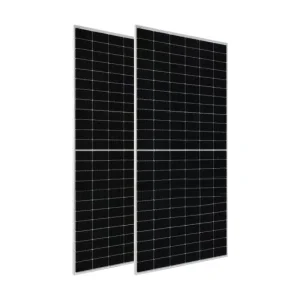
For industrial factories, agricultural facilities, and processing plants, solar energy must be highly consistent and resilient. Chinese smart manufacturers utilize high-power TOPCon bifacial modules (often exceeding 600W with efficiencies up to 23.0%) combined with central or string inverters to drive down Balance of System (BOS) costs. Integrating local grid switches, smart storage units, and zero-export controllers prevents grid penalties while shielding C&I users from high utility rates and unexpected power outages.
Homeowners demand sleek aesthetics, ease of installation, and robust safety protocols. Advanced BIPV solar roof tiles and lightweight monocrystalline balcony kits offer plug-and-play generation. These installations connect to all-in-one hybrid storage setups, which automatically swap power resources during outages, optimize self-consumption during peak utility windows, and communicate with household smart meters via cloud applications.
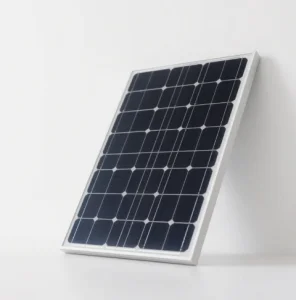
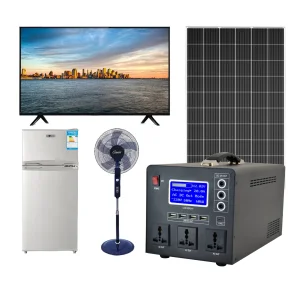
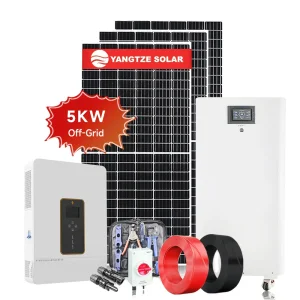
In remote sites, agricultural installations, and off-grid telecom hubs, reliability is vital. Integrated off-grid kit assemblies include high-durability monocrystalline panels, MPPT charge controllers, pure sine wave hybrid inverters, and battery enclosures. Certified with CE and TUV, these kits are pre-configured to withstand extreme weather, delivering uninterrupted energy in high-humidity or high-temperature environments.
Yachts, caravans, and recreational vehicles require lightweight, robust, and aerodynamically flush solar setups. Flexible monocrystalline modules constructed with advanced ETFE laminates deliver high resistance to salt corrosion, mechanical stresses, and temperature fluctuations, ensuring consistent power output in highly dynamic environments.
Ningbo GAF Solar Co., Ltd. is a professional Solar Panel Manufacturer | Monocrystalline, Bifacial & High Efficiency PV Modules dedicated to providing reliable solar energy solutions for residential, commercial, industrial, and utility-scale applications worldwide. With a strong commitment to renewable energy innovation, the company delivers advanced photovoltaic products designed to maximize energy generation, efficiency, and long-term performance.
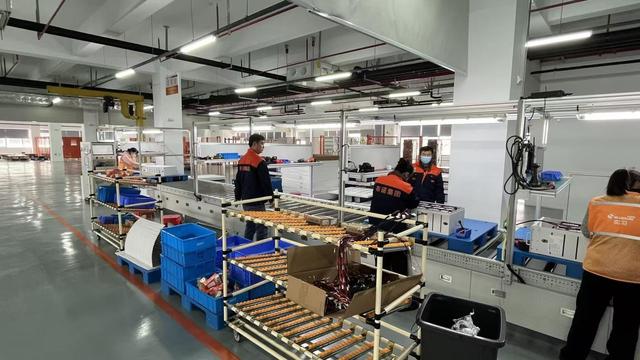
Based in Ningbo, China, GAF Solar operates modern manufacturing facilities equipped with advanced production technologies, automated assembly lines, and comprehensive quality control systems. The company specializes in the development and production of monocrystalline solar panels, bifacial solar modules, high-efficiency photovoltaic panels, rooftop solar solutions, commercial solar systems, industrial solar installations, and customized PV energy projects.
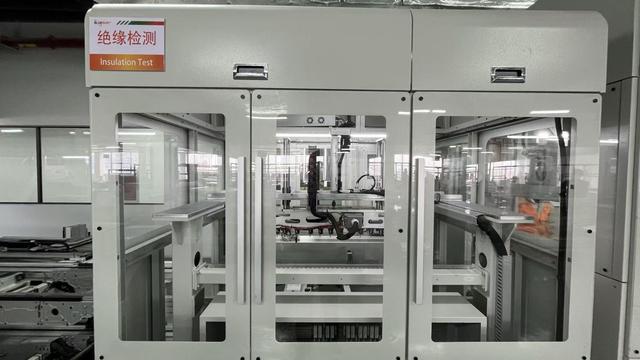
GAF Solar focuses on technological innovation and product reliability. By utilizing premium-grade solar cells, durable materials, and precision manufacturing processes, the company produces solar modules capable of delivering excellent power output, superior weather resistance, and long operational lifespans. Every product undergoes rigorous testing and quality inspections to ensure compliance with international standards and the demanding requirements of global energy markets.
In addition to manufacturing high-performance solar panels, GAF Solar offers comprehensive OEM and ODM services, supporting distributors, EPC contractors, solar developers, energy solution providers, and private-label brands. The company provides flexible customization options, professional technical support, and efficient project coordination from design and production to shipment and after-sales service.
Serving customers across North America, Europe, Southeast Asia, the Middle East, Africa, and Latin America, Ningbo GAF Solar Co., Ltd. has established a reputation for quality, reliability, and customer-focused service. Through continuous innovation and sustainable manufacturing practices, the company remains committed to accelerating the global transition toward clean, renewable energy and creating long-term value for partners around the world.
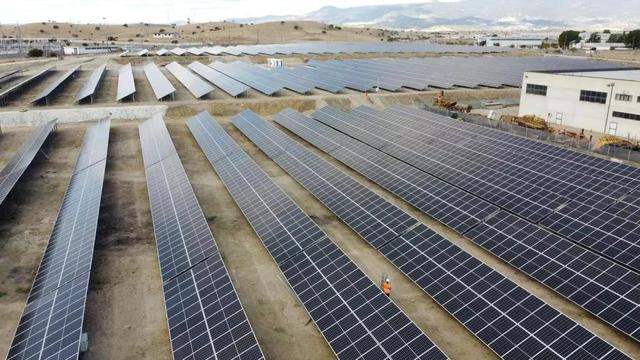
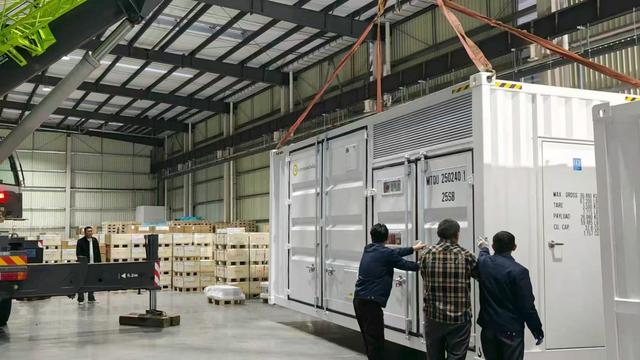
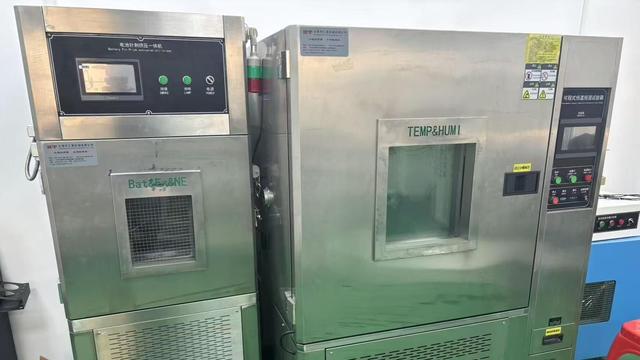
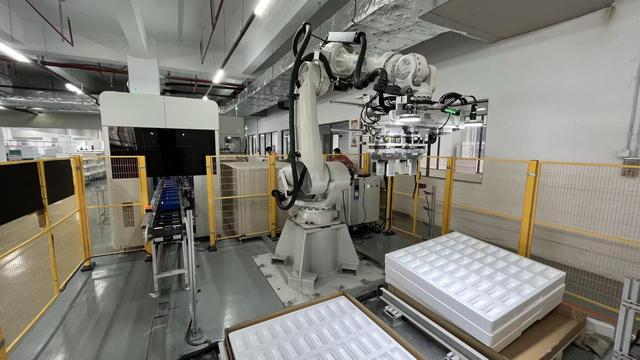
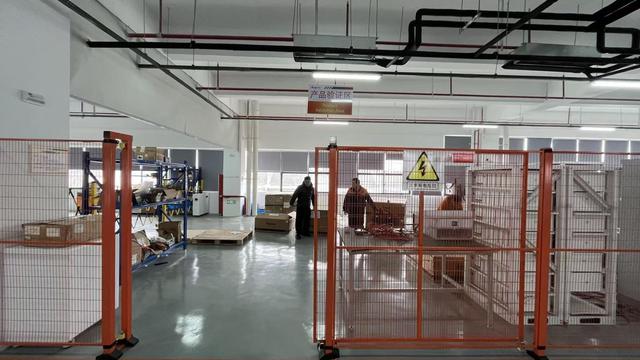
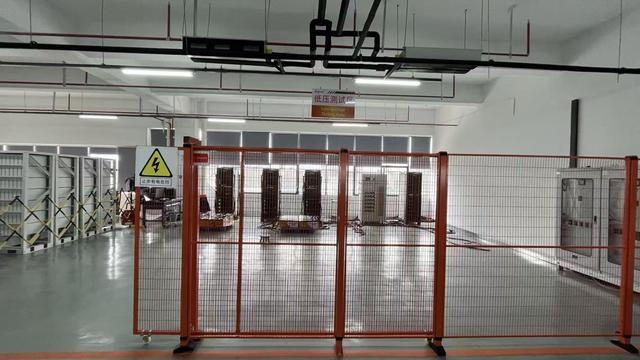
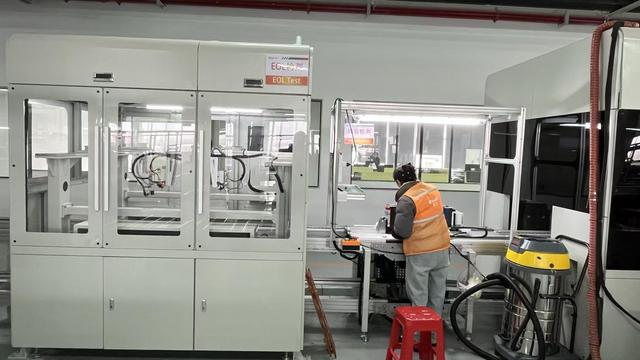
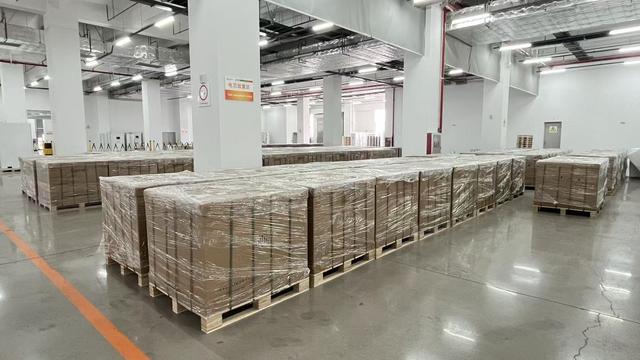
Below is an authentic look at GAF Solar's manufacturing infrastructure, quality control testing, and global logistics packaging. Each module undergoes double EL testing, flash testing, and mechanical load pressure assessments before dispatch.
Procuring solar modules and smart energy systems at scale requires careful planning. International buyers, EPC contractors, and project developers face complex regulatory and commercial challenges. Successful procurement strategies focus on several key pillars:
Global procurement requires strict compliance with international standards such as TUV Rheinland, CE, UL, and IEC 61215 / 61730. Buyers require clear tracking of raw materials—especially polysilicon and wafer supply chains—to comply with customs regulations in North America and Europe.
Every market presents unique structural and environmental challenges. Sourcing partners require customizable frame thicknesses, custom connector types (MC4 compatible), varied junction box layouts, and specialized dimensions to match specific building envelopes or localized residential grid needs.
Procuring modules with high conversion efficiencies (22%+), superior temperature coefficients, and high bifaciality rates directly lowers the Levelized Cost of Energy. High-efficiency modules also reduce racking, wiring, and labor costs, optimizing overall Balance of System (BOS) expenses.
The solar industry is progressing along a clear technological roadmap. Suppliers are investing in next-generation designs to ensure long-term energy performance and structural flexibility:
Stacking perovskite cells onto monocrystalline silicon structures allows modules to bypass the theoretical limit of silicon efficiency. Commercial modules are projected to exceed 26-28% conversion efficiency over the next five years.
Future solar systems will feature integrated microinverters and monitoring chips at the panel level. This allows AI-driven software to detect anomalies, clear dirt accumulations, and re-route power around shaded modules automatically.
With recycling regulations tightening, manufacturers are developing lead-free solar modules and bio-degradable backsheets. This shift supports circular economy initiatives and matches corporate ESG policies.
Understanding technical specifications and quality standards is critical when sourcing wholesale smart energy products. Here are key insights to help guide your purchasing decisions:
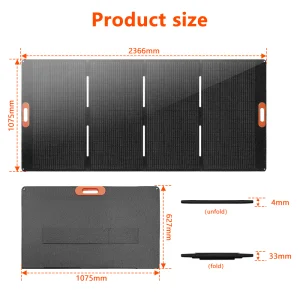
Discover our specialty offerings, including rollable balcony solar solutions, building-integrated architectural modules, and flexible marine kits.
 GAF Solar