GAF Solar
1 / 5
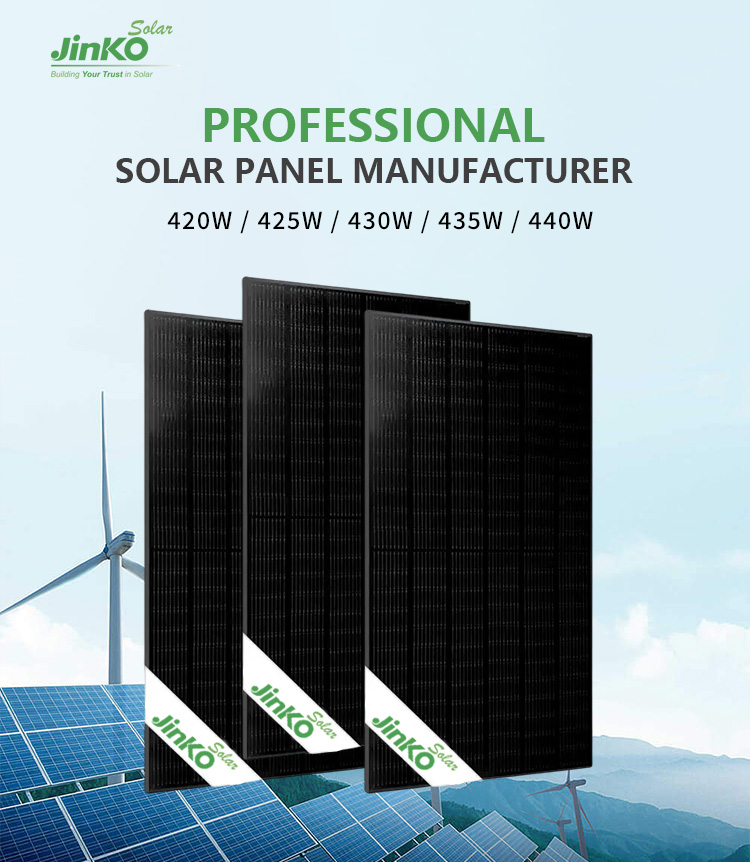
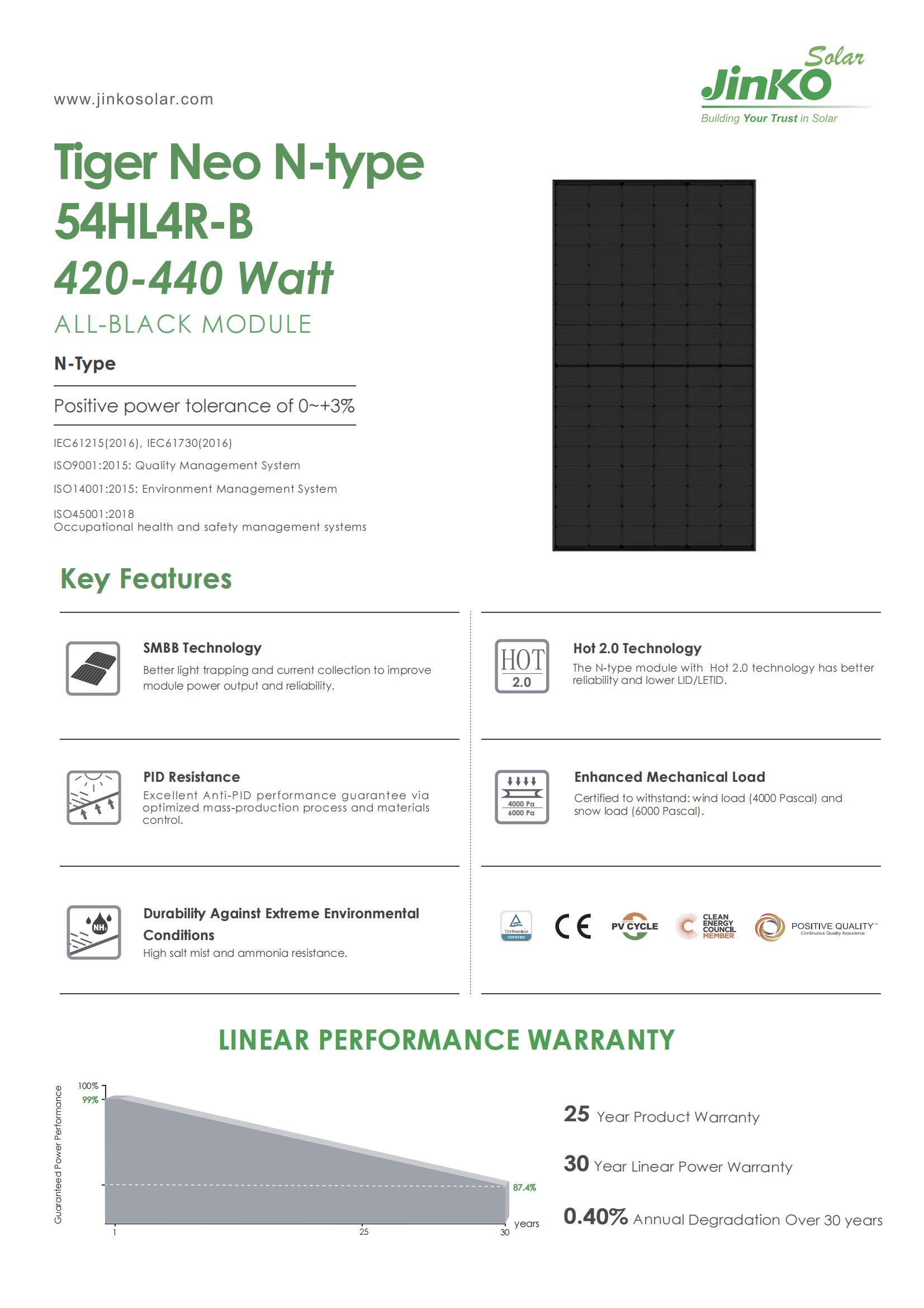
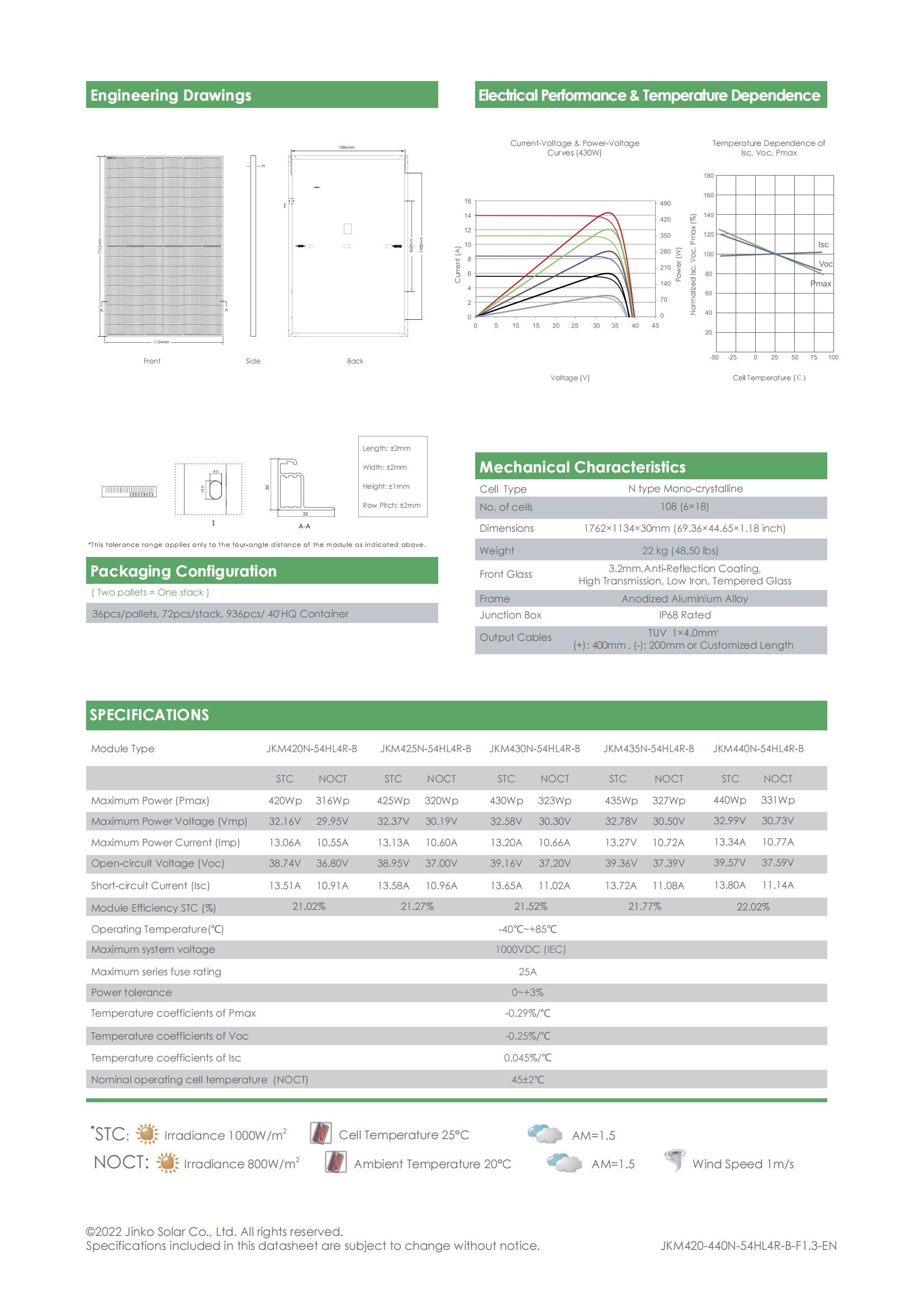
| Module Type | JKM420N-54HL4R | JKM425N-54HL4R | JKM430N-54HL4R | JKM435N-54HL4R | JKM440N-54HL4R |
| Maximum Power (Pmax) | 420Wp | 425Wp | 430Wp | 435Wp | 440Wp |
| Maximum Power Voltage (Vmp) | 32.16V | 32.37V | 32.58V | 32.78V | 32.99V |
| Maximum Power Current (Imp) | 13.06 A | 13.13 A | 13.20 A | 13.27 A | 13.34 A |
| Open-circuit Voltage (Voc) | 38.74V | 38.95V | 39.16V | 39.36V | 39.57V |
| Short-circuit Current (Isc) | 13.51A | 13.58A | 13.65A | 13.72A | 13.80A |
| Module Efficiency STC (%) | 21.02% | 21.27% | 21.52% | 21.77% | 22.02% |
| Operating Temperature (°C) | -40°C ~ +85°C | ||||
| Maximum System Voltage | 1000VDC (IEC) | ||||
| Maximum Series Fuse Rating | 25A | ||||
| Power Tolerance | 0~+3% | ||||
| Temperature Coefficients of Pmax | -0.30% / °C | ||||
| Temperature Coefficients of Voc | -0.25% / °C | ||||
| Temperature Coefficients of Isc | 0.046% / °C | ||||
| Nominal Operating Cell Temperature (NOCT) | 45±2°C | ||||
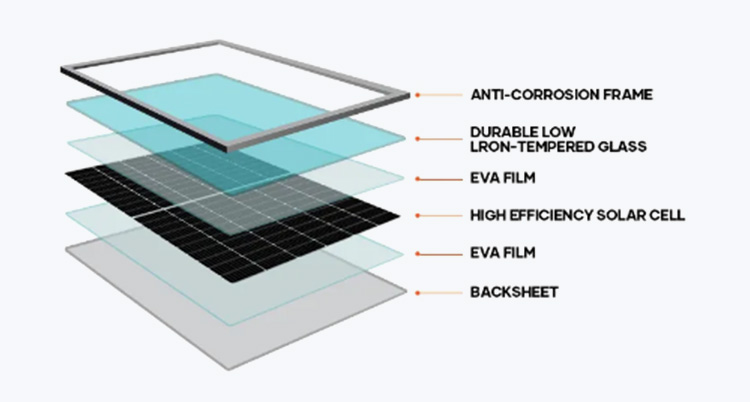
Under the same shadow condition, power loss of half-cell solar panel is less than that of full cell solar panel.
MBB technology improves efficiency of modules, offers a better aesthetic appearance.
The PERC cell has a passivated rear side and a laser grooving process, which significantly improves the cell efficiency.
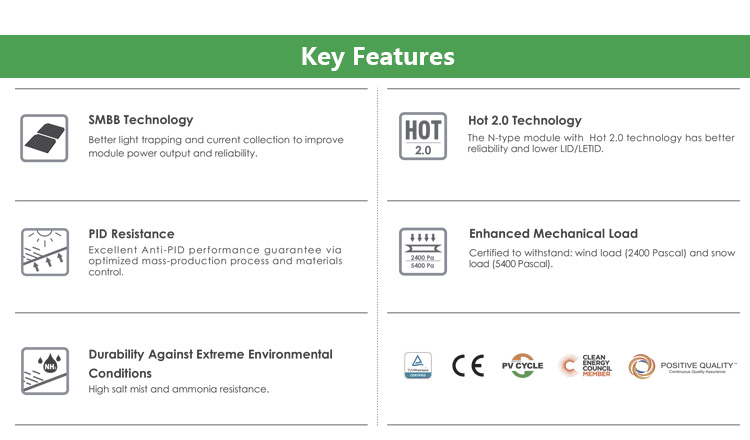
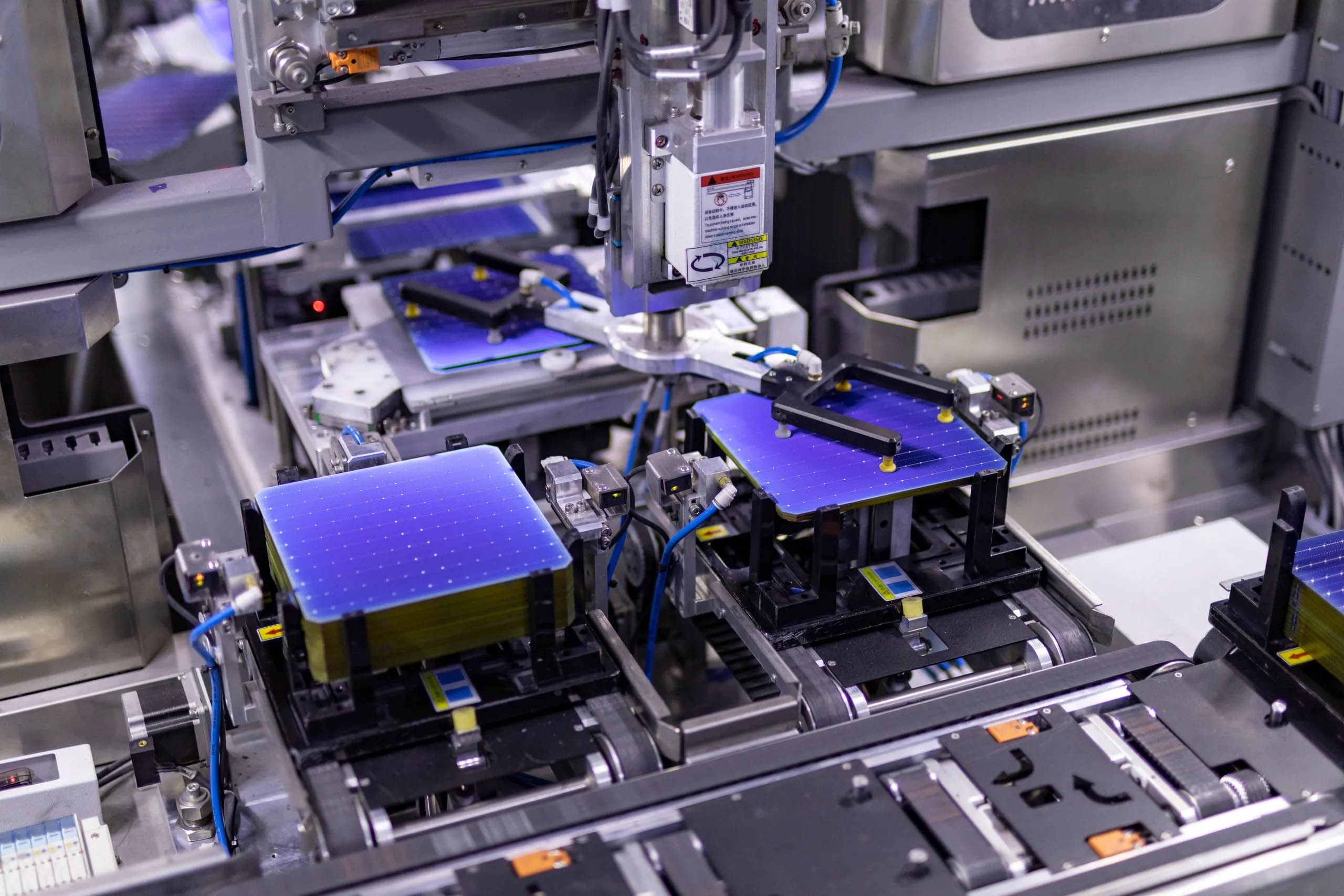
Ensure Color and Power Difference. Ensure high yields, consistent performance and durability.

Before and Following Lamination. Ensure "Zero" micro crack monitoring before final Inspection, Continuous line monitoring and video/photo record for each cell and panel.
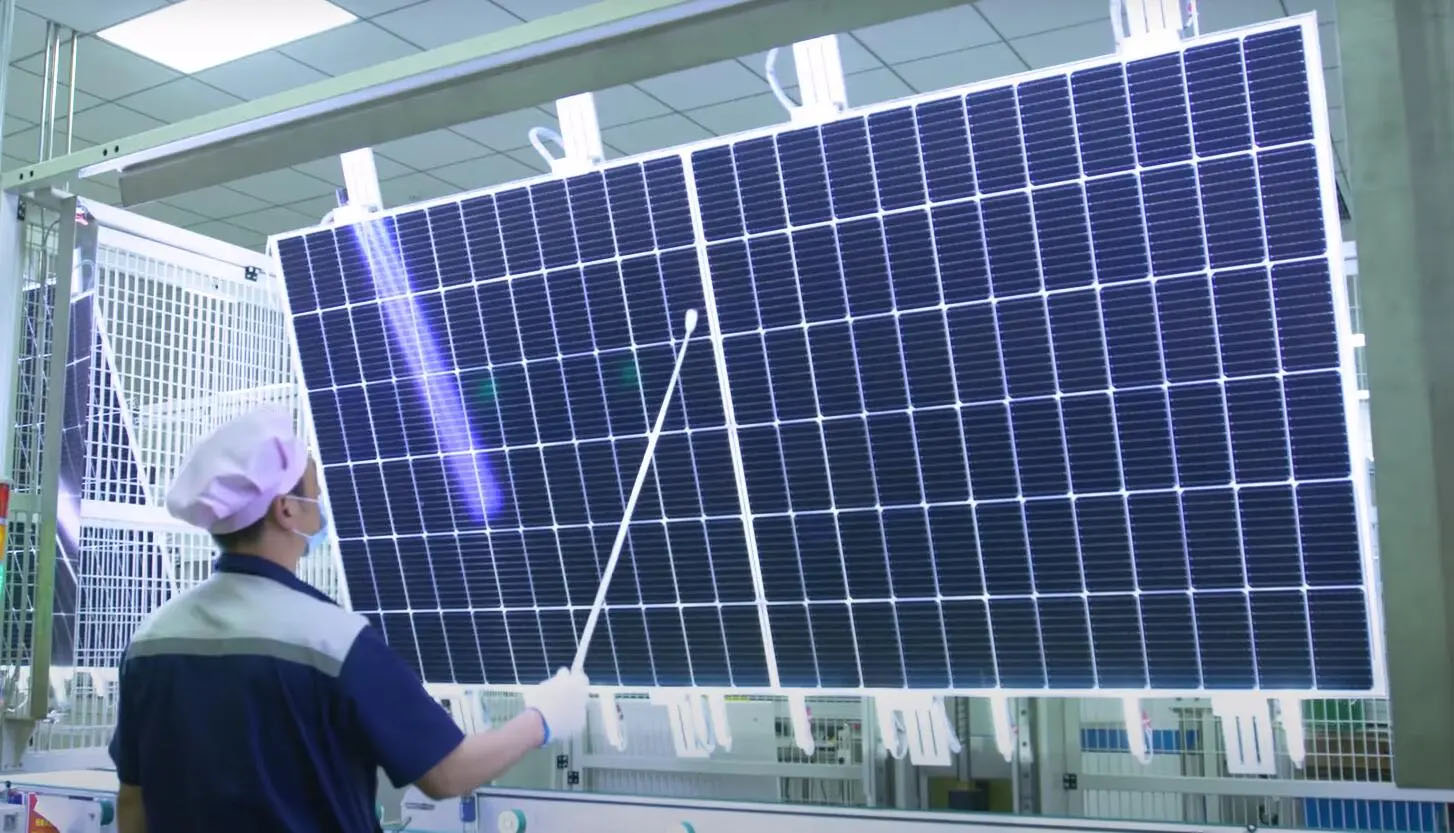
Before and After Lamination. Most stringent acceptance criteria and tightest tolerance, Intelligent alarm and stop mechanism in case of any deviation or errors.
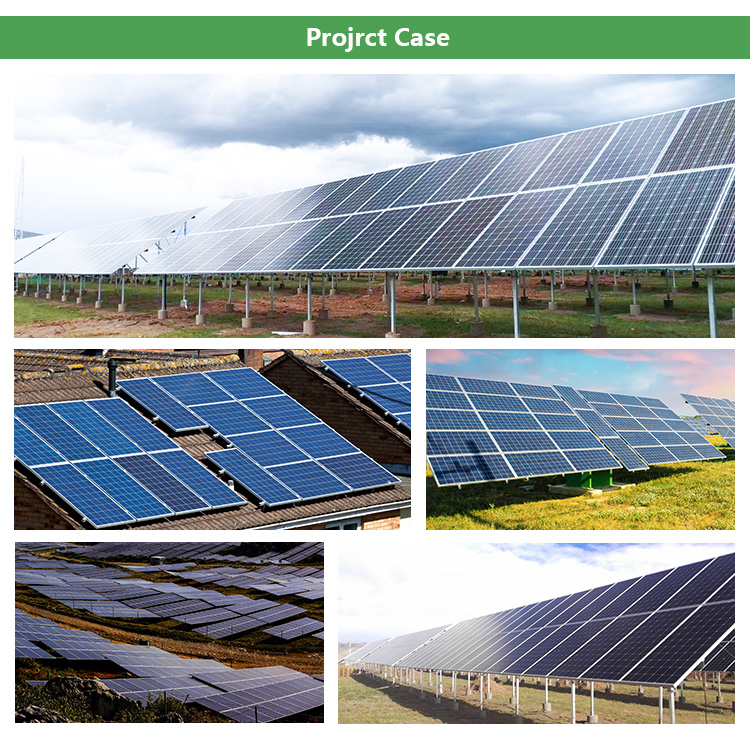
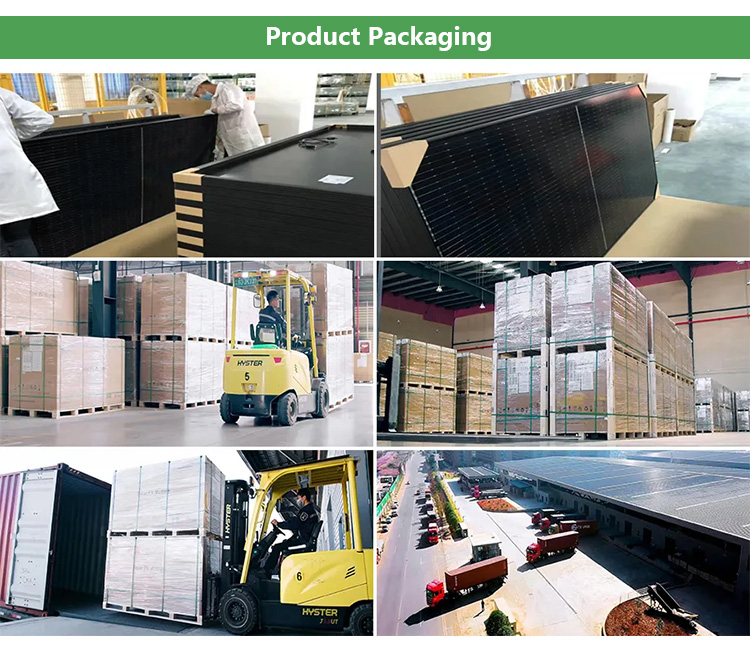
Half-cut cell technology minimizes the power losses caused by shading and internal resistance. By splitting the cell into two, the operating current is halved, which results in better overall performance under low-light or partially shaded environments.
Multi Busbar (MBB) technology shortens the distance that the current has to travel, significantly reducing ribbon resistance losses. It enhances the reliability and efficiency of solar panels, while providing a sleeker, more aesthetic uniform appearance.
PERC (Passivated Emitter and Rear Cell) technology adds a passivation layer to the rear of the solar cell. This layer helps reflect light back through the cell for a second absorption pass, maximizing light capture and boosting conversion efficiency.
Electroluminescence (EL) testing is conducted both before and after the lamination stage. This behaves like an X-ray scan, detecting micro-cracks, electrical mismatches, or internal cell damage that cannot be seen with the naked eye.
According to standard test conditions (STC), the module efficiencies range from 21.02% for the JKM420N-54HL4R model up to 22.02% for the high-end JKM440N-54HL4R model.
Cells are sorted 100% by color, physical parameters, and power differences to guarantee color uniformity across the panel and ensure high energy yield, consistent performance, and long-term product durability.