Explore our flagship solar power generation equipment, customized to deliver maximum LCOE savings and robust weather resistance.
Synthesizing Chinese Manufacturing Strength with Western Quality Standards to Empower Localized Grid Parity.
Ningbo GAF Solar Co., Ltd. is a professional Solar Panel Manufacturer | Monocrystalline, Bifacial & High Efficiency PV Modules dedicated to providing reliable solar energy solutions for residential, commercial, industrial, and utility-scale applications worldwide. With a strong commitment to renewable energy innovation, the company delivers advanced photovoltaic products designed to maximize energy generation, efficiency, and long-term performance.
Based in Ningbo, China, GAF Solar operates modern manufacturing facilities equipped with advanced production technologies, automated assembly lines, and comprehensive quality control systems. The company specializes in the development and production of monocrystalline solar panels, bifacial solar modules, high-efficiency photovoltaic panels, rooftop solar solutions, commercial solar systems, industrial solar installations, and customized PV energy projects.
“By combining Tier 1 wafer technology, rigorous raw material selection, and state-of-the-art lamination, GAF Solar modules consistently rank at the top tier of international engineering audits. We do not just build panels; we secure your 30-year operational yields.”
GAF Solar focuses on technological innovation and product reliability. By utilizing premium-grade solar cells, durable materials, and precision manufacturing processes, the company produces solar modules capable of delivering excellent power output, superior weather resistance, and long operational lifespans. Every product undergoes rigorous testing and quality inspections to ensure compliance with international standards and the demanding requirements of global energy markets.
In addition to manufacturing high-performance solar panels, GAF Solar offers comprehensive OEM and ODM services, supporting distributors, EPC contractors, solar developers, energy solution providers, and private-label brands. The company provides flexible customization options, professional technical support, and efficient project coordination from design and production to shipment and after-sales service.
Serving customers across North America, Europe, Southeast Asia, the Middle East, Africa, and Latin America, Ningbo GAF Solar Co., Ltd. has established a reputation for quality, reliability, and customer-focused service. Through continuous innovation and sustainable manufacturing practices, the company remains committed to accelerating the global transition toward clean, renewable energy and creating long-term value for partners around the world.
Analyzing the paradigm shift from p-type PERC to n-type architectures and tandem architectures to break traditional efficiency limitations.
The global PV landscape is experiencing an unprecedented structural transition. The traditional p-type PERC (Passivated Emitter and Rear Cell) technology, which dominated the utility and commercial segments for a decade, has reached its theoretical efficiency ceiling of approximately 24.5%. GAF Solar's engineering division has aggressively shifted R&D towards N-type Tunnel Oxide Passivated Contact (TOPCon) and Heterojunction Technology (HJT) structures, setting the stage for future integration with Perovskite Tandem Solar Cells.
By employing an ultra-thin silicon oxide tunnel layer combined with highly doped polycrystalline silicon, TOPCon minimizes surface recombination velocity and maximizes VOC (Open Circuit Voltage) beyond 730mV. This guarantees superior low-light performance and a temperature coefficient of -0.30%/°C.
HJT cell layers alternate monocrystalline silicon with ultra-thin amorphous silicon passivation layers. This symmetrical cell structure minimizes mechanical stresses during thermal cycling, producing a bifaciality factor of over 85% and virtually eliminating Light Induced Degradation (LID).
Our long-term R&D aligns with stacking wide-bandgap perovskite materials directly on low-bandgap silicon bottom cells. This tandem configuration targets an commercialized module efficiency of over 30%, drastically shrinking balance of system (BOS) footprints.
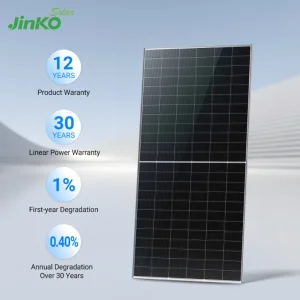
Standard P-type modules degrade rapidly in their first year of operation due to boron-oxygen defects (LID). GAF Solar's N-type monocrystalline substrates utilize phosphorus doping, which completely neutralizes these defects. Our linear power performance guarantees a maximum degradation rate of 0.4% per annum from year 2 through year 30. This ensures that assets retain higher residual generation capacity, safeguarding developer IRR (Internal Rate of Return) and facilitating easier long-term project refinancing.
Developing engineered infrastructure designs that convert raw solar generation into grid-compliant power assets.
Photovoltaic installations must adapt to diverse, challenging geographical conditions. GAF Solar does not merely export PV hardware; we engineer comprehensive, macro-level application frameworks that address the structural and electrical challenges of utility-scale farms, commercial roofs, BIPV, and localized off-grid systems.
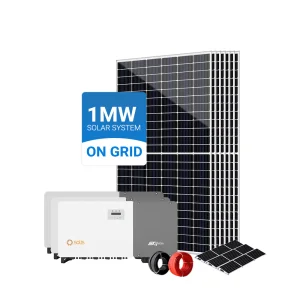
For installations spanning multi-megawatt configurations, the principal design objective is the minimization of Levelized Cost of Energy (LCOE). GAF Solar's 1MW utility-scale packages utilize N-type Topcon bifacial modules coupled with smart horizontal single-axis trackers. By implementing tracking algorithms that adjust panel tilt angles based on real-time albedo (ground reflectance) data, system designers can capture up to 25% additional yield from the rear side of the double-glass modules.
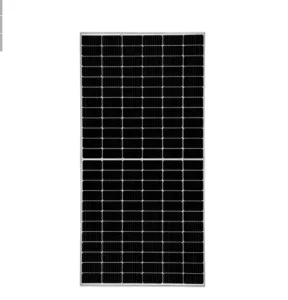
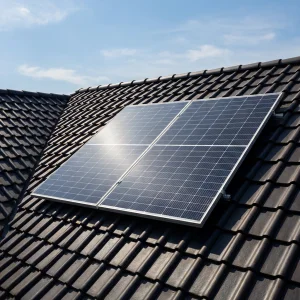
Commercial and industrial facility roofs present structural load constraints and complex shading profiles. GAF Solar supplies high-efficiency half-cell monocrystalline panels that limit overall weight while offering superior bypass diode configurations. If partial shading occurs from HVAC systems or parapet walls, our half-cut cell arrangement ensures that the lower or upper portion of the panel continues to operate at peak current, protecting the entire string from hotspots and thermal damage.
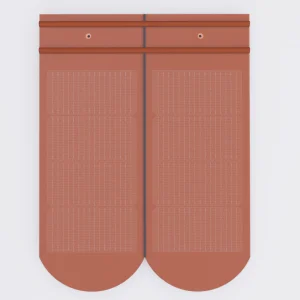
Modern architectural codes demand active green envelopes. Our BIPV solar roof tiles combine durable construction materials with high-transmittance monocrystalline cells, directly replacing standard slate tiles. In the agricultural sector, GAF Solar designs Agri-PV arrays with elevated mounting systems (typically 2.5m clearance) and optimized pitch. This allows heavy farm machinery to operate beneath the arrays while ensuring the crops receive adequate photosynthetically active radiation (PAR) alongside protective shading.
A tour of GAF Solar's state-of-the-art Ningbo production facility, optimizing every step from ingot slicing to automated packaging.
Located in the industrial hub of Ningbo, China, GAF Solar's Factory 4.0 facilities utilize artificial intelligence, machine learning, and automated material handling systems to establish a baseline of near-zero manufacturing defects. Through vertical integration of cell cutting, ribbon soldering, lamination, and automated framing, we maintain total control over both quality and product cost structures.
Our manufacturing floor integrates advanced Electroluminescence (EL) testing protocols, capturing micro-cracks, dark spots, and gridline defects invisible to the naked eye. Each module undergoes a double EL inspection—once before lamination and once immediately before final flash testing. This guarantees that no structurally compromised module ever leaves our shipping bays.
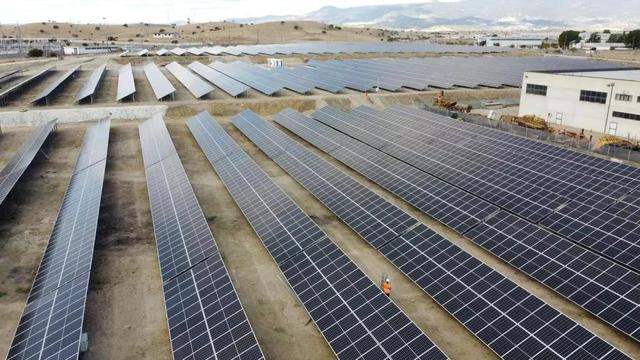
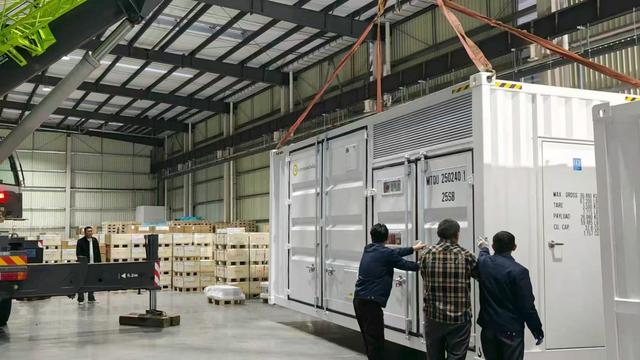
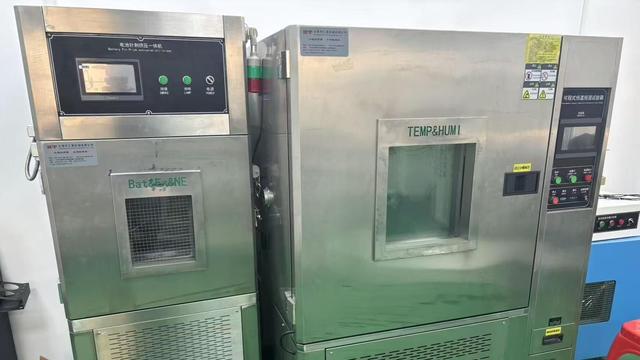
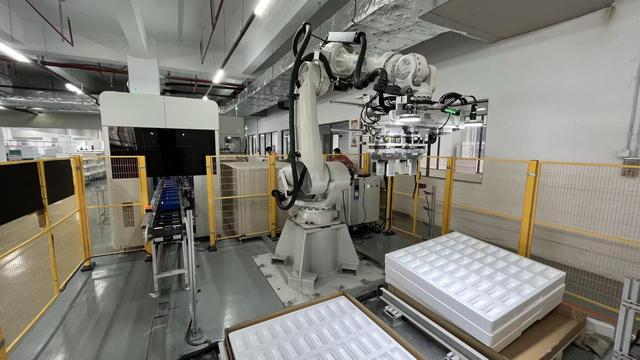
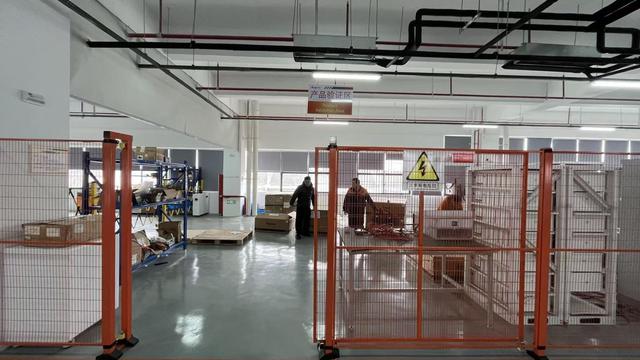
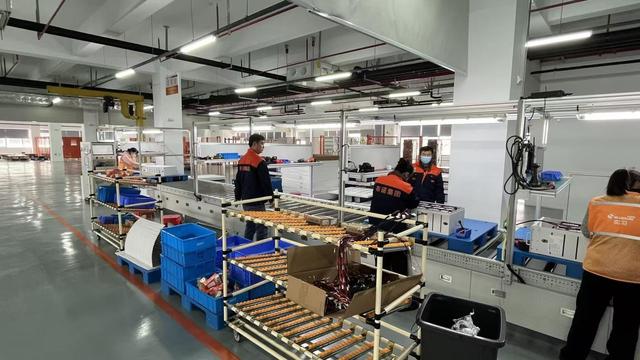
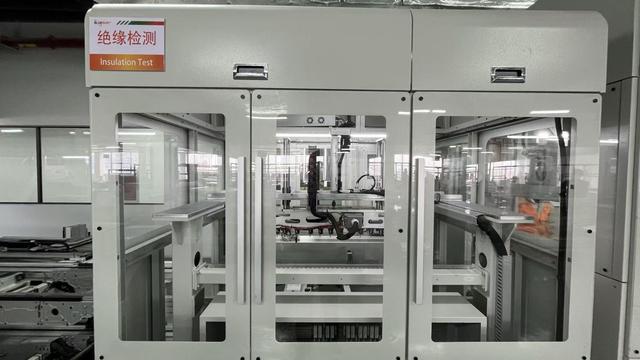
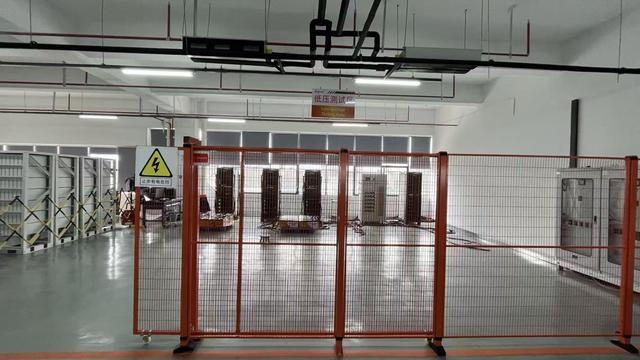
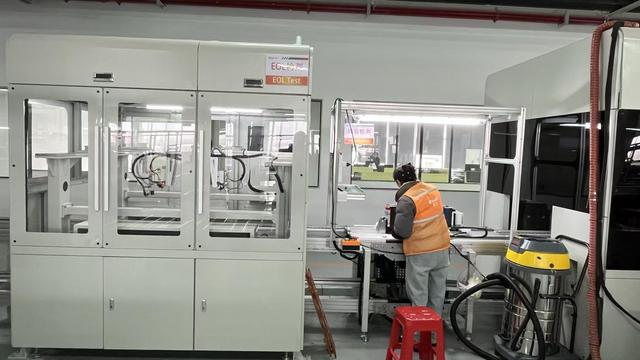
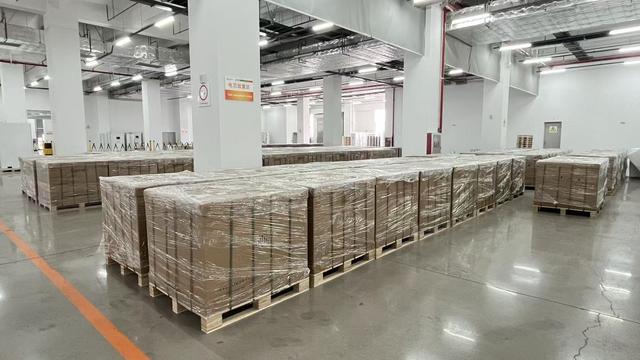
Supply chain reliability is heavily dependent on port proximity. Our factory is located less than 50 kilometers from the Port of Ningbo-Zhoushan, the world's busiest port by cargo tonnage. This proximity reduces inland transportation times to under 2 hours, minimizing transit vibration and associated micro-crack risks. Furthermore, it allows GAF Solar to secure consistent shipping container allocations, lock in lower ocean freight rates, and provide predictable shipping schedules to Europe, the Americas, and the Asia-Pacific region.
How procurement managers, EPC contractors, and project developers assess tier-ranking, quality verification, and legal frameworks.
Solar procurement managers operate in an environment of high volatility—fluctuating polysilicon prices, shifting trade tariffs, and grid interconnection backlogs. To satisfy developer requirements, a module supplier must deliver more than just high-performance cells; they must offer financial transparency, bankability, and comprehensive quality assurance.
Financial institutions require independent validation before releasing project debt. GAF Solar modules undergo evaluation by accredited bodies such as TUV Rheinland and TUV SUD. Our bills of materials (BOM) are fully traceable, sourcing polysilicon, EVA/POE encapsulants, and backsheets from tier-1 raw material suppliers. This traceability ensures that projects utilizing GAF Solar products can secure non-recourse debt financing from global financial institutions.
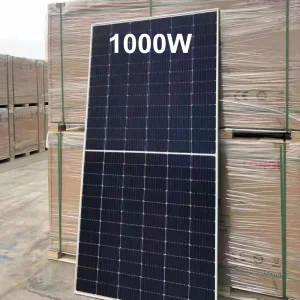
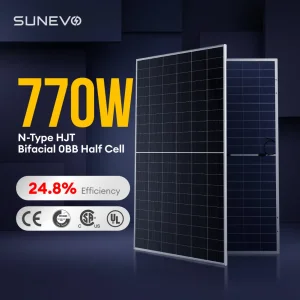
As labor and steel costs rise, reducing BOS costs is essential for maintaining project profitability. By implementing ultra-high wattage modules (such as our 770W and 1000W PV models), developers can significantly reduce system footprints. High-output modules mean fewer piles to drive, fewer trackers to install, less cabling, and reduced inverter connection points. Ultimately, this leads to a reduction of up to 12% in site installation labor costs and up to 8% in mechanical hardware costs.
Navigating grid codes, national certifications, and trade compliance for seamless regional integration.
A solar module is only as good as its ability to legally connect to the grid. GAF Solar maintains a dedicated regulatory affairs division to monitor, adapt to, and obtain regional certifications in key markets. We ensure that our export shipments comply with local grid standards and import policies.
To assist our international buyers in navigating complex trade regulations, GAF Solar offers customized OEM/ODM frameworks and handles import documentation. We work closely with major logistics providers to offer DDP, CIF, and FOB terms, ensuring import compliance and helping to minimize duty exposures at the port of entry.
Detailed engineering answers to address the primary concerns of EPC contractors, procurement directors, and project developers.
Our N-type TOPCon monocrystalline cells feature a temperature coefficient of -0.30%/°C. Unlike standard P-type modules that experience power degradation under high ambient temperatures, our TOPCon architecture maintains higher VOC and fill factors in warm climates. This makes them ideal for arid regions, desert solar parks, and rooftop arrays with minimal ventilation.
We utilize Polyolefin Elastomer (POE) encapsulants for all of our double-glass and bifacial modules. POE provides superior water vapor resistance and chemical stability compared to standard Ethylene Vinyl Acetate (EVA). This protection is crucial for preventing Potential Induced Degradation (PID) and moisture ingress in high-humidity applications like agricultural installations and floating solar arrays.
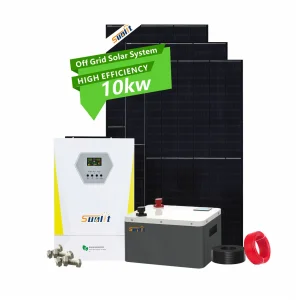
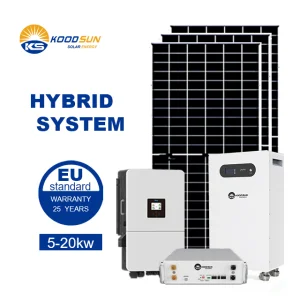
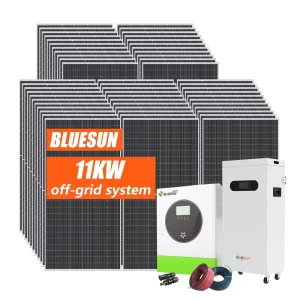
Yes. GAF Solar off-grid and hybrid energy kits are designed to be highly compatible. Our packages utilize tier-1 hybrid inverters (including Deye and other leading brands) that feature customizable communication protocols (CAN/RS485). This allows them to interface with various Grade-A cell Lithium Iron Phosphate (LFP) battery storage systems.
Half-cut cell design divides the traditional solar cell in half, reducing the internal electrical current (I) by 50%. Since power loss is proportional to the square of the current (P = I²R), this design reduces internal resistive losses by 75%. Additionally, it splits the module into independent upper and lower circuits, helping to mitigate the impact of partial shading.
We maintain a secure, audited supply chain registry. Every batch of silicon ingots, wafers, cells, and glass used in our products is documented with a unique serial number. This enables us to provide traceability reports that verify our compliance with global trade regulations and environmental standards.
From flexible light-weight modules to heavy-duty industrial systems, find the right specifications for your energy infrastructure.
 GAF Solar