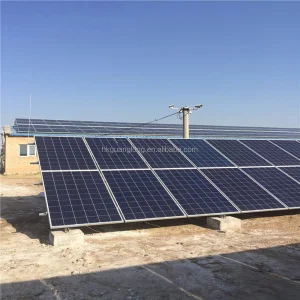
Pioneering customizable solar technology, backup battery systems, and portable energy solutions engineered for international structural requirements.
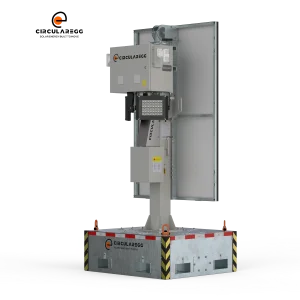
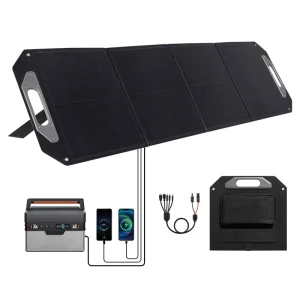
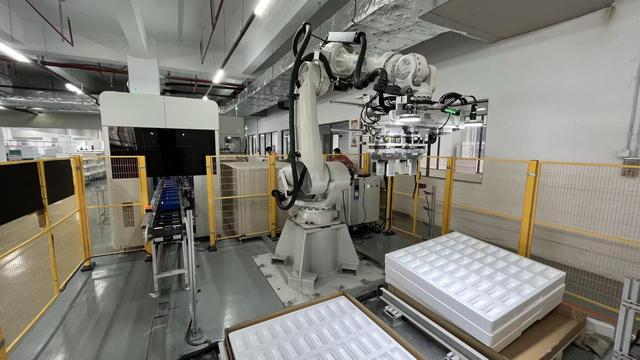
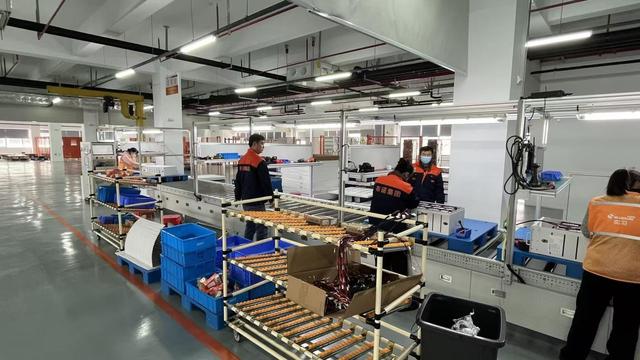
Ningbo GAF Solar Co., Ltd. is an industry-recognized global Solar Panel Manufacturer and Tier-1 Supplier, specialized in Monocrystalline, Bifacial, and High Efficiency PV Modules. With modern, highly automated clean-room manufacturing facilities headquartered in Ningbo, China, we operate advanced assembly lines that integrate smart AI-driven diagnostics for solar cell inspection, laminating, and performance sorting.
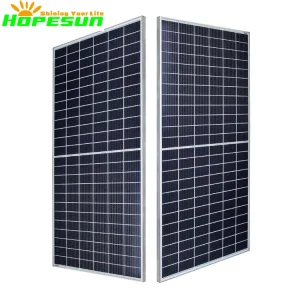
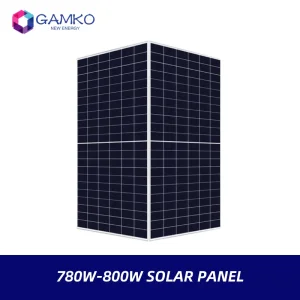
We deliver highly optimized photovoltaic systems custom-engineered to meet the evolving demands of residential developers, commercial engineering procurement construction (EPC) firms, and industrial-scale utilities. Our OEM/ODM flexibility allows bespoke modifications of cell dimensions, junction boxes, power levels, frame finishes, and specialized encapsulation configurations (such as Glass-Glass and Polymer-Polymer), guaranteeing absolute mechanical stability and elevated power densities.
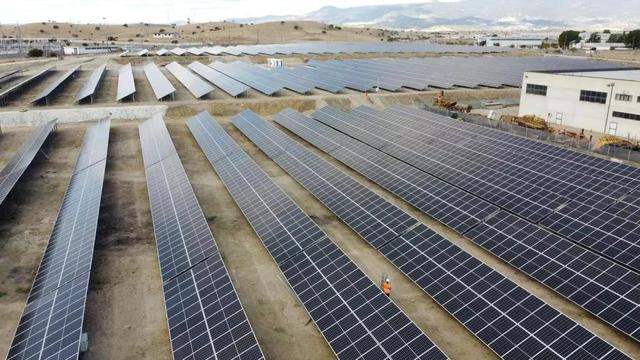
Our research and development lines prioritize higher electrical outputs, thermal performance, and low albedo degradation.
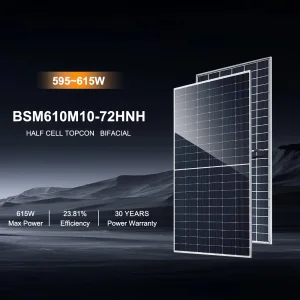
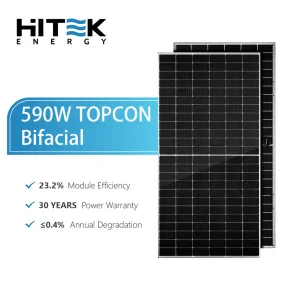
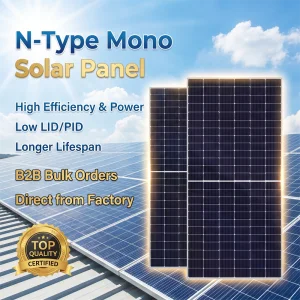
Tunnel Oxide Passivated Contact (TOPCon) technology leverages an ultra-thin silicon oxide layer in combination with heavily doped polycrystalline silicon. This design dramatically minimizes minority carrier recombination, pushing commercial cell efficiency profiles over 25.5%.
By combining crystalline silicon with ultra-thin amorphous silicon passivation layers, HJT achieves superior temperature coefficient profiles (-0.26%/°C). Ideal for high-temperature desert environments and industrial roofs where active cooling is unavailable.
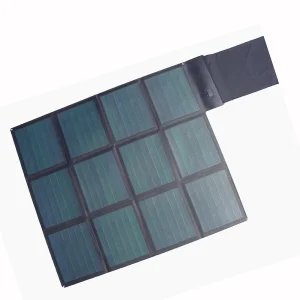
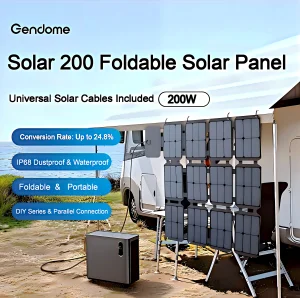
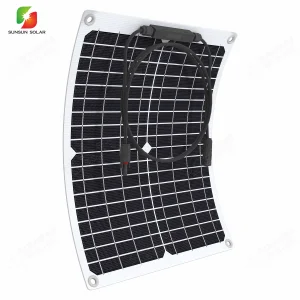
Utilizing copper indium gallium selenide (CIGS) or specialized monocrystalline backsheets (e.g., Miasole designs), we supply flexible PV modules that bond directly to metal panels or low-load roofs, avoiding structural penetration.
Direct industrial parameters representing our technological leadership and product reliability.
Strategic overview on how OEM manufacturers resolve high-stress environmental challenges across global installations.
Commercial facilities present complex challenges, including irregular structural load limits, high mechanical stress from wind loads, and obstruction layout limitations (HVAC units, access walkways). OEM monocrystalline modules utilize half-cut multi-busbar (MBB) structures to mitigate shading losses. Additionally, bifacial module integrations on reflective cool-roof coatings (TPO/EPDM membranes) capture rear-side albedo reflections, resulting in generation gains ranging between 5% and 25%.
Old manufacturing warehouses are frequently structurally restricted, unable to bear the heavy weight of conventional 3.2mm dual-glass solar modules. The integration of polymer-encapsulated ETFE flexible monocrystalline modules provides an ideal solution. At only 20-30% of the weight of standard modules, these thin-film arrays bypass mounting racks, adhering directly to industrial metal roof profiling, protecting warranty rights against structural leakage.
| Cell Technology Option | Structural Load Rating | Maximum Conversion Efficiency | Primary Commercial Use Cases |
|---|---|---|---|
| N-Type TOPCon Double-Glass | Heavy Load (>15 kg/m²) | 22.6% - 23.2% | Modern C&I, ground mounts, high-albedo roofs |
| Bifacial PERC Half-Cut | Medium Load (>12 kg/m²) | 21.8% - 22.4% | Flat-roof logistics hubs, commercial offices |
| Flexible ETFE Thin-Film | Ultra-Light (<3 kg/m²) | 16.5% - 18.2% | Atypical curved roofs, RVs, marine platforms |
As clean energy regulations evolve across jurisdictions like the European Union and North America, OEM clients require absolute supply chain compliance. Ningbo GAF Solar maintains complete traceability down to the silicon source ingot, complying with the Uyghur Forced Labor Prevention Act (UFLPA) regulations, anti-dumping policies, and regional custom guidelines. Our systems carry CE, TUV Rheinland, UL 1703, MCS, and CEC compliance marks.
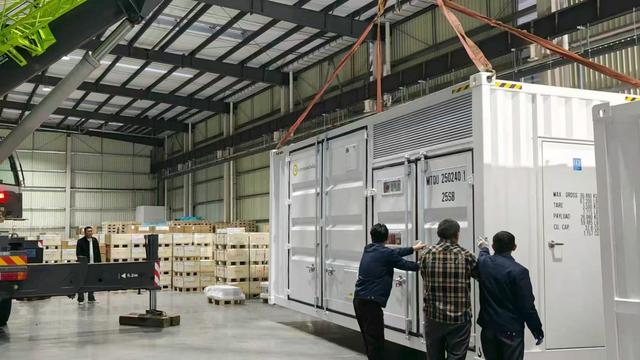
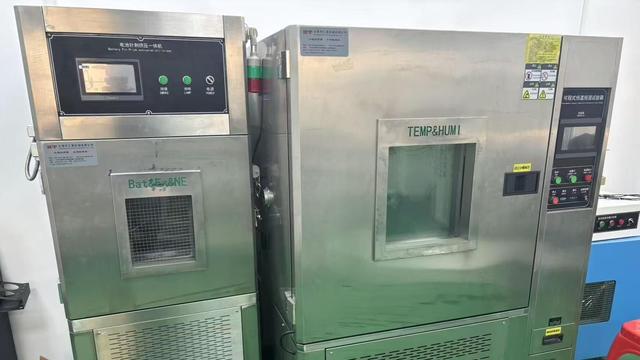
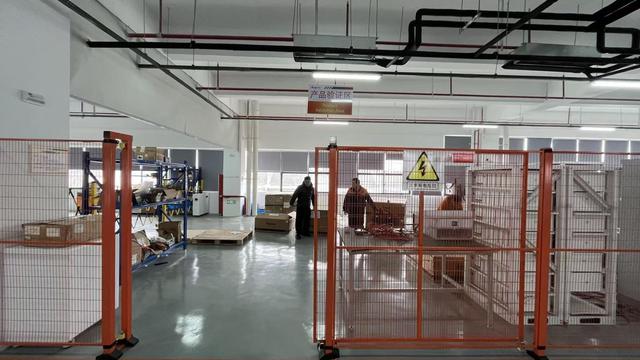
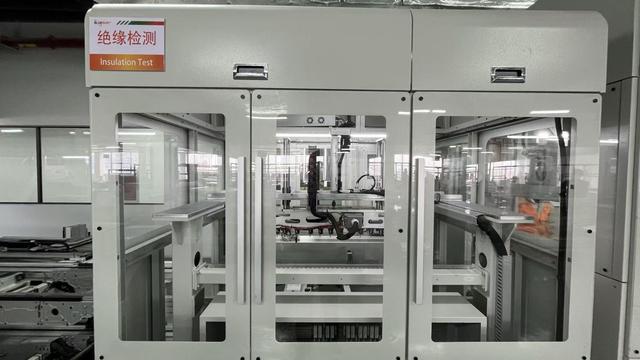
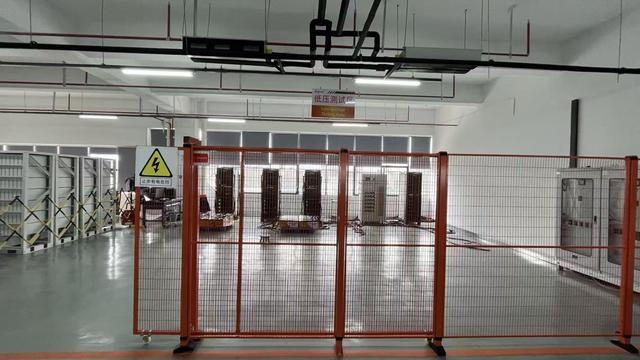
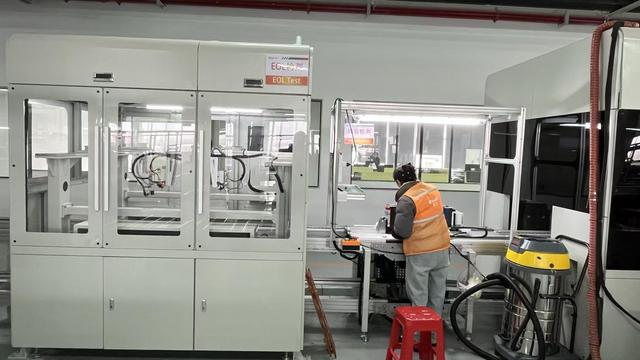
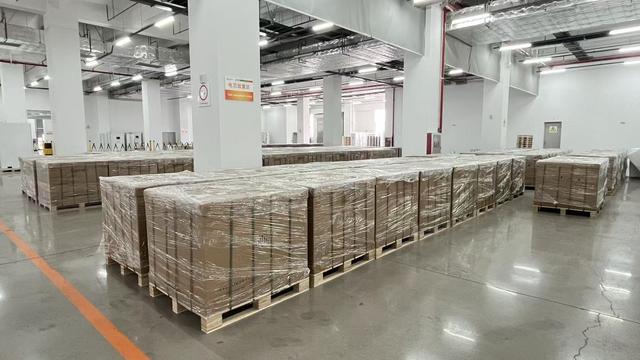
Inside Ningbo GAF Solar: Visualizing precision-driven manufacturing processes and ISO-certified quality checkpoints.
Detailed engineering answers for system planners, project designers, and distributors.
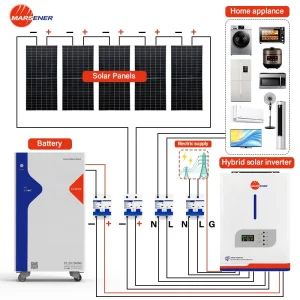
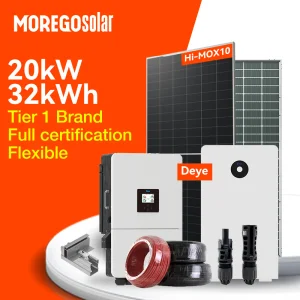
Engineered options for specialized installations including high-capacity industrial farms, marine applications, and off-grid configurations.
 GAF Solar