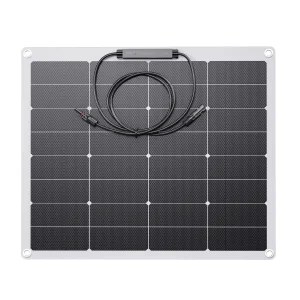
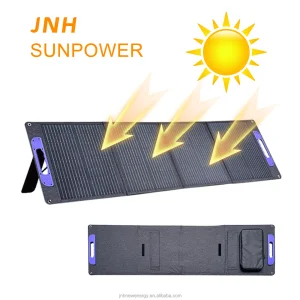
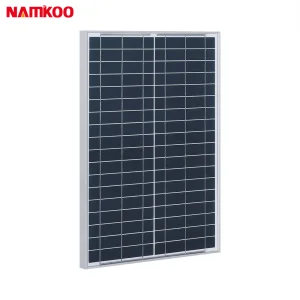
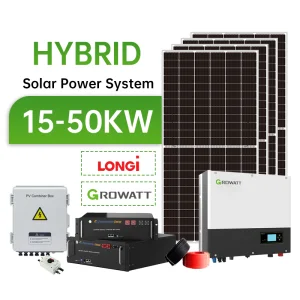
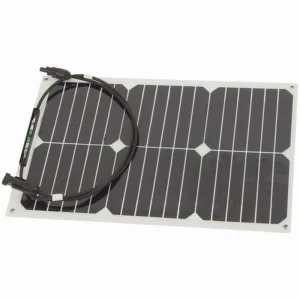
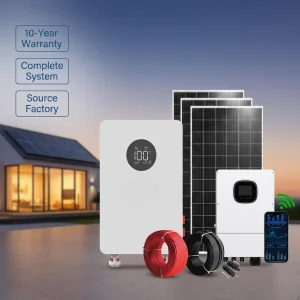
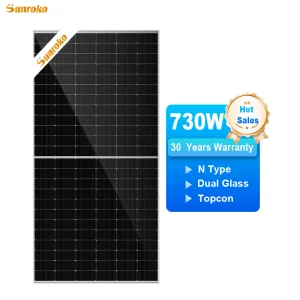
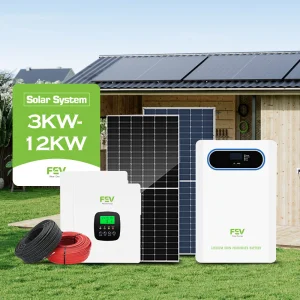
The transition toward renewable energy has shifted from a visionary goal to an industrial imperative. As global economies strive to meet carbon neutrality targets, Solar Energy Systems Integration has emerged as the critical bridge between raw manufacturing capacity and on-site utility. Integration goes beyond simply selling a panel; it involves the intelligent fusion of photovoltaics (PV), energy storage, power electronics (inverters/MPPT), and localized grid management.
Today, the market demands system-level reliability. Commercial and industrial (C&I) clients are no longer satisfied with generic components. They require bespoke solutions—hybrid systems that balance efficiency with durability, specifically engineered for diverse environmental conditions ranging from high-humidity coastal zones to arid, high-temperature deserts.
Ningbo GAF Solar Co., Ltd. exemplifies the strength of the Chinese solar supply chain. China's dominance in this sector is not accidental; it is built on three pillars of efficiency:
Ningbo GAF Solar Co., Ltd. stands as a premier Solar Panel Manufacturer, distinguishing itself through an unwavering commitment to precision. By operating state-of-the-art manufacturing facilities, GAF Solar bridges the gap between complex technological theory and practical field application. Whether it is a monocrystalline rooftop array for a residential home or a large-scale commercial installation, the company’s products are designed for 25+ years of operational excellence.
The company provides comprehensive OEM and ODM services, acting as a strategic partner rather than a mere vendor. This includes meticulous project coordination—from the initial energy yield analysis to the final shipment. Serving markets from North America to Southeast Asia, GAF Solar ensures that every exported module complies with stringent international standards, including TUV, CE, and ISO certifications.
When selecting a solar integration factory, purchasing agents and EPC contractors should look beyond unit price. The modern procurement checklist includes:
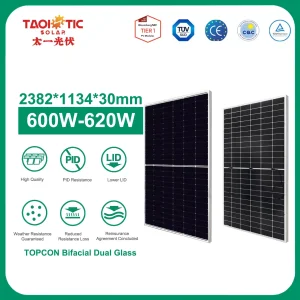
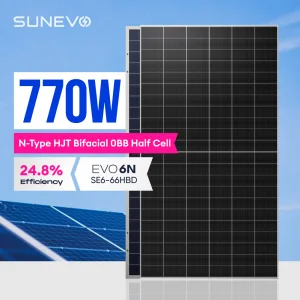
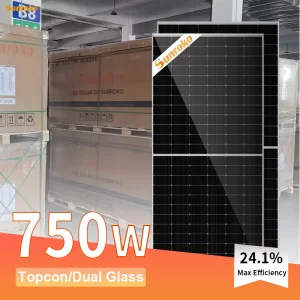
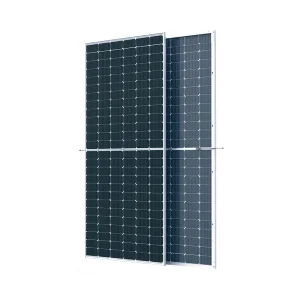
Bifacial panels capture sunlight on both sides, absorbing albedo light reflected from the ground or roof. This can increase energy yield by up to 25% compared to monofacial panels, significantly accelerating the Return on Investment for commercial installations.
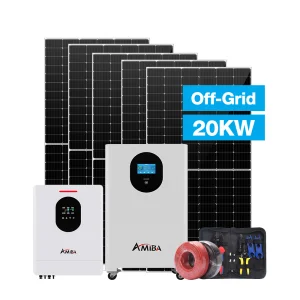
A hybrid system combines solar panels with battery storage. This provides energy independence, allowing you to store excess power for use during the night or during grid outages—a crucial feature for both off-grid residential setups and reliable commercial operations.
GAF Solar provides end-to-end support, including product customization, rigorous quality assurance, and global logistics coordination. Our focus is on enabling our clients to scale their brands or projects with confidence, backed by high-efficiency, durable PV modules.
 GAF Solar