The Paradigm Shift to Decentralized Energy Solutions (DES) in C&I Sectors
The global energy architecture is undergoing a rapid, structural transition from centralized fossil-fuel generation networks to intelligent, distributed microgrids. Under the pressure of rising grid electricity tariffs, stringent carbon taxation, and the imperative for operational resilience, Commercial and Industrial (C&I) enterprises are demanding more localized, grid-independent power assets. Decentralized Energy Solutions (DES)—combining ultra-efficient photovoltaic panels, flexible PV membranes, battery energy storage systems (BESS), and digital energy management systems (EMS)—represent the cutting-edge standard in modern infrastructure.
Information Gain Insight: Unlike standard off-grid systems, decentralized microgrids integrate dynamic load profiling, peak-shaving control, and power-quality stabilization. By utilizing multi-junction solar cells and smart inverters, localized networks transform energy from a passive operating cost into a resilient, yielding financial asset.
For sourcing agents, EPC contractors, and private developers, discovering reliable wholesale manufacturers and technology partners in China is the foundation of competitive deployment. As the world's leading manufacturing hub for green technologies, China accounts for over 80% of global PV component production, delivering unmatched scale, optimization, and technological integration.
23.2%
Max Cell Efficiency
30Yrs
Linear Performance Warranty
100%
Automated Quality Control
150+
Global Export Markets
Ningbo GAF Solar Co., Ltd.: Driving Innovation in Photovoltaic Manufacturing
Based in the global industrial hub of Ningbo, China, Ningbo GAF Solar Co., Ltd. stands as a professional Solar Panel Manufacturer | Monocrystalline, Bifacial & High Efficiency PV Modules dedicated to providing reliable solar energy solutions for residential, commercial, industrial, and utility-scale applications worldwide. With a strong commitment to renewable energy innovation, the company delivers advanced photovoltaic products designed to maximize energy generation, efficiency, and long-term performance.
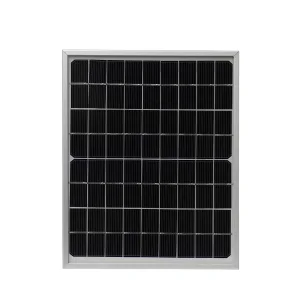
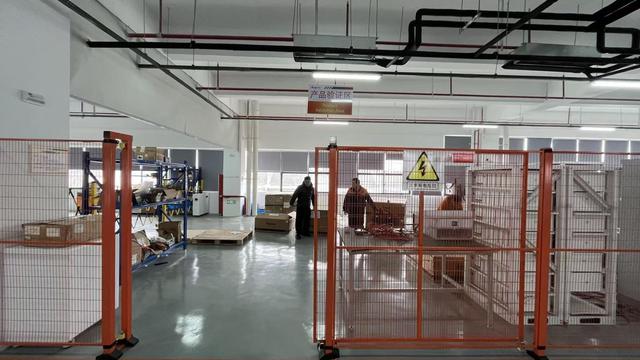
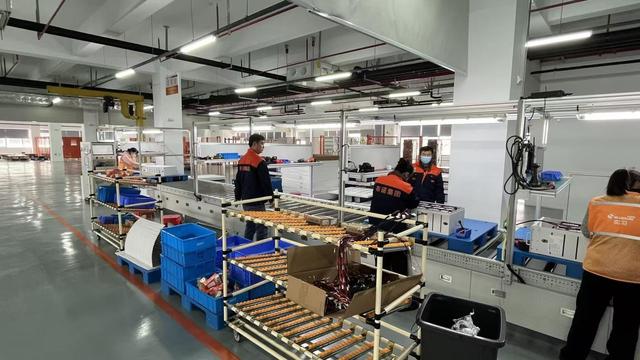
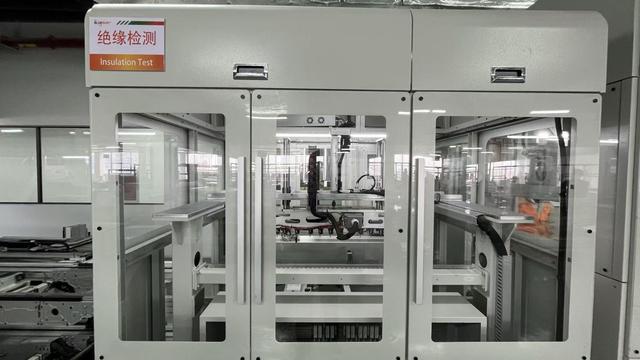
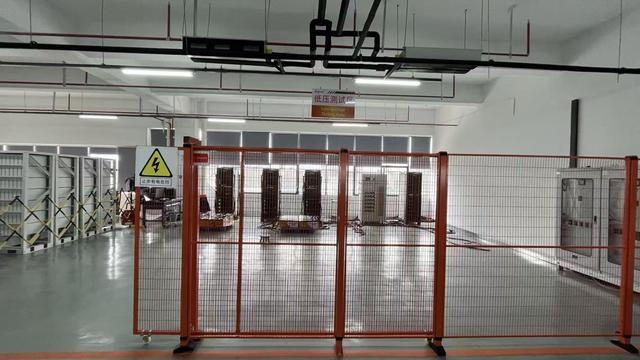
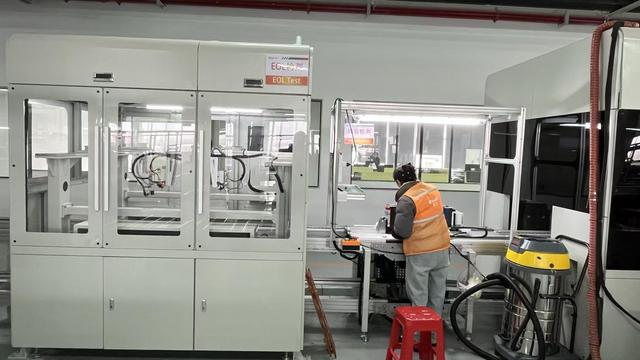
GAF Solar operates modern manufacturing facilities equipped with advanced production technologies, automated assembly lines, and comprehensive quality control systems. The company specializes in the development and production of monocrystalline solar panels, bifacial solar modules, high-efficiency photovoltaic panels, rooftop solar solutions, commercial solar systems, industrial solar installations, and customized PV energy projects. By utilizing premium-grade solar cells, durable materials, and precision manufacturing processes, every module delivers excellent power output, superior weather resistance, and an extended operational lifespan.
In addition to manufacturing high-performance solar panels, GAF Solar offers comprehensive OEM and ODM services, supporting distributors, EPC contractors, solar developers, energy solution providers, and private-label brands. The company provides flexible customization options, professional technical support, and efficient project coordination from design and production to shipment and after-sales service. Serving customers across North America, Europe, Southeast Asia, the Middle East, Africa, and Latin America, GAF Solar has established a reputation for quality, reliability, and customer-focused service.
Technology Roadmap: High-Efficiency Solar cells & N-Type Systems
The future of decentralized generation is directly tied to the efficiency of light conversion and module degradation rates. The industry has decisively transitioned from traditional P-type Perc cells to advanced N-type TOPCon (Tunnel Oxide Passivated Contact) and HJT (Heterojunction Technology) solar cells. This shift significantly mitigates Light-Induced Degradation (LID) and Light and elevated Temperature Induced Degradation (LeTID), providing a far superior return on investment for long-term utility assets.
Phase 1: N-Type TOPCon & Bifacial Mastery
High-Density Module Design
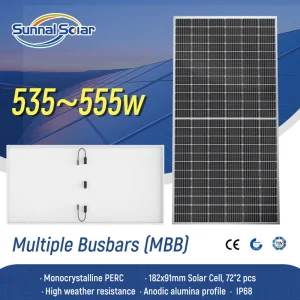
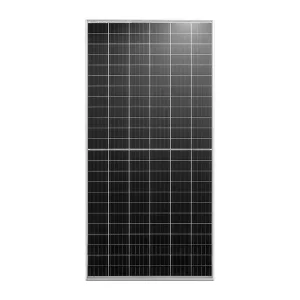
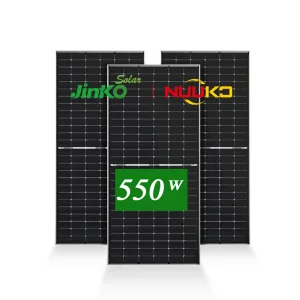
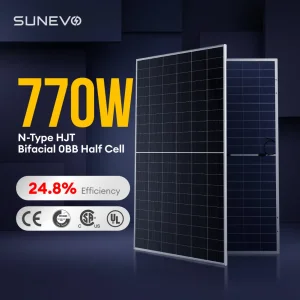
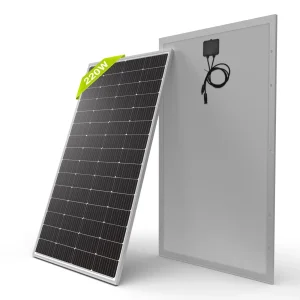
Leveraging dual-glass structures with N-type TOPCon cells to achieve front-side efficiencies exceeding 22.8% and rear-side bifaciality of up to 80%. This setup maximizes reflection absorption from surrounding terrains, drastically increasing overall energy yield.
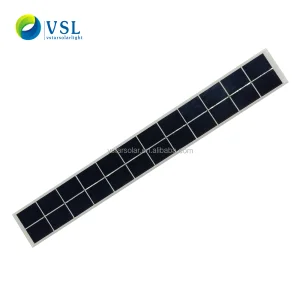
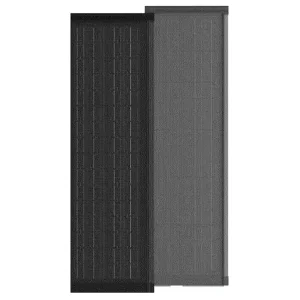
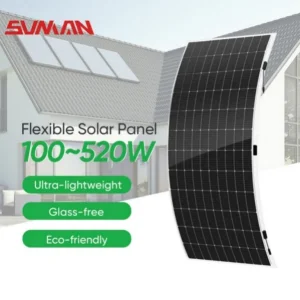
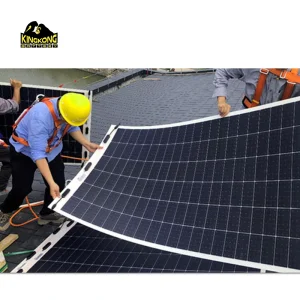
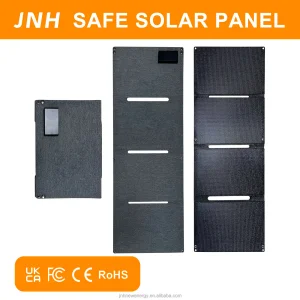
Development of high-durability polymer-backsheet flexible modules (400W–500W). Designed for low-load structures, curved roofs, and recreational marine transport where glass panels cannot be deployed.
Phase 3: Building-Integrated Photovoltaics (BIPV)
Seamless Structural Power Generation
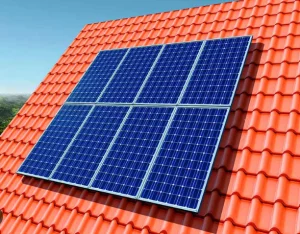
Replacing conventional roofing materials with photovoltaic-active clay/glass tiles. Offering modern, high-strength architecture for residential villas and public structures while preserving waterproofing, structural integrity, and architectural aesthetics.
Localized Application Scenarios for Decentralized Energy Systems
Decentralized energy is not a one-size-fits-all product. Depending on geographic constraints, local electricity grid infrastructure, and user profiles, systems must be tailormade to optimize production. Here is how GAF Solar products integrate into key regional applications:
Residential Rooftops & Marine Vehicles
Utilizing high-efficiency glass and flexible PV panels on rooftops and boats. Lightweight panels are easily mounted on curved boat decks or low-load structures, delivering stable power for communication, lighting, and batteries.
Commercial & Industrial (C&I) Microgrids
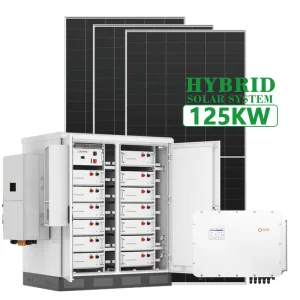
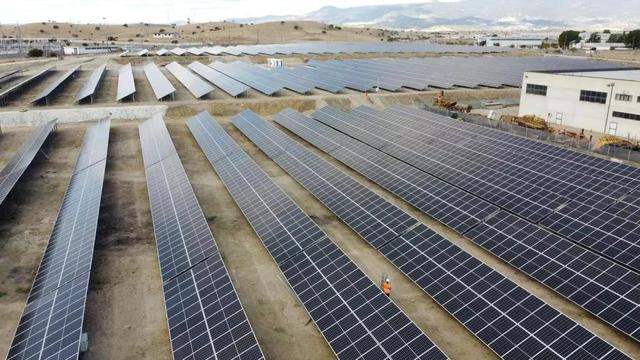
Combining 100kw–125kw hybrid solar energy storage stations with high-capacity bifacial double-glass panels. This achieves peak-shaving, reduces demand charges, and guarantees continuous operation during utility grid failures.
Off-Grid Agricultural & Remote Power
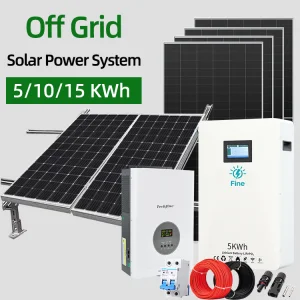
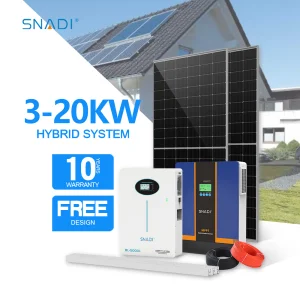
Off-grid solar energy systems (3kW to 10kW) with LiFePO4 batteries bring electricity to remote operations, mountain resorts, telecommunication base stations, and agricultural water pumps where grid extension is prohibitively expensive.
China Factory Sourcing: Supply Chain Resilience, Integration & Logistics
Why should global EPC contractors and distributors work directly with Chinese factories like GAF Solar in Ningbo? The answer lies in the total integration of the solar supply chain:
1. Direct Access to Key Raw Materials: From quartz sand mining and polysilicon refining to wafer slicing, solar cell doping, and final module assembly, the complete supply chain is concentrated in regional clusters. This localization insulates buyers from global shipping disruptions and geopolitical material bottlenecks.
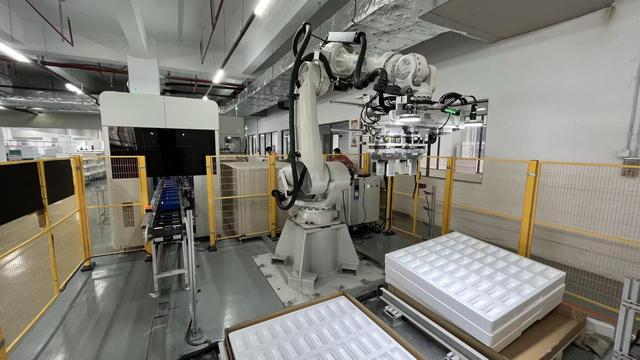
2. Unmatched Manufacturing Automation: Advanced assembly lines use automated EL (Electroluminescence) testing, laser cutting, and high-precision stringing machines. This mitigates micro-cracks, guarantees uniform solder joints, and ensures consistent quality across large-scale volume orders.
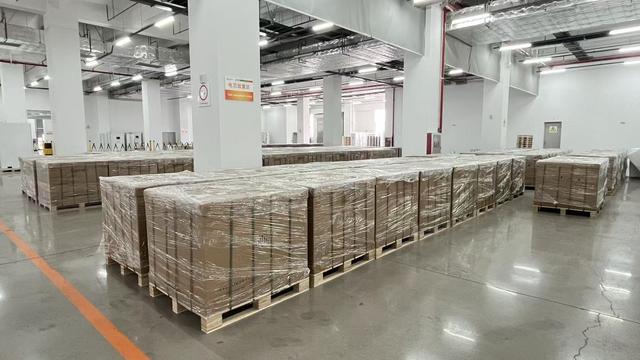
3. Logistics Superiority: Located near Ningbo-Zhoushan Port—the world’s busiest port by cargo tonnage—GAF Solar ensures highly streamlined sea transport. Direct routes to North America, Europe, the Middle East, and Latin America drastically shorten container transit times and reduce overall freight costs.
Global Compliance, Grid Interconnection & Localization Support
Deploying distributed energy resources (DERs) requires strict compliance with varying local grid codes and international standards. A single non-compliant component can halt project commissioning, leading to severe financial penalties. GAF Solar addresses these regulatory demands systematically:
Compliance Guarantee: Our entire product line is certified under leading international standards, including CE, FCC, RoHS, and TÜV Rheinland. This guarantees compliance with European grid injection standards, UL requirements in North America, and strict safety codes across Latin America and the Middle East.
Furthermore, our engineering teams provide full ODM support. We assist developers with technical drawings, electrical single-line diagrams, and structural wind-load simulations for flexible solar modules, ensuring easy municipal approval and swift utility interconnection.
Frequently Asked Questions (FAQ)
What are the main advantages of N-type double-glass monocrystalline solar panels?
N-type cells offer a higher conversion efficiency (often exceeding 22.5%) compared to P-type alternatives. They have a lower temperature coefficient, meaning they perform significantly better in high-temperature environments, and experience virtually zero Light-Induced Degradation (LID). Double-glass structures provide long-term protection against humidity, sand, and chemical exposure, allowing GAF Solar to offer a 30-year linear power warranty.
How do flexible solar panels compare to traditional glass panels in performance?
Modern flexible solar panels (such as GAF Solar's 400W–500W modules) use high-performance monocrystalline PERC cells to achieve efficiencies of around 22-23%. While traditional glass modules are slightly more efficient and robust for ground mounts, flexible modules are incredibly light, can bend up to 30 degrees, and require no heavy racking. This makes them ideal for marine vessels, RVs, and low-load industrial roofs.
Can GAF Solar support custom OEM or ODM requests for wholesale distributors?
Yes. GAF Solar offers extensive OEM and ODM services. This includes custom logo printing, custom junction box and connector setups, customized dimensions for unique architectural or marine integrations, and tailored packaging to meet retail or industrial delivery requirements.
What components are included in your complete off-grid solar energy kits?
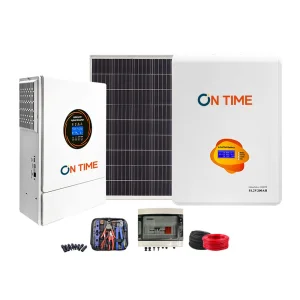
Our off-grid systems (such as the 3kW, 5kW, and 10kW systems) typically include high-efficiency monocrystalline solar panels, an off-grid inverter (or hybrid inverter with built-in solar controller), durable LiFePO4 batteries (lithium iron phosphate), mounting brackets, and all necessary MC4-compatible wiring and safety disconnects.
 GAF Solar