Explore our premium wholesale solutions, engineered for maximum power density and optimized LCOE across residential, commercial, and utility sectors.
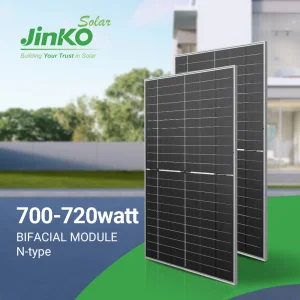
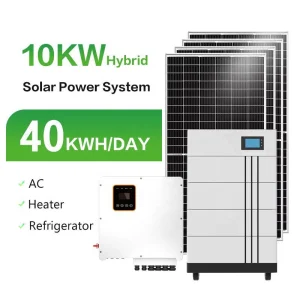
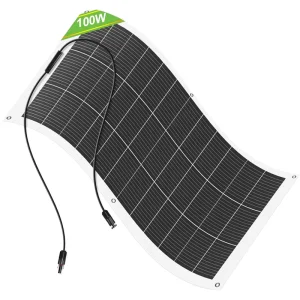
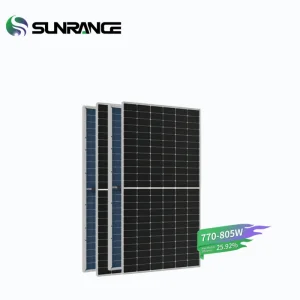
A professional Solar Panel Manufacturer dedicated to delivering monocrystalline, bifacial, and high-efficiency PV modules for worldwide applications.
The global energy paradigm is experiencing a structural migration from legacy fossil fuel dependence to decentralized, high-efficiency renewable energy grids. Within this transition, Commercial & Industrial (C&I) Solar Development Services have emerged as a critical catalyst for corporate carbon neutrality and localized grid stabilization. As multinational corporations pledge adherence to ESG (Environmental, Social, and Governance) parameters, the requirement for robust, reliable, and scalable photovoltaic (PV) generation systems has shifted from an operational luxury to a core corporate strategy.
Today, development services encompass more than just cell assembly; they involve intricate EPC (Engineering, Procurement, and Construction) coordination, localized regulatory alignment, electrical design optimization, and financial lifecycle planning. Factors such as Levelized Cost of Energy (LCOE), Levelized Cost of Storage (LCOS), and Balance of System (BOS) optimization dictate the viability of utility-scale investments. To satisfy these stringent economic parameters, developers require highly responsive OEM/ODM manufacturing partnerships capable of supplying high-capacity modules that lower structural installation overheads.
Navigating varying regional grid capacities and reactive power requirements demands highly stable PV arrays equipped with smart MPPT controllers and battery energy storage integration.
Global logistics demand structured manufacturing footprints. Based in the deep-water port cluster of Ningbo, GAF Solar optimizes shipping lead times and reduces transoceanic supply chain risk.
Aligning with TUV, CE, UL, and local PV code guidelines is imperative. Our engineering processes are structured to exceed international reliability standards.
The solar manufacturing industry is rapidly phasing out legacy P-type PERC technology in favor of N-type architectures, primarily Tunnel Oxide Passivated Contact (TOPCon) and Heterojunction (HJT) technologies. N-type silicon substrates offer fundamental physical advantages, including near-zero Light-Induced Degradation (LID), superior performance under low-light conditions, and a significantly lower temperature coefficient (averaging -0.30%/°C to -0.34%/°C compared to P-type’s -0.38%/°C). This ensures maximum power generation in high-temperature equatorial regions.
Furthermore, bifacial technology has become the baseline configuration for ground-mounted installations. By capturing albedo light reflected from the ground (soil, grass, gravel, or snow), bifacial PV modules achieve a back-side generation gain of 5% to 30%, depending on surface reflectivity. In addition, integration of half-cut cell technology reduces internal resistance losses and enhances thermal performance under localized shading conditions, greatly increasing the reliability of large-format panels (540W to 750W+).
| Technology Parameter | Legacy P-Type PERC | N-Type TOPCon (GAF Solar Standard) | Future Perovskite-Silicon Tandem |
|---|---|---|---|
| Average Module Efficiency | 20.5% - 21.8% | 22.5% - 23.5% | 26.0% - 29.5% (R&D phase) |
| Temperature Coefficient | -0.37% / °C | -0.30% / °C | -0.25% / °C |
| Bifaciality Factor | 65% - 70% | 80% - 85% | Variable / Single-sided optimized |
| First Year Degradation | ~ 2.0% | < 1.0% | Under Evaluation |
| LID / LeTID Sensitivity | Moderate to High | Near-Zero (Immune) | High (Moisture Mitigation Needed) |
In tandem with module efficiency leaps, the market demands high-voltage configurations. Migrating from 1000V to 1500V DC system layouts allows developers to construct longer strings, reducing the total volume of combiner boxes, DC cabling, and labor required. This macro-architectural shift lowers initial balance-of-system (BOS) capital costs while boosting transmission efficiency.
Photovoltaic systems operate under diverse meteorological and physical constraints. A cookie-cutter approach to solar panel design yields suboptimal efficiency and premature component failure. Localized engineering adaptations are critical to maximizing return on investment:
Heavy industrial facilities often feature corrugated steel roofs with specific load-bearing limitations. Standard 700W modules may exceed structural safety thresholds when wind and snow loads are calculated. To address this, developers use lightweight semi-flexible monocrystalline panels or custom mounting structures that distribute weight evenly, ensuring structural integrity without compromising energy output.
Coastal and offshore solar arrays are subject to salt mist, high humidity, and cyclical wind forces. Regular panels degrade quickly due to PID (Potential Induced Degradation) and framing corrosion. High-durability double-glass bifacial modules featuring POE (Polyolefin Elastomer) encapsulation and specialized anti-corrosion aluminum frames are required to ensure a 30-year operational lifespan in high-salinity marine environments.
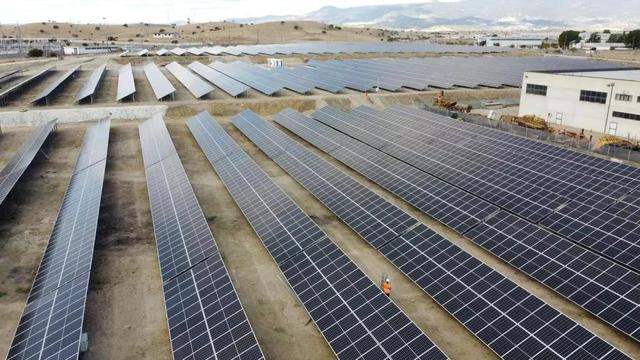
In high-reflectivity environments (e.g., desert sands or high-latitude snow plains), bifacial TOPCon panels excel by capturing back-side reflection. Pairing these panels with single-axis tracking systems allows the array to actively follow the sun's trajectory while maintaining an optimal tilt for back-side albedo absorption, producing up to 30% more energy than fixed-tilt monofacial systems.
Modern developers do not just procure hardware; they seek integrated solutions that minimize installation complexities and accelerate commissioning times. Ningbo GAF Solar Co., Ltd. addresses this demand by offering macro engineering solutions designed for complex deployment conditions:
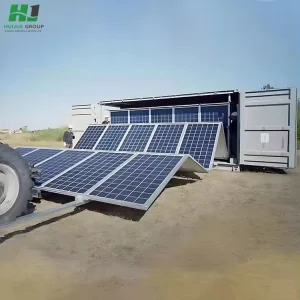
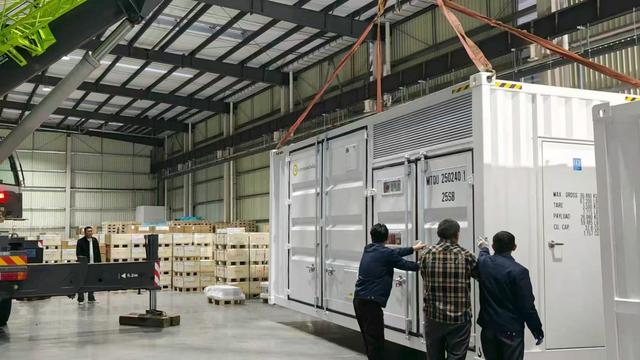
Designed for remote mining operations, emergency relief, and off-grid military outposts, our waterproof, containerized PV packages include integrated MPPT tracking, lithium-ion storage, and pre-wired inverters for rapid deployment.
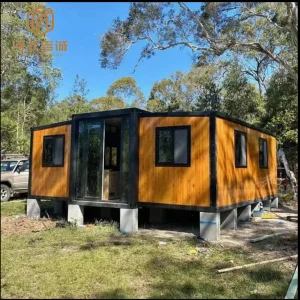
Catering to the modular construction boom, we integrate custom PV roofing membranes directly into prefabricated building panels. This speeds up on-site installation and provides a clean, weather-tight solar envelope.
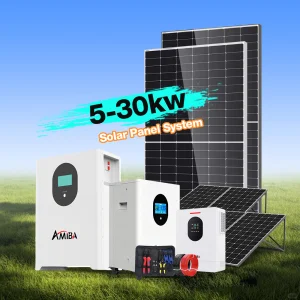
For rural electrification and small-scale commercial setups, we offer pre-configured off-grid and hybrid packages (5kW to 30kW) featuring high-capacity lithium battery banks and dual-source automatic transfer switches.
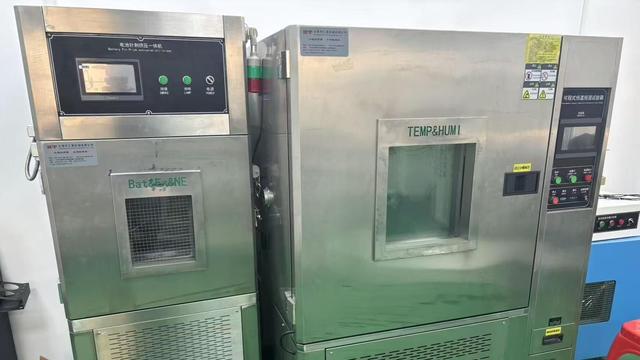
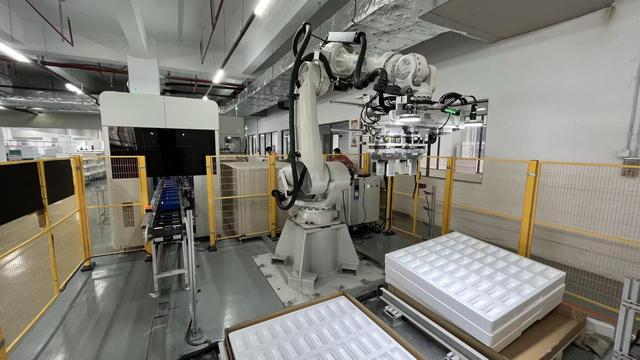
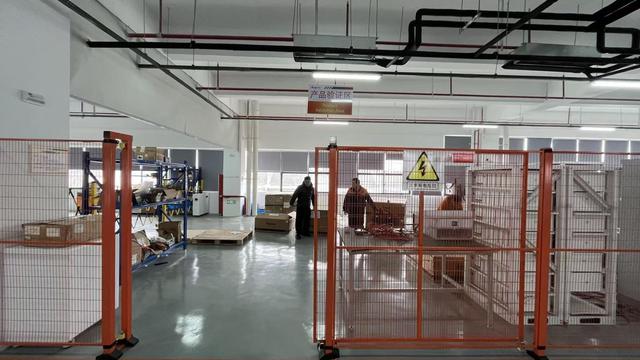
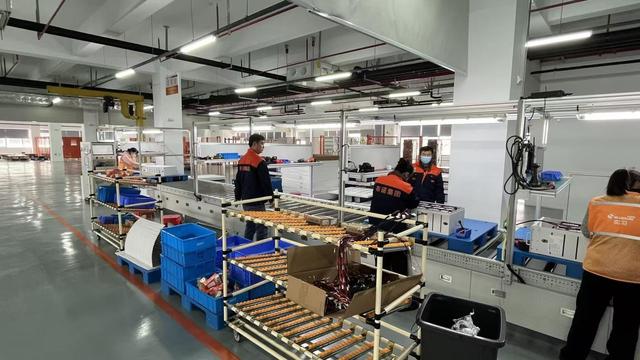
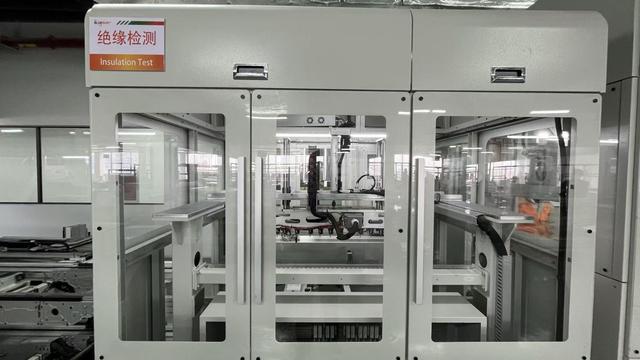
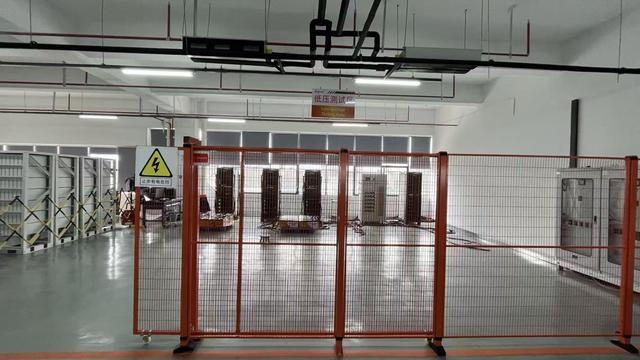
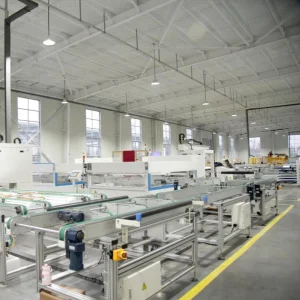
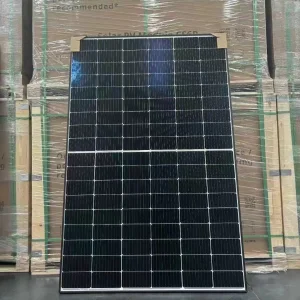
A showcase of our modern factory floor, automated assembly processes, and raw material warehousing located in Ningbo, China.
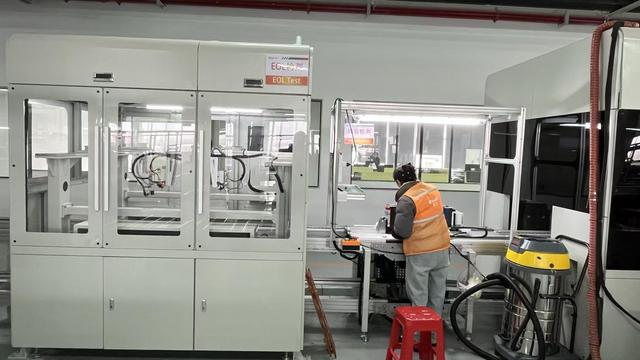
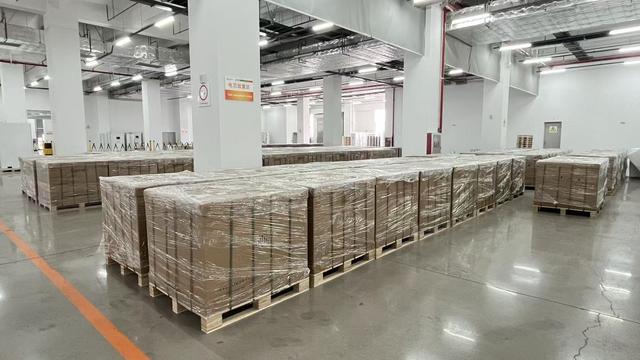
Get answers to common technical, commercial, and logistics questions regarding wholesale solar procurement and development services.
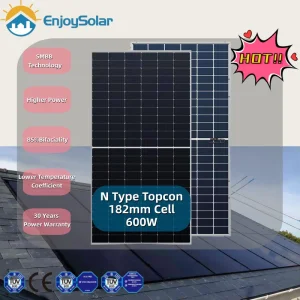
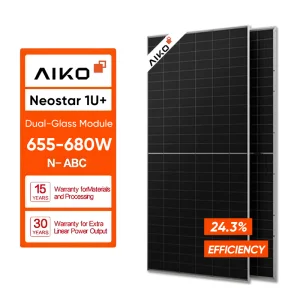
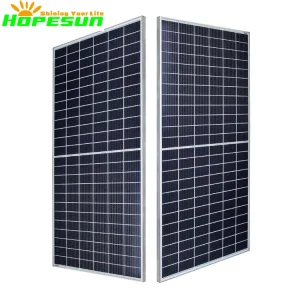
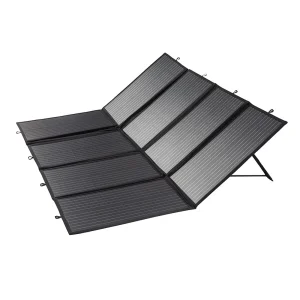
Select from our widely deployed product lines, designed for residential rooftops, ground-mounted arrays, and specialized mobile applications.
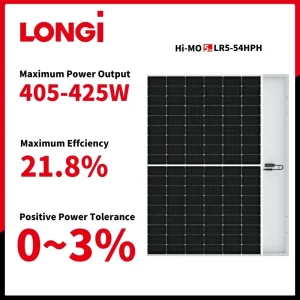
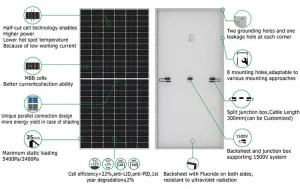
 GAF Solar