
The global transition toward decentralized renewable power generation requires massive capital deployment. In the commercial and industrial (C&I) sectors, asset acquisition and capital expenditure (CapEx) constitute the primary structural barriers to scaling solar generation assets. However, modern financial engineering, paired with high-performance hardware, has led to a variety of structured funding models designed to optimize Levelized Cost of Energy (LCOE) and balance sheet health.
PPAs offer a zero-CapEx mechanism where an off-taker buys power from a developer. System optimization is critical; high-efficiency monocrystalline cells ensure predictable yields to cover long-term power delivery commitments.
Lease-to-own models allow developers to deploy systems on client roofs immediately, converting capital costs into manageable operating expenses (OpEx) while taking advantage of local tax incentives.
Green project financing depends heavily on technology bankability. Financial institutions demand Tier 1 components or modules with strict quality controls to secure low-interest loans.
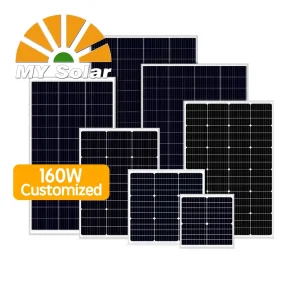
In structured solar finance, standard panel configurations can limit project margins. Local regulations, roof weight capacities, extreme wind loads, and utility grid parameters vary. Ningbo GAF Solar Co., Ltd. offers customized OEM and ODM engineering to tailor panel dimensions, frame materials, and cell technologies directly to the developer's financial and technical requirements.
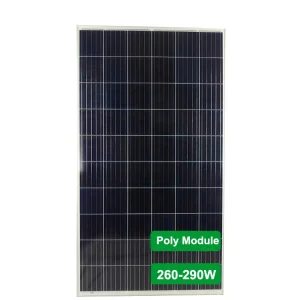
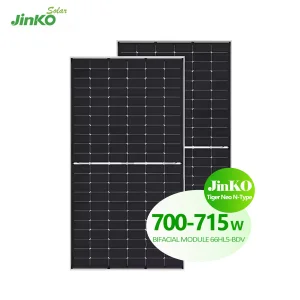
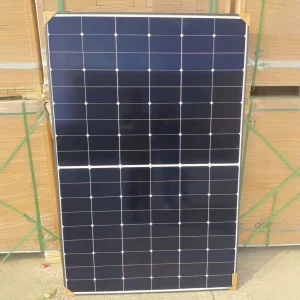
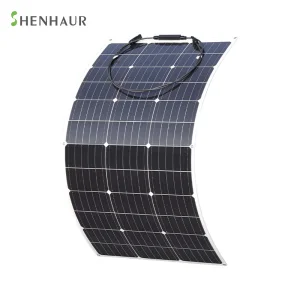
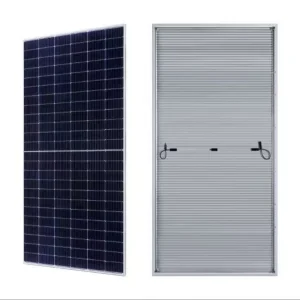
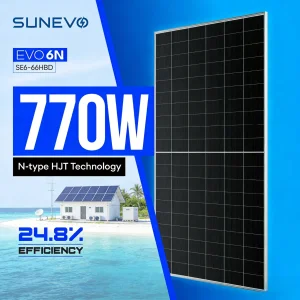
Customizations include utilizing N-type TOPCon and HJT cells to achieve low degradation rates (less than 0.4% annually after year one) and high bifaciality. This maximizes generation density, boosting the internal rate of return (IRR) for long-term investments. Custom flexible, lightweight, and BIPV solutions also expand installation options, turning underutilized surfaces into revenue-generating assets.
By adapting solar panel dimensions, cabling configurations, and mounting interfaces, installation speed increases by up to 25%. This directly reduces balance-of-system (BOS) costs. Reduced BOS costs lower the overall financing requirements, helping developers secure project funding more easily.
Ningbo, China, serves as a central hub for global solar technology manufacturing. The local industrial cluster features highly integrated supply chains—from raw silicon processing and ingot slicing to wafer manufacturing, cell layout, and final module assembly. This ecosystem reduces transport costs, optimizes material flow, and increases cost-efficiency.
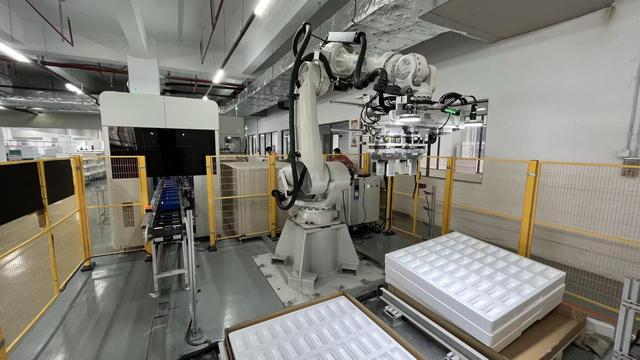
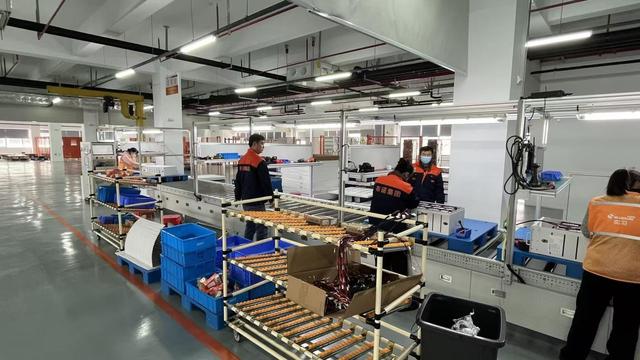
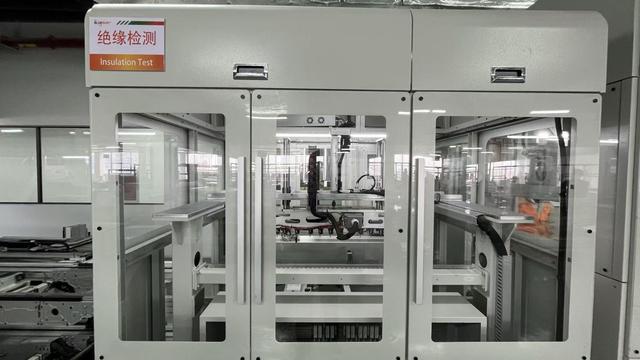
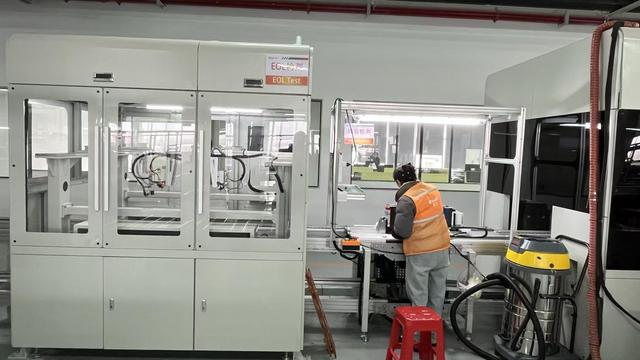
GAF Solar leverages automated production lines, AI-driven optical inspections (EL tests), and strict material selection to guarantee product consistency. Automated stringing and high-accuracy cell placement protect modules from hot spots and early degradation, providing peace of mind to project financiers.
Ningbo GAF Solar Co., Ltd. is a professional Solar Panel Manufacturer | Monocrystalline, Bifacial & High Efficiency PV Modules dedicated to providing reliable solar energy solutions for residential, commercial, industrial, and utility-scale applications worldwide. With a strong commitment to renewable energy innovation, the company delivers advanced photovoltaic products designed to maximize energy generation, efficiency, and long-term performance.
Based in Ningbo, China, GAF Solar operates modern manufacturing facilities equipped with advanced production technologies, automated assembly lines, and comprehensive quality control systems. The company specializes in the development and production of monocrystalline solar panels, bifacial solar modules, high-efficiency photovoltaic panels, rooftop solar solutions, commercial solar systems, industrial solar installations, and customized PV energy projects.
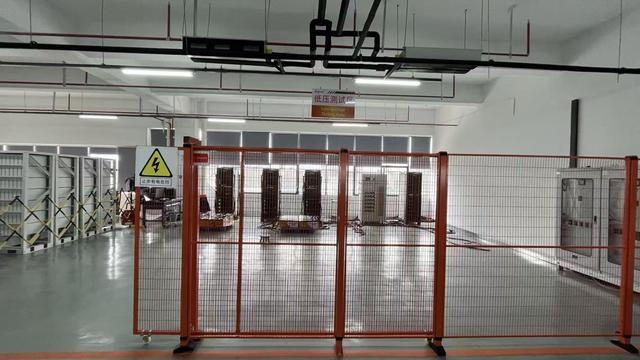
GAF Solar focuses on technological innovation and product reliability. By utilizing premium-grade solar cells, durable materials, and precision manufacturing processes, the company produces solar modules capable of delivering excellent power output, superior weather resistance, and long operational lifespans. Every product undergoes rigorous testing and quality inspections to ensure compliance with international standards and the demanding requirements of global energy markets.
In addition to manufacturing high-performance solar panels, GAF Solar offers comprehensive OEM and ODM services, supporting distributors, EPC contractors, solar developers, energy solution providers, and private-label brands. The company provides flexible customization options, professional technical support, and efficient project coordination from design and production to shipment and after-sales service.
Serving customers across North America, Europe, Southeast Asia, the Middle East, Africa, and Latin America, Ningbo GAF Solar Co., Ltd. has established a reputation for quality, reliability, and customer-focused service. Through continuous innovation and sustainable manufacturing practices, the company remains committed to accelerating the global transition toward clean, renewable energy and creating long-term value for partners around the world.
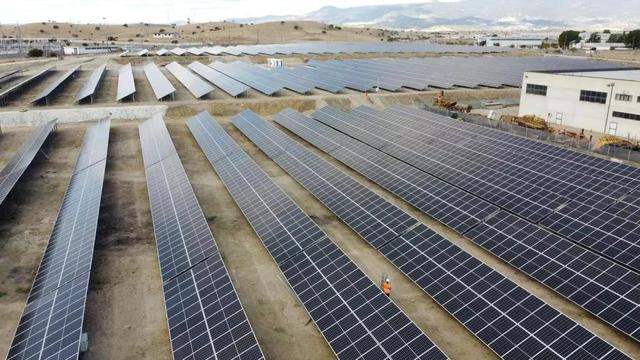
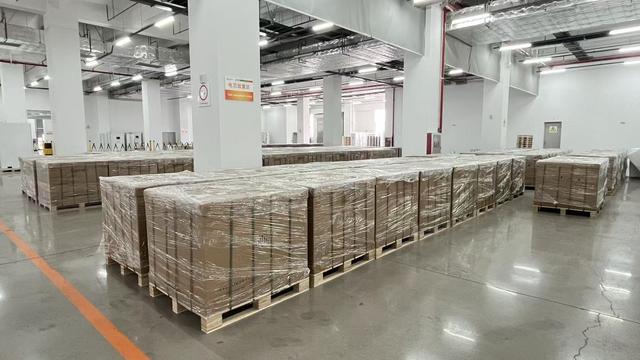
Customized solar products are highly versatile, adapting easily to different site restrictions to optimize yields:
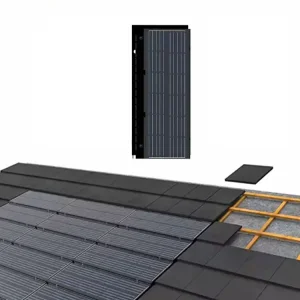
Custom building-integrated photovoltaics (BIPV), such as active solar roof tiles and building cladding, turn commercial office buildings and logistics warehouses into clean energy generators while maintaining building aesthetics.
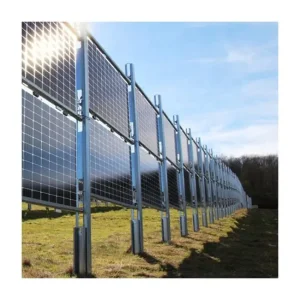
Vertical bifacial structures allow farming operations to run concurrently beneath the panels. The dual-use layout maximizes land efficiency, making it easier to secure agricultural-green bonds.
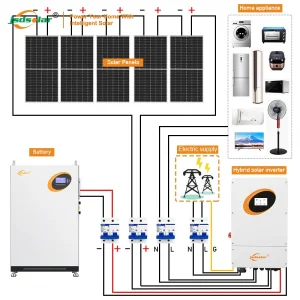
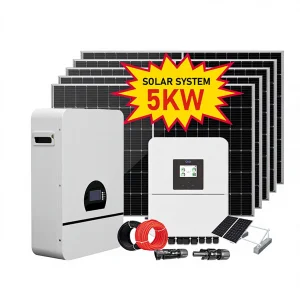
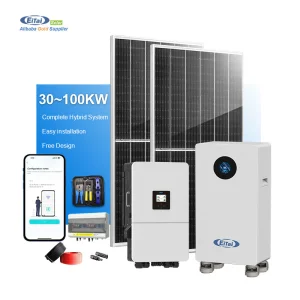
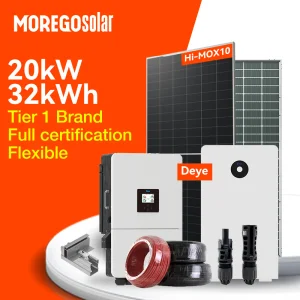
For regions with unstable grids, self-contained energy systems—such as hybrid battery kits and microinverters—protect local businesses from downtime, ensuring energy independence and financial stability.
The future of solar financing relies on adapting to new technology trends, grid demands, and environmental regulations:
 GAF Solar