Explore our premium range of industrial, residential, and portable customized solar products manufactured to exact client specifications and compliant with international standards.
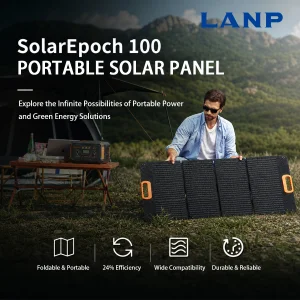
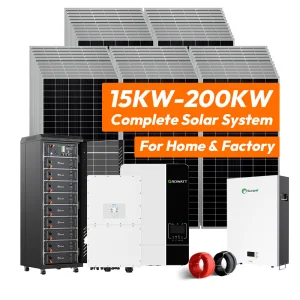
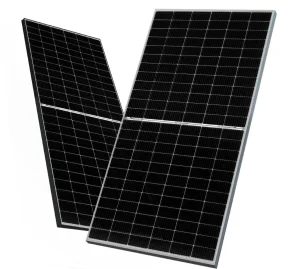
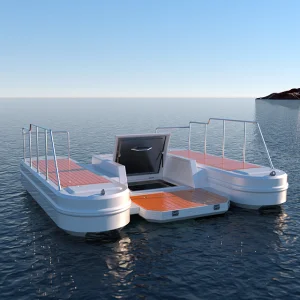
In the transition to low-carbon industrial economies, standard off-the-shelf photovoltaic components often fall short of meeting complex spatial, electrical, and structural challenges. Global industrial developers, EPC contractors, and private-label brands increasingly require highly customized solutions engineered to exact operational parameters. Ningbo GAF Solar Co., Ltd. stands as a premier Tier-1 manufacturer, providing structural customization and electrical optimization across advanced monocrystalline, bifacial, and high-efficiency PV modules to accelerate the global energy transition.
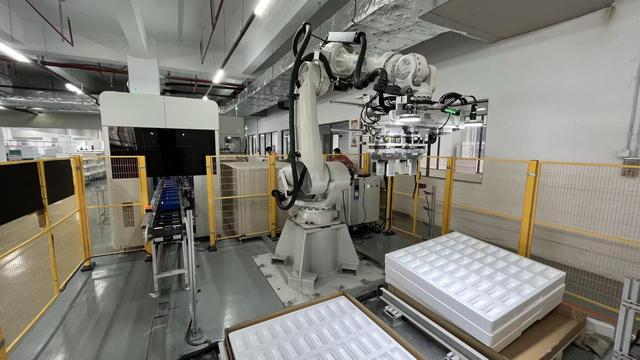
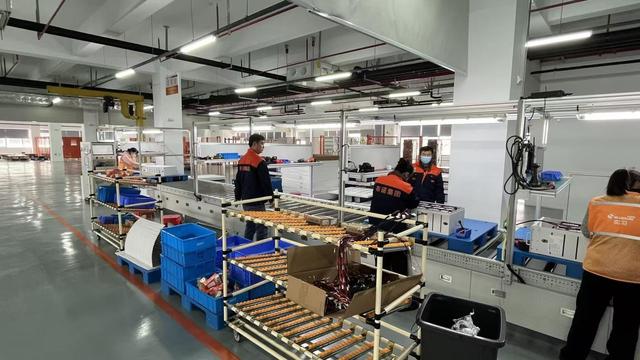
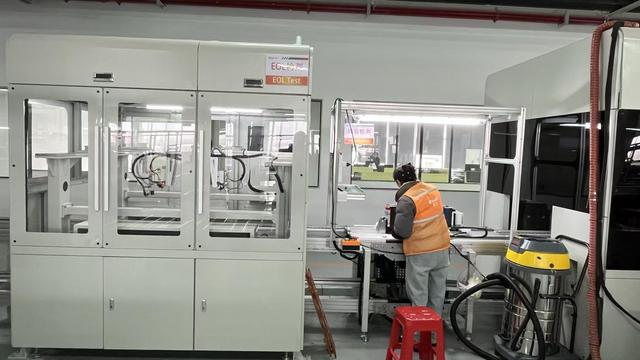
Headquartered in the manufacturing hub of Ningbo, China, GAF Solar operates sophisticated production facilities. Equipped with state-of-the-art automated assembly lines, precise cell-cutting machines, and comprehensive EL (Electroluminescence) testing setups, our factories ensure that customized modules perform optimally under harsh environmental conditions. The engineering capability of GAF Solar encompasses customized silicon formulations (including monocrystalline N-type Topcon and P-type PERC structures), custom dimensions for specialized architectural integrations, and structural modifications (such as South African IBR-profile compatible modules or extreme-environment flexible marine lamination).
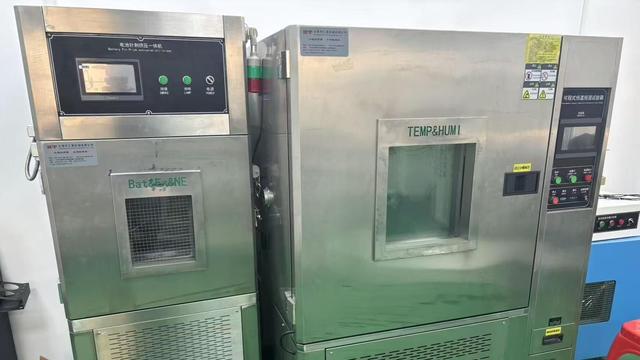
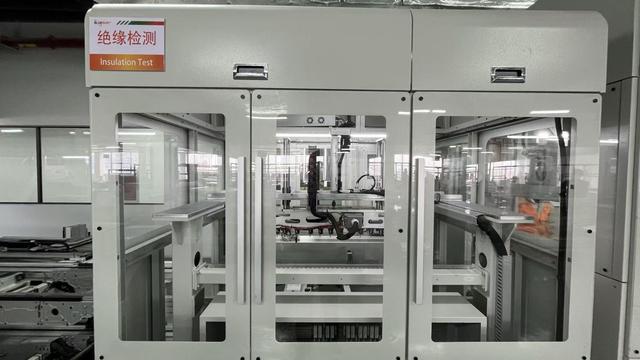
Our commitment to E-E-A-T principles (Experience, Expertise, Authoritativeness, and Trustworthiness) guides our manufacturing and quality assurance workflows. Each module undergoes double EL testing, flash testing, insulation resistance testing, and mechanical load evaluations (withstanding up to 5400 Pa snow loads and 2400 Pa wind loads). This rigorous quality control ensures that distributors, utility developers, and private brands receive energy systems with stable yields over a 25-year operational lifespan.
Utilizing high-efficiency Topcon cell technologies delivering up to 22.5%+ module efficiency with low degradation rates and optimized temperature coefficients.
Custom dimensions, specialized junction boxes, and tailor-made frame configurations matching specific structural needs, from RV applications to building-integrated PV (BIPV).
Full compliance with TUV, CE, UL, and IEC international standards. Engineered for resilience against PID (Potential Induced Degradation) and harsh climates.
The global energy sector is undergoing a profound structural shift driven by decarbonization mandates, corporate ESG initiatives, and the economic necessity of lowering the Levelized Cost of Energy (LCOE). In this context, industrial facilities and commercial operators are transitioning from passive consumers to active energy producers. Incorporating Commercial & Industrial (C&I) solar microgrids combined with battery energy storage systems (BESS) represents a reliable pathway toward energy autonomy and peak tariff mitigation.
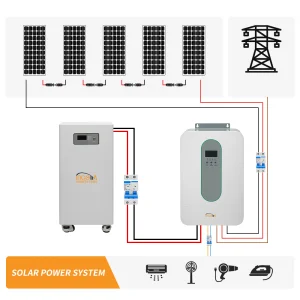
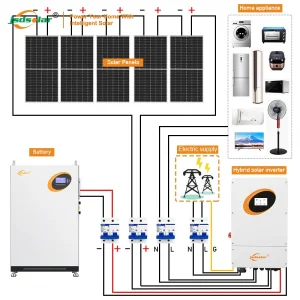
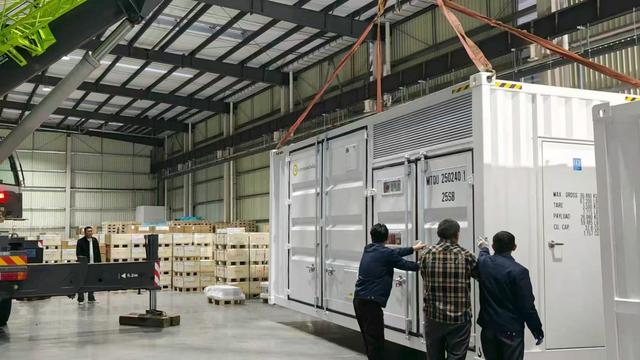
In regions such as North America and the European Union, grid instability, carbon taxes, and volatile wholesale electricity pricing are accelerating the deployment of onsite solar systems. Our customized solutions address these issues by optimizing the Balance of System (BOS) components. By configuring customized monocrystalline silicon panels with matched MPPT (Maximum Power Point Tracking) controllers and high-voltage lithium-ion storage arrays (ranging from 40kW to over 100kW), we help businesses establish stable microgrid frameworks. These systems enable Peak Shaving, Load Shifting, and reliable emergency backup power during grid failures.
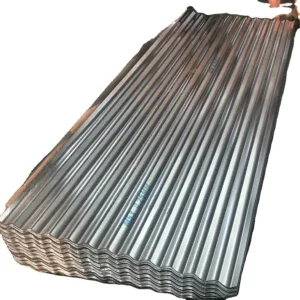
Concurrently, in emerging markets across Latin America, the Middle East, and Africa, the focus is on expanding off-grid and hybrid installations. In South Africa, for example, persistent load shedding has turned off-grid systems from a green alternative into an operational necessity. To support these deployments, GAF Solar designs solar solutions engineered to integrate with local roofing profiles, such as PPGL/PPGI IBR corrugated steel structures. These systems enable seamless mechanical integration and quick installation times, ensuring long-term structural integrity and maximum wind resistance.
Our OEM and ODM workflows leverage material science and advanced production processes to address challenging environmental and mechanical conditions.
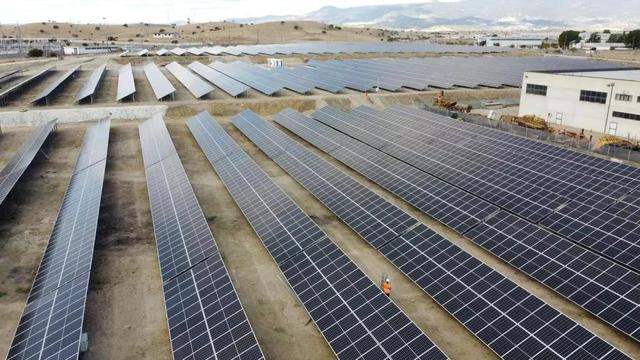
We manufacture bifacial double-glass modules that capture sunlight from both sides, producing a rear-side energy gain of up to 25% depending on the albedo of the installation surface (such as white TPO roofs, concrete surfaces, or sandy ground). This is ideal for ground-mounted commercial stations and flat roof systems.
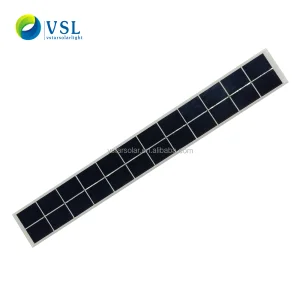
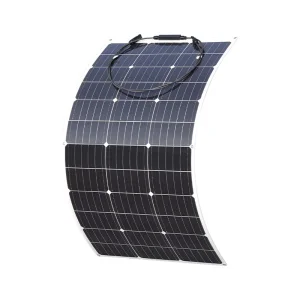
For mobile, marine, and lightweight rooftop applications, our lightweight flexible modules utilize monocrystalline cells embedded in durable ETFE polymers. These UV-resistant and self-cleaning sheets can bend up to 30 degrees, making them suitable for installation on curved RV roofs, boat decks, and lightweight tents.
We offer customized aluminum frame profiles (including anodized black finishes for high-end residential projects), specific lead-wire lengths with MC4 compatible connectors, and customized junction boxes equipped with bypass diodes to minimize shading losses in complex roof layouts.
Through careful selection of encapsulation materials—such as POE (polyolefin elastomer) instead of standard EVA for bifacial double-glass assemblies—we eliminate Potential Induced Degradation (PID). This guarantees consistent power yields even under elevated temperatures and high humidity, protecting your long-term capital investments.
Exporting high-voltage photovoltaic systems requires compliance with diverse regional standards, environmental certifications, and local grid codes. Ningbo GAF Solar maintains a robust international compliance framework, certifying our products for distribution and installation across Europe, North America, Africa, and the Asia-Pacific region.
Our solar modules are tested and certified to comply with IEC 61215 and IEC 61730 standards by recognized international testing institutions like TÜV. These certifications ensure our modules withstand severe outdoor exposure, mechanical stresses, and electrical isolation tests over decades of service. In addition, our manufacturing lines adhere to RoHS directives and ISO 9001/14001 management systems, guaranteeing consistent production quality and reduced environmental impact.
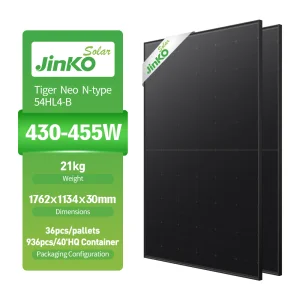
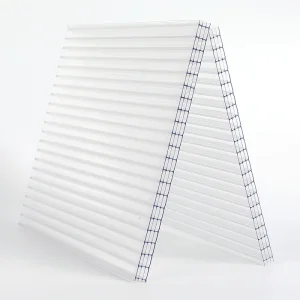
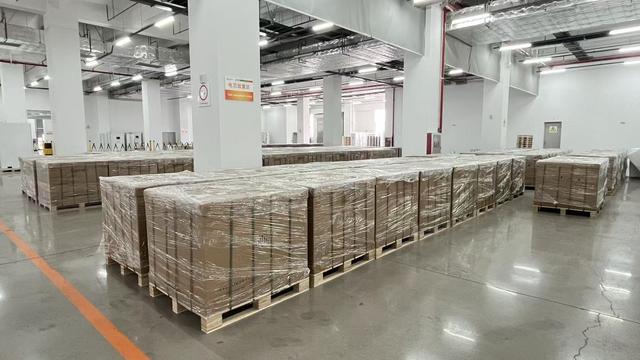
To support EPC contractors and distributors facing long logistical lead times, we maintain localized inventory strategies. For example, our EU Warehouse stock offers direct access to N-type TOPCon monocrystalline panels (such as 450W black-frame residential kits), enabling rapid regional delivery and reduced transit risks. For installers in South Africa and the wider SADC region, we supply high-quality IBR corrugated steel roofing materials alongside our solar arrays. This combined offering simplifies procurement and ensures structural compatibility between the building shell and the solar installation.
The photovoltaic industry continues to evolve rapidly. GAF Solar focuses on integrating emerging technologies into our standard OEM production lines. Over the next decade, we anticipate several key developments:
By investing in these technological advancements, GAF Solar ensures that our partners remain competitive in a changing market, delivering energy systems that provide high yields and long-term reliability.
Our engineering team answers common technical questions from EPC partners, system architects, and PV developers.
N-type TOPCon (Tunnel Oxide Passivated Contact) cells exhibit much lower degradation compared to traditional P-type PERC cells. N-type silicon is doped with phosphorus instead of boron, which eliminates Light-Induced Degradation (LID) caused by boron-oxygen complexes. Standard P-type PERC cells experience 1.5% to 2% LID in the first year, whereas N-type cells show less than 1.0% first-year degradation, with subsequent annual degradation limited to approximately 0.4% over 30 years. This results in significantly higher lifetime power generation.
The temperature coefficient measures how much power output drops for every degree Celsius rise above the standard test condition of 25°C. Traditional crystalline modules have a temperature coefficient of -0.38%/°C to -0.40%/°C. Our high-efficiency monocrystalline N-type panels feature an optimized coefficient of -0.30%/°C. This lower thermal coefficient reduces energy yield losses in hot climates (such as the Middle East or Africa), keeping operating temperatures lower and maintaining stable power generation.
We offer comprehensive OEM/ODM customization. This includes custom structural dimensions (e.g., narrow form factors for transport window lighting or space-constrained marine decks), customized anodized aluminum frame thicknesses (30mm, 35mm, or 40mm) in silver or black, custom cable lengths, and custom junction box placement. Private-label services cover custom logo printing on backsheets, frames, and packaging cartons.
Our products undergo rigorous mechanical load testing to simulate harsh environmental conditions. We construct frames from anodized 6063-T5 aluminum alloys and protect cells with high-transmittance, low-iron tempered glass. Our standard modules are certified to withstand static front snow loads of 5400 Pa and rear wind loads of 2400 Pa. Flexible modules use multi-layered ETFE materials to resist impacts and saltwater exposure, making them suitable for marine and mobile applications.
Discover our range of off-grid solar equipment, flexible thin-film laminates, and compatible structural materials engineered for direct integration and local grid compliance.
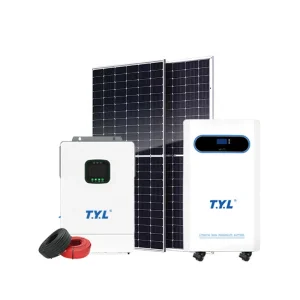
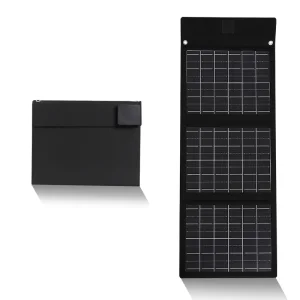
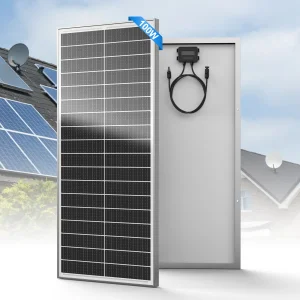
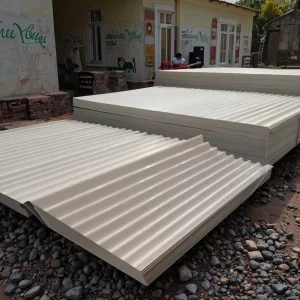
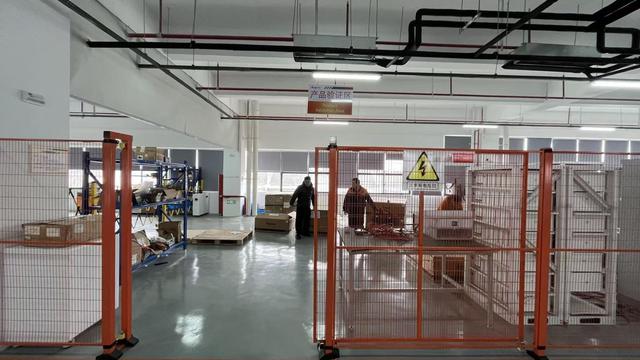
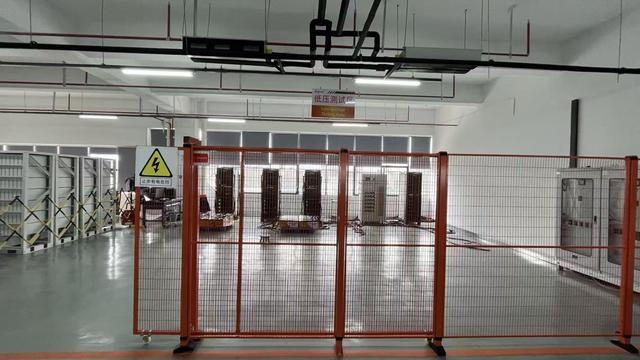
Our production facilities feature automated assembly lines and clean-room environments designed to meet strict international solar quality standards.
 GAF Solar