Explore our core industrial grade solar components, optimized for peak durability and low LCOE across diverse deployment conditions.
Ningbo GAF Solar Co., Ltd. is a leading tier-tier aligned Solar Panel Manufacturer specializing in high-performance Monocrystalline, Bifacial & High-Efficiency PV Modules. Our commitment lies in formulating robust solar energy hardware designed to supply residential networks, heavy-duty commercial installations, and utility-scale grids worldwide. Operating from our state-of-the-art technological manufacturing facilities in Ningbo, China, we seamlessly link precise manufacturing technology, strict automated assembly line protocols, and comprehensive validation metrics to maximize the energy yield and reliability of every module produced.
By leveraging custom production approaches, GAF Solar serves as a vital global partner for OEM & ODM Solar Solutions. We coordinate with Engineering, Procurement, and Construction (EPC) contractors, multinational solar developers, system distributors, and private-label brands. From architectural layout reviews to mechanical and electrical integration, we ensure our high-output PV products satisfy the rigorous parameters of international energy markets.
We believe in high-integrity engineering. Through the utilization of premium-grade silicon, superior weather-resistant packaging matrices, and optimized structural components, our PV systems deliver outstanding efficiency under varying light, high-temperature, and corrosive conditions.
The integration of sustainable energy systems is transitioning from regulatory compliance to core operational strategy.
Levelized Cost of Energy (LCOE) acts as the ultimate compass in industrial power deployments. By focusing on N-Type TOPCon and high-density bifacial architectures, we minimize balance of system (BOS) configurations while maximizing long-term yields, mitigating volatility in grid pricing.
Global regulatory landscapes, including the European Green Deal, US IRA, and strict carbon accounting requirements, mandate heavy industry to reduce Scope 2 greenhouse emissions. On-site solar serves as the foundation for immediate compliance.
Extreme weather and grid infrastructure overloads pose substantial risks to manufacturing continuity. Hybrid, energy storage-integrated solar microgrids supply structural self-sufficiency, ensuring uninterrupted plant operations.
Understanding the solid-state physics and design choices driving modern commercial PV modules.
The transition from P-type PERC to N-type TOPCon monocrystalline cells represents a major milestone in solar physics. N-type silicon relies on phosphorus doping rather than boron, eliminating Light-Induced Degradation (LID) and LeTID. TOPCon technology adds an ultra-thin silicon oxide tunnel layer followed by highly doped polycrystalline silicon.
This configuration reduces surface carrier recombination, driving industrial efficiency limits up to 23.8% and above. Additionally, the improved temperature coefficient of N-type cells (-0.30%/°C) ensures stable power delivery in high-heat desert environments.
By capturing reflected sunlight (albedo) from the ground or surrounding roof surfaces, double-glass bifacial solar modules generate up to 25% more energy compared to monofacial equivalent panels. The bifaciality factor—representing the ratio of rear-side efficiency to front-side efficiency—reaches up to 80-85% in GAF Solar's modern dual-glass layouts.
| Parameters | Legacy P-Type PERC | N-Type TOPCon | Heterojunction (HJT) |
|---|---|---|---|
| Cell Efficiency Limit | ~22.8% | ~25.4% | ~26.0% |
| Bifaciality Factor | 65% - 70% | 80% - 85% | 85% - 90% |
| Temp. Coefficient | -0.35% / °C | -0.30% / °C | -0.26% / °C |
| First-Year Degradation | 2.0% | 1.0% | 1.0% |
| Annual Degradation | 0.55% | 0.40% | 0.37% |
Table 1.0: Quantitative physical performance comparisons between primary silicon technologies.
From customized dimensions to optimized electrical configurations, our production lines adapt to your project specifications.
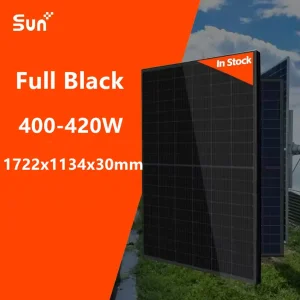
We supply diverse frame options (anodized black aluminum alloy, clear silver), varied glass thicknesses (2.0mm dual-glass for utility scale, 3.2mm tempered single glass), and specialized flexible, ultra-thin profiles designed for load-limited structures.
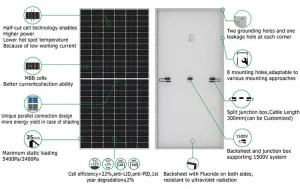
Configure custom string lengths, customized bypass diodes, split junction boxes with varied cable lengths (designed for portrait or landscape orientation), and specialized 1000V/1500V system compatibility parameters.
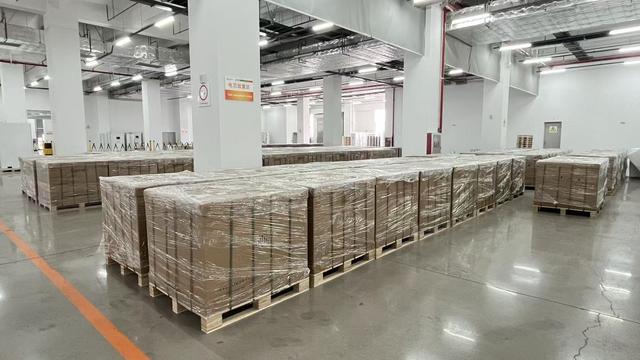
We provide full B2B branding support. This includes customized packaging designs, high-durability pallet setups, custom corner protection systems, and branding integration directly printed onto the backsheet or framing.
Adapting solar design to varied geographic conditions and architectural constraints.
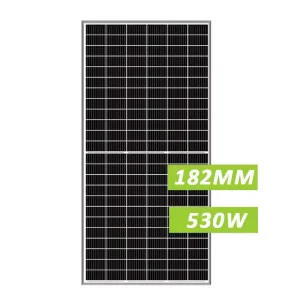
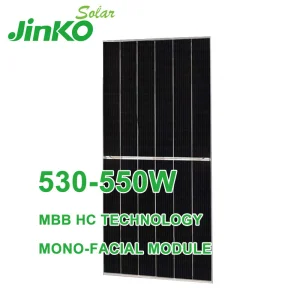
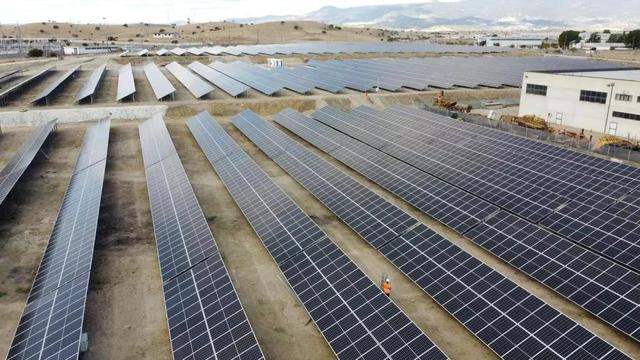
Large manufacturing facilities and logistics warehouses often present vast, unused roof areas. Our high-durability 500W-550W modules, paired with advanced non-penetrative mounting racking or lightweight ballasted structures, convert roofs into on-site power generators, lowering grid-derived operation costs.
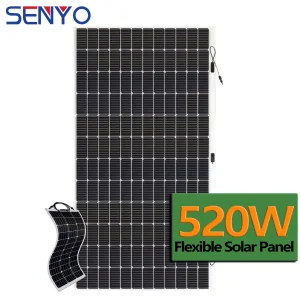
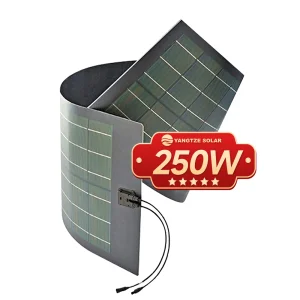
Older warehouse roofs, metal-clad structures, and curved surfaces cannot withstand heavy steel framing and thick glass panels. In these cases, GAF Solar's Custom Flexible Solar Panels (200W-520W) provide a lightweight solution. These panels mount directly using structural adhesives, ensuring weather-tight integration without penetrations.
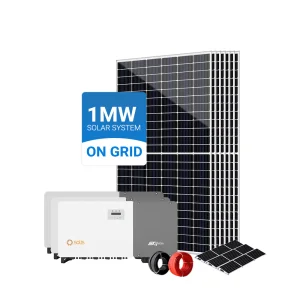
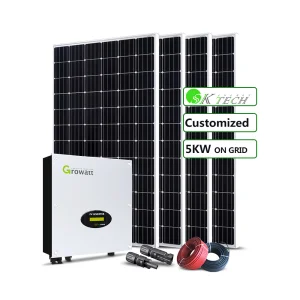
Remote mining sectors, off-grid telecom stations, and agricultural pump systems rely on standalone systems. GAF Solar's 1MW on-grid systems and 5KW-30KW off-grid hybrid packages, utilizing high-efficiency MPPT charge controllers and rugged framing, deliver consistent power under extreme remote conditions.
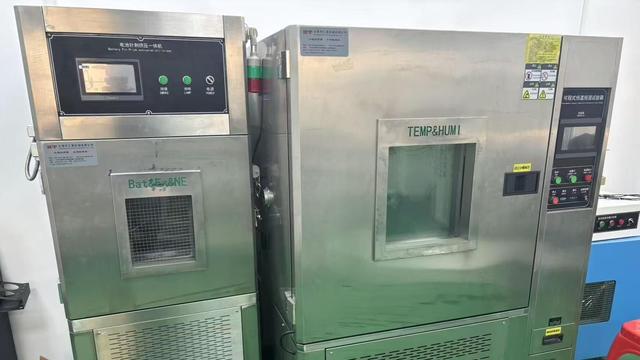
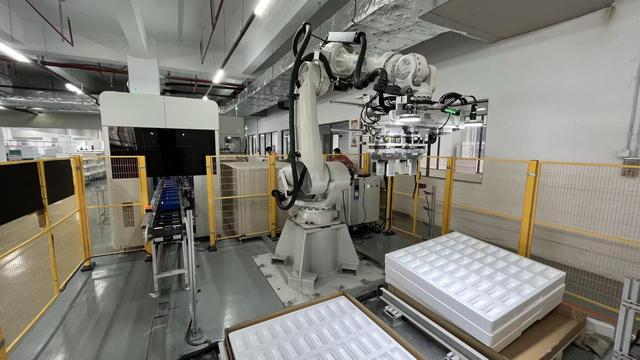
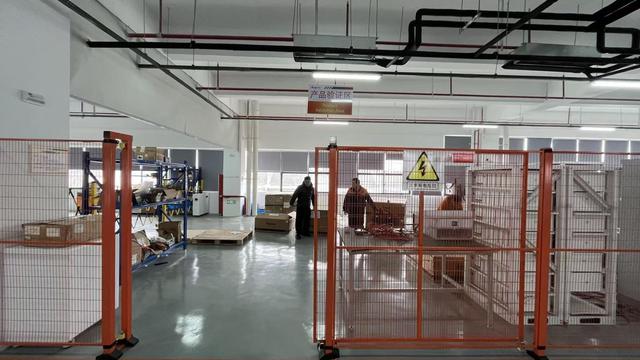
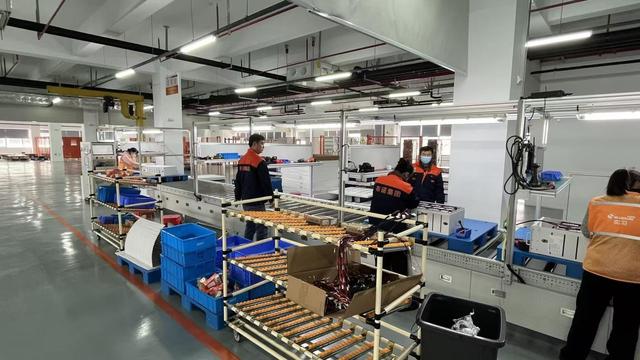
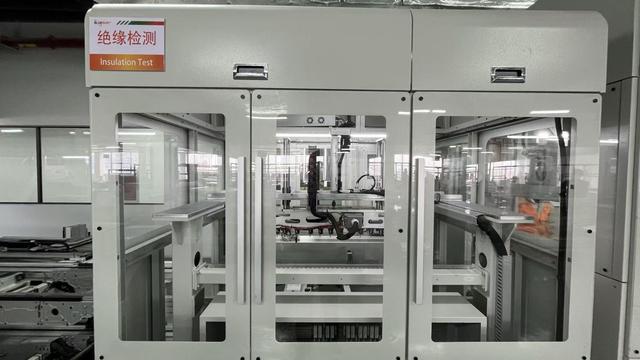
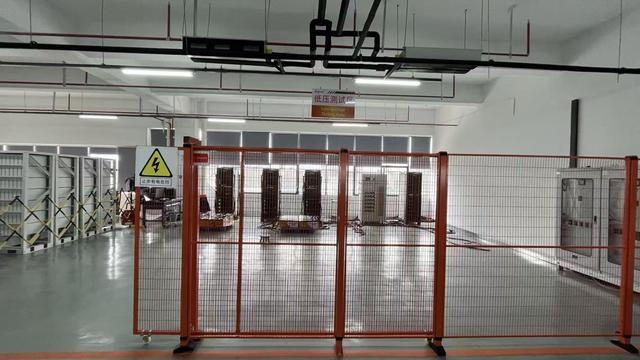
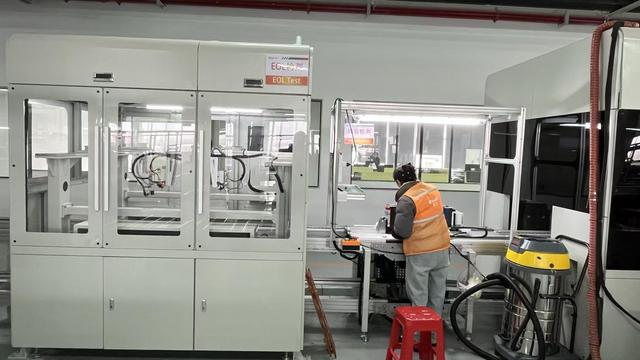
Our Ningbo manufacturing facility utilizes automated production technology and quality control systems to ensure long-term durability and safety.
Every single GAF Solar module undergoes strict quality checks before shipping. Our quality verification includes:
Our facility holds ISO 9001, ISO 14001, and ISO 45001 management certifications. We monitor raw material sourcing, selecting high-grade EVA/POE encapsulation films, high-transmittance anti-reflective glass, and durable junction boxes to ensure our panels deliver consistent performance over their 30-year lifetime.
Simplifying importing, approvals, and system integration for our international partners.
GAF Solar panels are certified to comply with international regulatory frameworks:
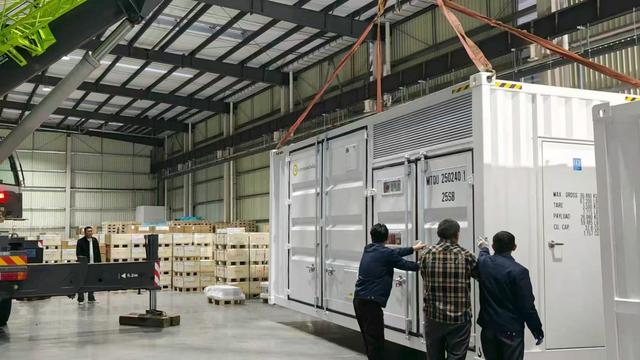
Exporting from Ningbo's port allows us to manage shipping logistics efficiently, reducing transport times and fees. We provide complete documentation support, detailed product data sheets, and custom packaging configurations to streamline importing and customs clearance.
Essential answers for EPC developers, procurement officers, and wholesalers.
Browse our full range of solar solutions, from high-output residential panels to megawatt-scale industrial systems.
 GAF Solar