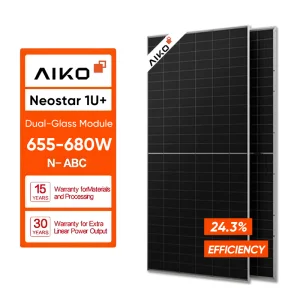
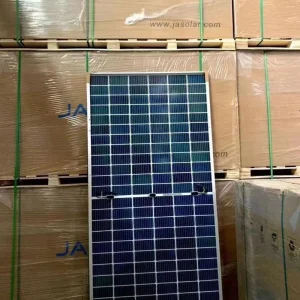
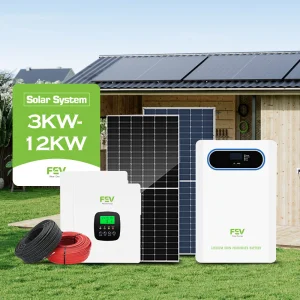
High-efficiency mono/bifacial solar panels and structures engineered to match precise Solar Resource Assessment (SRA) parameters globally.
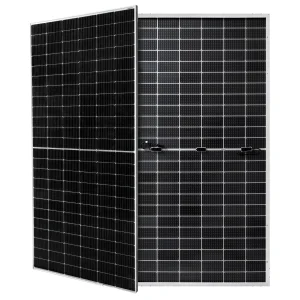
Ningbo GAF Solar Co., Ltd. is a professional Solar Panel Manufacturer | Monocrystalline, Bifacial & High Efficiency PV Modules dedicated to providing reliable solar energy solutions for residential, commercial, industrial, and utility-scale applications worldwide. With a strong commitment to renewable energy innovation, the company delivers advanced photovoltaic products designed to maximize energy generation, efficiency, and long-term performance.
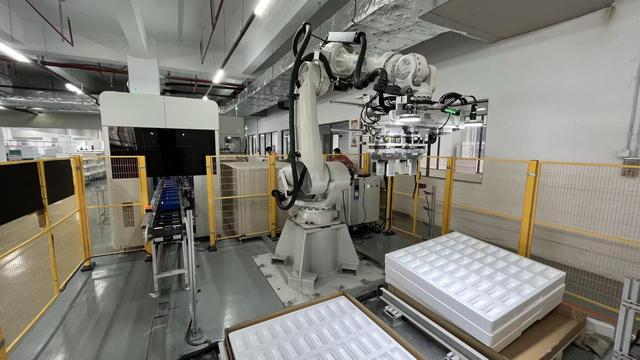
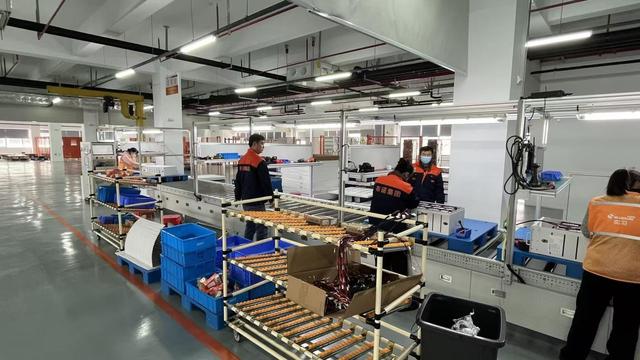
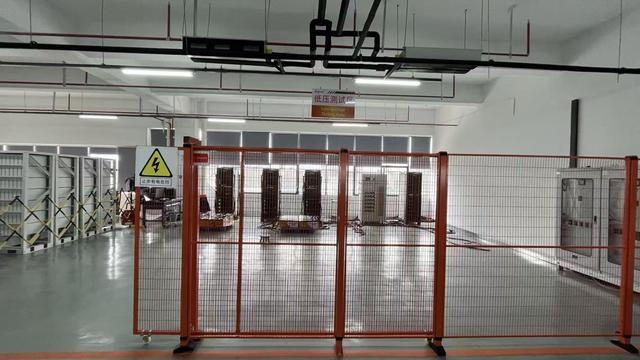
Based in Ningbo, China, GAF Solar operates modern manufacturing facilities equipped with advanced production technologies, automated assembly lines, and comprehensive quality control systems. The company specializes in the development and production of monocrystalline solar panels, bifacial solar modules, high-efficiency photovoltaic panels, rooftop solar solutions, commercial solar systems, industrial solar installations, and customized PV energy projects.
GAF Solar focuses on technological innovation and product reliability. By utilizing premium-grade solar cells, durable materials, and precision manufacturing processes, the company produces solar modules capable of delivering excellent power output, superior weather resistance, and long operational lifespans. Every product undergoes rigorous testing and quality inspections to ensure compliance with international standards and the demanding requirements of global energy markets.
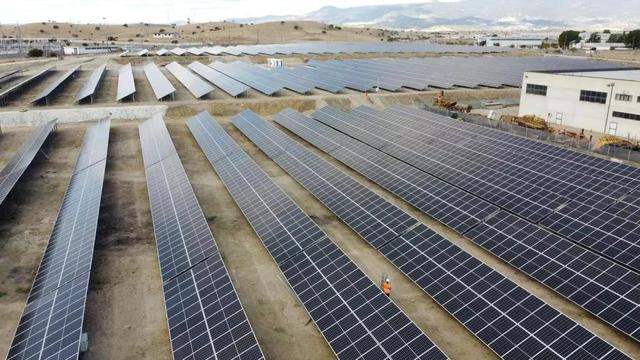
A professional deep-dive into meteorological data modeling, sensor arrays, and yield optimization parameters.
Solar Resource Assessment (SRA) begins by breaking down solar radiation into its fundamental components: Global Horizontal Irradiance (GHI), Direct Normal Irradiance (DNI), and Diffuse Horizontal Irradiance (DHI). These metrics dictate the selection of PV module structures (fixed-tilt vs. single-axis trackers). For utility-scale projects, accurate GHI estimation determines bankability, defining P50/P90 energy generation projections that global financial institutions demand before extending capital.
Relying solely on historical satellite data introduces high margin-of-error uncertainty. Tier-1 engineering demands that satellite-derived models (from sources like Solargis or Meteonorm) be systematically calibrated using high-frequency on-site meteorological ground stations. By assessing ground-level factors such as albedo (surface reflectivity), ambient dust accumulation (soiling rate), and micro-climate wind profiles, developers can optimize the placement of high-efficiency Bifacial Modules to unlock significant secondary generation gains.
Advanced SRA allows developers to build robust meteorological modeling scenarios that simulate solar intermittency and degradation curves over a 25-year lifecycle. Incorporating N-type TOPCon solar panels with extremely low degradation coefficients ensures that the physical hardware matches the simulated resource trajectory. The integration of high-resolution resource assessment minimizes energy production variances, reducing debt-service coverage ratio (DSCR) risks for project financiers.
Aligning physical manufacturing strengths with localization requirements across various hemispheres.
Navigating global photovoltaic markets requires meticulous adherence to regional building codes, grid connection policies, and environmental standards. GAF Solar modules are fully certified across major international compliance frameworks, including IEC 61215 and IEC 61730 for structural and electrical safety, UL 61730 for North American installations, CE for the European Economic Area, and localized certificates such as INMETRO (Brazil) and MCS (United Kingdom). This ensures that developers can transition from localized SRA modeling straight into grid integration without regulatory friction.
Located in the heart of China’s photovoltaic manufacturing cluster, GAF Solar leverages massive vertical integration. From high-grade silicon sourcing and advanced monocrystalline wafer slicing to automated cell fabrication, the Chinese supply chain keeps production highly cost-effective and structurally optimized. Additionally, Ningbo’s geographic proximity to the Port of Ningbo-Zhoushan—one of the world's largest deep-water cargo hubs—reduces overland shipping costs and drastically shortens global transit times, providing an unmatched logistical moat for international buyers.
Global utility procurement is transitioning away from older P-type PERC technology toward N-type TOPCon and Heterojunction (HJT) cells. These advanced architectures offer reduced LID (Light Induced Degradation), superior temperature coefficients (-0.30%/°C), and higher bifaciality factors. Procurement teams require strict supply-chain transparency and ESG auditing. GAF Solar’s OEM & ODM services provide complete structural and material flexibility, supporting private labeling and tailored bill-of-materials (BOM) configurations for major international project portfolios.
Adapting PV module deployment strategies to diverse geographic and climate environments.
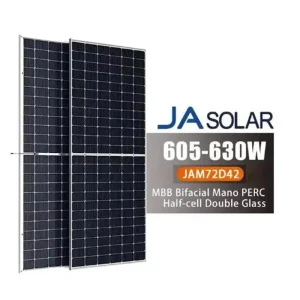
Desert locations boast high DNI but suffer from extreme ambient temperatures and rapid dust accumulation (soiling). Deploying high-efficiency double-side half-cell modules (like the 655W–680W Bifacial models) allows developers to capture ground reflection from sandy soil (albedo 0.35–0.45), compensating for high-temperature degradation losses. Anti-soiling hydrophobic glass coatings are also crucial to keep maintenance and water cleaning cycles manageable.
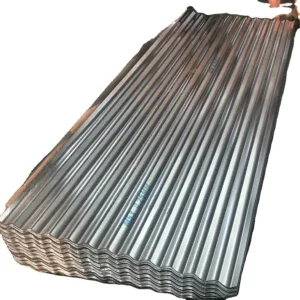
Coastal areas present challenges such as high salt mist, relative humidity, and wind shear. Modules require high PID (Potential Induced Degradation) resistance, heavy-duty POE encapsulant materials, and anodized aluminum frames. Combined with anti-corrosive PPGL/PPGI metal structural systems, these systems withstand Category-12 typhoons and marine environments while delivering stable power generation over decades.
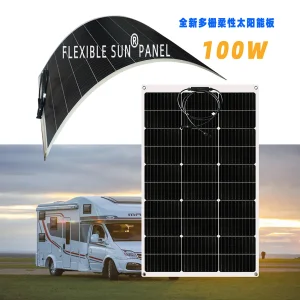
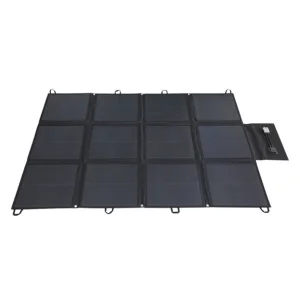
Commercial and industrial rooftops require lightweight solutions to avoid exceeding structural structural load limits. Building Integrated Photovoltaics (BIPV) and flexible PERC monocrystalline panels (100W–300W) allow for installation on curved surfaces and low-load industrial roofs without penetrating the waterproofing layers. This expands the usable solar generation footprint to vertical glass facades and lighter-gauge corrugated metal roofs.
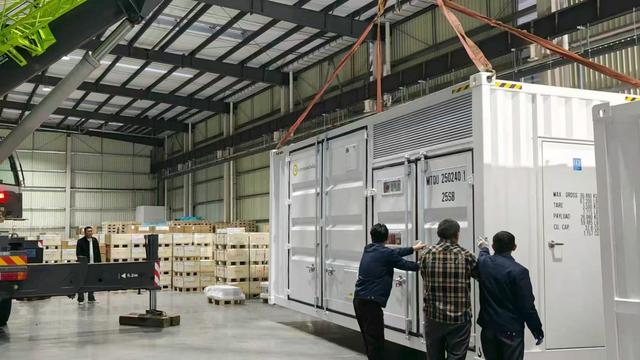
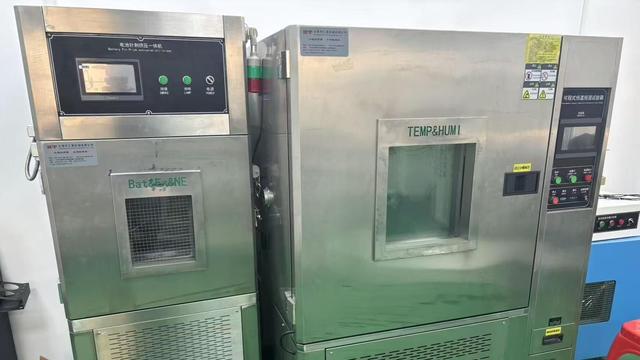
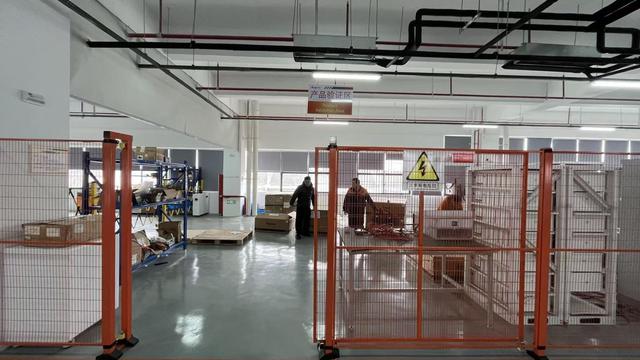
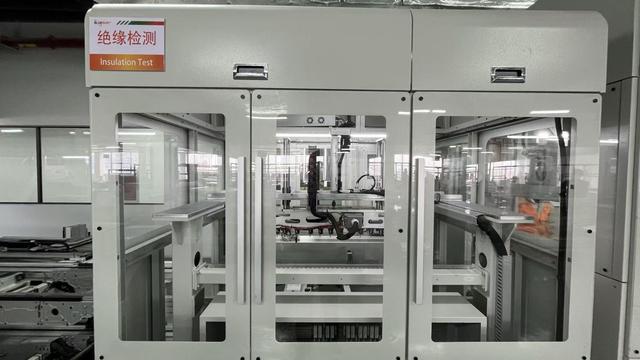
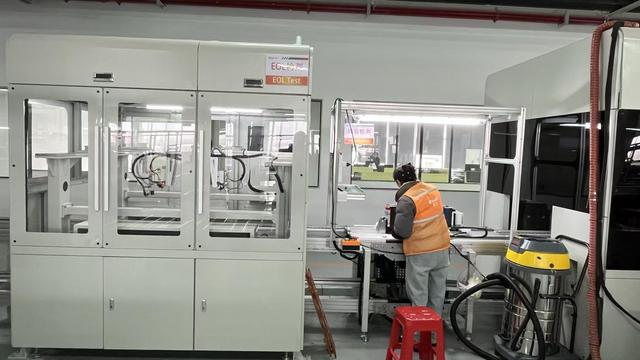
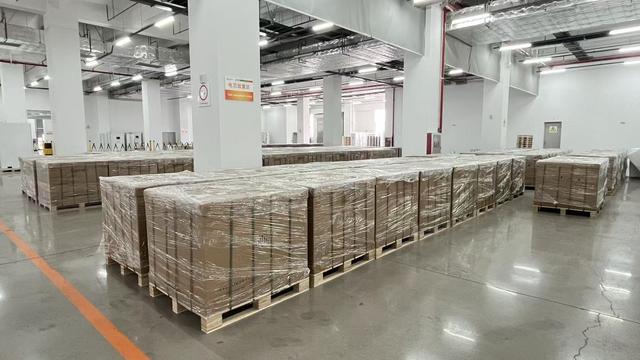
Rigorous quality inspection, automated packaging, and professional logistics management at our Ningbo manufacturing center.
Technical answers to critical questions regarding Solar Resource Assessment, PV module selection, and procurement logistics.
SRA calculates the expected solar irradiance (GHI, DNI, DHI) at a specific project location. By modeling local climatic variations, albedo, and temperature profiles, developers can estimate the system's P50/P90 annual energy production. This assessment directly dictates financial bankability, helping developers secure competitive interest rates and debt financing.
N-type TOPCon solar panels exhibit higher efficiency limits, a superior bifaciality factor (up to 85%), lower annual degradation (0.4% vs 0.55% for P-type), and a better temperature coefficient (-0.30%/°C). This makes TOPCon modules more productive in high-temperature environments, generating higher lifetime energy yields per watt installed.
We offer flexible manufacturing customization including module dimensions, cell layout configurations, black-out aesthetics, junction box variations, MC4 cable extensions, and custom packaging. This supports private-label distributors, utility developers, and EPC contractors worldwide in meeting specific grid and structural layout requirements.
For European grids, modules require CE, MCS (UK), TUV SUD/Nord certifications proving compliance with IEC 61215 and IEC 61730 safety standards. For North American grids, UL 61730 certification, listing under clean energy databases (like California Energy Commission - CEC), and strict fire rating compliance are required.
Ningbo-Zhoushan Port is the world's busiest cargo port, offering weekly direct shipping routes to major ports in North America, Europe, Southeast Asia, South America, and Africa. This geographic advantage minimizes domestic inland logistics costs, guarantees container availability, and shortens overall transit times.
We provide a 12-year structural and workmanship warranty on all monocrystalline modules, alongside a 25-to-30-year linear performance warranty. This performance warranty guarantees that module power output will remain above 80% to 87.4% (depending on N-Type or P-Type technology) of the nominal output rating by year 25 or 30.
Flexible off-grid solar kits, BIPV panels, lightweight flexible modules, and utility power equipment.
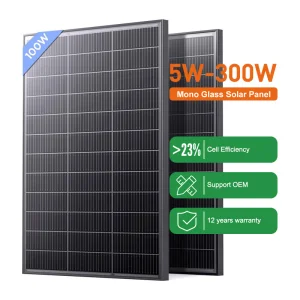
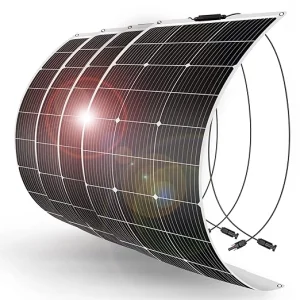
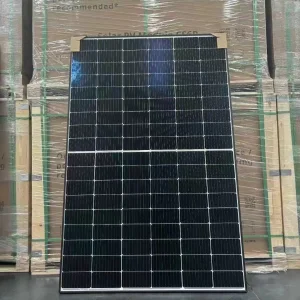
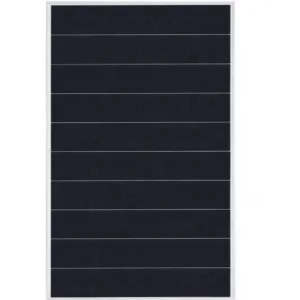
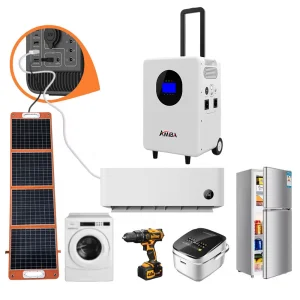
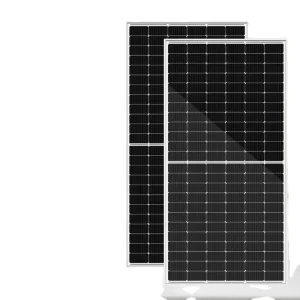
NINGBO GAF SOLAR CO., LTD. serves distributors, EPC contractors, solar developers, energy solution providers, and private-label brands across North America, Europe, Southeast Asia, the Middle East, Africa, and Latin America. We support our customers through every stage of development, from project engineering and automated production to shipment and after-sales support.
By using premium-grade cells, durable backsheets, and high-transmission tempered glass, we manufacture solar modules built for excellent output and weather resistance. Every product undergoes strict EL (electroluminescence) testing and flash tests to ensure complete micro-crack-free quality before packaging.
Through continuous innovation and a customer-focused approach, GAF Solar remains committed to accelerating the global transition toward clean, renewable energy and creating long-term value for partners around the world.
 GAF Solar