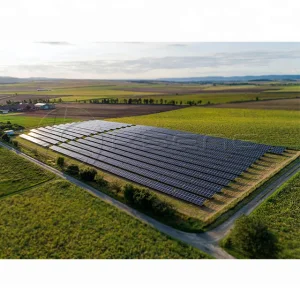
Engineered for Victorian microclimates, maximizing photosynthetically active radiation (PAR) while securing continuous renewable power generation.
Victoria is undergoing a massive transition in both its agricultural production and energy infrastructure. With Melbourne's outer-ring municipalities, such as the Yarra Valley, Mornington Peninsula, and Werribee South, serving as major horticultural hubs, the pressure to integrate clean energy into productive land is higher than ever. Victorian farms face dual challenges: escalating electricity prices for cold storage and irrigation pumping, alongside weather unpredictability driven by climate change.
"Agrivoltaics (Agri-PV) represent the co-location of agricultural operations and photovoltaic power generation. In Victoria, our research and deployment focus on maintaining high agricultural yields while generating premium carbon-offset energy."
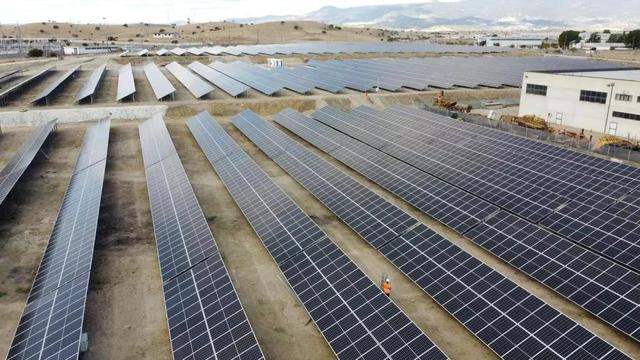
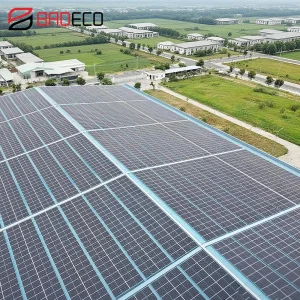
Unlike traditional solar farms which exclude agriculture, Agrivoltaic systems utilize elevated mounting configurations and optimized inter-row spacing. This architectural design allows sheep grazing, viticulture, and vegetable production to continue directly beneath the solar canopy. In Melbourne’s surrounding rural zones, where water conservation is critical, the partial shade provided by these specialized modules reduces soil moisture loss by up to 20-30%, creating a protective microclimate that buffers crops against severe heatwaves.
Offset the escalating costs of cold storage, processing facilities, and high-energy irrigation systems in regional Victoria.
Secure long-term financial stability by creating an additional energy revenue stream alongside traditional livestock or crop output.
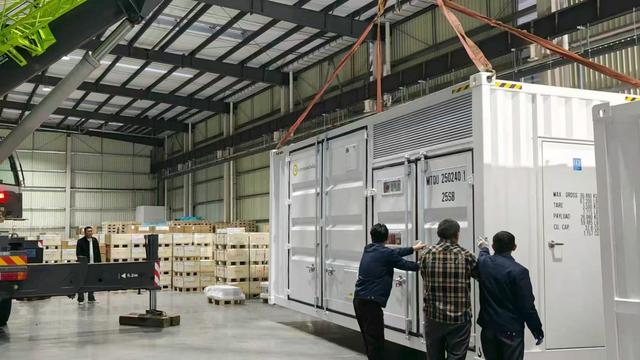
Integrate on-site energy storage (BESS) with smart agricultural PV arrays to safeguard against transmission line drops.
On a global scale, Agrivoltaics has transitioned from pilot projects to utility-scale commercial viability. Countries across Europe and North America have established national standards defining crop-to-panel ratios, minimum clearances, and light transmittance levels. Ningbo GAF Solar Co., Ltd. bridges this global engineering knowledge with Australian ground operations, designing high-output, durable mounting structures and panels that align with Victoria’s strict regulatory and environmental profiles.
To maintain high E-E-A-T standards, we outline the primary technical approaches to Agri-PV below:
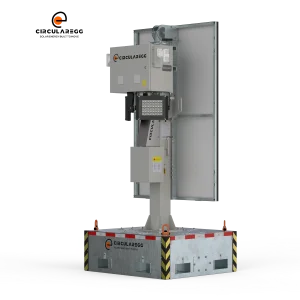
These systems raise PV modules to heights between 2.5 and 5 meters. This allows farm vehicles (such as tractors and harvesters) to move safely beneath the solar arrays. In Melbourne's cool-climate vineyards, smart dynamic tracking systems pivot panels to allow optimal sunlight exposure for wine grapes during ripening, while shading the vines during extreme heat waves.
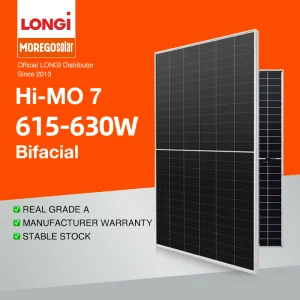
Utilizing vertical bifacial panels oriented East-West, this configuration leaves the space between rows entirely unobstructed for machinery. Peak power generation occurs in the morning and afternoon, aligning closely with standard agricultural operational loads. This layout is particularly useful in broadacre cereal cropping and pasture rotations.
Integrating solar panels with biological systems requires a deep understanding of local farm operations. We focus on four major agricultural systems in Melbourne's surrounding areas:
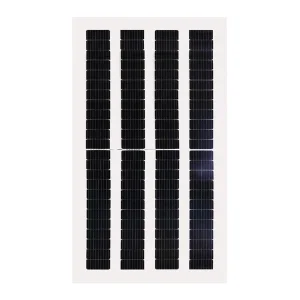
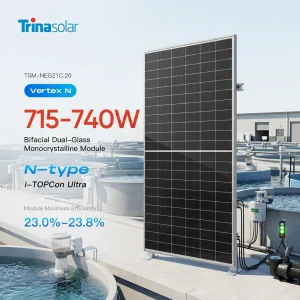
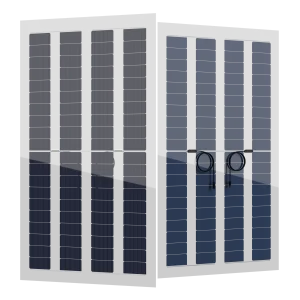
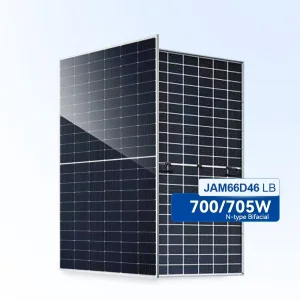
Leafy greens, brassicas, and nightshades benefit significantly from filtered light. By using transparent, double-glass N-Type bifacial solar panels, farmers can control light transmittance, preventing leaf-scorch and lowering water evaporation from irrigation spray.
Dairy cattle and sheep require shade to prevent heat stress, which directly impacts milk and wool yields. Elevated solar arrays act as durable shelter belts while generating power. The pasture under the panels maintains higher nutritional value during dry summer spells due to retained soil moisture.
Modern greenhouses require substantial heating, ventilation, and cooling (HVAC) systems. Utilizing semi-transparent solar glass on greenhouse roofs creates a self-powering ecosystem, allowing crop cultivation directly beneath active power generators without blocking essential solar spectra.
Pond-based aquaculture systems can integrate floating solar or solar-canopied aeration pumps. Reducing water temperature swings via solar shading optimizes growth cycles for fish and crustacean farming.
Deploying solar installations on active farms requires strict compliance with Australian regulatory frameworks. Any commercial-scale Agri-PV project must be designed and installed in accordance with:
Furthermore, integration into local network grids managed by Victorian Distribution Network Service Providers (DNSPs) like Powercor, AusNet, and Jemena requires specialized engineering. Our system components support dynamic export control, zero-export limits, and high-voltage grid connections, ensuring seamless approvals for commercial operations.
Ningbo GAF Solar Co., Ltd. is a professional Solar Panel Manufacturer | Monocrystalline, Bifacial & High Efficiency PV Modules dedicated to providing reliable solar energy solutions for residential, commercial, industrial, and utility-scale applications worldwide. With a strong commitment to renewable energy innovation, the company delivers advanced photovoltaic products designed to maximize energy generation, efficiency, and long-term performance.
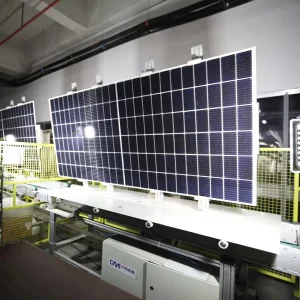
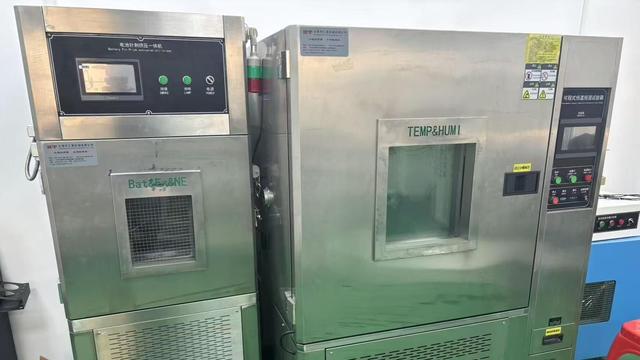
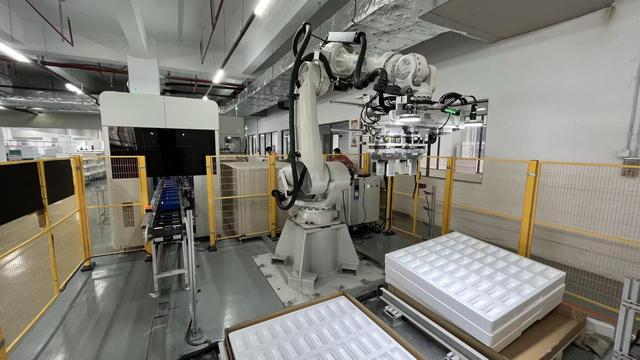
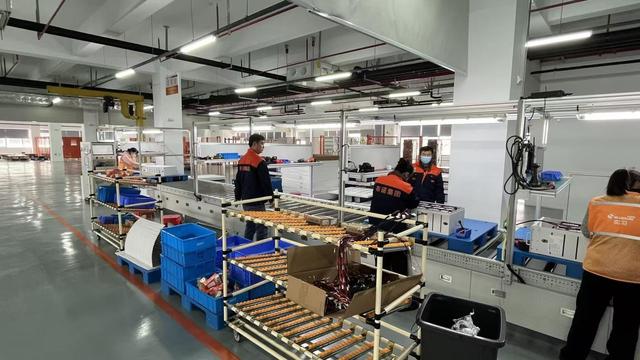
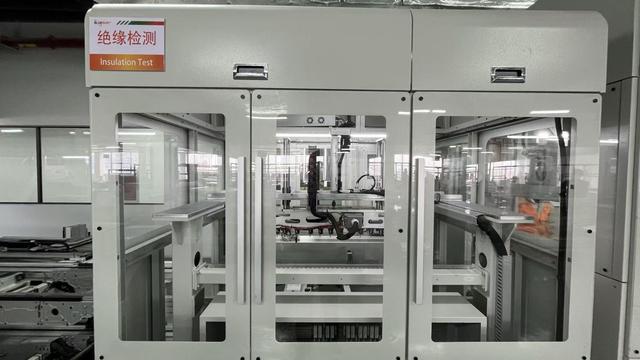
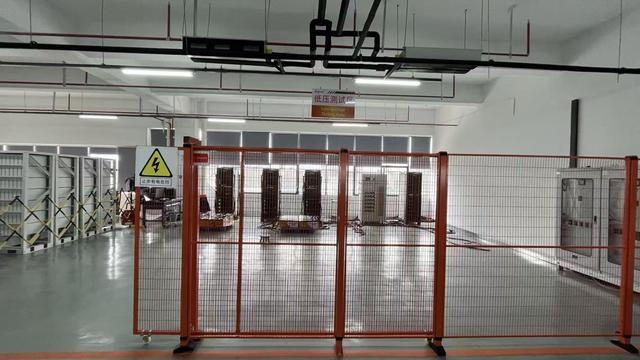
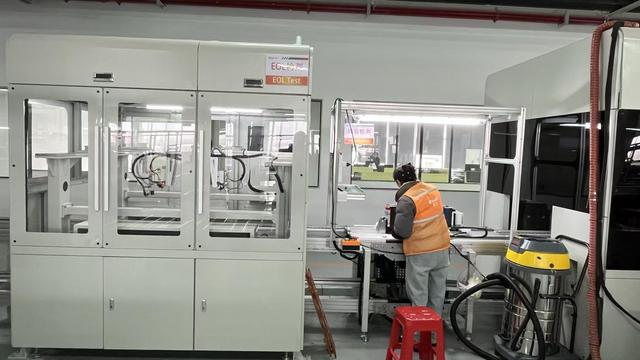
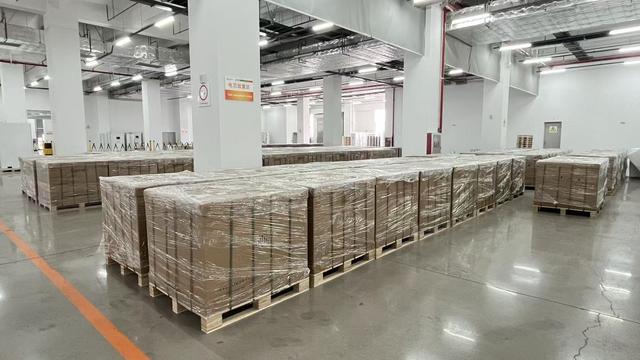
Based in Ningbo, China, GAF Solar operates modern manufacturing facilities equipped with advanced production technologies, automated assembly lines, and comprehensive quality control systems. The company specializes in the development and production of monocrystalline solar panels, bifacial solar modules, high-efficiency photovoltaic panels, rooftop solar solutions, commercial solar systems, industrial solar installations, and customized PV energy projects.
GAF Solar focuses on technological innovation and product reliability. By utilizing premium-grade solar cells, durable materials, and precision manufacturing processes, the company produces solar modules capable of delivering excellent power output, superior weather resistance, and long operational lifespans. Every product undergoes rigorous testing and quality inspections to ensure compliance with international standards and the demanding requirements of global energy markets.
In addition to manufacturing high-performance solar panels, GAF Solar offers comprehensive OEM and ODM services, supporting distributors, EPC contractors, solar developers, energy solution providers, and private-label brands. The company provides flexible customization options, professional technical support, and efficient project coordination from design and production to shipment and after-sales service.
Serving customers across North America, Europe, Southeast Asia, the Middle East, Africa, and Latin America, Ningbo GAF Solar Co., Ltd. has established a reputation for quality, reliability, and customer-focused service. Through continuous innovation and sustainable manufacturing practices, the company remains committed to accelerating the global transition toward clean, renewable energy and creating long-term value for partners around the world.
The next generation of Agrivoltaics will move beyond static structures toward fully dynamic, smart-managed ecosystems. Our technical roadmap integrates real-time agricultural parameters with energy generation data:
Answering key technical and economic questions regarding dual-use agricultural solar arrays in Victoria.
Explore our complete range of certified agricultural, commercial, and utility-scale solar modules.
 GAF Solar