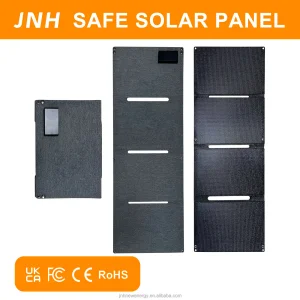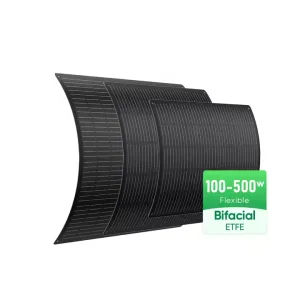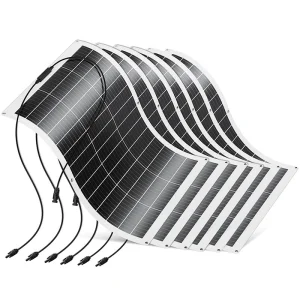
Colombia is currently undergoing a structural shift in its energy matrix. Propelled by the **Unidad de Planeación Minero Energética (UPME)** and the national decarbonization goals, the country is rapidly deploying solar technology. While utility-scale projects dominate the flat plains of Cesar and the high-irradiance deserts of La Guajira, Commercial & Industrial (C&I) sectors face a massive physical constraint: roof structural integrity.
Industrial parks in **Bogotá, Medellín, and Cali** feature corrugated metal roofs, lightweight warehouse designs, and historical structures that cannot bear the structural weight of traditional glass solar modules (typically 15-20 kg/m² once racking and ballast are added). This is where high-efficiency flexible solar panels are revolutionizing commercial solar installations.
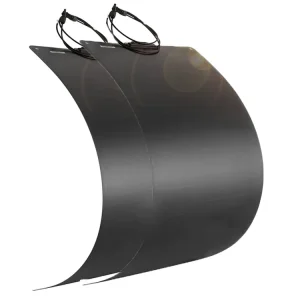
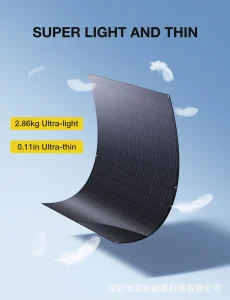
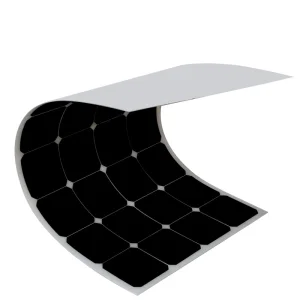
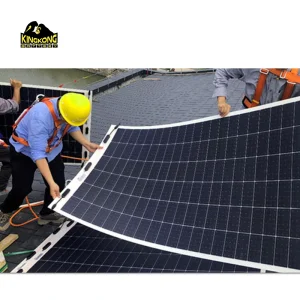
Weight constraints are no longer barriers. Flexible PV panels weighing less than 2.5 kg/m² enable immediate solar integration without the need for expensive structural reinforcements or roof penetration.
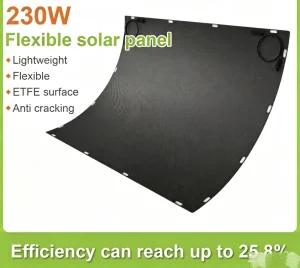
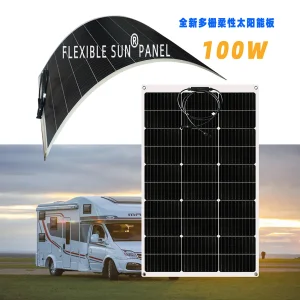
Flexible solar panels utilize state-of-the-art materials like **ETFE (Ethylene Tetrafluoroethylene)** and monocrystalline **PERC (Passivated Emitter and Rear Cell)** technology to deliver exceptional performance. With up to 248 degrees of bendability, these lightweight modules adapt seamlessly to curved surfaces, metal decks, and membranes typical in commercial real estate across Colombia.
Additionally, Colombia’s unique geographical position presents varying microclimates. From the high UV indexes of high-altitude cities like Bogotá (2,600m above sea level) to the saline, high-temperature coastal environments of Barranquilla and Cartagena, flexible panels must be engineered to resist extreme environmental degradation. Our ETFE-coated flexible panels provide the necessary chemical resistance, UV protection, and thermal tolerance required to operate efficiently under these diverse conditions.
Weighing only 2.2 kg to 2.8 kg per square meter, flexible panels are up to 70% lighter than standard glass modules, removing the need for costly structural reinforcement on old or lightweight metal roofs.
Our dual-layer ETFE coating boasts 95% light transmittance, self-cleaning properties, and exceptional resistance to UV and marine salt spray, outperforming cheap PET panels which yellow and delaminate.
No drilling, no heavy structural rails, and no roof penetration. The panels are bonded directly to the roof substrate using structural silicone or industrial-grade adhesive tapes, preventing potential leaks.
| Technical Parameter | Ningbo GAF Solar ETFE Flexible PV | Standard Rigid Glass Modules | Low-cost PET Flexible Panels |
|---|---|---|---|
| Weight / sqm | 2.2 - 2.8 kg | 15.0 - 22.0 kg | 1.8 - 2.2 kg |
| Installation Method | Direct adhesive backing / Grommets | Aluminium mounting rails & Ballasts | Adhesive backing |
| Bending Radius | Up to 30 degrees (Curved profiles) | 0 degrees (Rigid) | Up to 15 degrees |
| Lifespan & Degradation | 25-Year Performance Warranty (ETFE) | 25-Year Performance Warranty | 2-5 Years (Rapid UV degradation) |
| Wind & Snow Load | 2400 Pa / 5400 Pa (Surface integrated) | 2400 Pa / 5400 Pa | < 1200 Pa |
| Salt & Ammonia Resistance | Excellent (IEC 61701 Certified) | Excellent | Poor (Susceptible to moisture ingress) |
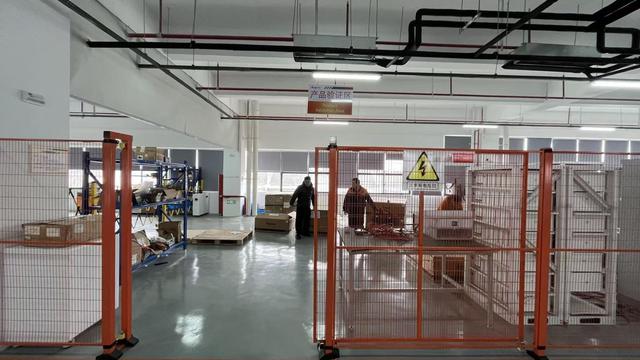
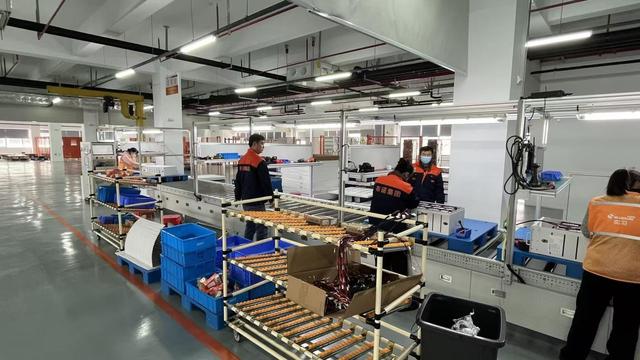
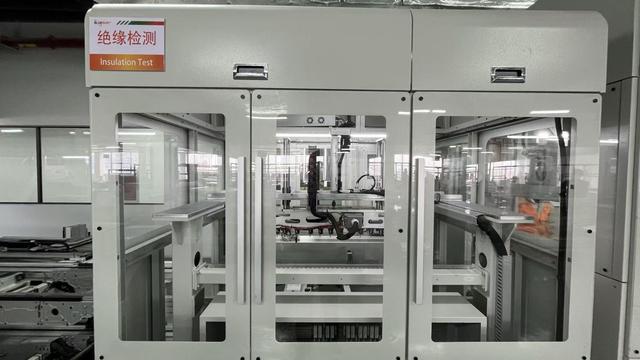
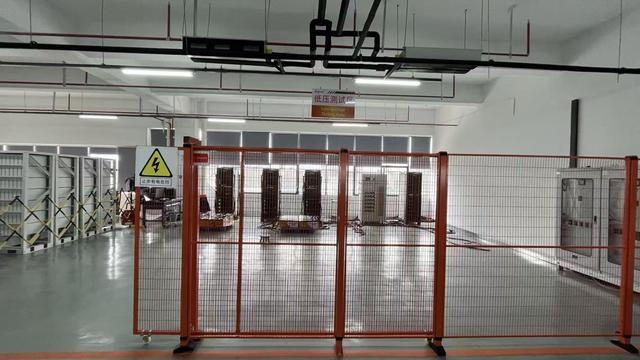
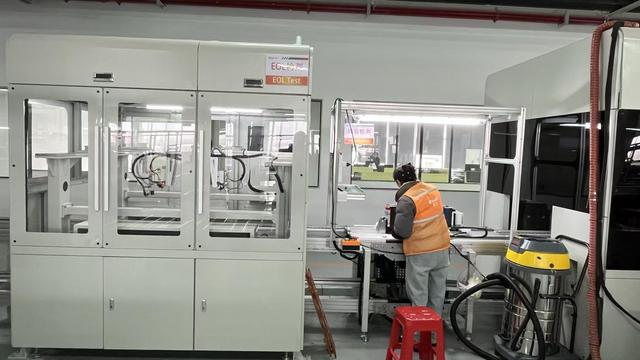
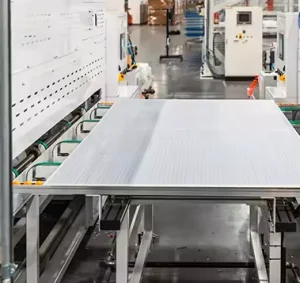
Based in the manufacturing hub of Ningbo, China, Ningbo GAF Solar Co., Ltd. is a leading manufacturer specializing in high-performance solar panels, including monocrystalline, bifacial, and flexible PV modules. Our state-of-the-art production facilities leverage automated assembly, stringer technologies, and comprehensive multi-stage electroluminescence (EL) testing to eliminate cell micro-cracks before shipment.
By operating near the Ningbo-Zhoushan Port, the world's largest port by cargo throughput, we offer streamlined logistics to South American markets, ensuring fast, cost-effective freight to major Colombian ports like Buenaventura, Cartagena, and Barranquilla.
The Colombian government actively supports clean energy through robust financial frameworks. Under Ley 1715 of 2014 (updated via Ley 2099 of 2021), organizations investing in photovoltaic systems can access key incentives:
Any photovoltaic system operating in Colombia must comply with the Reglamento Técnico de Instalaciones Eléctricas (RETIE). RETIE certification ensures that products meet strict safety guidelines to protect the electrical infrastructure and installers. Importing uncertified PV equipment can lead to severe custom delays, fines, or rejection by local grid operators (such as Codensa, EPM, or Celsia) during the project interconnection process.
We provide full documentation, including certificates of conformity, factory test reports, and compliance details to support the RETIE audit process.
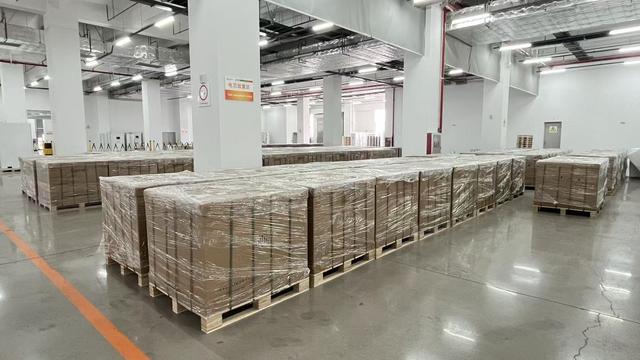
Specialized packaging prevents micro-cracks during the transit from Ningbo Port through the Panama Canal to Colombia.
Ideal for logistics centers, cold chain storage facilities, and factories in the industrial zones of Bogotá and Medellín, where metal deck roofs cannot support heavy, glass-paneled structures.
Off-grid glamping sites and boutique resorts in the Coffee Triangle (Quindío) or Tayrona National Park leverage flexible panels on architectural tents, domes, and lightweight wooden structures.
In Non-Interconnected Zones (Zonas No Interconectadas) such as La Guajira, Chocó, and the Amazon, where transport infrastructure is limited, lightweight panels are significantly easier and cheaper to transport via boat or light aircraft.
 GAF Solar