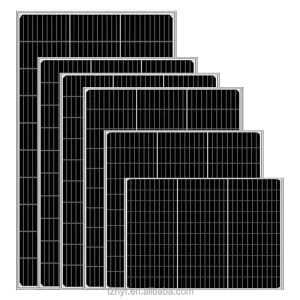
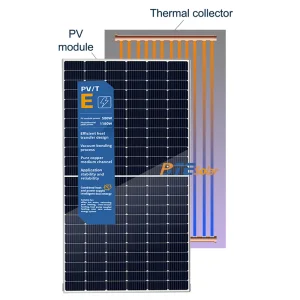
High-efficiency photovoltaic modules engineered to deliver optimal yields in hot, humid tropical climates.
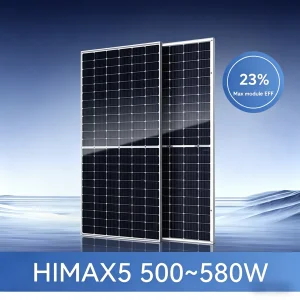
Malaysia is positioned as a pivotal hub for renewable energy expansion in Southeast Asia. Driven by the Malaysian government’s ambitious target under the National Energy Transition Roadmap (NETR)—aiming for 70% renewable energy capacity in the power generation mix by 2050—the demand for high-efficiency solar photovoltaic (PV) systems has grown exponentially. For Engineering, Procurement, and Construction (EPC) companies, project developers, and manufacturing facilities in regions like Selangor, Johor, and Penang, deploying solar modules that offer high efficiency and long-term durability is a core commercial requirement.
Operating a solar PV asset in Malaysia presents a unique set of meteorological and operational circumstances. Located near the equator, Malaysia experiences high daily solar irradiance averages ranging between 4.5 kWh/m² to 5.8 kWh/m². However, the region also faces extreme ambient temperatures, persistent relative humidity averaging above 80%, and severe seasonal monsoon events. These factors make the local market highly demanding when it comes to material specifications.
Under-performing solar systems in Malaysia often suffer from elevated thermal degradation, Potential Induced Degradation (PID), and Light and Elevated Temperature Induced Degradation (LeTID). To combat this, modern C&I solar developments—particularly those registered under the Net Energy Metering (NEM 3.0) and Corporate Green Power Programme (CGPP)—increasingly specify N-Type Tunnel Oxide Passivated Contact (TOPCon) and Heterojunction (HJT) module architectures. These technologies offer lower temperature coefficients (down to -0.30%/°C) compared to standard P-type PERC panels, directly translating to higher power output during hot midday periods.
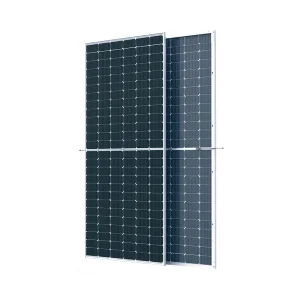
"Optimizing Levelized Cost of Energy (LCOE) in tropical environments requires transitioning from low-cost, low-efficiency components to high-yield N-type bifacial dual-glass solar panels that maintain performance despite persistent high ambient temperatures."
When engineering utility-scale or industrial solar plants in Malaysia, procurement managers must evaluate several technical dimensions to ensure project longevity and bankability:
Why EPCs and solar distributors choose Ningbo GAF Solar Co., Ltd. for their project pipelines.
We support customized configurations, personalized label branding, and flexible dimensions to accommodate unique architectural profiles, microgrids, and specialized industrial facilities.
Our manufacturing processes are fully certified under ISO 9001, 14001, and 45001. All PV products comply with international standards including CE, TUV, IEC 61215, IEC 61730, and meet SIRIM requirements in Malaysia.
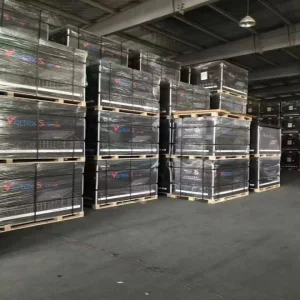
Conveniently shipped from Ningbo Port, our packing architectures are optimized to minimize transit breakage, reduce container freight expenses, and guarantee on-time arrivals at Port Klang, Penang Port, or Johor Port.
The global solar market is undergoing a rapid transition from legacy P-type PERC technology to advanced N-type cell designs. At GAF Solar, our technology roadmap prioritizes N-type Tunnel Oxide Passivated Contact (TOPCon) and All-Back Contact (ABC) cell technologies. These innovations offer key performance advantages: close-to-zero initial Light-Induced Degradation (LID) and an improved temperature coefficient. This translates to increased energy yields and lower overall LCOE for developers operating under competitive solar auctions like the Large Scale Solar (LSS) tenders in Malaysia.
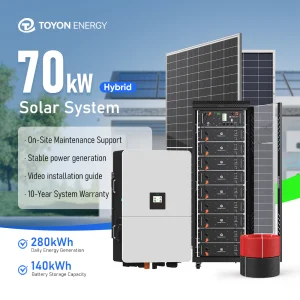
Looking ahead, we are investing in research and development for Perovskite-Silicon tandem cells to push commercial module efficiencies past the 26% threshold. Furthermore, integration with commercial energy storage systems (ESS) is essential to resolving grid-capacity limits in fast-developing industrial zones, facilitating stable clean power delivery round-the-clock.
Developing solar projects in Malaysia requires strict adherence to localized regulatory structures. The Energy Commission (Suruhanjaya Tenaga - ST) enforces product guidelines to ensure safety and system reliability. Photovoltaic modules must obtain SIRIM certification to verify mechanical and electrical stability under local grid codes and weather conditions.
GAF Solar actively works alongside developers to provide comprehensive documentation, flash test reports, and factory inspection details required for successful SEDA approvals and GITA/GITE tax incentive applications. This collaborative support streamlines the project approval pipeline and ensures compliance at every stage.
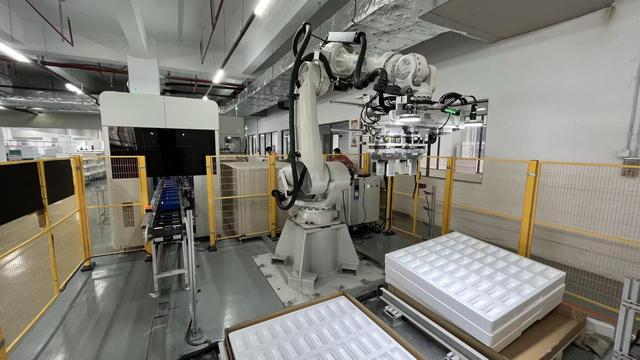
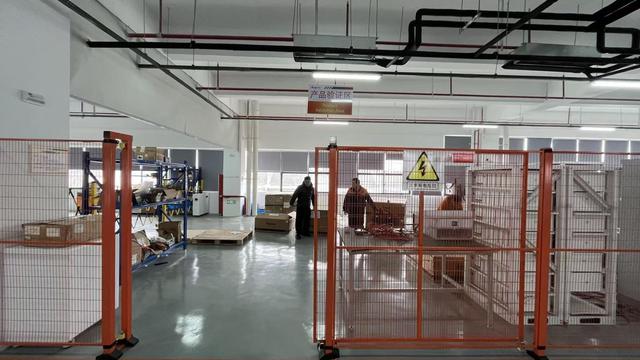
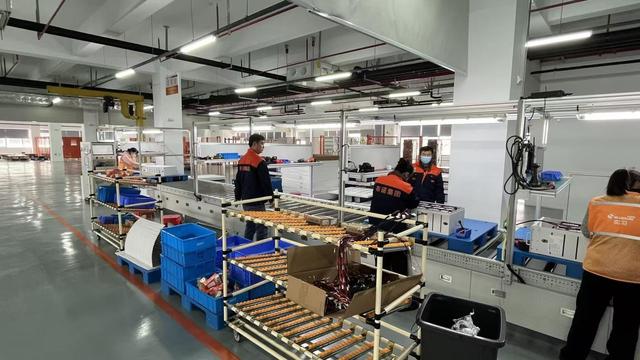
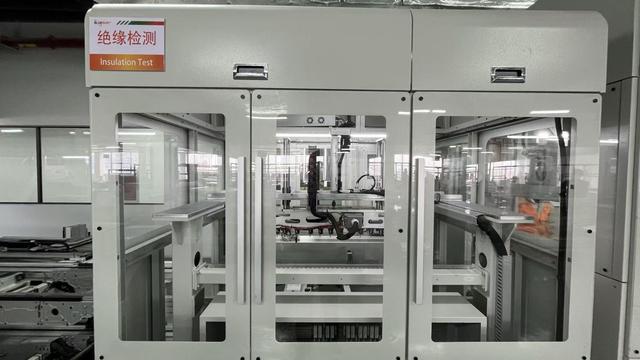
Operating modern production lines, automated assembly systems, and strict quality control processes to ensure premium standards.
Ningbo GAF Solar Co., Ltd. is a specialized manufacturer of monocrystalline, bifacial, and high-efficiency PV modules for residential, commercial, and utility-scale installations globally. With a strong commitment to solar innovation, we manufacture clean energy components engineered to maximize yield, reliability, and long-term operating life.
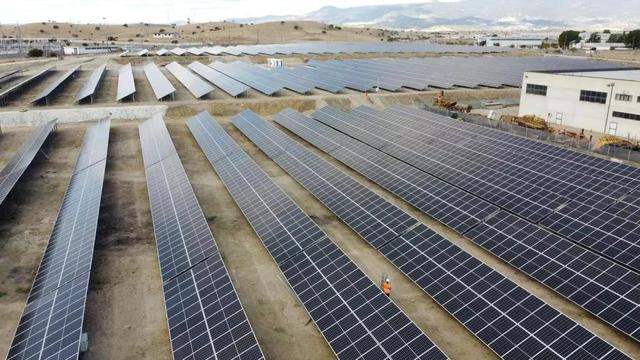
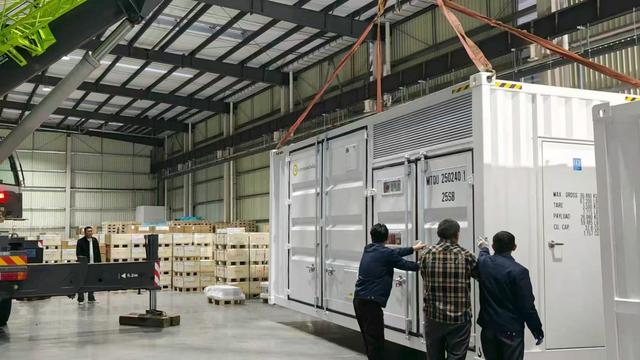
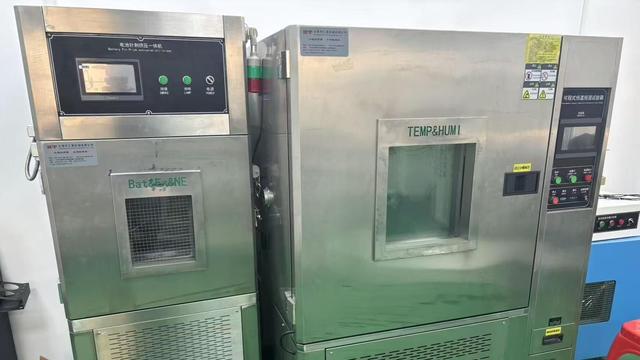
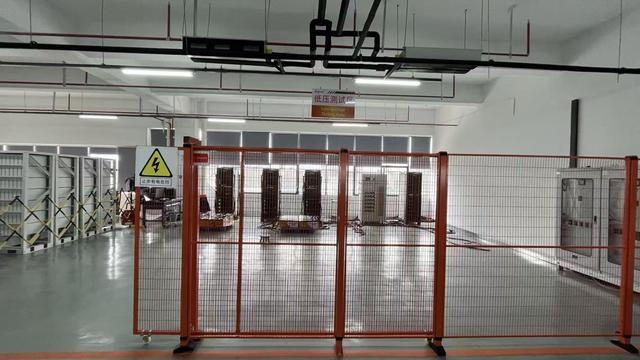
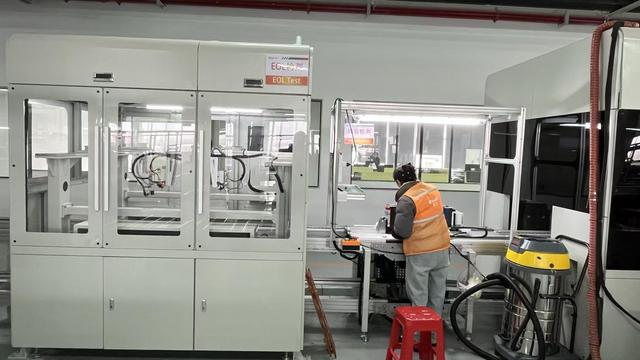
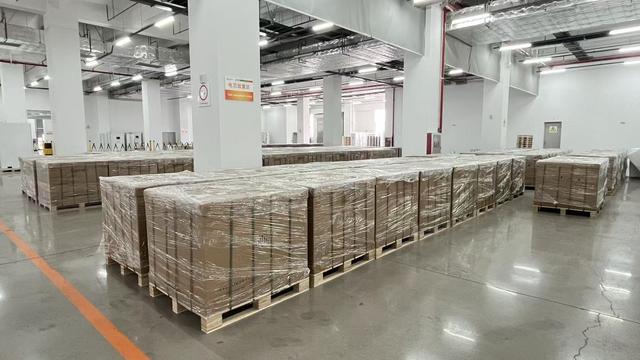
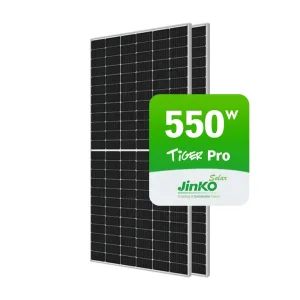
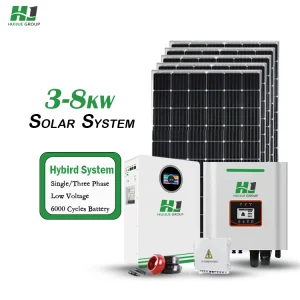
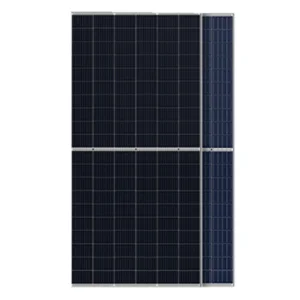
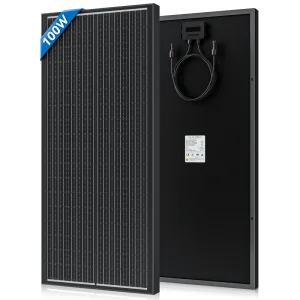
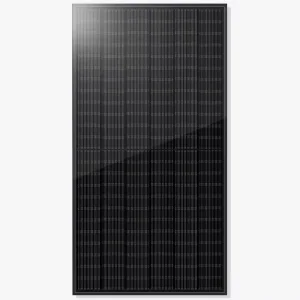
Explore our complete range of high-efficiency N-Type, PERC, Bifacial modules and systems, configured for various applications.
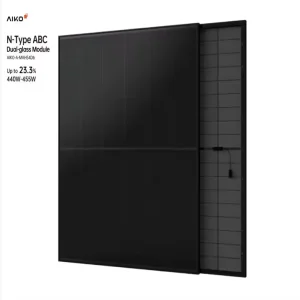
Technical and regulatory answers regarding the deployment of high-efficiency solar systems in the Malaysian market.
Ready to optimize your project pipeline in Kuala Lumpur, Penang, Johor, or East Malaysia? Request a direct factory quotation and receive a customized technical proposal within 24 hours.
 GAF Solar