Industrial Solar Panels Factory & Suppliers in the Morocco Market

High-Efficiency Tier-1 PV Modules Engineered for Morocco's Extreme Solar Irradiation and Industrial Decarbonization.

Morocco's C&I Solar Landscape: A Macroeconomic Overview

Morocco has positioned itself as a global leader in renewable energy transition. Driven by the National Energy Strategy, the country is on a path to generate over 52% of its electricity capacity from renewable resources by 2030. For commercial and industrial (C&I) sectors, this transition is not merely ecological; it is a critical economic imperative. High retail electricity tariffs, coupled with the introduction of regulatory reforms like Law 13-09 (permitting medium and high-voltage grid access for private generation) and the impending carbon taxation from EU markets (CBAM), have made self-consumption PV solar systems the primary mechanism for Moroccan enterprises to remain globally competitive.

SEO Value-Add Insight: Industrial electricity tariffs in Casablanca, Tangier, and Marrakech have faced high price fluctuations. Integrating high-yield N-Type TOPCon or PERC solar modules helps Moroccan factories achieve a Levelized Cost of Energy (LCOE) below 0.35 MAD/kWh, compared to grid tariffs that often exceed 1.10 MAD/kWh.

2,800+
kWh/m²/year DNI in Southern Regions
23.2%
Maximum Module Conversion Efficiency
< 0.4%
Annual Degradation (N-Type TOPCon)
10-15%
Bifacial Albedo Gain in Desert Soils

Sector-Specific Energy Challenges in Morocco

Moroccan industries operate under diverse climatic and environmental zones, requiring customized solar PV deployment:
  • Automotive & Manufacturing (Kenitra & Tangier Med): These energy-intensive assembly plants demand extreme grid stability and zero-export control systems. They utilize high-density N-type PV arrays on rooftops to maximize power generation per square meter.
  • Phosphate Mining & Industrial Processes (OCP Group Ecosystem): Situated in high-soiling, arid zones. Double-glass bifacial modules are essential here to withstand abrasive dust cleaning cycles and high wind loads.
  • Agribusiness & Irrigation (Souss-Massa Region): Modern farming operations leverage Solar Agri-PV. Modules must feature exceptional resistance to ammonia and high salt mist corrosion from coastal winds.

Technical Specification & Technology Roadmap for Arid Climates

Designing PV installations for Moroccan deserts or semi-arid coastal areas requires a profound understanding of semiconductor physics under high heat and dust. Traditional P-type PERC modules are increasingly giving way to N-type Tunnel Oxide Passivated Contact (TOPCon) and Heterojunction (HJT) architectures.

Why N-Type TOPCon is Superior for Moroccan Environments

N-Type TOPCon technology represents the frontier of industrial PV. Here is how it directly improves cash flows for developers in Agadir, Oujda, or Layoune:
  1. Lower Temperature Coefficient: Standard P-type modules have a temperature coefficient of -0.35%/°C. TOPCon reduces this to -0.30%/°C. In summer months where ambient temperatures exceed 40°C and panel temperatures reach 70°C, TOPCon retains up to 3% more power yield compared to standard panels.
  2. Zero Light-Induced Degradation (LID): Since N-type cells are doped with phosphorus instead of boron, they are completely immune to boron-oxygen defects, eliminating the initial first-year power drop.
  3. Higher Bifaciality: Standard PERC offers around 70% bifaciality. TOPCon raises this value to 80-85%. Utilizing the high-albedo sand reflection of southern Moroccan zones, developers can achieve up to 15% extra energy output from the rear side of the module.

Ningbo GAF Solar Co., Ltd. Quality Standard: Our industrial double-glass bifacial modules utilize POE (Polyolefin Elastomer) encapsulation rather than EVA. POE prevents water vapor penetration and PID (Potential Induced Degradation), which is critical for long-term durability in high-humidity coastal zones like Tangier and Casablanca.
Global Procurement Dynamics & Logistics to Casablanca Port

Sourcing industrial PV modules directly from Ningbo, China to Morocco involves sophisticated supply-chain management. Industrial solar developers must evaluate container loading densities, shipping routes, customs clearance (under the Moroccan customs tariff classification), and localized technical compliance.

Optimizing Logistics and Total Cost of Ownership (TCO)

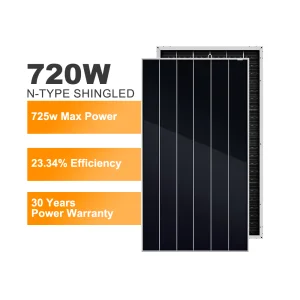
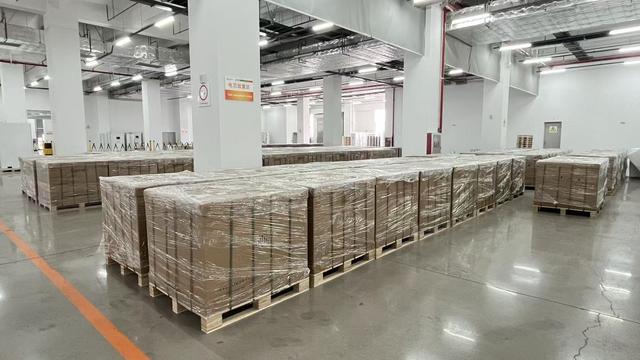
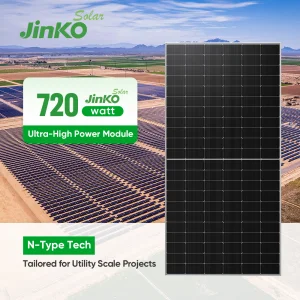
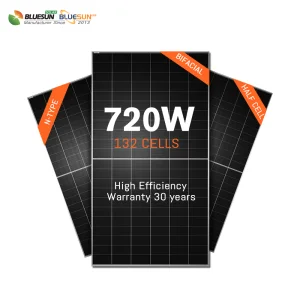
  • Ningbo to Casablanca Transit: Ocean freight shipping from Ningbo Port to Casablanca Port or Tanger Med Port typically takes 30 to 45 days. GAF Solar manages complete container packing optimization (e.g., vertical packing of large 720W modules to prevent micro-cracks during transit).
  • IMANOR & Local Compliance: Importers must ensure all imported PV panels comply with the standard specifications defined by the Moroccan Institute for Standardization (IMANOR). This includes IEC 61215 and IEC 61730 certificates. Custom clearance processes require verified Certificates of Conformity (CoC) to avoid costly port delays.
  • Bankability & Project Financing: Financing is key for Moroccan C&I solar. GAF Solar provides comprehensive third-party inspection reports (TUV, SGS) and detailed warranty parameters that satisfy leading Moroccan banking institutions (such as Attijariwafa Bank, BCP, and BMCE Bank of Africa).

About Ningbo GAF Solar Co., Ltd.

Ningbo GAF Solar Co., Ltd. is a professional Solar Panel Manufacturer | Monocrystalline, Bifacial & High Efficiency PV Modules dedicated to providing reliable solar energy solutions for residential, commercial, industrial, and utility-scale applications worldwide. With a strong commitment to renewable energy innovation, the company delivers advanced photovoltaic products designed to maximize energy generation, efficiency, and long-term performance.

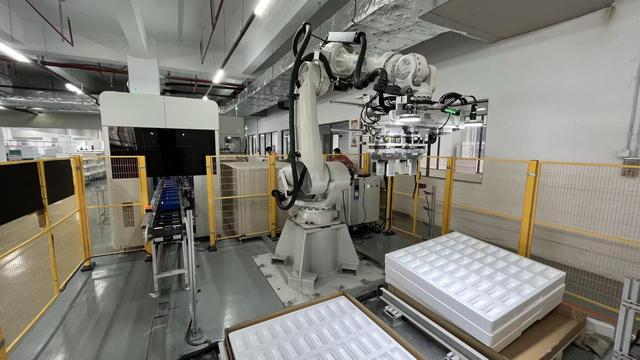
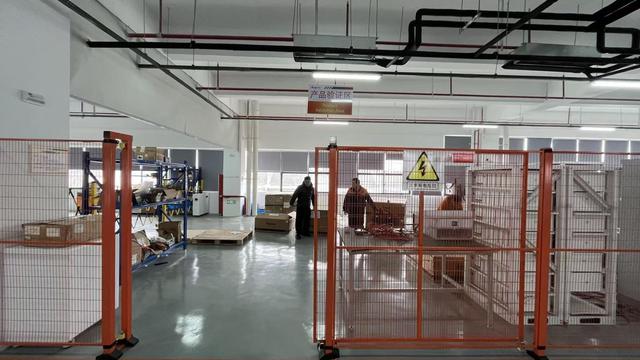
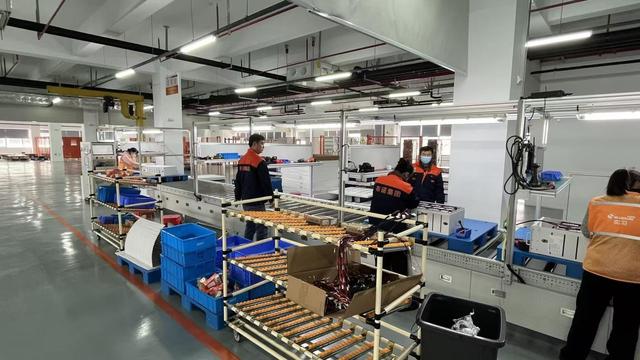
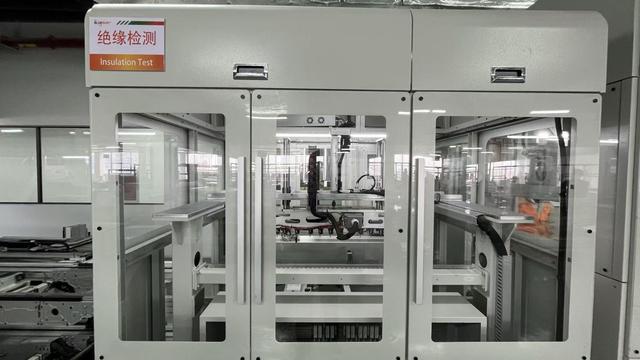
Based in Ningbo, China, GAF Solar operates modern manufacturing facilities equipped with advanced production technologies, automated assembly lines, and comprehensive quality control systems. The company specializes in the development and production of monocrystalline solar panels, bifacial solar modules, high-efficiency photovoltaic panels, rooftop solar solutions, commercial solar systems, industrial solar installations, and customized PV energy projects.

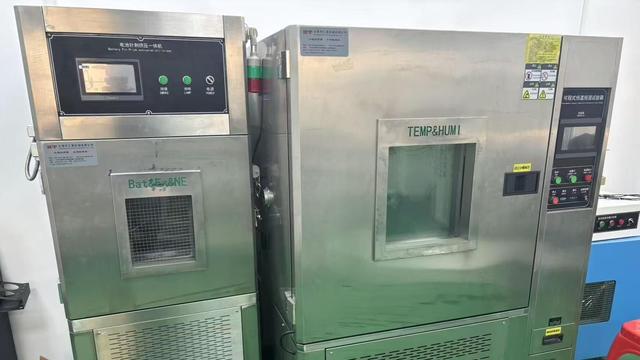
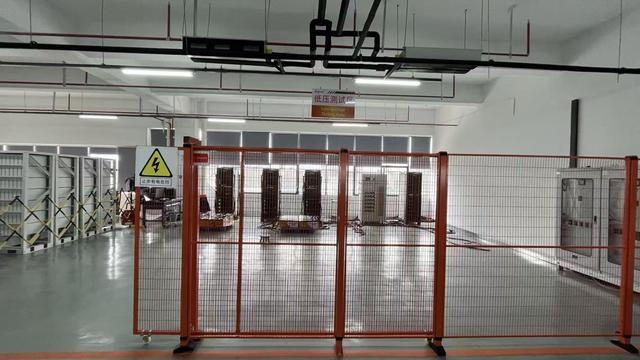
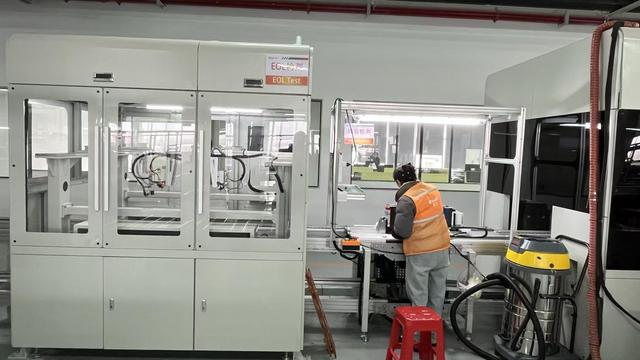
GAF Solar focuses on technological innovation and product reliability. By utilizing premium-grade solar cells, durable materials, and precision manufacturing processes, the company produces solar modules capable of delivering excellent power output, superior weather resistance, and long operational lifespans. Every product undergoes rigorous testing and quality inspections to ensure compliance with international standards and the demanding requirements of global energy markets.

In addition to manufacturing high-performance solar panels, GAF Solar offers comprehensive OEM and ODM services, supporting distributors, EPC contractors, solar developers, energy solution providers, and private-label brands. The company provides flexible customization options, professional technical support, and efficient project coordination from design and production to shipment and after-sales service.

Serving customers across North America, Europe, Southeast Asia, the Middle East, Africa, and Latin America, Ningbo GAF Solar Co., Ltd. has established a reputation for quality, reliability, and customer-focused service. Through continuous innovation and sustainable manufacturing practices, the company remains committed to accelerating the global transition toward clean, renewable energy and creating long-term value for partners around the world.
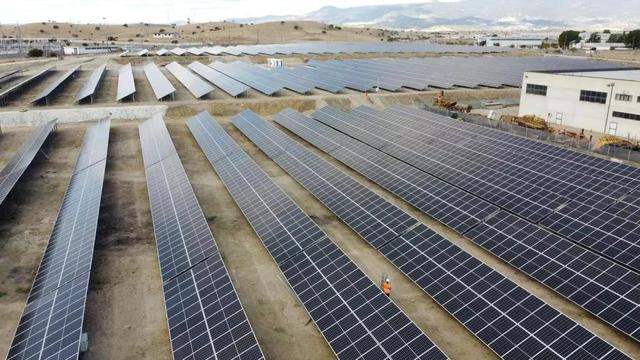
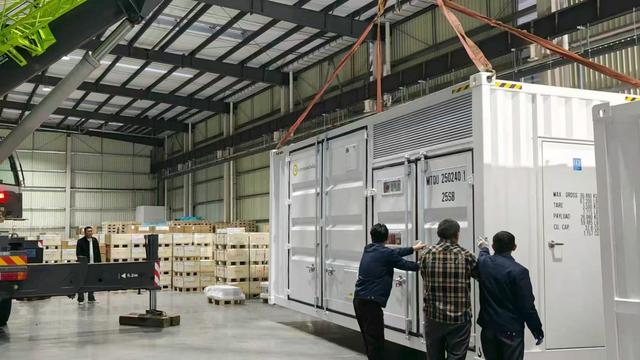
Our High-Tech Automated Production Facilities

Ningbo GAF Solar Factory Tour Image 1
Ningbo GAF Solar Factory Tour Image 2
Ningbo GAF Solar Factory Tour Image 3
Ningbo GAF Solar Factory Tour Image 4
Ningbo GAF Solar Factory Tour Image 5
Ningbo GAF Solar Factory Tour Image 6
Ningbo GAF Solar Factory Tour Image 7
Ningbo GAF Solar Factory Tour Image 8
Ningbo GAF Solar Factory Tour Image 9
Ningbo GAF Solar Factory Tour Image 10

Frequently Asked Questions (FAQ) — Morocco Solar Energy Procurement

What is the standard lead time for shipping solar panels from Ningbo GAF Solar to Casablanca or Tangier Med?

Typically, ocean freight transit time from Ningbo Port to Casablanca or Tanger Med is between 30 and 40 days. Production lead times range from 15 to 25 days depending on the volume and customization (OEM/ODM). We recommend initiating procurement orders at least 60 days before ground construction commences in Morocco.

Do GAF Solar modules comply with Morocco's IMANOR standards?

Yes, our modules are certified with IEC 61215 and IEC 61730 international standards, which form the core framework of Moroccan IMANOR compliance. We supply all required Certificates of Conformity (CoC) and manufacturing documentation necessary to ensure smooth customs clearance through Morocco customs controls.

How does N-Type TOPCon technology reduce Levelized Cost of Energy (LCOE) in Morocco's high-temperature zones?

N-Type TOPCon cells exhibit a superior temperature coefficient (-0.30%/°C) compared to standard P-type PERC panels (-0.35%/°C). In hot regions such as Marrakesh or Agadir, where modules reach temperatures above 65°C during peak hours, TOPCon minimizes efficiency losses. Over a 25-30 year project cycle, this produces 3-5% more aggregate generation, significantly driving down LCOE.

Why is dual-glass bifacial architecture recommended for Morocco's desert terrain?

Morocco's deserts present high albedo surfaces (reflective sand). Double-glass bifacial modules capture this reflected sunlight from the rear face, adding an extra 10% to 20% in energy yield. Double-glass also provides physical protection against sand abrasion, micro-cracks from high winds, and moisture ingress in coastal zones.

Can GAF Solar support custom OEM branding for engineering procurement companies (EPC) in Casablanca?

Yes. We offer fully integrated OEM and ODM services. We customize module dimensions, electrical layouts, connectors (such as MC4 original), label branding, and junction box placements to align with specific commercial or industrial project requirements across Morocco.