France is undergoing a profound energy transition driven by strict legislative measures, carbon reduction mandates, and shifting economic parameters. At the center of this transformation is the deployment of utility-scale and commercial on-grid solar photovoltaic (PV) systems. The implementation of the RE2020 (Réglementation Environnementale 2020) standard has established stringent carbon-footprint and thermal-efficiency regulations for new buildings, mandating the integration of renewable energy sources. Concurrently, French legislation on accelerating renewable energy (Loi d'accélération des énergies renouvelables) mandates that outdoor parking lots larger than 1,500 square meters must be covered by solar carports (ombrières photovoltaïques) over at least 50% of their surface area.
For developers, EPC (Engineering, Procurement, and Construction) contractors, and industrial operators in France, this legislative push translates to a substantial requirement for high-performance, grid-compliant solar modules. In on-grid environments, maximizing system yield and minimizing Levelized Cost of Energy (LCOE) are critical goals. Leveraging modern grid-tied systems allows companies to leverage self-consumption schemes (Autoconsommation avec vente du surplus) or feed entire power generation blocks back to the national grid managed by Enedis. High-efficiency modules with superior temperature performance and low carbon footprints are crucial to meeting tender criteria set by the Commission de Régulation de l'Énergie (CRE).
For projects under 500 kWp, solar installations in France benefit from open-window feed-in tariffs (Guichet Unique), while larger installations must participate in the CRE tendering process. Winning bidders are selected based on a scoring system evaluating bid price and carbon footprint (Evaluation Carbone Simplifiée - ECS). Consequently, global PV manufacturers supplying French EPCs must provide detailed environmental product declarations and low-carbon certifications. Ningbo GAF Solar Co., Ltd. addresses this demand by optimizing raw material selection and utilizing modern manufacturing lines to ensure low embodied carbon in our high-power modules.
The solar PV industry is rapidly moving from traditional P-type PERC structures toward N-type TOPCon (Tunnel Oxide Passivated Contact) technology. This transition offers clear benefits for French solar installations:
In southern regions such as Occitanie and Provence-Alpes-Côte d'Azur, summer operating temperatures on roofs can exceed 65°C. N-type TOPCon modules feature a low temperature coefficient of -0.30%/°C (compared to -0.35%/°C for traditional PERC), ensuring higher energy output during hot periods.
Bifacial double-glass modules generate power from both sides, capturing reflected light (albedo) from the ground, gravel, or nearby structures. With bifaciality rates reaching 80-85%, these modules generate up to 25% extra energy depending on ground conditions.
N-type substrates are phosphorus-doped, making them immune to Light Induced Degradation (LID) caused by boron-oxygen complexes. This results in stable power output over the module's 30-year operational life, securing long-term returns for project developers.
Ningbo GAF Solar Co., Ltd. is a professional Solar Panel Manufacturer | Monocrystalline, Bifacial & High Efficiency PV Modules dedicated to providing reliable solar energy solutions for residential, commercial, industrial, and utility-scale applications worldwide. With a strong commitment to renewable energy innovation, the company delivers advanced photovoltaic products designed to maximize energy generation, efficiency, and long-term performance.
Based in Ningbo, China, GAF Solar operates modern manufacturing facilities equipped with advanced production technologies, automated assembly lines, and comprehensive quality control systems. The company specializes in the development and production of monocrystalline solar panels, bifacial solar modules, high-efficiency photovoltaic panels, rooftop solar solutions, commercial solar systems, industrial solar installations, and customized PV energy projects.
GAF Solar focuses on technological innovation and product reliability. By utilizing premium-grade solar cells, durable materials, and precision manufacturing processes, the company produces solar modules capable of delivering excellent power output, superior weather resistance, and long operational lifespans. Every product undergoes rigorous testing and quality inspections to ensure compliance with international standards and the demanding requirements of global energy markets.
Request customized technical quotes, layout proposals, and compliance documents.
In addition to manufacturing high-performance solar panels, GAF Solar offers comprehensive OEM and ODM services, supporting distributors, EPC contractors, solar developers, energy solution providers, and private-label brands. The company provides flexible customization options, professional technical support, and efficient project coordination from design and production to shipment and after-sales service.
Serving customers across North America, Europe, Southeast Asia, the Middle East, Africa, and Latin America, Ningbo GAF Solar Co., Ltd. has established a reputation for quality, reliability, and customer-focused service. Through continuous innovation and sustainable manufacturing practices, the company remains committed to accelerating the global transition toward clean, renewable energy and creating long-term value for partners around the world.
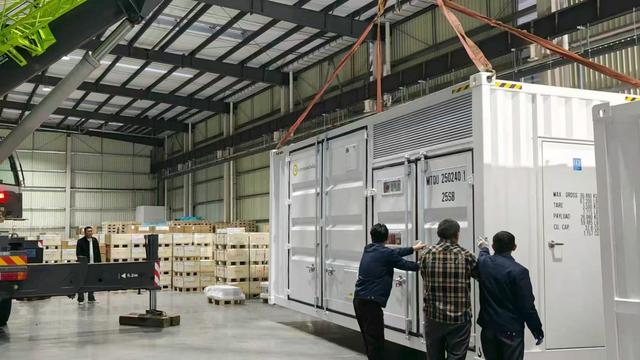
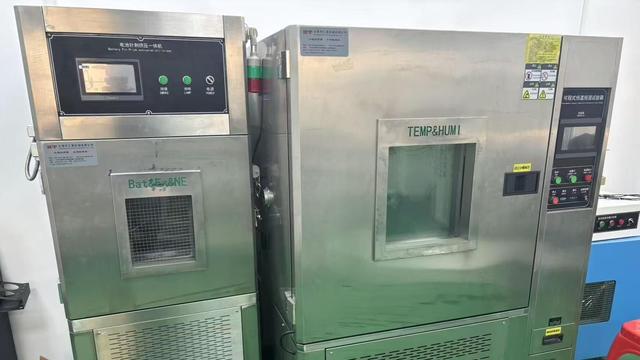
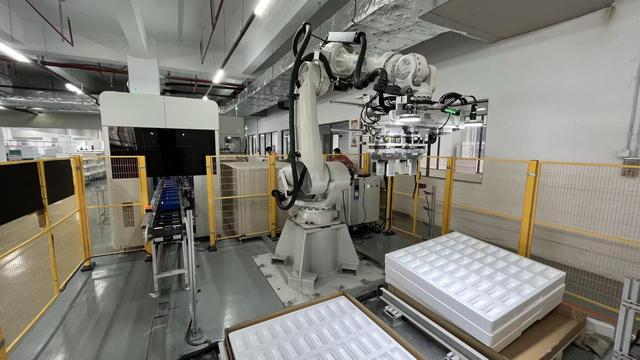
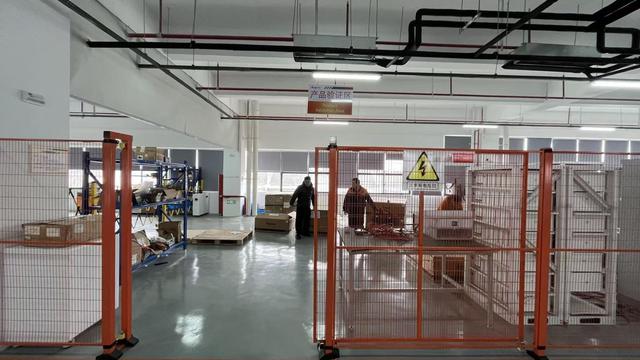
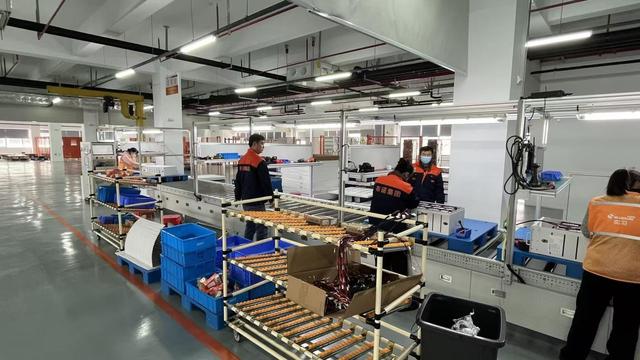
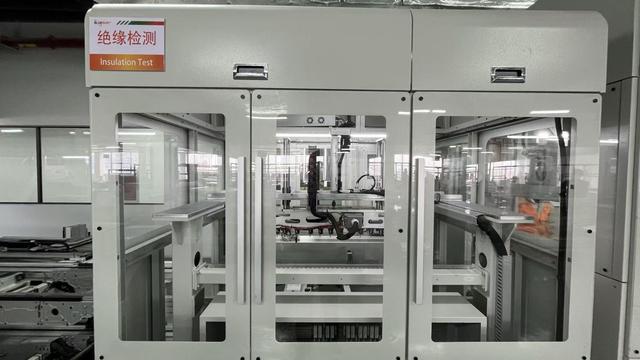
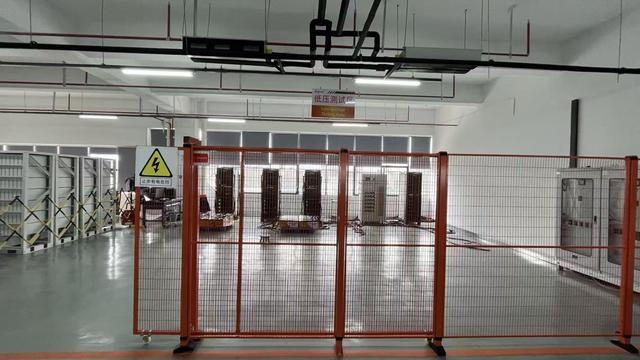
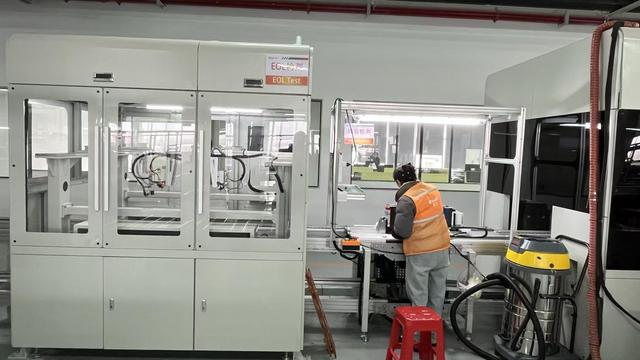
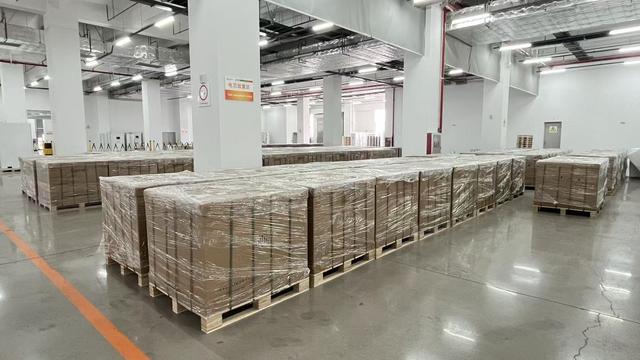
Reliability starts on the factory floor. GAF Solar utilizes automated production equipment, optical inspections, double EL (Electroluminescence) testing, and strict quality gates to eliminate microscopic defects, micro-cracks, and soldering anomalies before shipment.
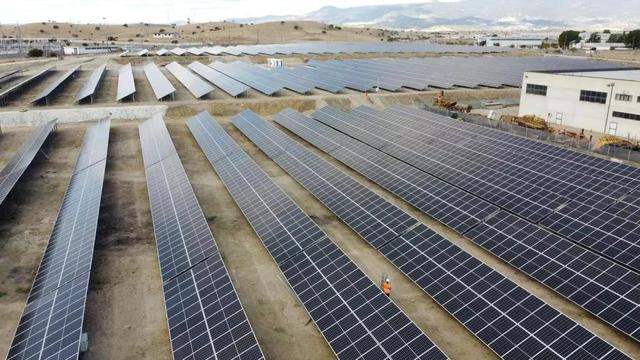
Developing solar projects in France requires adapting system configurations to distinct local regulatory and geographical conditions:
Commercial rooftops in logistics parks and retail hubs around Paris and Lyon are prime locations for grid-connected solar power. These systems align well with the energy profiles of commercial facilities, where daytime load peaks match solar generation hours. Standardizing on 500W to 700W N-type high-power modules reduces Balance of System (BOS) costs by requiring fewer racking components, clamps, and electrical connections.
In southern France, agrivoltaic projects integrate agricultural land with overhead PV systems. Bifacial glass-glass modules are ideal for this application, allowing light penetration while harvesting energy from reflected light beneath the arrays. This configuration supports crop growth, protects plants from extreme weather, and generates reliable electricity for the local grid.
With French law requiring parking lots over 1,500m² to integrate solar carports, developers need modules that combine mechanical strength with high conversion efficiency. Bifacial N-type modules mounted on carport structures offer a dual benefit: they provide shade and shelter for parked vehicles while generating clean power, helping facility operators comply with environmental mandates and offset site electricity costs.
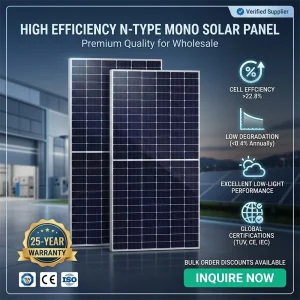
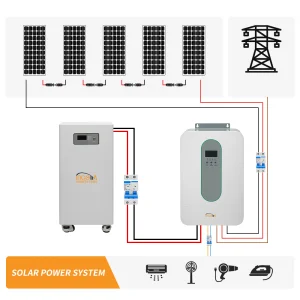
Connecting utility-scale or commercial solar assets to the French grid requires compliance with several key electrical codes and standards:
This guideline outlines the integration standards for photovoltaic installations connected to public distribution networks. It specifies safety rules for cabling, overcurrent protection devices, and DC/AC isolation.
Inverters used in French grid-tied systems must comply with the EN 50549-1 standard, which regulates connection requirements for generators operating in parallel with distribution networks.
For projects with capacities exceeding 100 kWp, developers must provide simplified carbon footprint (ECS) evaluations. Ningbo GAF Solar works with supply chain partners to support this compliance process.
Partner with Ningbo GAF Solar for reliable, high-efficiency solar modules and comprehensive engineering support.
Send Inquiry Now GAF Solar