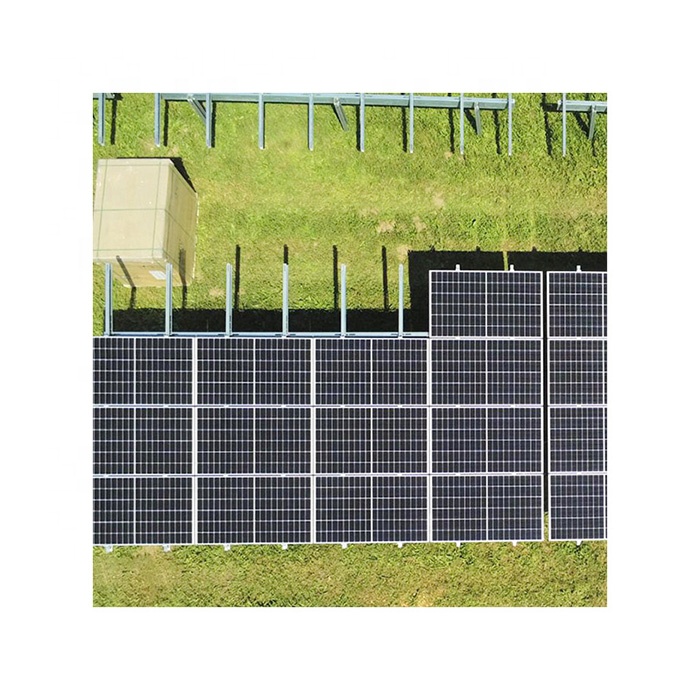
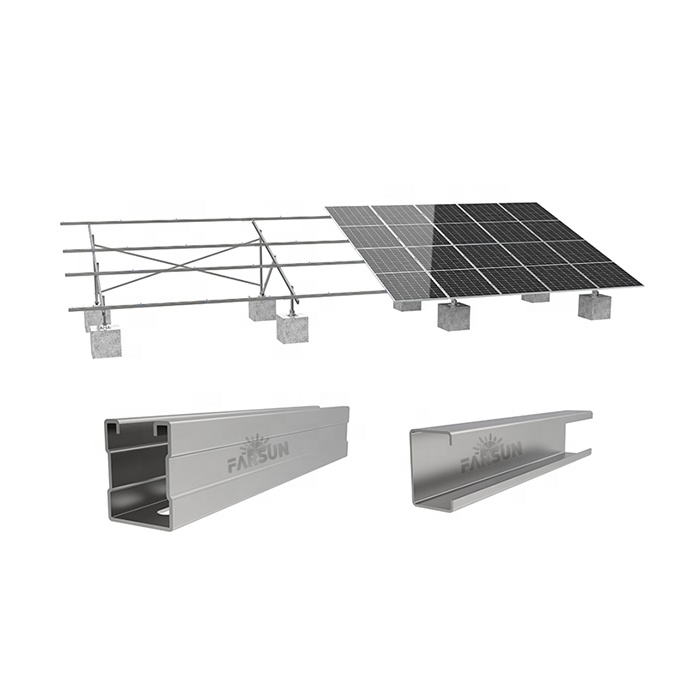
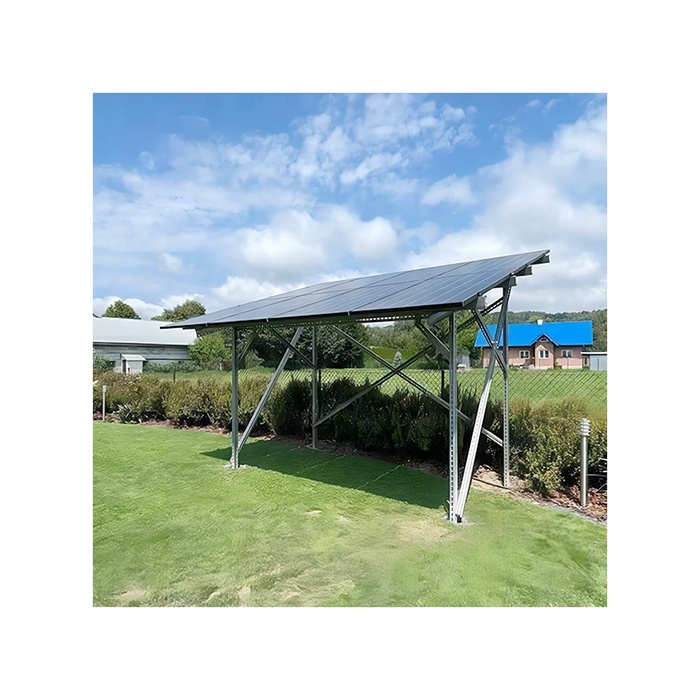
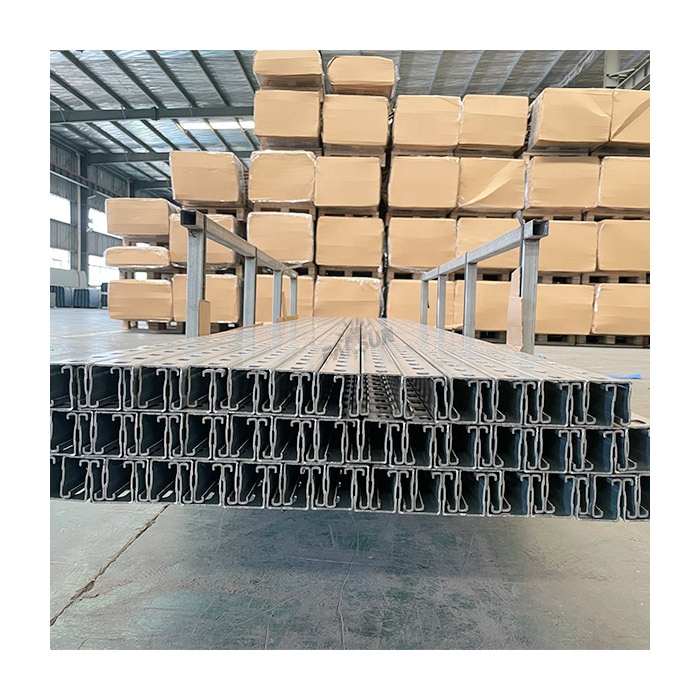
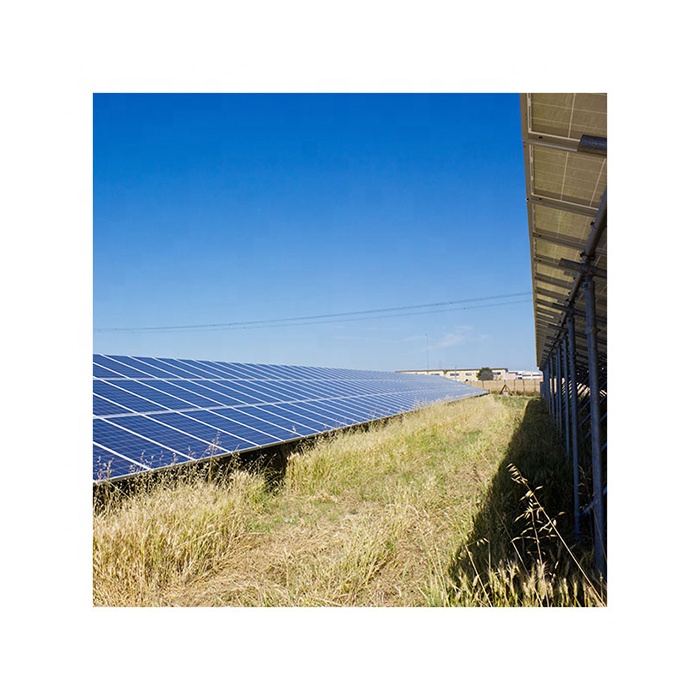
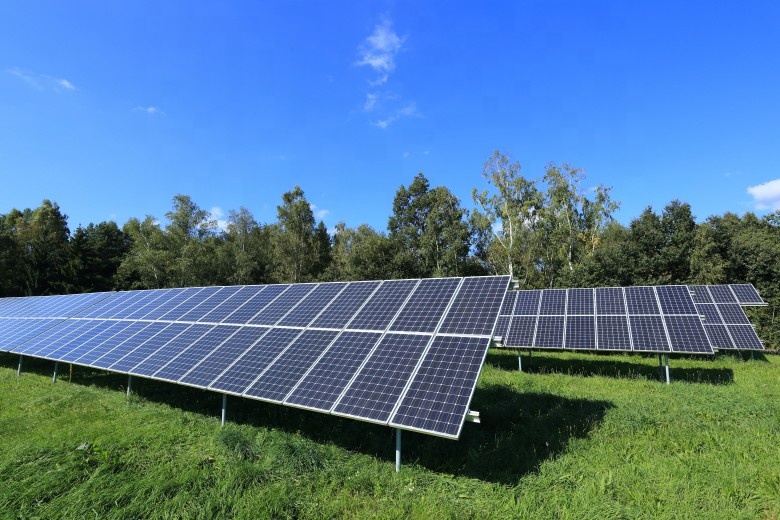
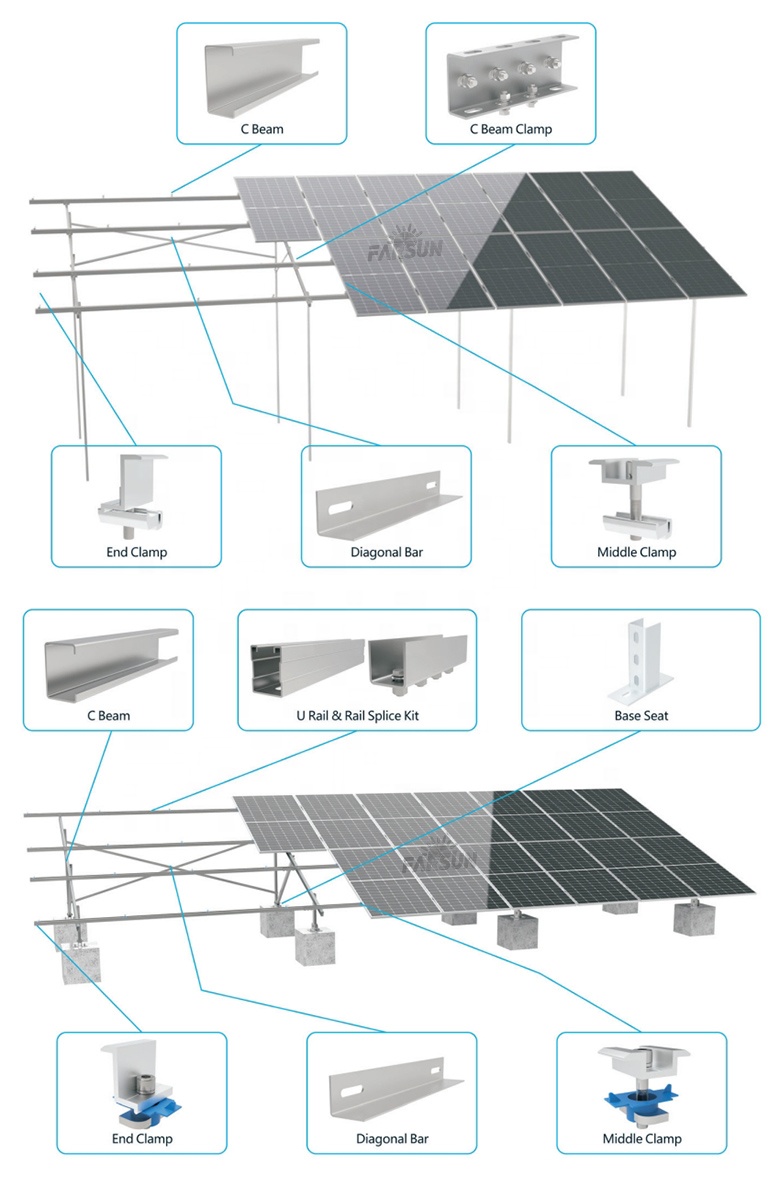
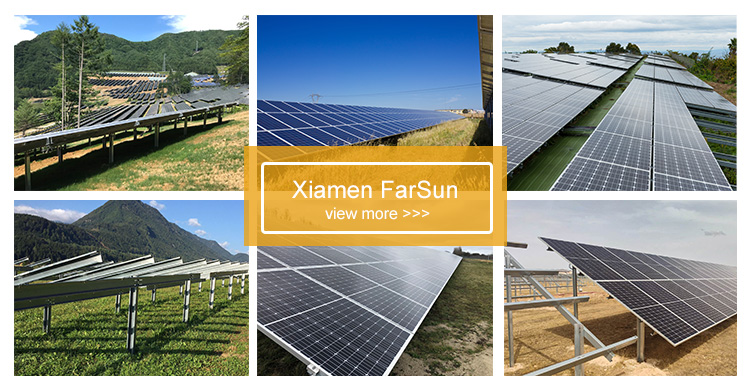
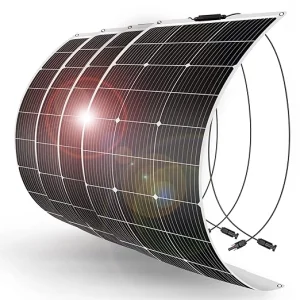
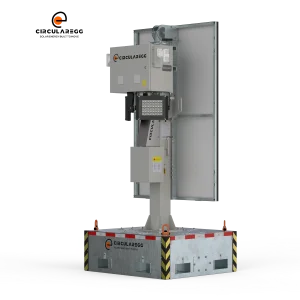
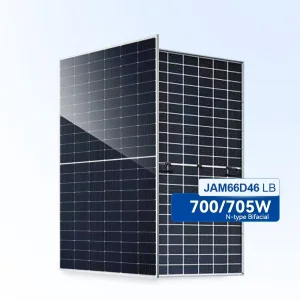
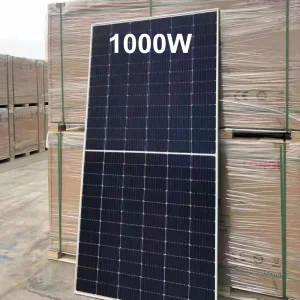
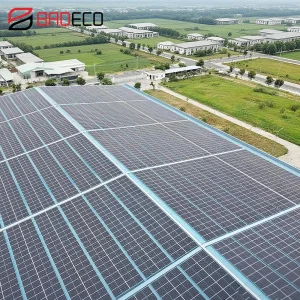
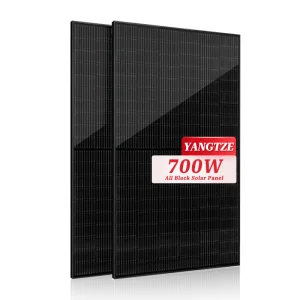
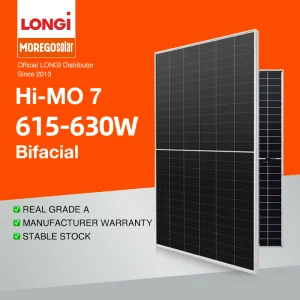
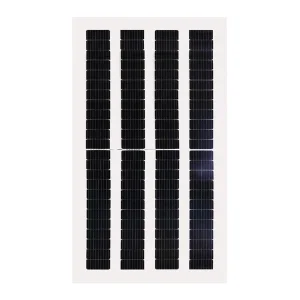
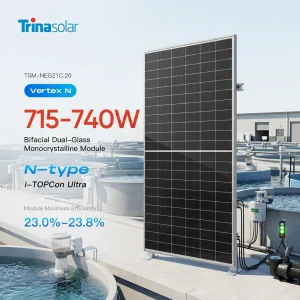
Solar ground steel supports are an important part of solar power plant construction. They are mainly used to install solar panels on land to allow them to capture optimal sunlight energy. They all have the advantages of solid structure, corrosion resistance, and easy maintenance, and are an indispensable and important component in the construction of solar power stations.
1
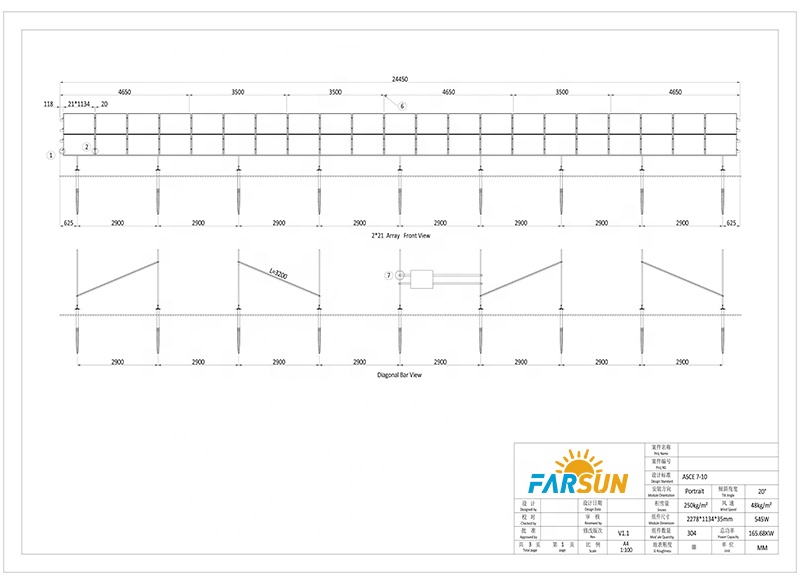
What is dimension of the solar panel? _____mm Length x_____mm Width x____mm Thickness
2
How many panels will be mounted for the project? _______PCS.
3
What is your planned panel layout? ________Nos. in a row × ________Nos. in a column (OPTIONAL/RECOMMEND please advise place images and size)
4
What's wind speed and snow load? ___m/s wind speed and____KN/m2 snow load
5
What installation orientation for solar panel? _______(Horizontal or Vertical)
6
Ground clearance or other requirements? ______________
Frequently Asked Questions
Q1: What materials are primarily used for these solar ground mounts?
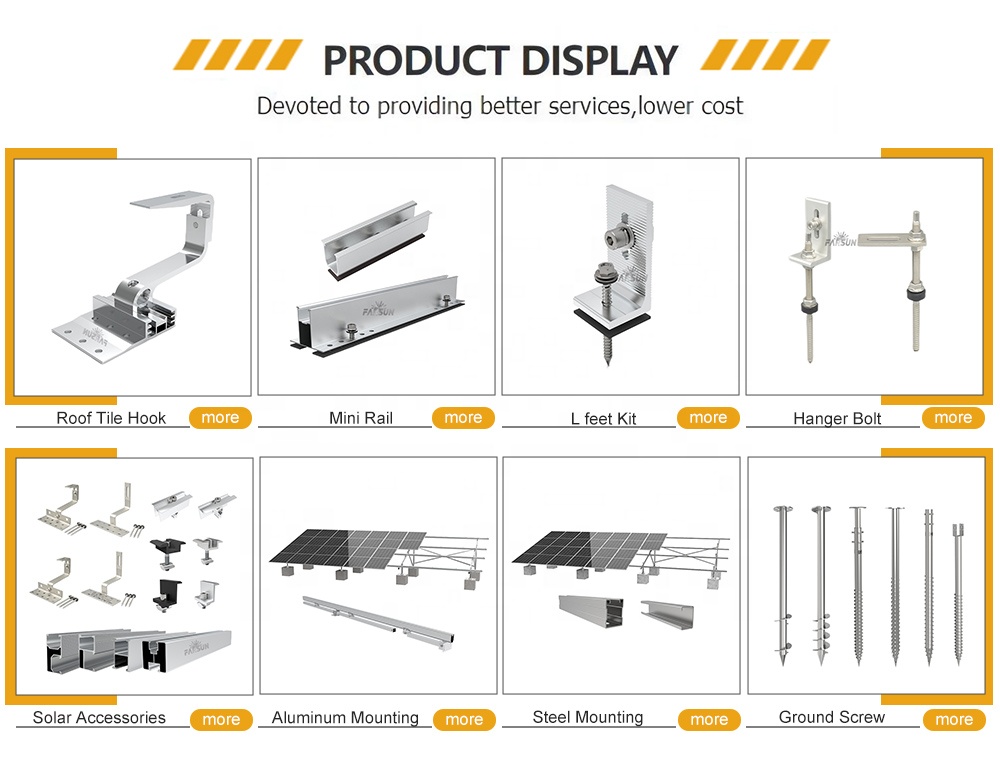
A1: The mounting structures are fabricated using high-quality materials including MAC Steel, Hot-Dip Galvanized (HDG) Steel, Al6005-T5/T6 Aluminum, and SUS304 Stainless Steel for optimal durability.
Q2: How do the ground mounts perform under extreme weather conditions?
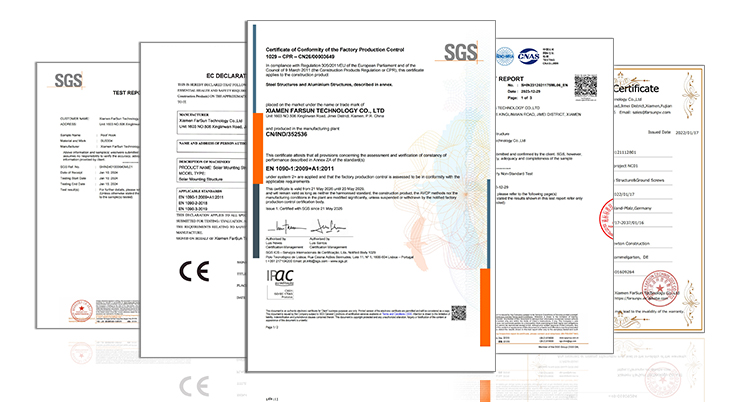
A2: The structures are engineered to withstand maximum wind loads of up to 60m/s and snow loads up to 1.8KN, fully complying with international design standards such as ASCE_7-10 and JIS8955:2017.
Q3: What is the warranty and expected service life of these structures?
A3: The ground mounting steel structures come with a 15-year warranty and are designed to have a functional service life of 25 years.
Q4: Are the steel supports corrosion-resistant?
A4: Yes, the surfaces receive professional HDG (Hot-Dip Galvanizing) or MAC treatments to ensure superior corrosion resistance and minimal maintenance requirements over time.
Q5: Can I request a custom design solution for my project?
A5: Absolutely. Custom layout plans and structural drawings can be configured based on your specific panel dimensions, local wind/snow loads, layout orientations, and clearance requirements.
 GAF Solar