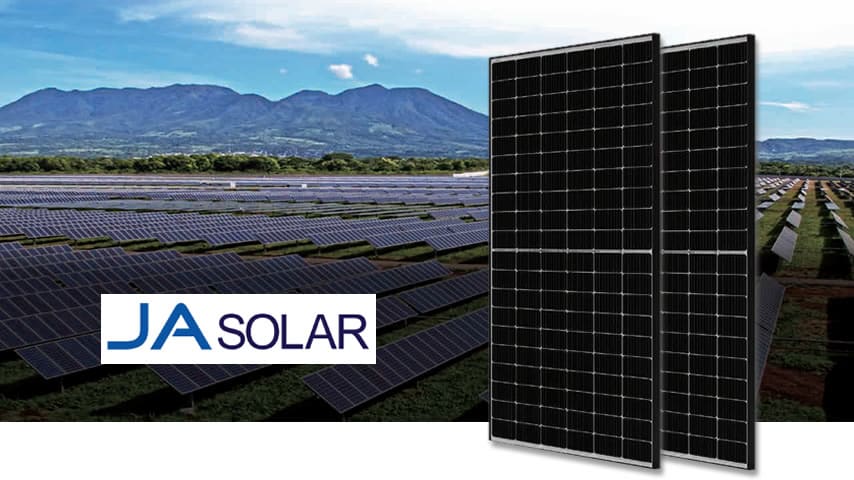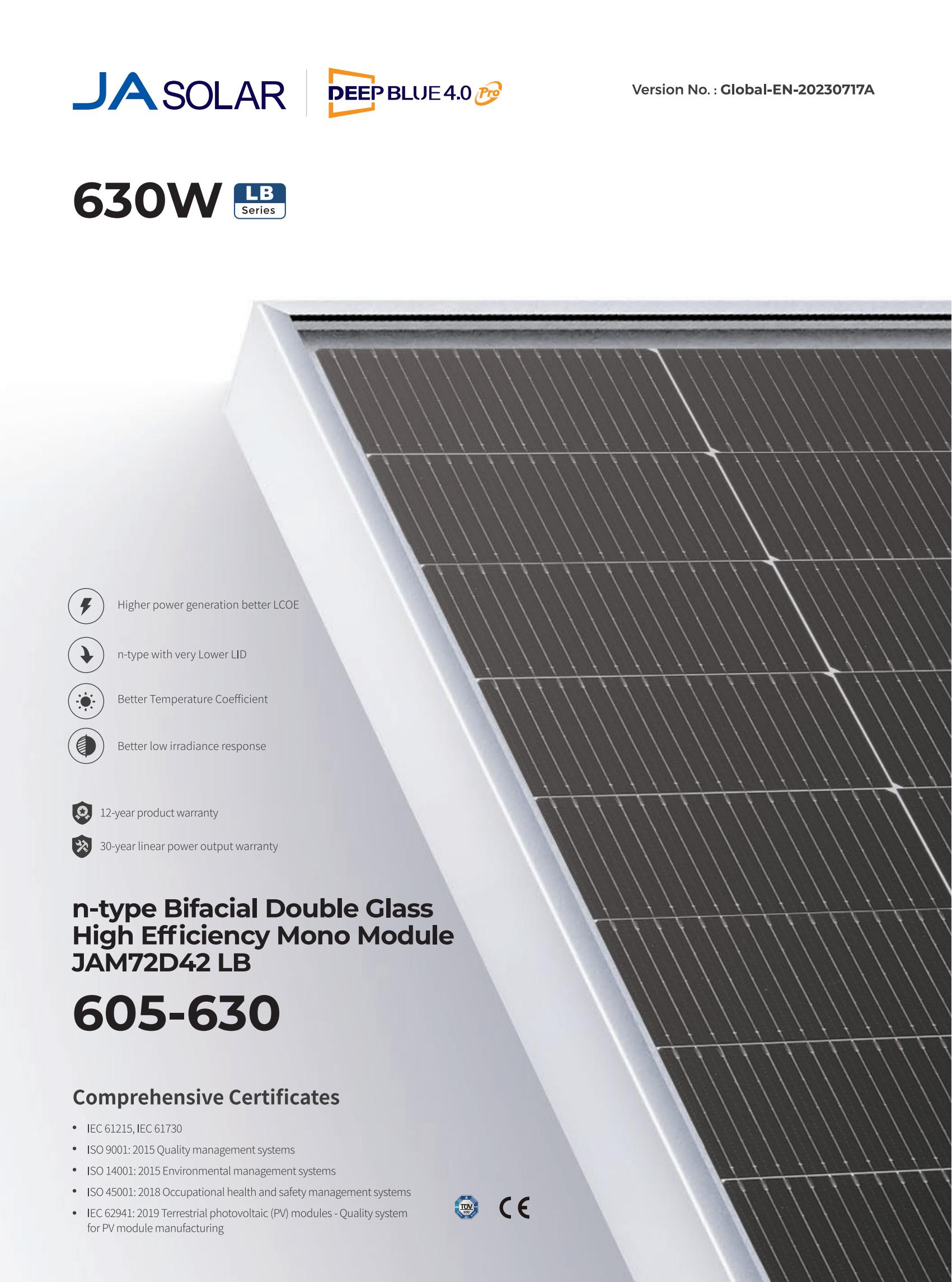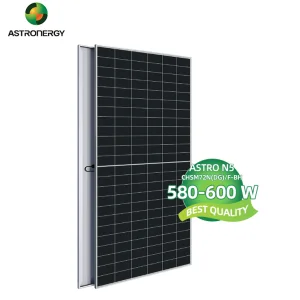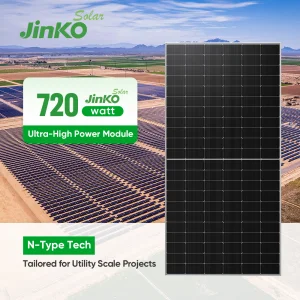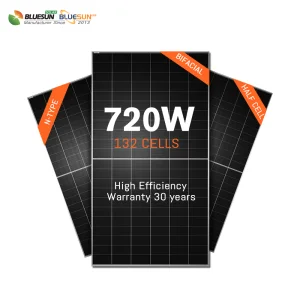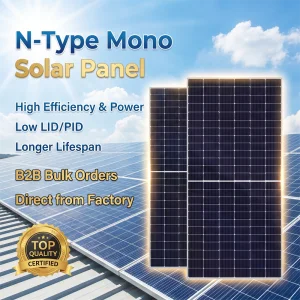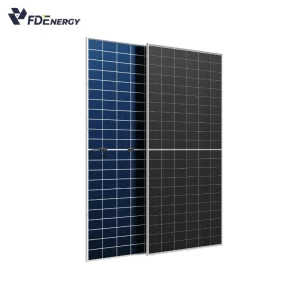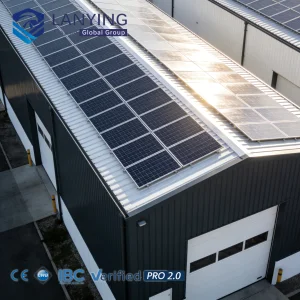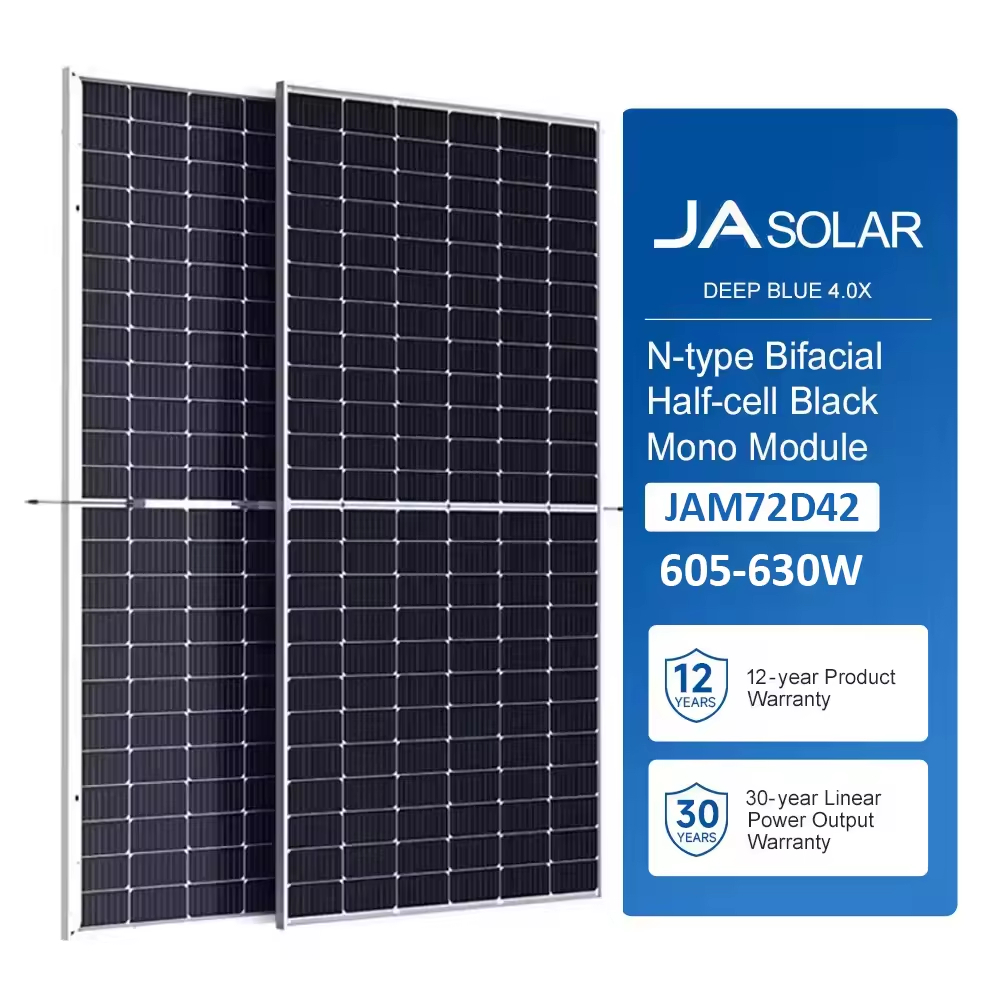
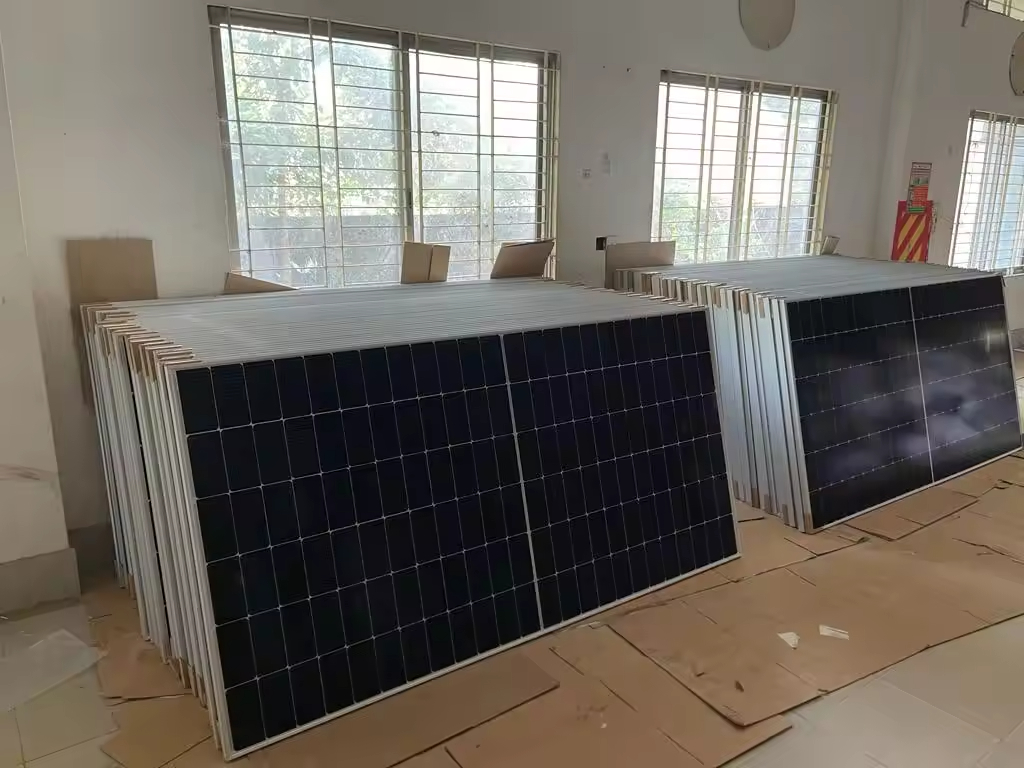
JA 630W N-Type Mono Crystalline Solar Panel US Local Inventory Solar Solution for Industrial Commercial Rooftop

Product Description

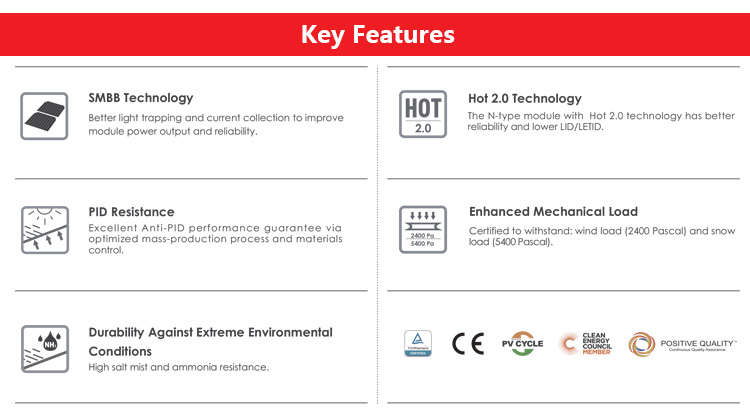
Solar Panel Feature Overview
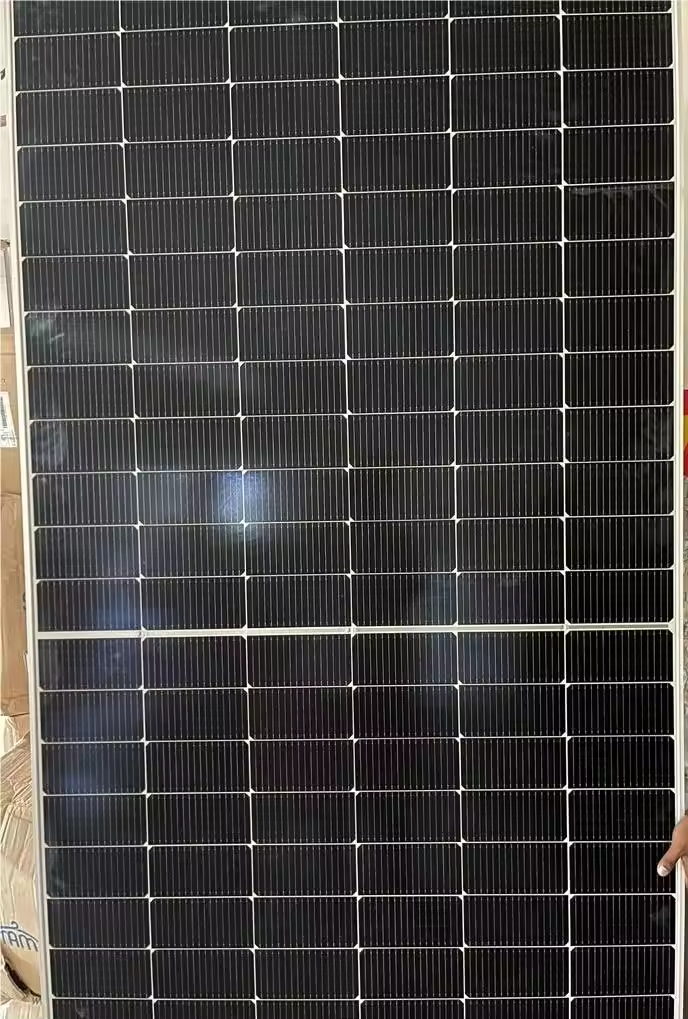
Solar Panel Cell Layout
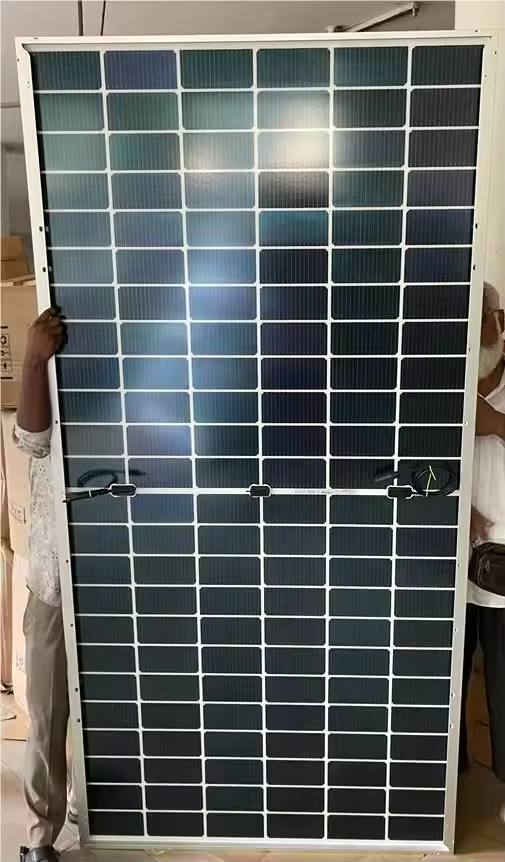
Solar Module Rear View
Half Cut Technology
Under the same shadow condition, power loss of half-cell solar panel is less than that of full cell solar panel.
Multi Busbar Technology
MBB technology improves efficiency of modules, offers a better aesthetic appearance.
PERC Technology
The PERC cell has a passivated rear side and a laser grooving process, which significantly improves the cell efficiency.
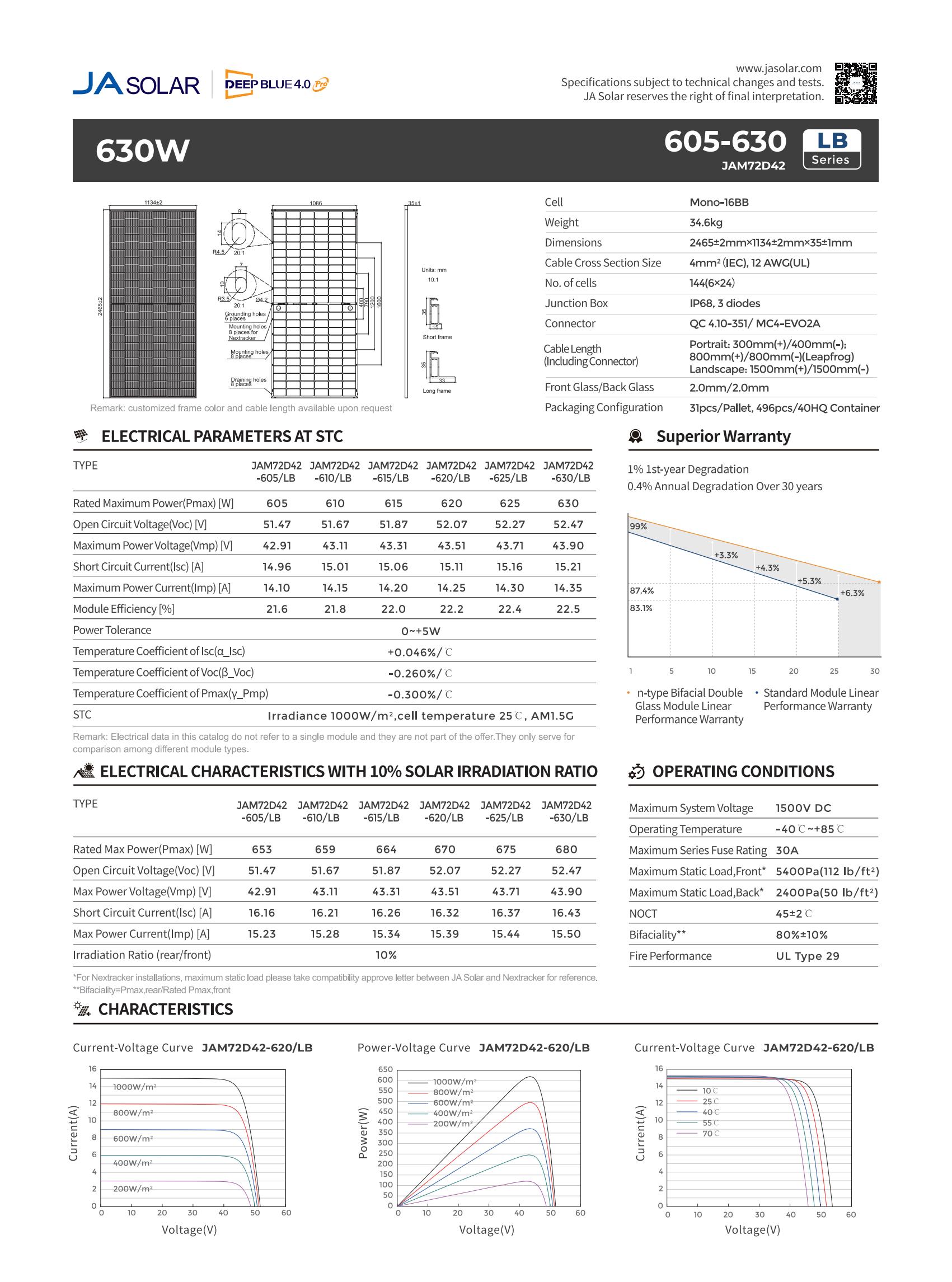
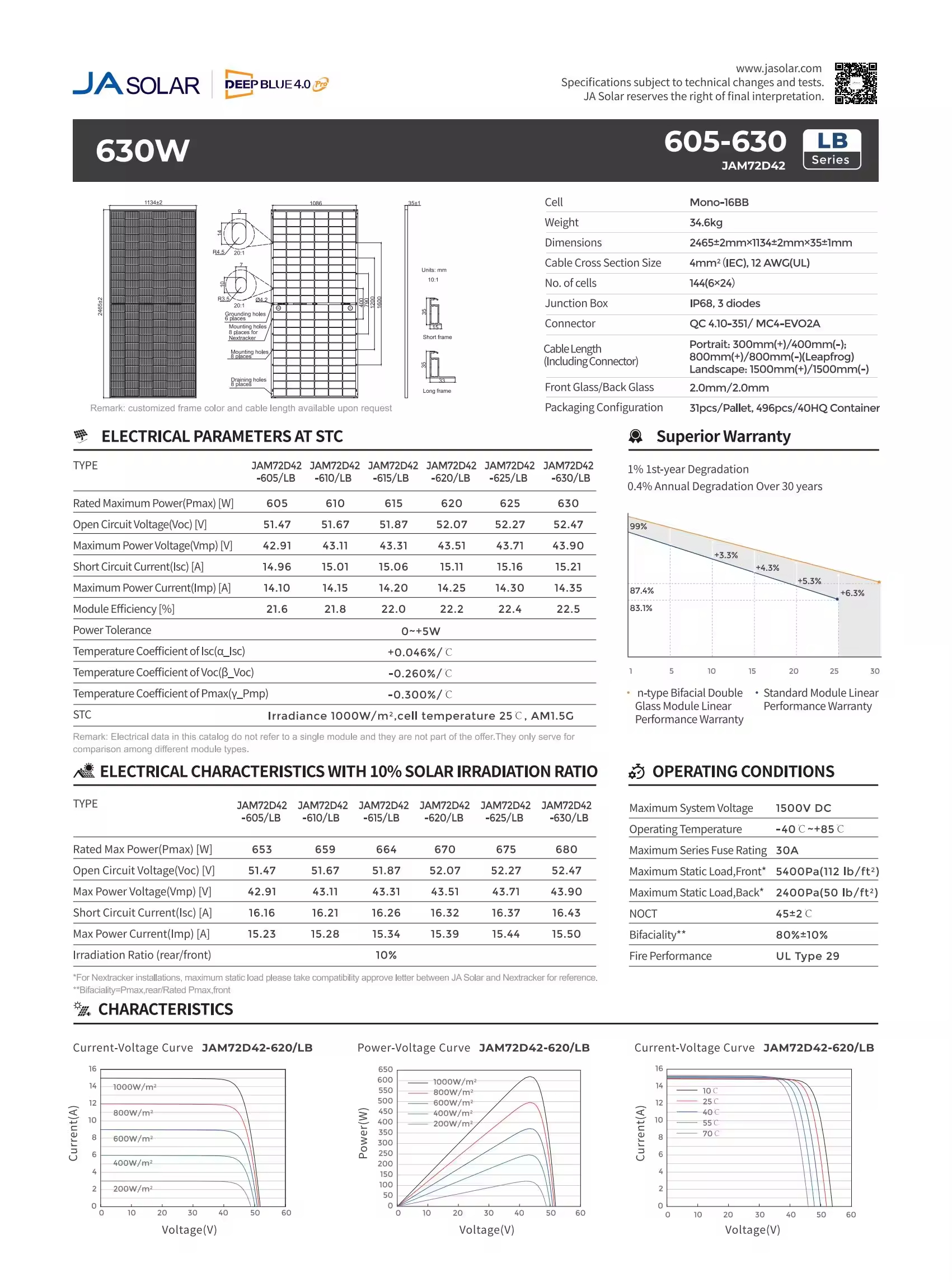
Technical Specifications Diagram
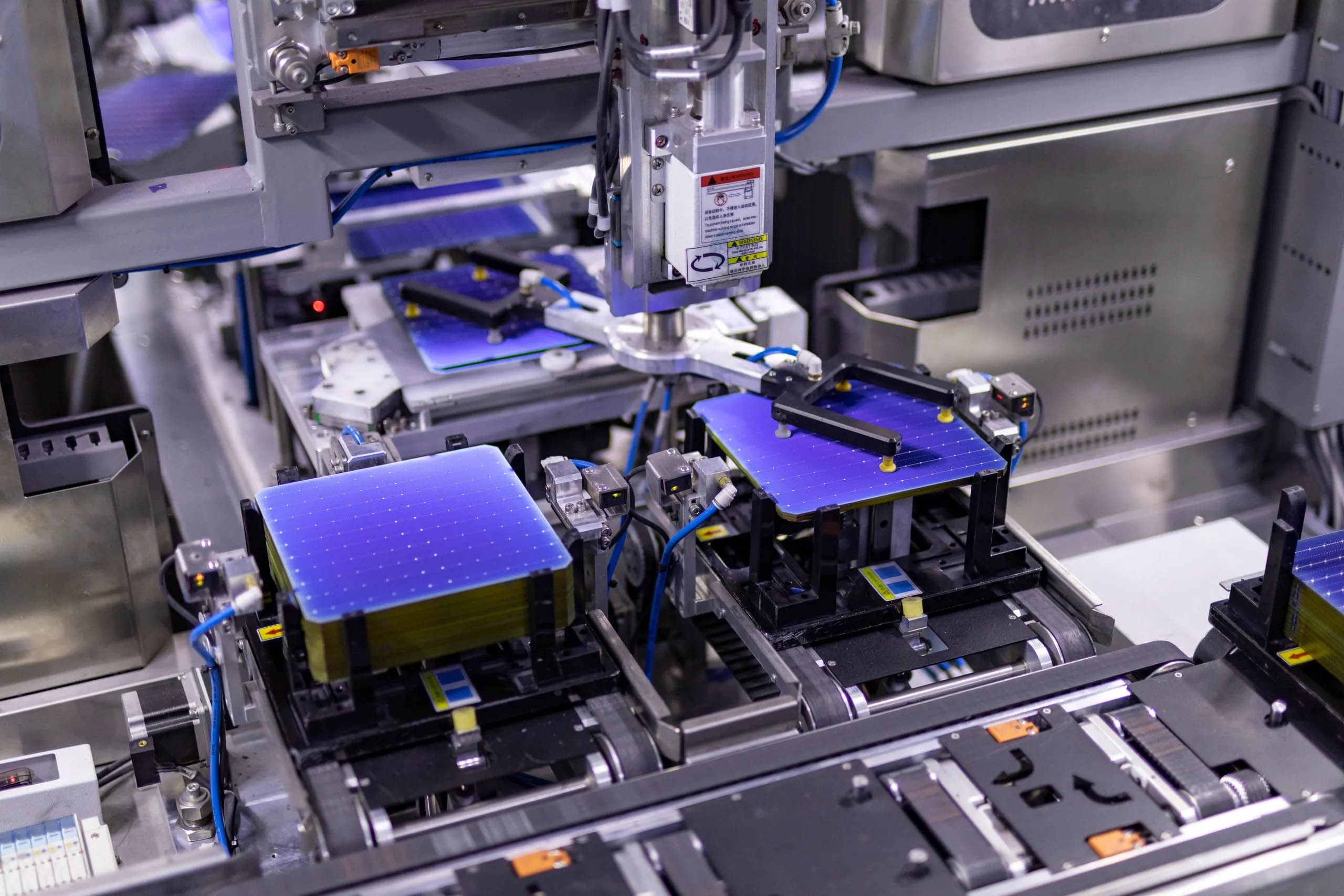
100% Cells Sorting Process
Precision Manufacturing

100% Cells Sorting

Ensure Color and Power Difference. Ensure high yields, consistent performance and durability.
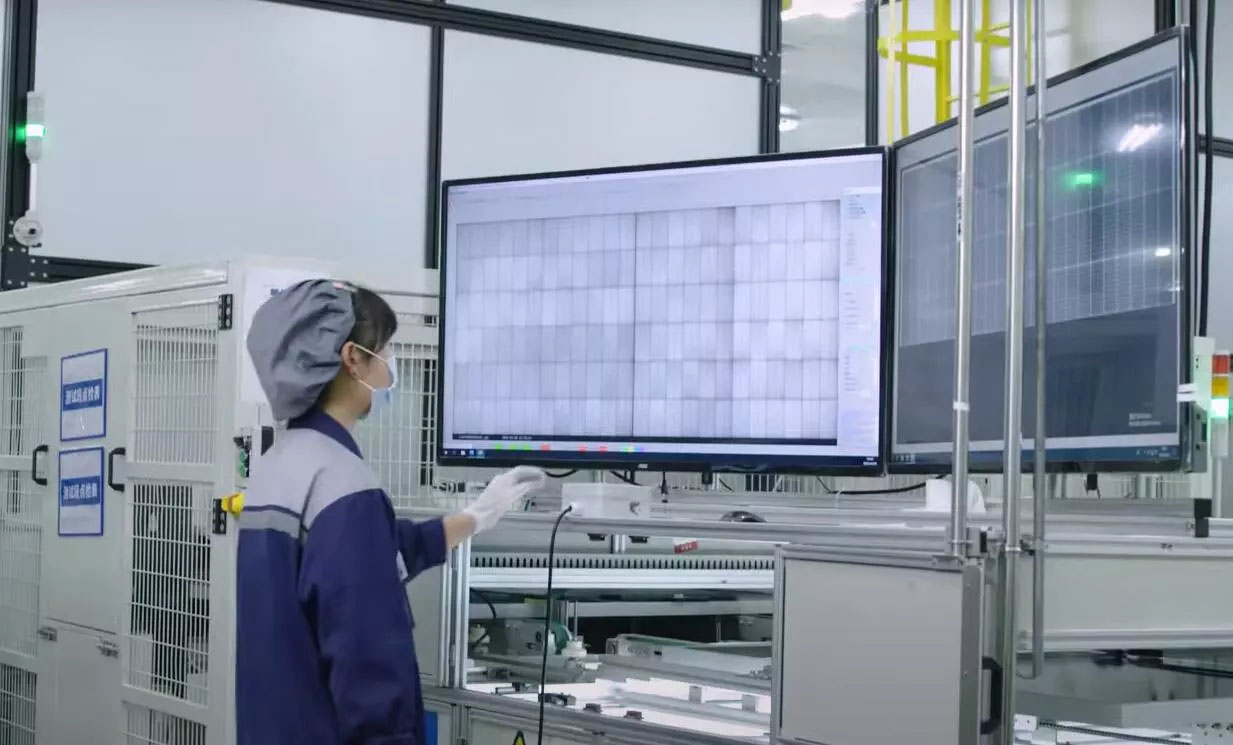
100% EL Testing Process
Advanced Testing

100% EL Testing

Before and Following Lamination. Ensure "Zero" micro crack monitoring before final Inspection, Continuous line monitoring and video/photo record for each cell and panel.
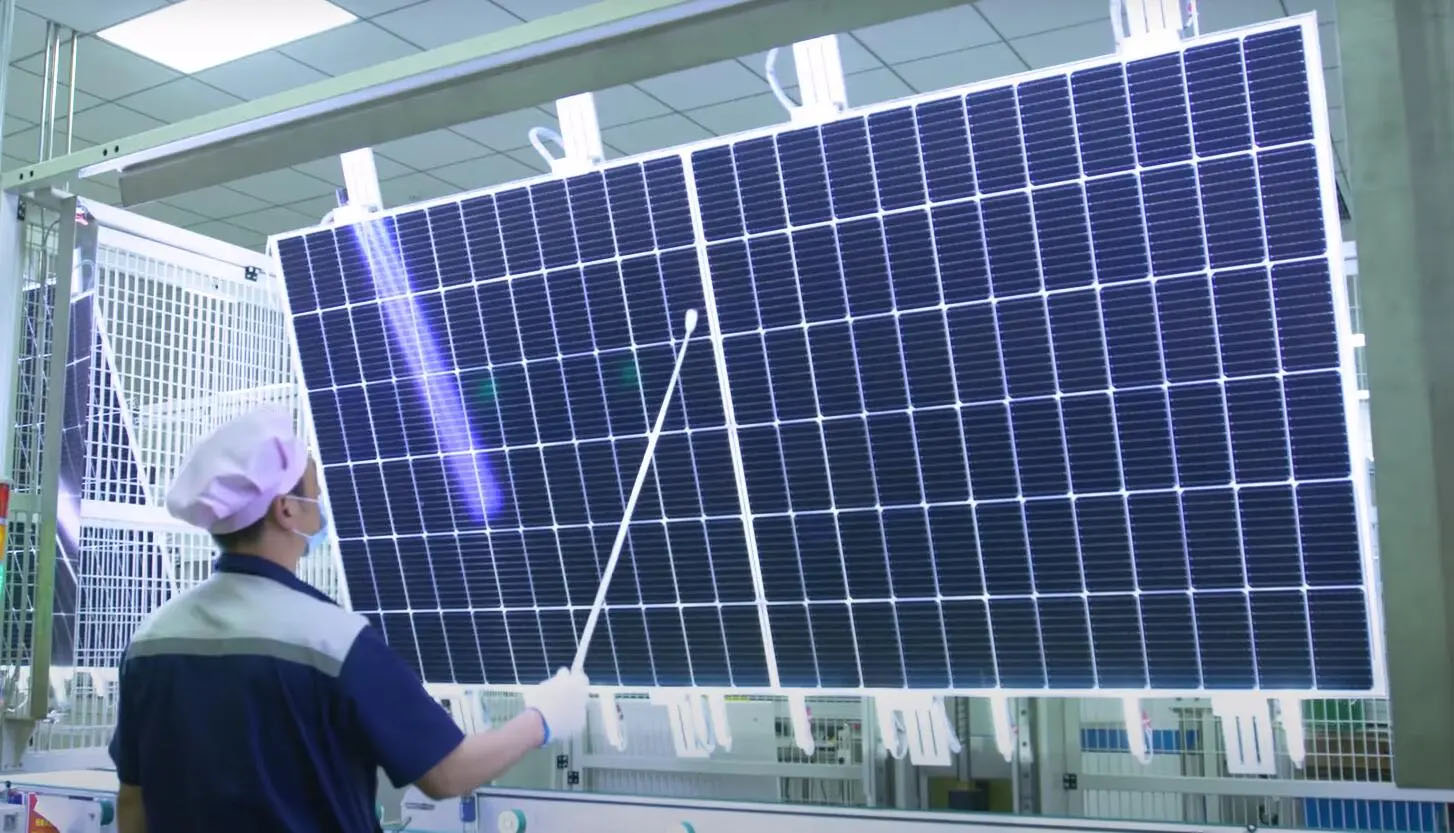
100% Module Inspection
Strict Inspection

100% Module Inspection

Before and After Lamination. Most stringent acceptance criteria and tightest tolerance, Intelligent alarm and stop mechanism in case of any deviation or errors.
Solar Certification Standards
Product Quality Verification
Technical Specifications Chart

Frequently Asked Questions

What are the main benefits of Half-Cut Cell Technology?
Half-cut technology divides standard solar cells into two halves. This reduces internal current and resistive losses, which significantly improves panel performance and efficiency, particularly under partial shade conditions.
How does Multi Busbar (MBB) Technology enhance modules?
MBB technology shortens the distance for current transmission, reducing finger resistance and module power loss. It also offers lower micro-crack risk and provides a cleaner, modern aesthetic appearance.
Why is PERC Technology crucial for cell efficiency?
PERC (Passivated Rear Emitter and Rear Cell) technology adds a passivation layer to the rear of the cell. This layer helps bounce unused light back into the cell to be captured, increasing solar conversion efficiency.
What is the significance of 100% EL Testing?
EL (Electroluminescence) testing acts as an X-ray scan for solar panels. We perform it both before and after lamination to identify micro-cracks, deep defects, or power leaks that are invisible to the human eye.
How does cell sorting ensure quality?
By sorting 100% of our cells, we match color uniformity and power tolerances exactly. This keeps power differences between cells minimal, ensuring maximum long-term durability and stable, high yields.
What is module inspection standard?
All modules undergo tight-tolerance inspections before and after lamination. Any variation triggers an automated alarm and line stop mechanism, ensuring no defective panels are dispatched.

Related Products