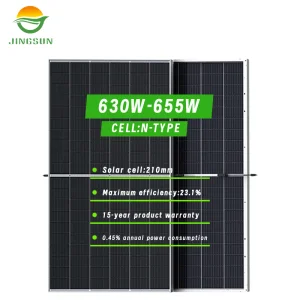
Direct access to certified green energy technology, optimized for high output and maximum warranty protection.
How macro-environmental changes, grid instabilities, and legislative targets are forcing organizations to pivot toward secure, localized microgrids.
The convergence of aging grid architectures and severe climate occurrences has intensified grid instability globally. Modern utility-scale grids demand immediate peak-shaving capabilities. Photovoltaic power coupled with highly flexible BESS (Battery Energy Storage Systems) serves as the foundation for grid mitigation, ensuring stability during voltage drops or system blackouts.
N-type TOPCon and BC (Back Contact) cell architectures have achieved grid parity in over 80% of developed markets. Transitioning to 700W+ high-voltage modules significantly cuts down Balance of System (BOS) expenses by lowering the physical footprint, optimizing cabling requirements, and reducing structural racking costs.
Regulatory frameworks such as the European Green Deal, Net Zero Industry Act, and national tax incentives (e.g., USA's IRA) dictate that capital investment in energy infrastructure must satisfy stringent carbon accounting targets. Sourcing products with comprehensive CE, TUV, and UL credentials minimizes downstream legal risks for engineering procurement teams.
Historically, commercial and industrial enterprises relied on simple diesel generators for emergency power backup. In the modern era of ESG metrics and carbon-border adjustment mechanisms (such as Europe's CBAM), this strategy is no longer financially or legally tenable. The new paradigm relies on integrated solar microgrids: high-voltage solar panels on roofs or ground racking, coupled with smart hybrid inverters and local lithium iron phosphate (LiFePO4) storage hubs. This ensures 100% operational uptime while systematically shielding the enterprise from energy cost volatility.
Key metrics highlighting the efficiency milestones of modern Tier-1 manufacturing protocols.
Technical standards, asset life protection, and compliance pathways required by international developers.
Global procurement offices must ensure full traceabilty across the entire solar silicon supply chain. Raw materials must be vetted to comply with environmental protections and labor laws. Factories utilizing MES tracking software enable real-time tracking of wafer quality, ingot purity, and encapsulation steps, establishing an empirical audit trail for EPC companies.
CE Certification serves as the baseline safety passport for European operations. The IEC 61215 and IEC 61730 certifications guarantee that PV modules can withstand long-term outdoor exposure under extreme thermal, mechanical, and electrical stress. Without these independent verifications, international insurers will not underwrite the installations, stalling project funding.
Tier-1 BloombergNEF status is crucial for large-scale utility approvals. It indicates that the manufacturing entity is financially stable and has provided products to multiple utility-scale projects funded by non-recourse debt. A factory's bankability guarantees the durability of its 25-to-30-year performance warranties.
Modern developers require PV arrays optimized for unique geographical settings. For high-humidity, high-salinity marine environments, double-glass designs are essential to resist potential-induced degradation (PID). In desert climates, high temperature coefficients prevent dramatic performance drops, while dust-resistant frame profiles limit localized soiling losses.
How automated manufacturing lines, vertical integration, and AI-driven quality checks ensure product consistency and competitive pricing.
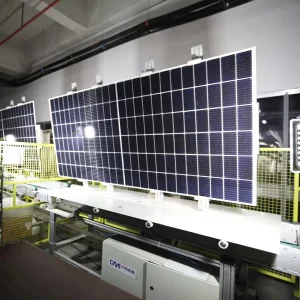
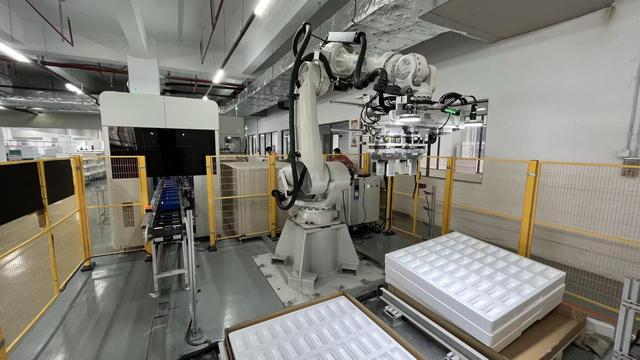
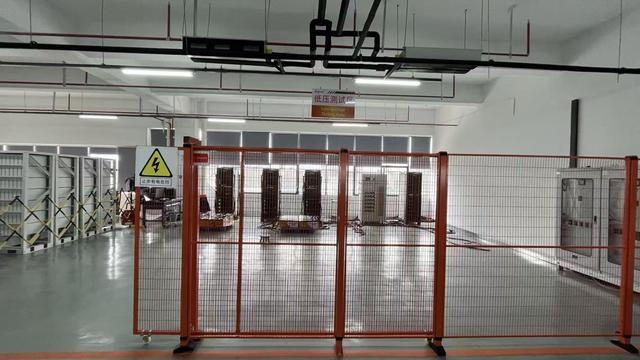
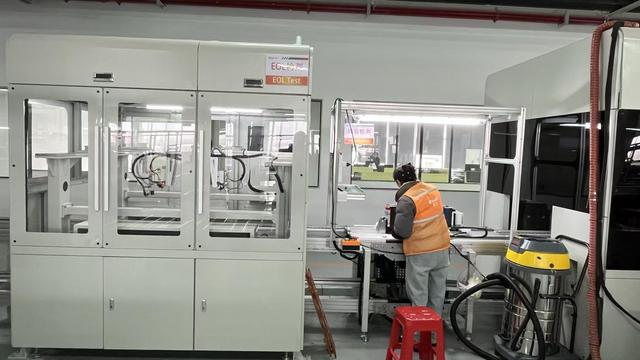
Chinese manufacturing hubs employ automated soldering and micro-precision ribbon positioning. Laser scribing and automatic sorting minimize cell damage during processing, keeping micro-crack risks below 0.1% during transit and deployment.
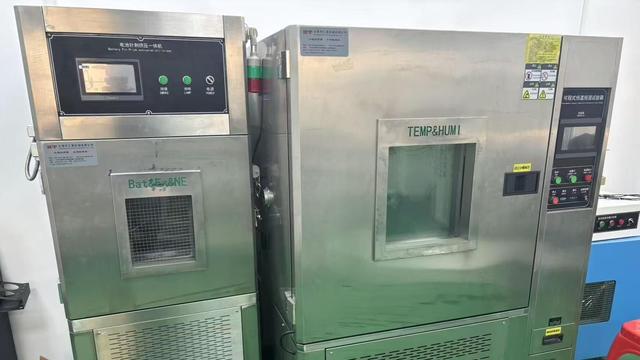
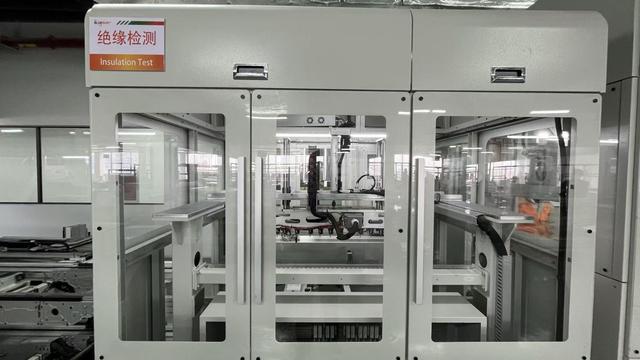
Utilizing high-definition optical inspection systems paired with EL (Electroluminescence) testing throughout the assembly line ensures that hidden cell defects, micro-cracks, and localized shunt resistance anomalies are identified and rejected before module lamination.
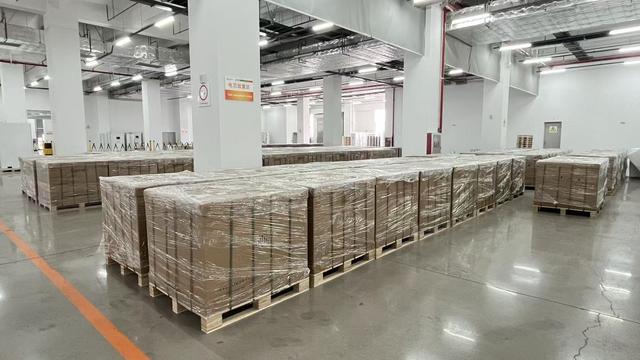
By placing glass factories, junction box manufacturers, structural frame plants, and aluminum extruders near assembly hubs, shipping times and transport costs are minimized. This geographical cluster approach insulates global clients from severe supply chain shocks.
Ningbo, one of the world's premier deepwater shipping hubs, offers a strong logistical advantage for solar exports. Having a production base in Ningbo minimizes inland transit and simplifies shipping lanes to Europe, the Americas, and Southeast Asia. For international buyers, this means lower logistics costs and faster delivery times for multi-megawatt project cargo.
A trusted global manufacturing partner dedicated to monocrystalline, bifacial, and high-efficiency PV technology.
Ningbo GAF Solar Co., Ltd. is a professional Solar Panel Manufacturer | Monocrystalline, Bifacial & High Efficiency PV Modules dedicated to providing reliable solar energy solutions for residential, commercial, industrial, and utility-scale applications worldwide. With a strong commitment to renewable energy innovation, the company delivers advanced photovoltaic products designed to maximize energy generation, efficiency, and long-term performance.
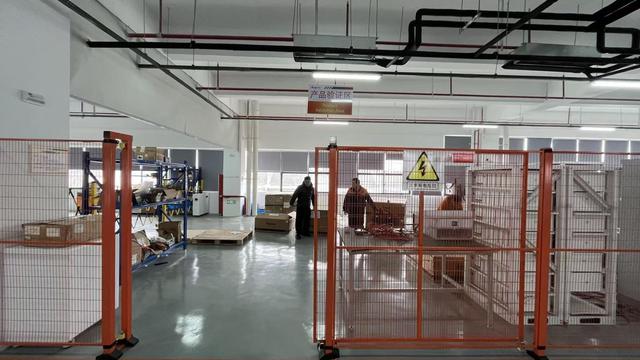
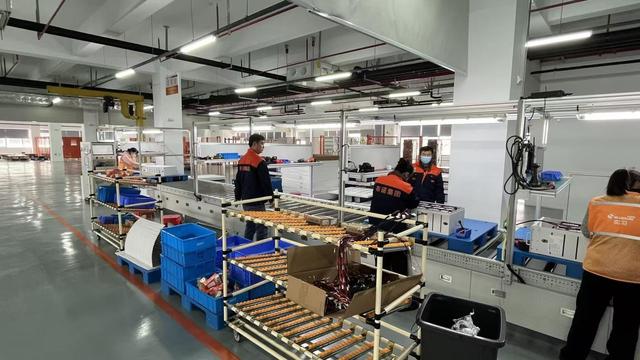
Based in Ningbo, China, GAF Solar operates modern manufacturing facilities equipped with advanced production technologies, automated assembly lines, and comprehensive quality control systems. The company specializes in the development and production of monocrystalline solar panels, bifacial solar modules, high-efficiency photovoltaic panels, rooftop solar solutions, commercial solar systems, industrial solar installations, and customized PV energy projects.
GAF Solar focuses on technological innovation and product reliability. By utilizing premium-grade solar cells, durable materials, and precision manufacturing processes, the company produces solar modules capable of delivering excellent power output, superior weather resistance, and long operational lifespans. Every product undergoes rigorous testing and quality inspections to ensure compliance with international standards and the demanding requirements of global energy markets.
In addition to manufacturing high-performance solar panels, GAF Solar offers comprehensive OEM and ODM services, supporting distributors, EPC contractors, solar developers, energy solution providers, and private-label brands. The company provides flexible customization options, professional technical support, and efficient project coordination from design and production to shipment and after-sales service.
Serving customers across North America, Europe, Southeast Asia, the Middle East, Africa, and Latin America, Ningbo GAF Solar Co., Ltd. has established a reputation for quality, reliability, and customer-focused service. Through continuous innovation and sustainable manufacturing practices, the company remains committed to accelerating the global transition toward clean, renewable energy and creating long-term value for partners around the world.
Diverse application scenarios showcasing performance under varying environmental and operational demands.
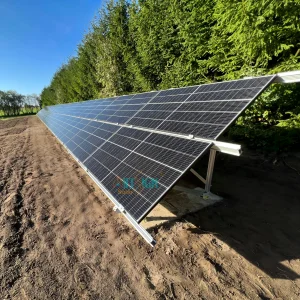
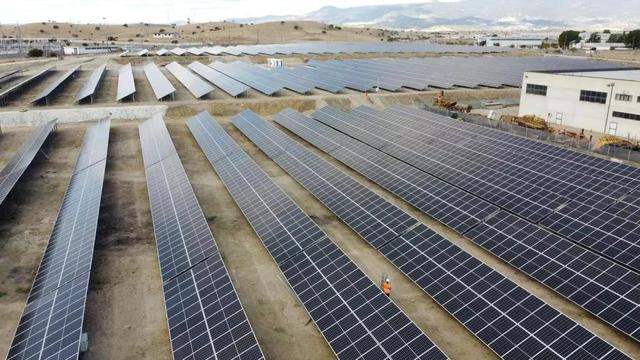
Modern agricultural operations require continuous water pumping for irrigation systems. Utilizing dedicated modules like the DAH Solar 560W Mono Half Cell allows farmers to build off-grid, direct-drive irrigation systems. This layout eliminates diesel costs, improves crop yields, and ensures reliable water supply during peak sunlight hours.
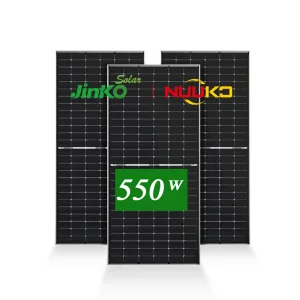
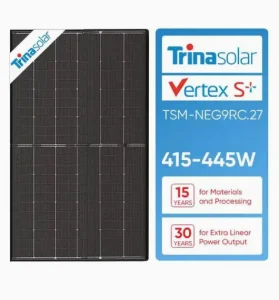
Commercial structures face strict limit constraints on rooftop space. Leveraging premium double-glass bifacial panels (such as Jinko N-type 720W or Trina Solar 440W) maximizes power density per square meter. These systems generate energy from both sides, capturing reflected light from white reflective TPO roofs to boost output.
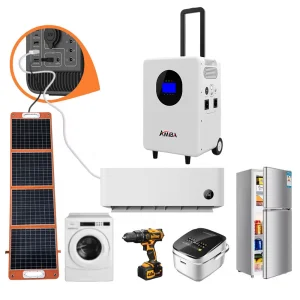
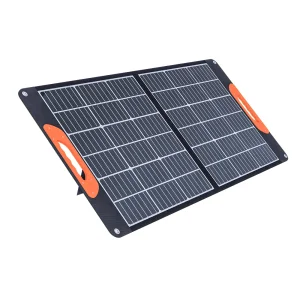
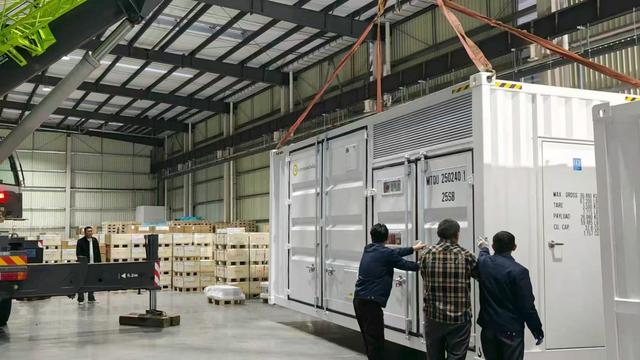
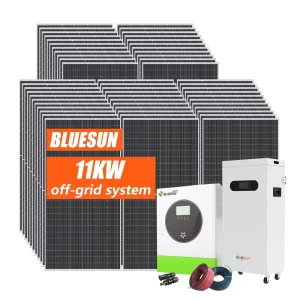
Critical military, mining, and telecommunication relay stations located in remote areas require reliable off-grid power. By deploying pre-assembled, containerized tracking systems alongside highly durable portable generators (like the 4000Wh battery systems), operators establish an independent power grid capable of handling extreme environmental changes.
Direct access to certified green energy technology, optimized for high output and maximum warranty protection.
Addressing key technical inquiries from EPC managers, developers, and global supply chain coordinators.
Resilient Energy Solutions integrate dual-glass mechanical durability, high IP68 weather protection, high-voltage battery storage, and advanced smart software. They are designed to operate under severe climate stress, such as 2400Pa wind loads and 5400Pa snow loads, while maintaining operation during complete utility blackouts.
CE certification is a mandatory compliance mark required for goods sold within the European Economic Area (EEA). For solar products, it verifies compliance with low-voltage safety directives and electromagnetic compatibility requirements. Without a valid CE mark, shipments risk customs detention and cannot be connected to public grids.
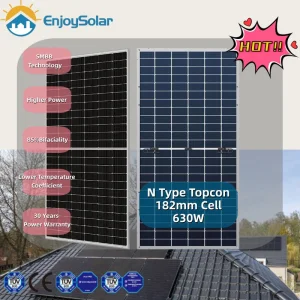
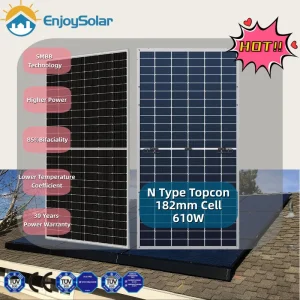
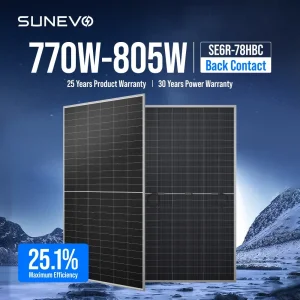
N-type TOPCon (Tunnel Oxide Passivated Contact) provides high efficiency at a competitive price point, with low light-induced degradation and a lower temperature coefficient. BC (Back Contact) technology places all electrical contacts on the rear of the cell, maximizing the active surface area to achieve higher front-side efficiency and improved aesthetics, making it popular for residential and high-end commercial roofs.
Bifacial panels capture light from both sides, generating up to 25% extra energy depending on the ground albedo. The double-glass structure provides superior protection against potential-induced degradation (PID) and water vapor transmission, extending the operational lifespan in high-moisture or high-salinity areas.
We provide full-service customization from initial electrical design and structural engineering to cell layouts and packaging. With highly automated production lines, we support custom mechanical dimensions, specialized electrical setups, and brand labeling under private contracts.
 GAF Solar