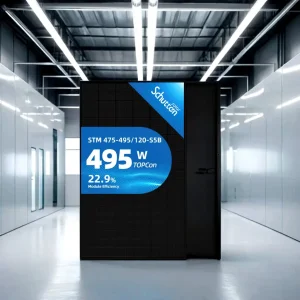
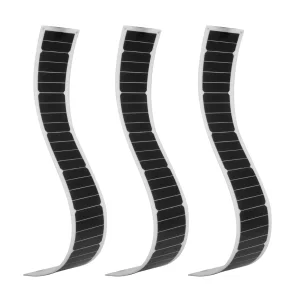
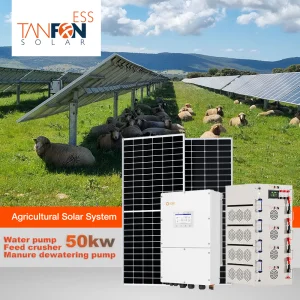
Pioneering energy transition with our core modular lithium battery systems and high-efficiency PV platforms
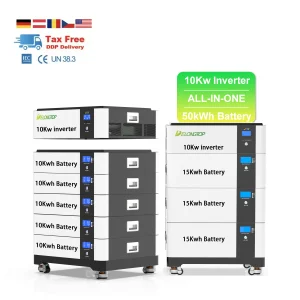
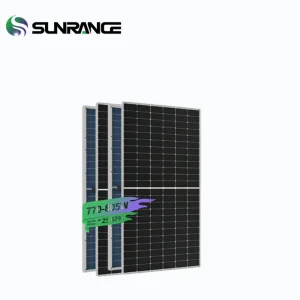
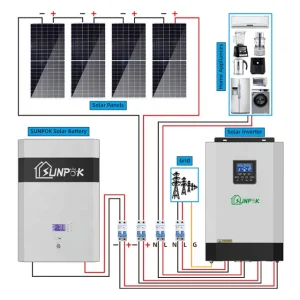
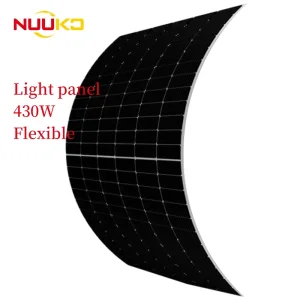
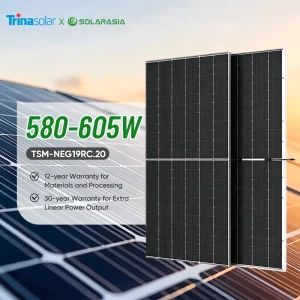
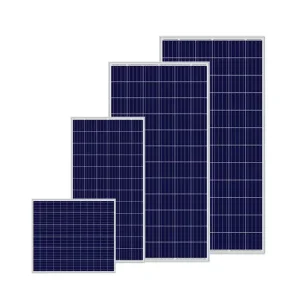
As the world pivots toward deep decarbonization, the integration of intermittent renewable energy sources—such as solar and wind power—presents severe challenges to grid stability. Static electricity distribution is no longer sufficient; global markets require dynamic, responsive, and highly efficient Energy Storage Systems (ESS). China has emerged as the epicentre of battery manufacturing innovation, supplying the world with the most advanced Lithium Iron Phosphate (LFP) cells, high-voltage battery management systems (BMS), and hybrid PV-plus-storage platforms.
For energy project developers, EPC contractors, and global distributors, choosing the right supplier in China is not just about price competitiveness. It demands a deep alignment on system integration expertise, bankability, international certifications, and localized after-sales engineering support. By delivering reliable, long-lifecycle energy storage products, forward-thinking Chinese suppliers are transforming simple batteries into strategic, dispatchable assets that enable true grid-scale energy autonomy.
Modern ESS solutions deliver dynamic frequency regulation, peak-shaving, and black-start capabilities, protecting commercial facilities and local microgrids from unexpected outages.
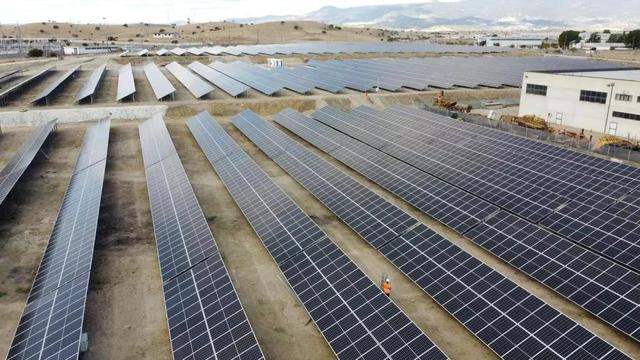
By coupling utility-scale solar panels with high-capacity battery systems, operators minimize curtailment, storing excess noon generation for high-tariff peak evening hours.
Enterprise stakeholders leverage modular storage units to satisfy Scope 1 and Scope 2 emission limits, securing long-term compliance under local green mandates.
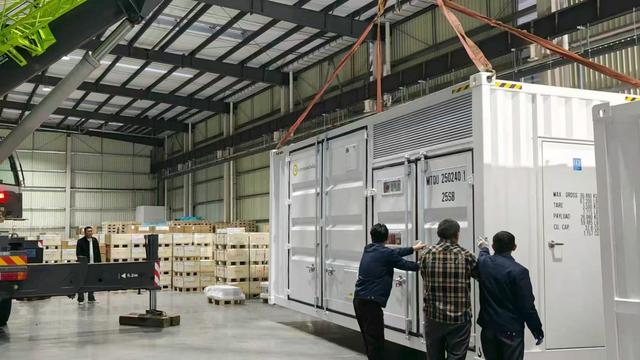
Corporate buyers and developers across Europe, North America, and South America are shifting from purchasing piecemeal components toward procuring completely integrated, pre-tested, turn-key BESS (Battery Energy Storage Systems). This mitigates construction-phase risk and shortens commissioning timelines.
Modern procurement profiles emphasize two major metrics: **Levelized Cost of Storage (LCOS)** and safety validation. A system must demonstrate compliance with strict thermal-runaway mitigation standards (such as UL 9540A). Additionally, buyers seek flexibility in scaling: systems must allow modular additions so that capacity can expand in line with future load profiles.
Lenders require that ESS suppliers use cells and components with proven performance histories and globally recognized third-party laboratory evaluations (TUV, DNV GL).
Smart Energy Management Systems (EMS) featuring cloud forecasting, real-time SoC management, and API links to regional virtual power plant (VPP) markets are essential.
Every market sector presents unique operational requirements. Off-grid farming setups require rugged, weather-resistant microgrids that function reliably in harsh agricultural settings. Conversely, urban commercial enterprises require compact, high-energy-density configurations with robust active cooling systems to meet stringent municipal safety codes.
Lower demand charges by dynamically discharging stored energy during peak utility load periods. Built-in EMS seamlessly monitors building loads, automatically coordinating solar generation, battery status, and utility grid constraints.
Bring stable 220V/380V power to remote agricultural properties. Easily integrates with existing diesel generators to form fuel-saving hybrid microgrids, lowering operational fuel costs by up to 60%.
Smooth out intermittent power generation from large-scale PV plants. By providing consistent power output, developers easily meet strict grid-code requirements, avoiding curtailment fines and utility connection limits.
Crossing borders with high-capacity battery packs requires navigating complex transport regulations and stringent grid-compliance frameworks. From UN38.3 transport safety testing for lithium batteries to European CE-LVD and CE-EMC requirements, leading Chinese exporters manage compliance throughout the supply chain.
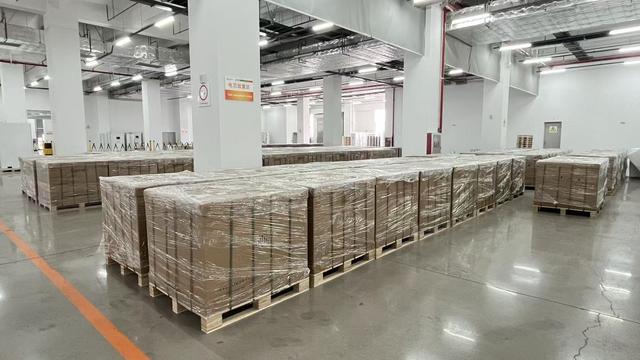
Leading exporters also address the logistical challenges of international shipping through regional hub strategies. Operating local warehouses in key markets like the European Union allows suppliers to maintain pre-cleared inventory. This local presence minimizes transit times, simplifies the customs clearance process for buyers, and ensures rapid delivery of critical replacement parts.
The energy storage sector is transitioning toward higher safety, longer service lives, and lower environmental impact. Key industry innovations include:
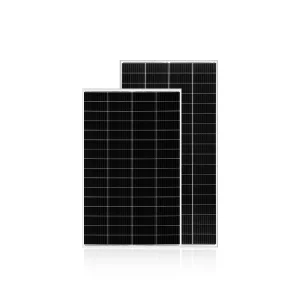
Ningbo GAF Solar Co., Ltd. is a professional Solar Panel Manufacturer | Monocrystalline, Bifacial & High Efficiency PV Modules dedicated to providing reliable solar energy solutions for residential, commercial, industrial, and utility-scale applications worldwide. With a strong commitment to renewable energy innovation, the company delivers advanced photovoltaic products designed to maximize energy generation, efficiency, and long-term performance.
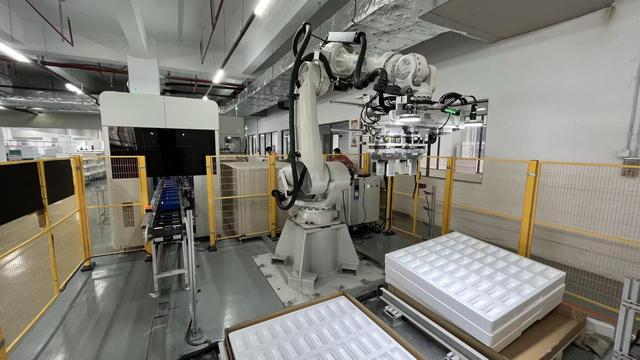
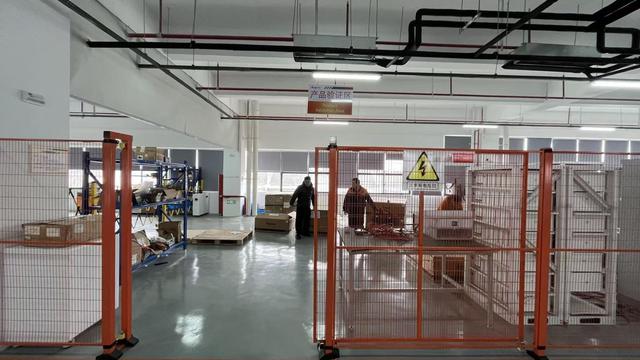
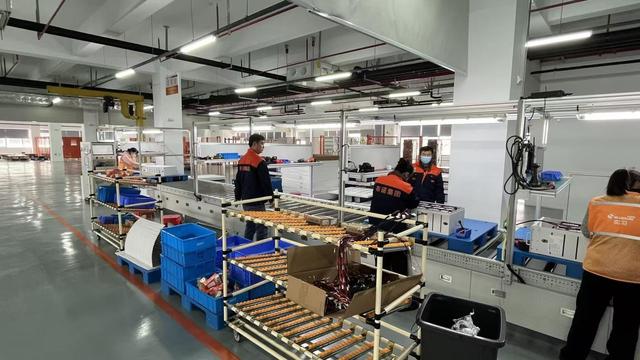
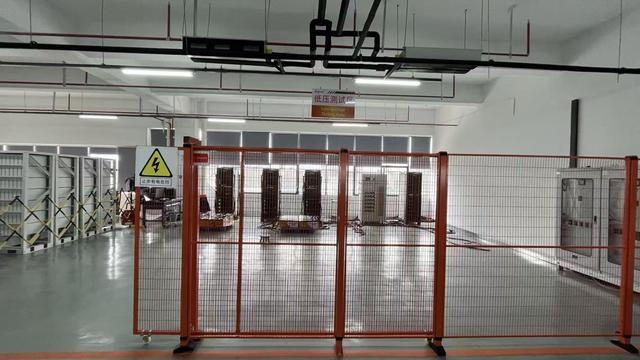
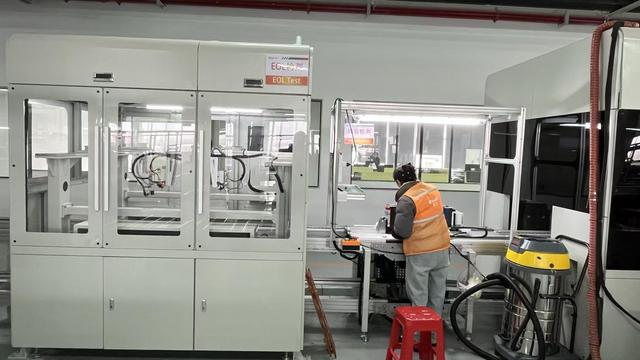
Based in Ningbo, China, GAF Solar operates modern manufacturing facilities equipped with advanced production technologies, automated assembly lines, and comprehensive quality control systems. The company specializes in the development and production of monocrystalline solar panels, bifacial solar modules, high-efficiency photovoltaic panels, rooftop solar solutions, commercial solar systems, industrial solar installations, and customized PV energy projects.
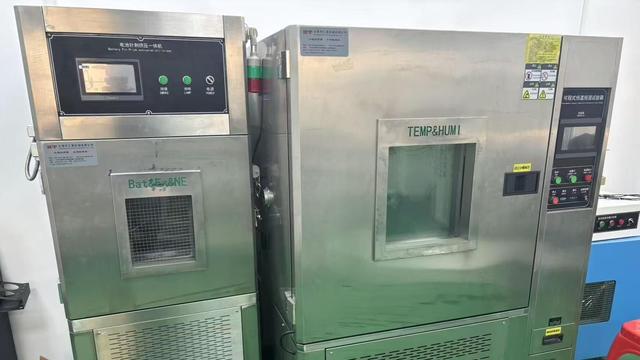
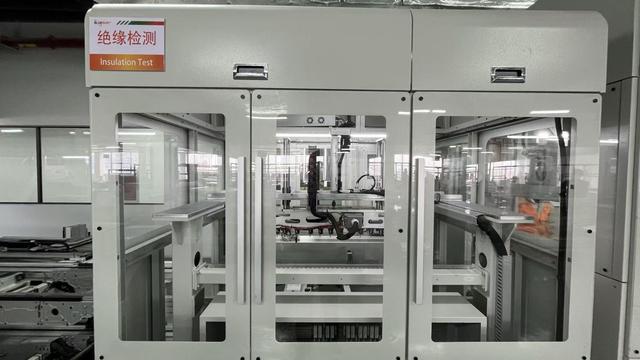
GAF Solar focuses on technological innovation and product reliability. By utilizing premium-grade solar cells, durable materials, and precision manufacturing processes, the company produces solar modules capable of delivering excellent power output, superior weather resistance, and long operational lifespans. Every product undergoes rigorous testing and quality inspections to ensure compliance with international standards and the demanding requirements of global energy markets.
In addition to manufacturing high-performance solar panels, GAF Solar offers comprehensive OEM and ODM services, supporting distributors, EPC contractors, solar developers, energy solution providers, and private-label brands. The company provides flexible customization options, professional technical support, and efficient project coordination from design and production to shipment and after-sales service.
Serving customers across North America, Europe, Southeast Asia, the Middle East, Africa, and Latin America, Ningbo GAF Solar Co., Ltd. has established a reputation for quality, reliability, and customer-focused service. Through continuous innovation and sustainable manufacturing practices, the company remains committed to accelerating the global transition toward clean, renewable energy and creating long-term value for partners around the world.
Answers to technical and logistical questions from global buyers and engineers
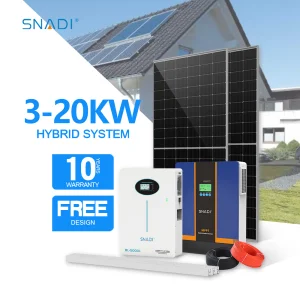
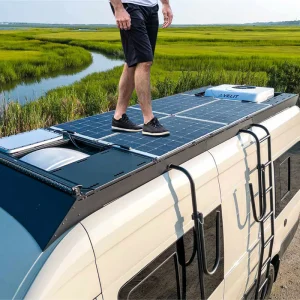
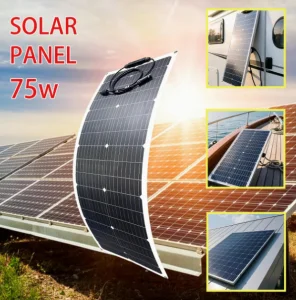
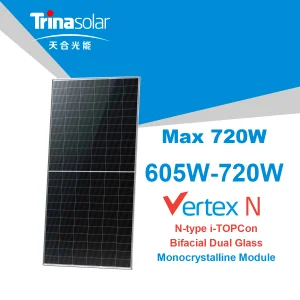
Flexible off-grid systems and high-power monocrystalline solar modules for commercial installations
 GAF Solar