Discover our engineered array of clean energy systems. Every product integrates state-of-the-art PV architecture designed to handle residential self-consumption, complex commercial grids, and remote off-grid configurations.
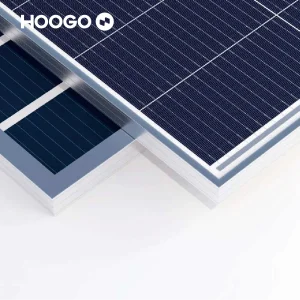
Ningbo GAF Solar Co., Ltd. is a leading, specialized manufacturer in the global renewable energy sector, functioning as a premier Solar Panel Manufacturer | Monocrystalline, Bifacial & High Efficiency PV Modules developer. We are dedicated to providing stable, high-yield solar energy solutions for residential, commercial, industrial, and utility-scale projects worldwide. With deep expertise in clean energy engineering and materials science, GAF Solar consistently supplies high-performance solar modules designed to optimize light absorption and ensure long-term, weather-resistant durability.
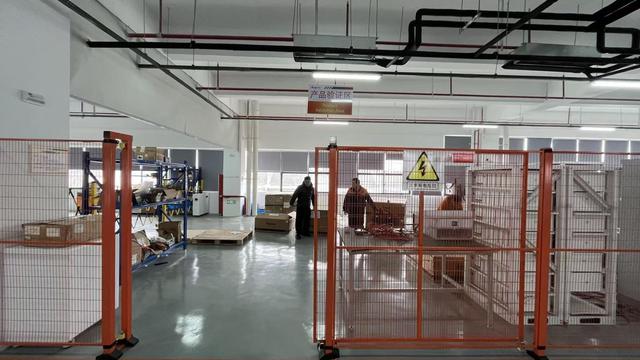
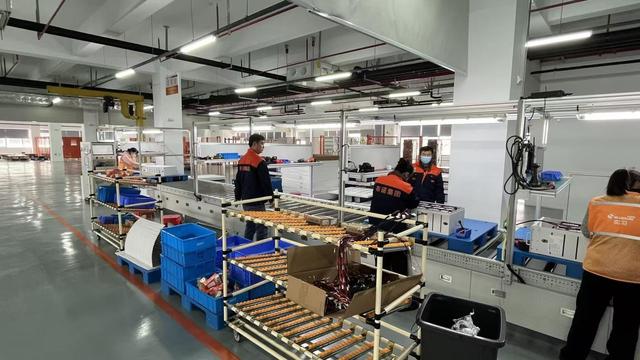
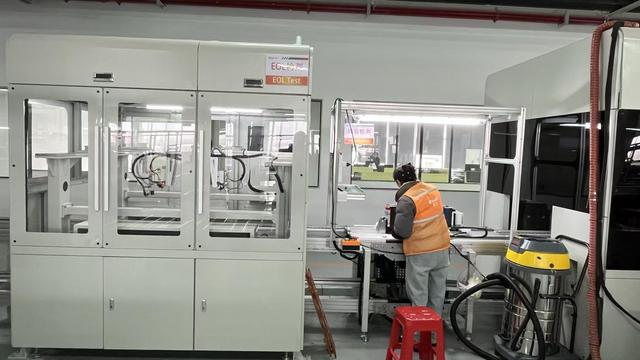
Based in the manufacturing hub of Ningbo, China, the company operates state-of-the-art facilities featuring high levels of automation. Advanced stringer lines, automated EL (Electroluminescence) microcrack detection scanners, and precision laminators operate continuously to supply global markets. We oversee the entire lifecycle of solar PV production, specializing in the development of monocrystalline solar panels, dual-glass bifacial modules, high-efficiency hybrid PVT structures, and customizable building-integrated photovoltaic (BIPV) arrays.
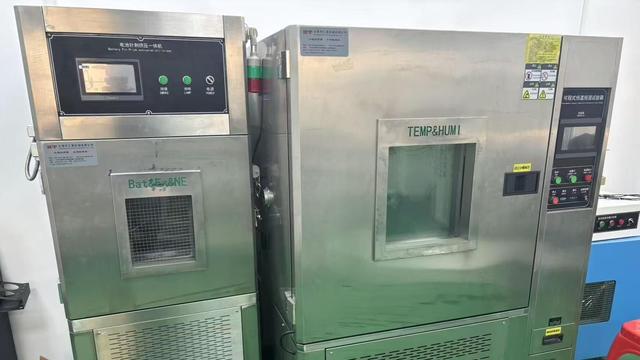
Technological advancement and rigorous quality control form the foundation of our manufacturing philosophy. By using top-tier silicon wafers, highly transmissive tempered glass, and robust EVA encapsulants, GAF Solar delivers products engineered for low degradation rates over multi-decade spans. Each batch undergoes strict mechanical load testing, thermal cycling, and damp-heat testing to verify performance in harsh desert, coastal, or high-latitude climates.
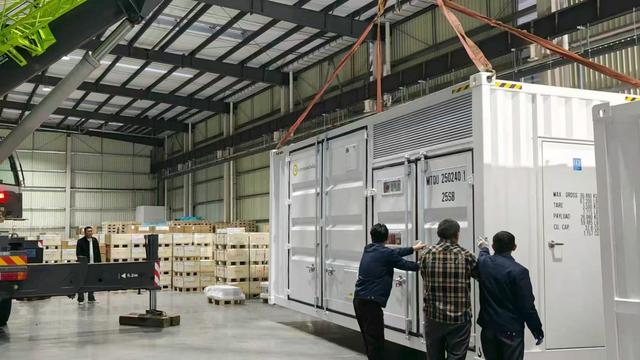
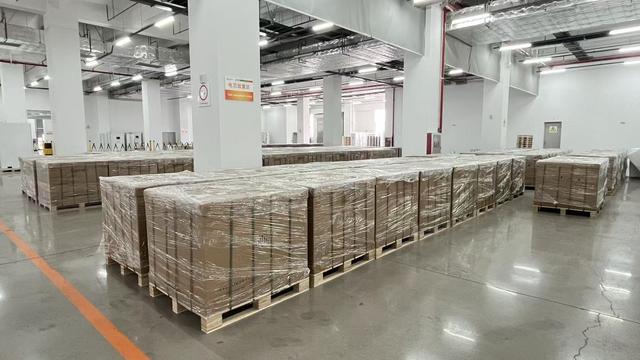
Additionally, GAF Solar provides flexible OEM and ODM services to EPC contractors, developers, and global distributors. From customized size specifications to custom electrical output integration, our technical support and production teams manage every project phase efficiently, ensuring smooth operations from initial design to final container dispatch.
The photovoltaic sector is transitioning rapidly from P-type PERC structures toward N-type TOPCon and HPBC cell technologies. N-type silicon offers minimal Light-Induced Degradation (LID), a lower temperature coefficient, and higher bifaciality, yielding higher energy output per square meter and improved long-term ROI.
Modern architecture is moving beyond retrofitted rooftop panels toward Building-Integrated Photovoltaics (BIPV). Solar energy tiles and transparent glass solar modules function as both structural outer building envelopes and active power generators, supporting net-zero energy building certifications.
Given recent geopolitical shifts and grid vulnerabilities, global buyers now prioritize supply chain resilience. Manufacturers offering vertically integrated production, certified weather endurance, and stable raw material sourcing are increasingly favored by international energy distributors.
Global energy transition plans require scalable, reliable PV manufacturing. Large-scale utility projects and commercial installations require consistent performance, low annual degradation rates (typically under 0.4% for N-type modules), and verified certifications (such as FM approvals) to mitigate investment risks. GAF Solar addresses these requirements by integrating advanced technology with rigorous testing to ensure dependable operations under diverse environmental conditions.
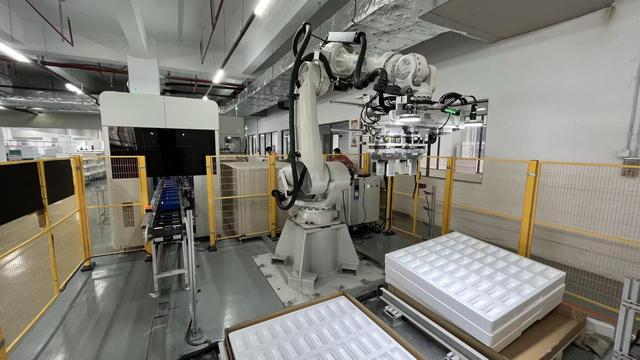
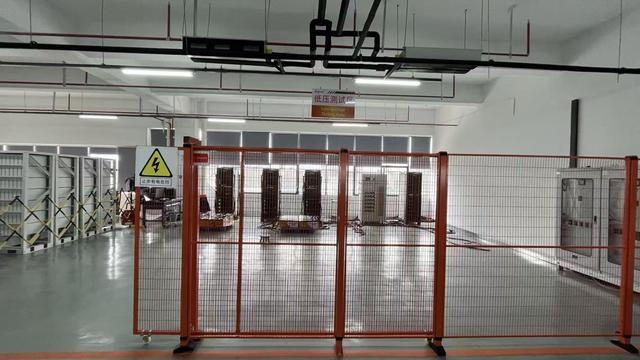
GAF Solar's manufacturing facility in Ningbo combines advanced automation with structured quality management. By implementing Industry 4.0 manufacturing processes, we minimize manual errors while maintaining consistent throughput across our monocrystalline, bifacial, and flexible PV production lines.
Our production facilities utilize automated stringer systems, high-speed alignment machinery, and advanced laminating equipment. Laser scribing and non-destructive cutting techniques prevent microcracks in thin-cell substrates, maintaining the structural integrity of every module. These automated systems allow GAF Solar to offer scalable OEM manufacturing to meet large-volume global distribution schedules.
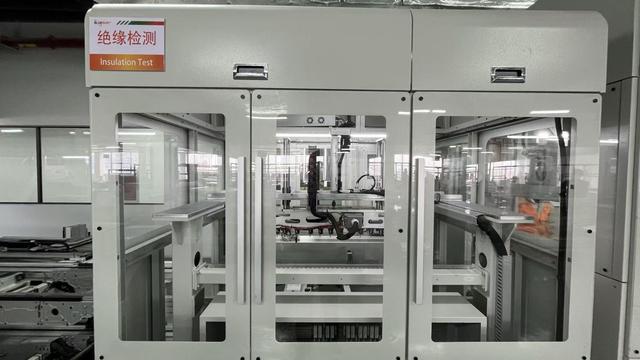
Quality checks are embedded throughout the production process. We utilize dual-stage Electroluminescence (EL) testing, verifying cell structure before lamination and performing a final diagnostic check post-assembly. Output calibration is conducted via high-precision solar simulators, ensuring that every panel meets or exceeds its rated wattage with positive tolerance levels.
| Manufacturing Phase | Equipment & Inspection Tech | Quality Control Objective |
|---|---|---|
| Cell Sorting | Automatic Laser Scanners | Classifies conversion efficiency |
| Stringer Layup | Robotic Alignment Systems | Reduces busbar resistance |
| Lamination | Multi-Stage Thermal Ovens | Eliminates bubbles and delamination |
| Final QC | Dual EL Testing & IV Simulators | Confirms power output ratings |
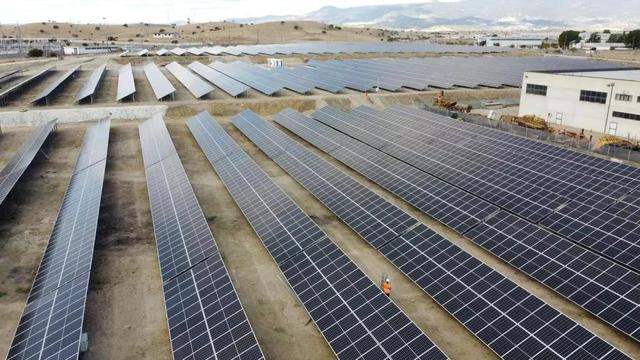
Different installation environments require tailored solar technologies. Standard monocrystalline modules work well for open-field utility projects, but specialized configurations are needed for unique residential designs, historical preservation, mobile systems, or space-constrained roofs.
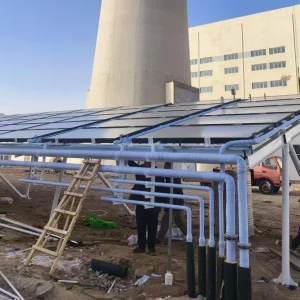
PVT panels address space constraints by integrating photovoltaic power generation with thermal water heating. Fluid circulation through the backsheet extracts heat from the PV cells, cooling them to improve conversion efficiency while simultaneously generating thermal energy for domestic hot water systems.
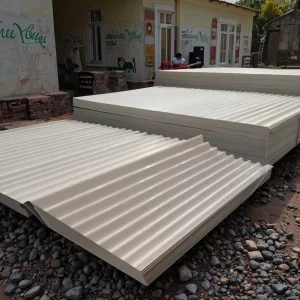
Building-Integrated Photovoltaics serve dual purposes. Used as solar shingles, skylights, or curtain walls, BIPV modules replace conventional building materials. They generate clean energy while meeting building insulation, waterproofing, and structural load requirements.
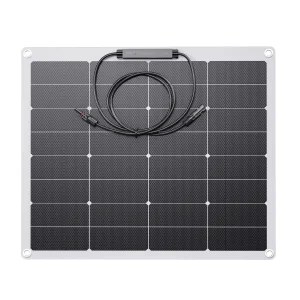
For caravans, yachts, and curved architectural elements, semi-flexible panels offer lightweight, aerodynamic integration. Utilizing HPBC (Hybrid Passivated Back Contact) cells, these panels achieve efficiencies of up to 25% and bend up to 30 degrees, making them suitable for marine and mobile applications.
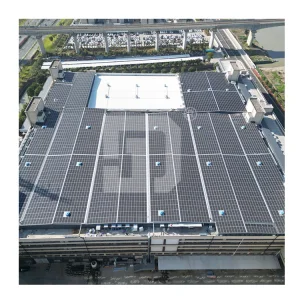
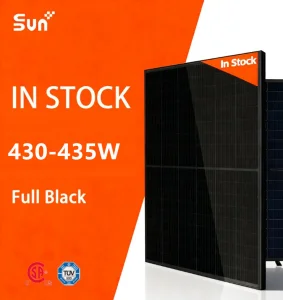
For industrial manufacturing facilities seeking to reduce peak demand charges and comply with corporate emissions goals, our 430W-585W Monocrystalline and N-Type modules offer high energy yields. They feature robust anti-PID properties and high structural resistance, making them suitable for installation on complex roofing structures or ground mounts.
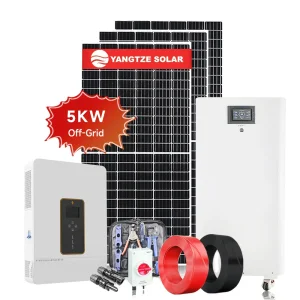
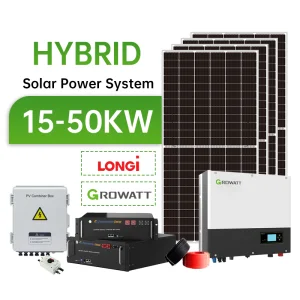
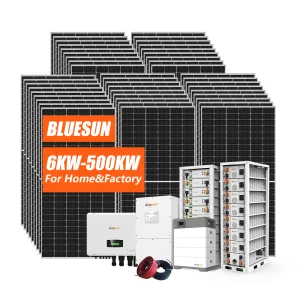
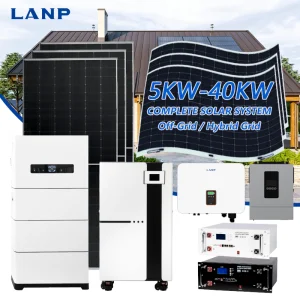
Homeowners globally require complete, easy-to-install packages that simplify grid connection or provide off-grid backup. Our complete hybrid kits (ranging from 5kW to 50kW) combine high-output monocrystalline panels with smart, cloud-connected hybrid inverters and stackable LiFePO4 battery storage, helping protect residences against grid failures.
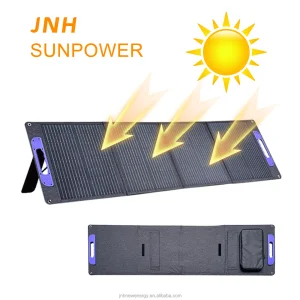
Off-grid mobility requires lightweight, durable PV materials. Using walkable marine-grade ETFE solar panels and foldable chargers, boat owners and overland travelers can maintain auxiliary battery banks without adding excess weight or wind resistance. These units feature IP67-rated junction boxes for reliable operation in saltwater environments.
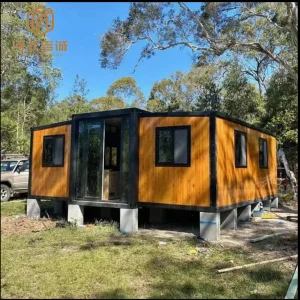
Real estate developers and constructors looking for modular solutions can integrate solar roofing directly at the factory. Prefabricated houses with pre-installed solar and BIPV panels streamline installation schedules, allowing builders to meet local energy efficiency standards upon assembly.
Below, we address frequent questions from EPC contractors, distributors, and engineering partners regarding technical specifications, custom manufacturing capabilities, and quality standards.
N-type cells utilize phosphorus-doped silicon, which eliminates boron-oxygen complexes. This structural difference prevents Light-Induced Degradation (LID) during the module's initial exposure to sunlight. N-type cells also offer a lower temperature coefficient (typically -0.30%/°C compared to -0.35%/°C for P-type) and higher bifaciality, improving energy yields in high-temperature environments and diffuse light conditions.
PVT panels integrate electric and thermal generation into a single module. A built-in heat exchanger absorbs heat from the silicon cells, transferring it to water or glycol loops. Cooling the PV cells prevents the thermal efficiency drops common in high temperatures. This system yields up to four times more energy per unit area than standard PV systems, making it suitable for hotels, hospitals, and residential structures with limited roof space.
FM (Factory Mutual) Certification verifies that a solar module meets strict safety standards for wind resistance, fire propagation, and impact endurance. For commercial and industrial facilities, installing FM-certified panels reduces insurance premiums and mitigates structural risks by proving the system can withstand wind uplift and storm conditions.
Yes. As a dedicated OEM/ODM manufacturer, GAF Solar can modify dimensions, frame thicknesses, junction box configurations, cable lengths, and backsheet colors (e.g., all-black designs). We also provide custom labeling, private-brand options, and packaging designs tailored to large-scale distributors and EPC projects.
We use automated optical inspection (AOI) and dual-stage Electroluminescence (EL) testing during production. EL tests scan the cells before lamination and after framing, identifying internal microcracks, cold solder joints, or cell defects invisible to the naked eye. This process prevents defective modules from being shipped, minimizing field failure rates.
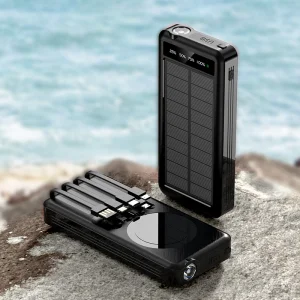
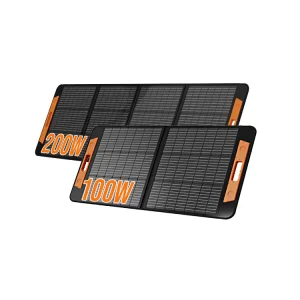
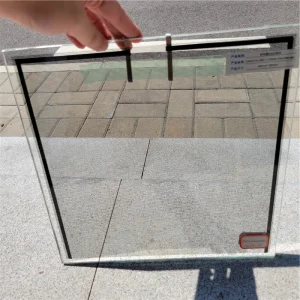
Explore our specialized products, including portable folding solar panels, marine-grade flexible modules, transparent PV windows, and comprehensive off-grid hybrid packages designed for diverse applications.

 GAF Solar