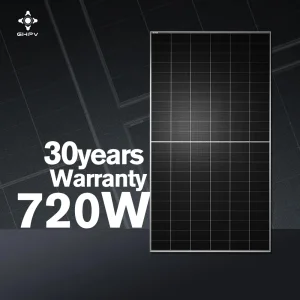
Explore our cutting-edge Tier-1 monocrystalline panels, flexible solutions, and custom integration power configurations.
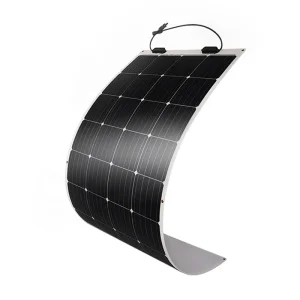
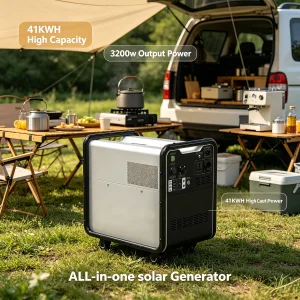
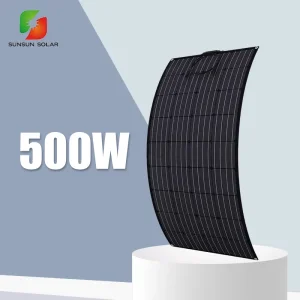
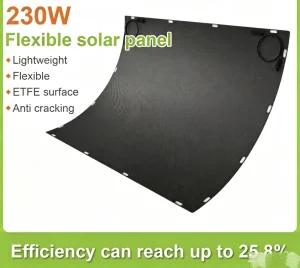
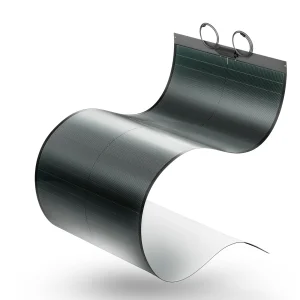
The global solar energy paradigm is shifting rapidly toward premium-grade, high-efficiency technologies. Monocrystalline silicon PV cells remain the cornerstone of this evolution, accounting for more than 95% of the worldwide silicon wafer market share. Unlike polycrystalline structures, monocrystalline solar cells are sliced from single, high-purity silicon ingots grown via the Czochralski (Cz) process. This creates an uninterrupted lattice structure, facilitating smoother electron movement and dramatically lower recombination losses. Consequently, the commercial efficiency of N-type TOPCon (Tunnel Oxide Passivated Contact) and HJT (Heterojunction Technology) monocrystalline cells has reached 24% to 26%, surpassing the thermodynamic limitations of older P-type PERC architectures.
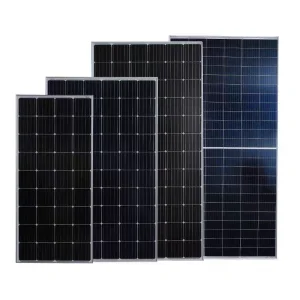
Currently, international utility-scale energy projects and microgrids are demanding modules with higher power density, lower degradation rates, and enhanced temperature coefficients. As land and balance-of-system (BOS) costs escalate, utilizing custom monocrystalline cells enables developers to minimize structural footprint, cabling, and installation labor, while yielding up to 15-25% more lifetime energy per square meter. In regions facing extreme climatic variations—such as North America, Europe, and the Middle East—bifacial monocrystalline panels utilizing dual-glass structures are proving essential to harness high albedo reflections off sand, snow, or commercial roofs, transforming PV installations into multi-directional energy assets.
China represents the epicenter of the global solar supply chain, driving vertical integration from raw polysilicon purification to advanced wafer slicing, cell fabrication, and final module assembly. Located in major industrial clusters such as Zhejiang province, Ningbo GAF Solar Co., Ltd. stands as a premier manufacturer leveraging these native logistics and raw materials ecosystems to provide unprecedented cost efficiencies and fast-tracked R&D lead times.
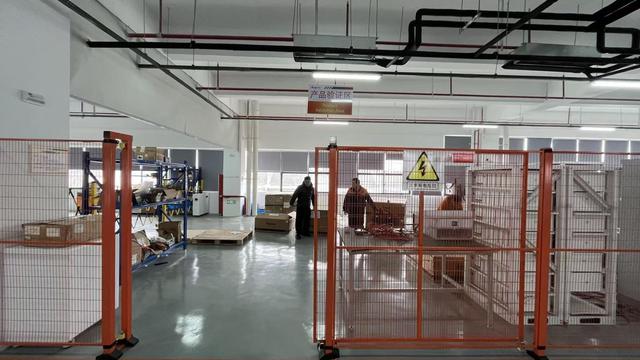
By controlling wafer handling, customized cell slicing, tab layout, and encapsulation within state-of-the-art facilities in Ningbo, we eliminate regional supply chain bottlenecks.
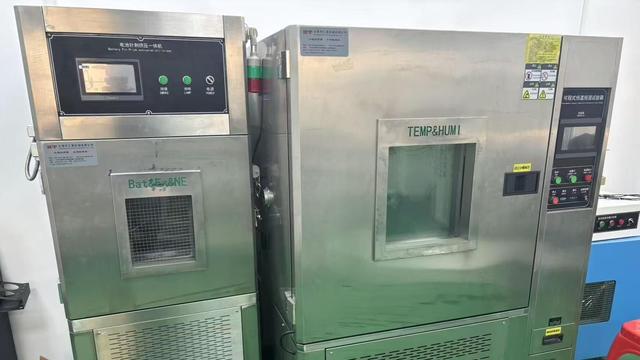
Every single cell undergoes double Electroluminescence (EL) testing, visual defect screening, and mechanical stress evaluations before lamination, ensuring zero micro-cracks.
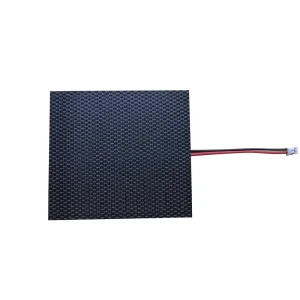
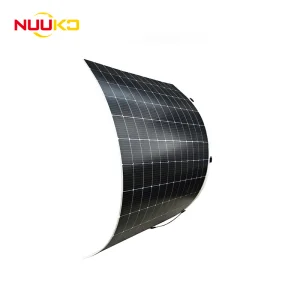
We provide highly customized physical profiles, custom voltage systems, specialized ETFE/PET flexible laminates, and proprietary labeling for global distributors.
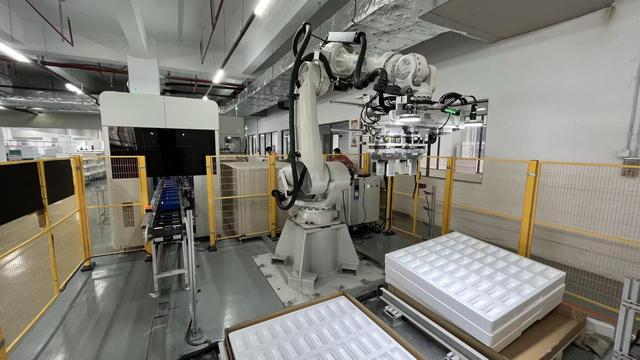
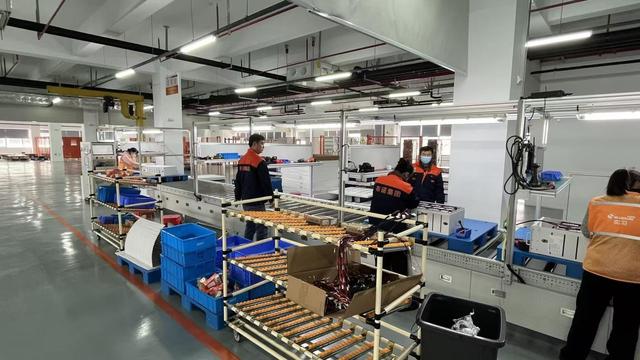
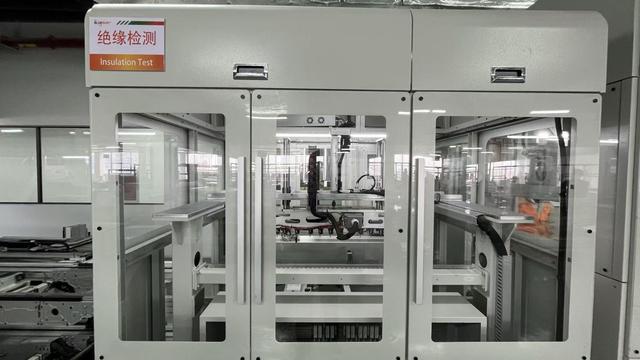
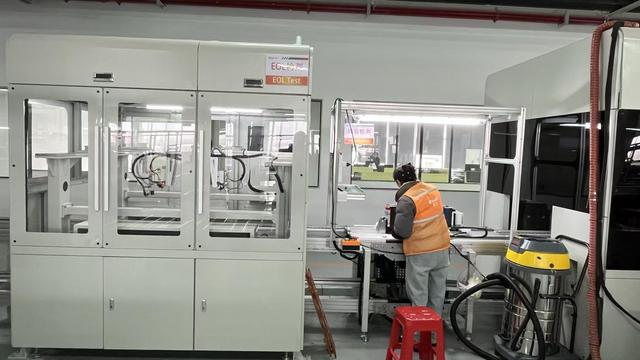
This level of regional industrial aggregation enables Ningbo GAF Solar Co., Ltd. to optimize BOM (Bill of Materials) costs, implement the latest Multi-Busbar (MBB) technologies, and utilize N-type TOPCon or CIGS thin-film configurations with extremely short production cycles. Our facility utilizes automated assembly lines, ensuring precision welding, uniform spacing, and robust structural sealing, satisfying the stringent certification standards of TUV, CE, and UL.
Standard-sized solar panels do not fit every project. Industrial, commercial, transport, and off-grid consumer markets demand tailored electrical and mechanical configurations. At Ningbo GAF Solar Co., Ltd., we excel in translating customer performance criteria into physical photovoltaic cells and modules:
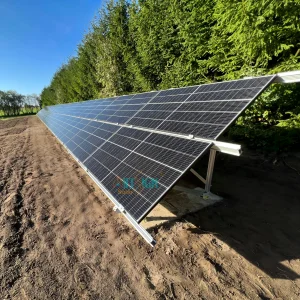
Our monocrystalline solar panels are deployed across various demanding environments worldwide, showcasing exceptional resilience and high conversion output:
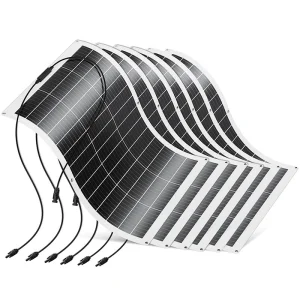
Salt mist corrosion and high moisture degrade standard solar modules. By utilizing highly customizable marine-grade ETFE coatings and double-glass frameless designs, our flexible monocrystalline solar cells are resilient against saltwater, UV exposure, and structural flexing on sailboats, yachts, and remote offshore monitoring platforms.
Recreational vehicle owners require maximum power generation within highly constrained roof geometries. The 100W-300W flexible and folding panels, combined with integrated MPPT controllers, enable high-density energy storage, charging LiFePO4 batteries efficiently even during partial cloud cover or shaded conditions.
European cities are seeing massive growth in balcony solar power kits. Our compact, all-black lightweight monocrystalline modules allow urban tenants to harness clean solar energy from vertical balconies, plugging directly into micro-inverters with simple DIY installation steps.
For factories and logistics parks, heavy panels pose structural challenges. Lightweight half-cell monocrystalline and frameless modules distribute loads evenly, while double-glass bifacial panels generate energy from both sides, increasing output on white reflective roof coatings.
When sourcing custom OEM monocrystalline solar panels, global EPCs (Engineering, Procurement, and Construction) and solar developers must look beyond the initial cost per watt. Key performance and financial indicators must guide the procurement strategy to ensure project bankability and 30-year operational viability:
1. Cell Quality & Degrade Curve: Ensure the manufacturer utilizes premium silicon ingots. Low-quality cells suffer from severe Light-Induced Degradation (LID) and Light and Elevated Temperature-Induced Degradation (LeTID) within the first two years of operation. Ningbo GAF Solar Co., Ltd. guarantees less than 1% degradation in year one, and under 0.4% annually through year 30.
2. Certification Compliance: Ensure all products have active CE, TUV, and RoHS compliance certificates. These verify the modules can withstand mechanical loads of up to 5400 Pa (snow) and 2400 Pa (wind), as well as hail impact resistance tests.
3. Dynamic Hotspot and EL Testing: A quality-focused factory should provide complete electroluminescence reports for every batch. Micro-cracks, invisible to the human eye, can lead to hotspot development, reduced energy output, and potential fire hazards. Our strict quality control systems eliminate these defects prior to final container loading.
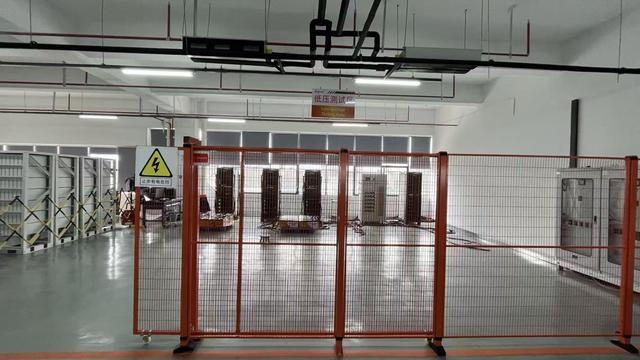
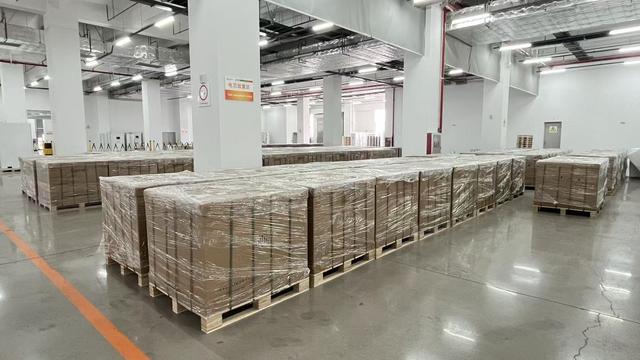
Take a virtual tour through our modernized manufacturing lines, automated cell sorting, precision lamination, and heavy-duty testing equipment.
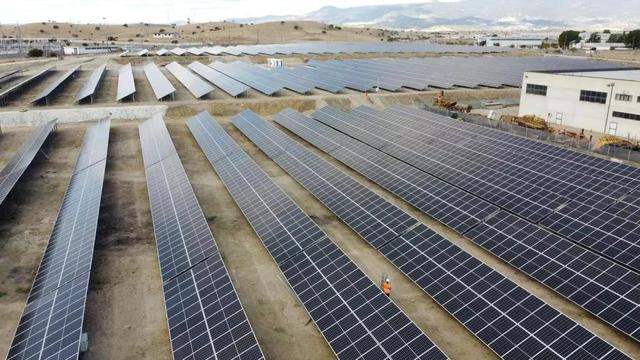
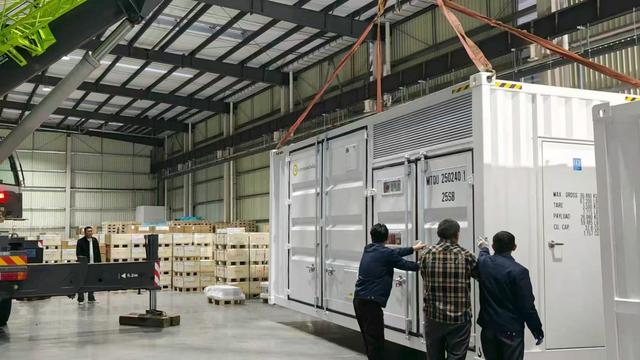
The PV industry is transitioning rapidly from traditional P-type wafer materials to N-type alternatives. N-type silicon is doped with phosphorus rather than boron, which eliminates Light-Induced Degradation (LID) caused by boron-oxygen complexes. This single adjustment boosts conversion efficiency by at least 1-2% absolute, translating to higher power densities.
Among N-type technologies, TOPCon (Tunnel Oxide Passivated Contact) is the leading commercial architecture. It features a thin tunnel oxide layer combined with highly doped polycrystalline silicon to passivate the rear contact, preventing charge recombination at the metal-silicon interface. HJT (Heterojunction Technology) goes a step further by layering thin amorphous silicon films on crystalline silicon wafers, resulting in a low temperature coefficient (-0.26%/°C) and superior power yields in hot climates.
Looking forward, Perovskite-Silicon Tandem cells represent the next major breakthrough. By stacking a high-bandgap perovskite cell on top of a low-bandgap monocrystalline silicon base, tandem cells can harvest a broader spectrum of solar radiation, aiming for theoretical conversion efficiencies exceeding 30%.
From a structural standpoint, manufacturers are adopting zero-busbar (0BB) and smart wire layout configurations. These designs remove traditional copper busbars to reduce shading loss, lower silver consumption during printing, and minimize micro-cracking risks under dynamic wind loads.
Get professional answers to technical, logistical, and customization questions about monocrystalline solar modules.
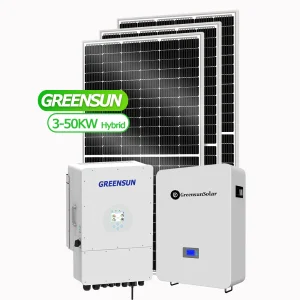
Explore our high-performance monocrystalline systems designed for utility, residential, and commercial applications.
 GAF Solar