Tailored architectural integration, high-efficiency solar cells, and robust structural designs

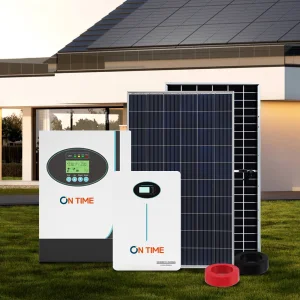
In the current global energy paradigm, the demand for clean electricity has transitioned from a localized regulatory mandate to a primary strategic driver for multinational enterprises. Commercial and Industrial (C&I) entities are seeking modular, customizable, and high-efficiency photovoltaic integrations that accommodate diverse architectural requirements. The global market is moving away from generalized "one-size-fits-all" solar modules toward application-specific, custom engineering. This shift is catalyzed by volatile grid dynamics, corporate ESG initiatives, and localized legislative parameters (such as the EU's Carbon Border Adjustment Mechanism and the United States' Inflation Reduction Act).
Custom OEM manufacturing offers the specific mechanical dimensions, electrical configurations, and aesthetic forms required to optimize structural load limitations, urban spatial constraints, and high-temperature operating conditions. By cooperating directly with a dedicated manufacturer like Ningbo GAF Solar Co., Ltd., engineering, procurement, and construction (EPC) firms and global system integrators can deploy systems that maximize return on investment (ROI) and Levelized Cost of Energy (LCOE) targets.
Deciding on the correct photovoltaic cell architecture determines the thermodynamic limit of energy output and systemic durability. Below is an analytical comparison of N-Type TOPCon, HJT, and PERC technologies, indicating how customizations modify overall performance values under real-world conditions.
| Performance Parameters | N-Type TOPCon (Tunnel Oxide Passivated Contact) | HJT (Heterojunction Technology) | PERC (Passivated Emitter & Rear Cell) |
|---|---|---|---|
| Typical Conversion Efficiency | 22.5% – 24.2% | 23.0% – 25.0% | 21.2% – 22.8% |
| Temperature Coefficient | -0.30% / °C to -0.32% / °C | -0.26% / °C | -0.35% / °C to -0.37% / °C |
| Bifaciality Factor | 80% – 85% | 85% – 95% | 65% – 75% |
| LID / LeTID Sensitivity | Near-Zero (Phosphorus-doped substrate) | Zero (Symmetrical amorphous layer) | Moderate (Boron-Oxygen complexes) |
| OEM Customization Versatility | Excellent (Versatile dimension options) | High (Process sensitive, premium cost) | Standardized (Mature supply chain) |
Solar deployment landscapes vary from sub-zero high-altitude environments to high-salinity maritime zones. The physical and chemical components of the module must match these specialized environmental conditions:
Coastal environments expose systems to continuous salt mist, causing electrochemical corrosion. Custom solutions utilize dual-glass structures, POE (Polyolefin Elastomer) encapsulation, and marine-grade anodized aluminum frames to achieve PID resistance and prevent water vapor transmission.
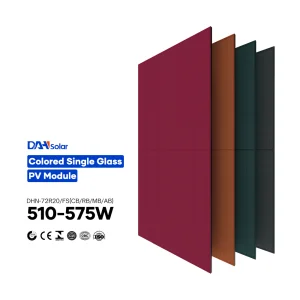
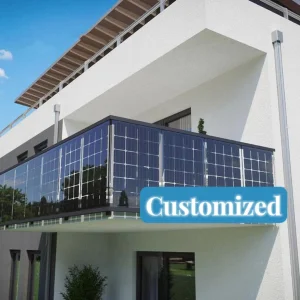
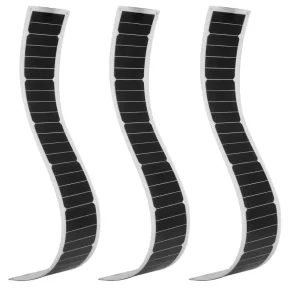
Modern high-rise facades and structures require structural safety and customized aesthetics. Colored transparent modules, thin-film structural integration, and customized safety profiles replace traditional building cladding to convert outer wall surfaces into power-generating elements.
Heavy snow accumulation places significant static loads on PV arrays. Custom-designed frame configurations, thicker front glass (3.2mm or reinforced dual-glass), and custom mounting clips protect cells from micro-cracking and mechanical structural failures.
Ningbo GAF Solar Co., Ltd. is a professional Solar Panel Manufacturer | Monocrystalline, Bifacial & High Efficiency PV Modules dedicated to providing reliable solar energy solutions for residential, commercial, industrial, and utility-scale applications worldwide. With a strong commitment to renewable energy innovation, the company delivers advanced photovoltaic products designed to maximize energy generation, efficiency, and long-term performance.
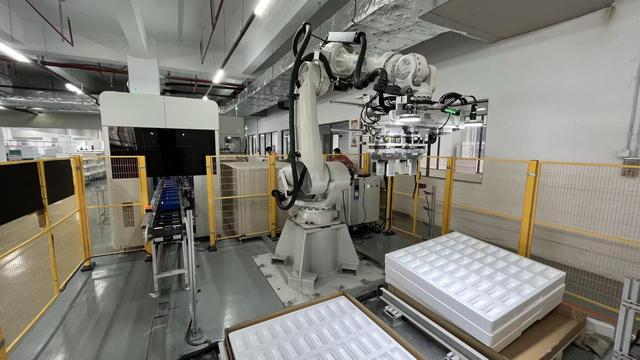
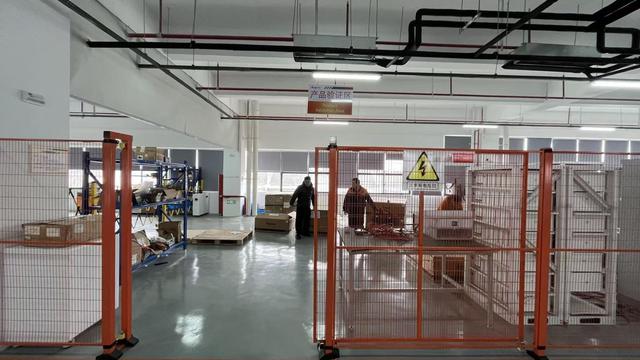
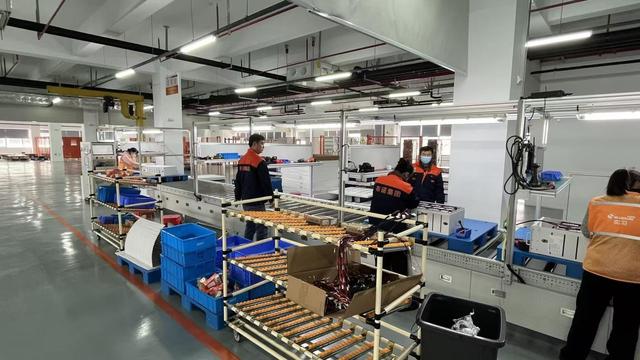
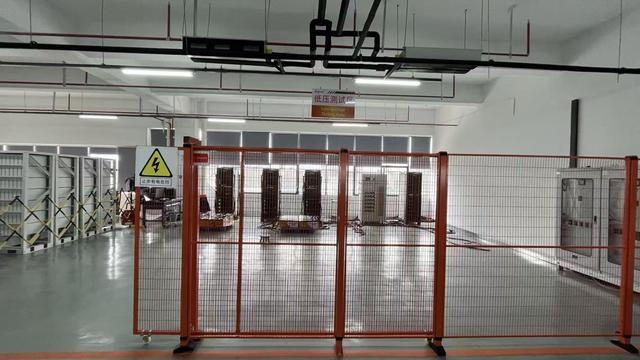
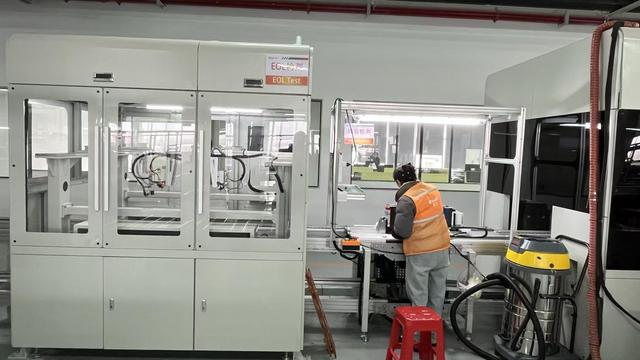
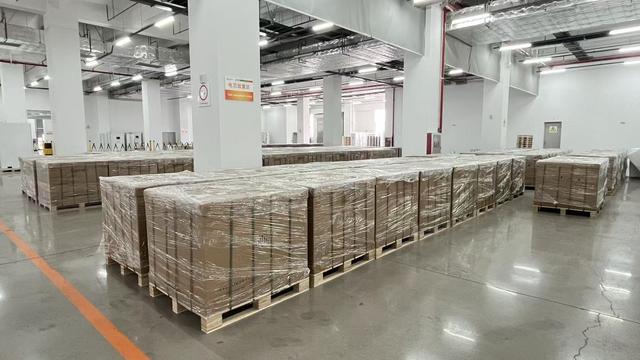
Based in Ningbo, China, GAF Solar operates modern manufacturing facilities equipped with advanced production technologies, automated assembly lines, and comprehensive quality control systems. The company specializes in the development and production of monocrystalline solar panels, bifacial solar modules, high-efficiency photovoltaic panels, rooftop solar solutions, commercial solar systems, industrial solar installations, and customized PV energy projects.
GAF Solar focuses on technological innovation and product reliability. By utilizing premium-grade solar cells, durable materials, and precision manufacturing processes, the company produces solar modules capable of delivering excellent power output, superior weather resistance, and long operational lifespans. Every product undergoes rigorous testing and quality inspections to ensure compliance with international standards and the demanding requirements of global energy markets.
In addition to manufacturing high-performance solar panels, GAF Solar offers comprehensive OEM and ODM services, supporting distributors, EPC contractors, solar developers, energy solution providers, and private-label brands. The company provides flexible customization options, professional technical support, and efficient project coordination from design and production to shipment and after-sales service. Serving customers across North America, Europe, Southeast Asia, the Middle East, Africa, and Latin America, Ningbo GAF Solar Co., Ltd. has established a reputation for quality, reliability, and customer-focused service.
The PV industry is characterized by rapid technological cycles. Over the next five years, cell architecture will transition from single-junction silicon toward multi-junction perovskite-silicon tandem configurations, which present theoretical efficiency limits exceeding 30%. In parallel, module-level power electronics (MLPE) are being integrated into standard factory designs to provide panel-level shutdown and real-time performance tracking.
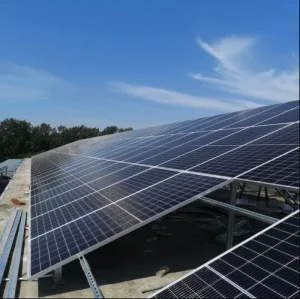
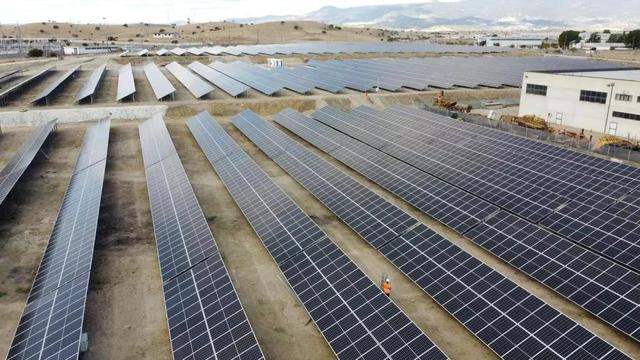
On a macro scale, green hydrogen production facilities require large-scale ground-mounted PV arrays that generate power in high-radiation regions. These systems rely on high-yield bifacial TOPCon and HJT cells paired with smart tracker configurations. By optimizing the bifacial rear-side gain through reflective ground treatments (such as white gravel or specialized geotextiles), operators can increase energy yield by up to 25% compared to monofacial arrays.
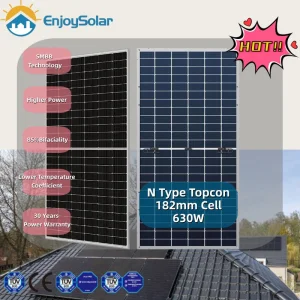
N-Type TOPCon cells feature a superior temperature coefficient of -0.30%/°C, compared to PERC's average of -0.36%/°C. In regions where temperatures exceed 35°C, N-Type TOPCon modules exhibit lower heat-induced performance degradation. They are also immune to Boron-Oxygen-induced Light-Induced Degradation (LID), resulting in higher energy production over the system's operational lifespan.
PID is prevented by selecting encapsulation materials such as POE (Polyolefin Elastomer) instead of EVA for bifacial and glass-glass configurations. POE provides lower water vapor transmission rates (WVTR) and higher volume resistivity. This design prevents leakage currents along the glass and frame under high-temperature and high-voltage conditions.
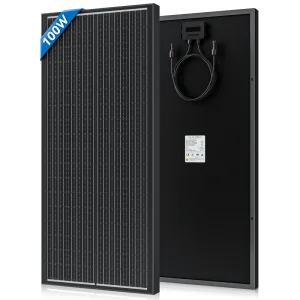
Our OEM and ODM capabilities allow for customization of module dimensions, frame thickness and color (including anodized black, silver, or specific RAL colors), backsheet material (transparent or white glass options), junction box cable lengths, MC4 connector types, and custom branding/labeling. We also offer customization of electrical parameters to align with specific commercial inverters.
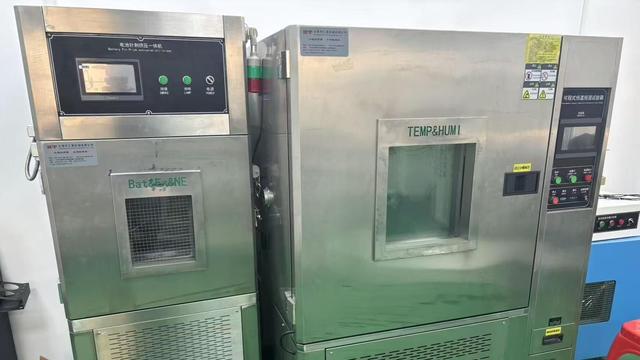
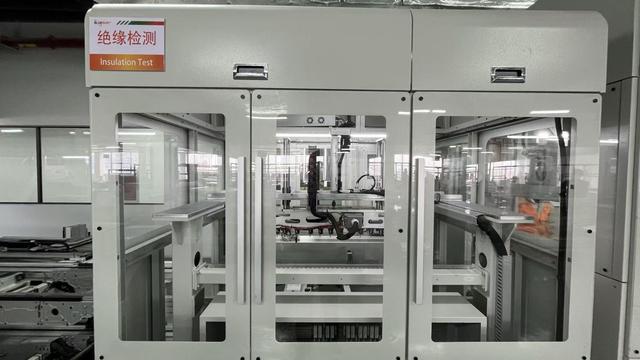
Every production batch undergoes testing, including double Electroluminescence (EL) testing to detect micro-cracks before and after lamination, Flash/I-V curve testing for power output verification, wet leakage current testing, mechanical load testing up to 5400Pa (front side) and 2400Pa (rear side), and thermal cycle chambers to ensure compliance with IEC 61215 and IEC 61730 international certifications.
Engineered for durabilty, high energy yield, and easy installation across global project sites
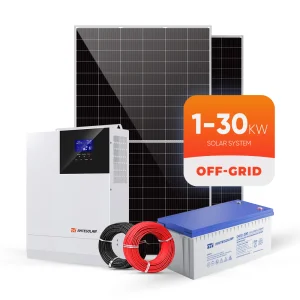
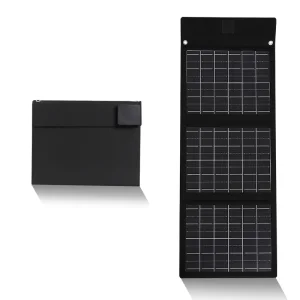
Partner with Ningbo GAF Solar Co., Ltd. for OEM & ODM manufacturing, technical design verification, and global supply chain fulfillment.
Contact Our Engineering Team GAF Solar