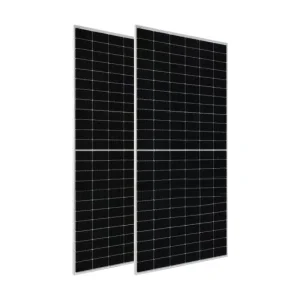
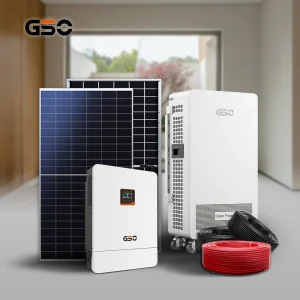
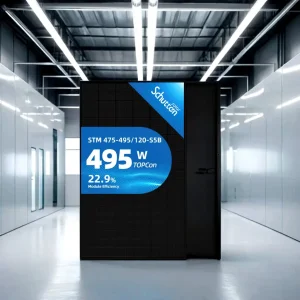
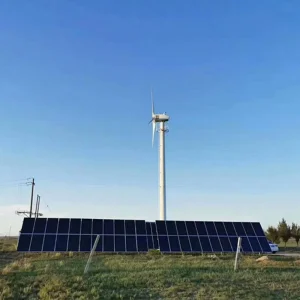
As global supply chains face unprecedented geopolitical instabilities, shifting carbon tariff boundaries (like the EU's CBAM), and escalating weather disruptions, corporate energy resilience is no longer optional. It has transitioned into a core risk-management pillar. Traditional electrical grids, plagued by degradation and extreme climate vulnerability, expose enterprises to massive losses from supply interruptions. The modern strategic posture requires localized, decentralized generation models that blend high-efficiency solar cells with integrated battery microgrids.
For large-scale buyers, EPC contractors, and global distributors, selecting the right manufacturing partners means moving beyond basic module pricing. The market now prioritizes developers capable of delivering customized, long-lifecycle energy products under flexible OEM and ODM agreements. An effective strategy integrates modern advancements like high-efficiency monocrystalline PV cell architectures, robust encapsulation layers to mitigate Potential Induced Degradation (PID), and hybrid Photovoltaic-Thermal (PVT) configurations that optimize spatial and thermodynamic yields.
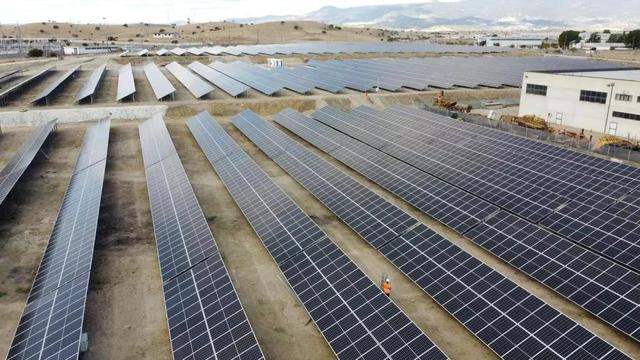
By leveraging advanced doping structures and tunneling oxide passivation (TOPCon), we achieve efficiency ceilings of up to 23%. This significantly reduces the Levelized Cost of Energy (LCOE) and maximizes power generation over tight spatial footprints.
High-reliability encapsulation layers prevent moisture migration and chemical stress. Certified with strict anti-PID standards, our solar panels guarantee long-term system stability even under severe tropical damp-heat environments.
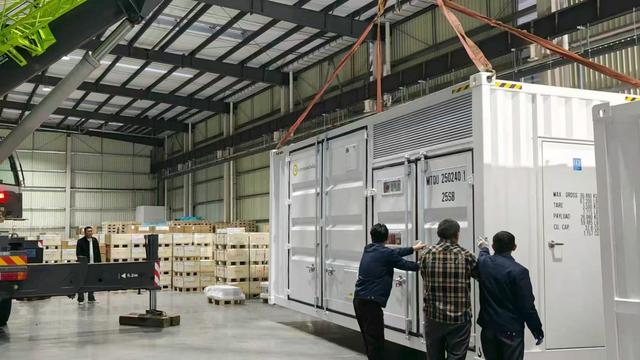
Integrating intelligent PV systems directly with robust lithium battery packages helps industries shift loads dynamically. This microgrid optimization insulates facilities from grid fluctuations and reduces peak demand pricing.
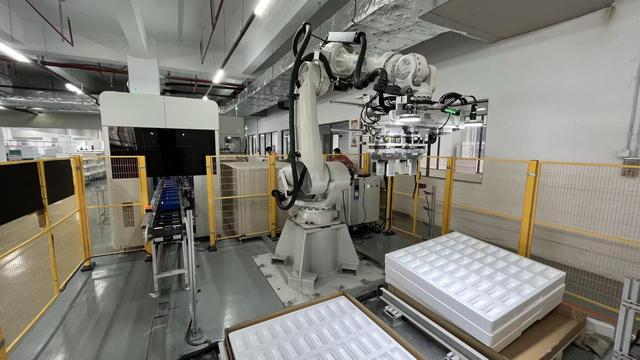
Ningbo GAF Solar Co., Ltd. is a leading manufacturer specializing in Monocrystalline, Bifacial & High Efficiency PV Modules. With a modern, automated production facility located in Ningbo, China, the company delivers high-reliability solar energy solutions designed for commercial, industrial, residential, and utility-scale installations globally. Our core engineering standards focus on high power output, weather-resistant structural components, and long-term operating durability.
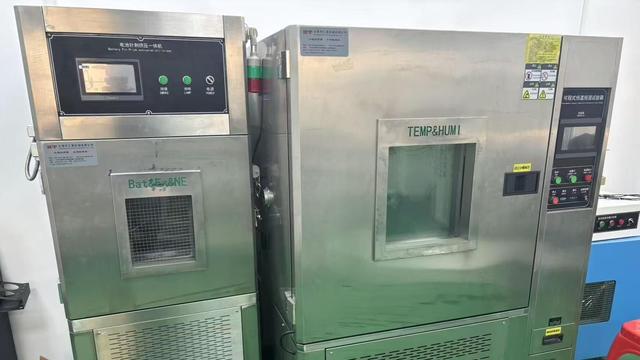
By operating state-of-the-art manufacturing floors and rigorous, multi-tiered quality control checks, GAF Solar delivers products optimized to withstand the harsh, long-term conditions of international utility projects. From sourcing high-grade silicon wafers to implementing advanced cell integration techniques, we focus on maximizing energy yields. To support our global distributors, EPC companies, and system developers, we offer scalable ODM/OEM solutions, complete with customized labeling, bespoke design parameters, and tailored packaging configurations.
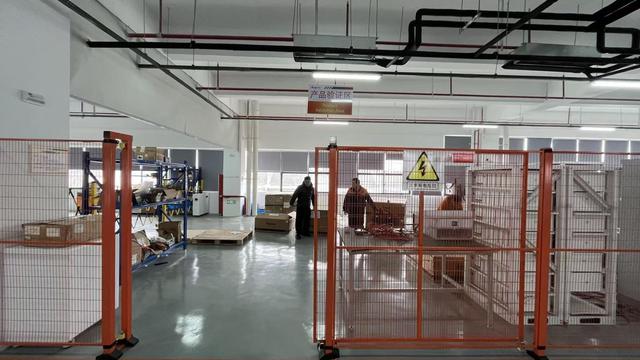
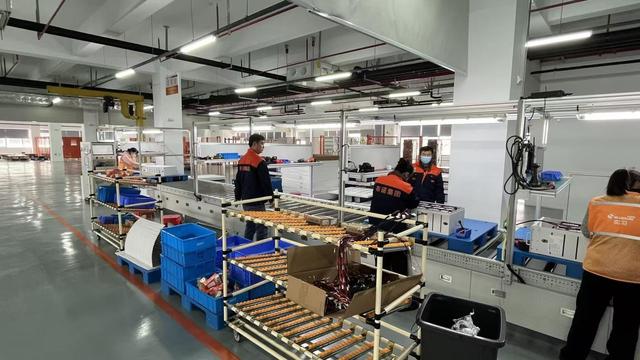
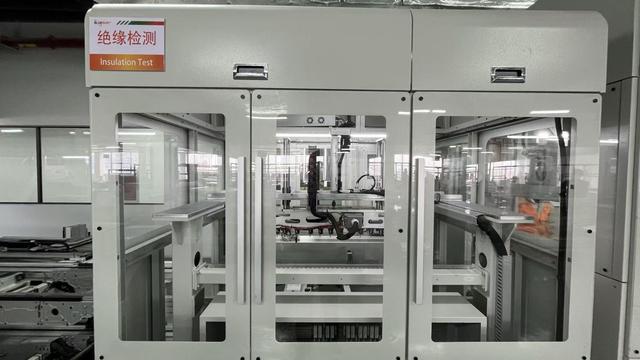
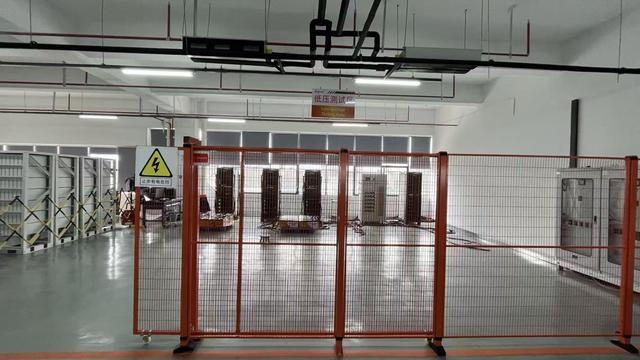
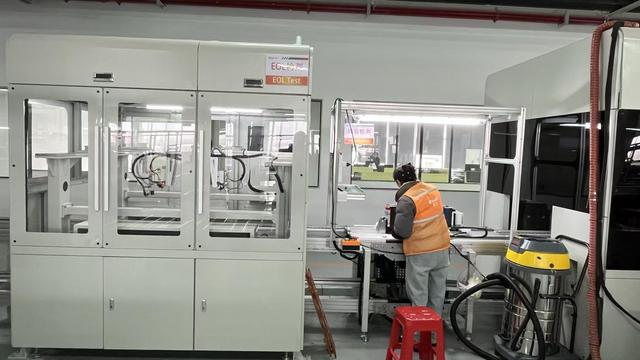
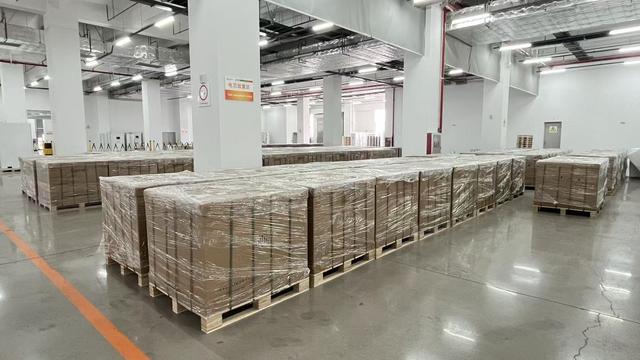
Deploying solar components internationally requires strict adherence to localized structural, environmental, and grid-connection regulations. Every market exhibits distinct testing mandates that govern project approvals. Ensuring seamless integration requires close cooperation with a manufacturer that possesses deep engineering competence and a certified global supply chain footprint.
GAF Solar supports clients across North America, Europe, Southeast Asia, the Middle East, Africa, and Latin America. We navigate regional requirements such as EU CE compliance, TUV electrical standards, wind load requirements for coastal zones, and microgrid grid-connection safety profiles. This compliance foundation minimizes project delays and guarantees fast approvals for critical commercial assets.
The global solar market is undergoing rapid evolution. Key technical shifts are driving developers toward enhanced energy yield efficiency, localized grid storage synergies, and robust operational integration:
This technical trajectory guides GAF Solar's manufacturing and development initiatives. We ensure that our global partners receive up-to-date technologies that deliver high ROI over decades of deployment.
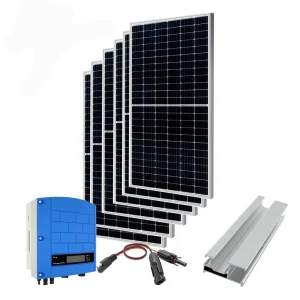
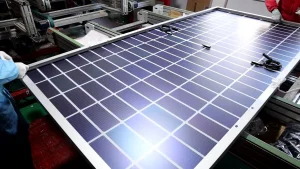
Wholesale Price 182mm Half Cell Mono Solar Panel 540W 545W 550W for Residential
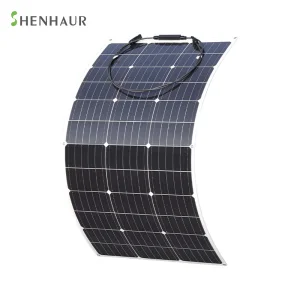
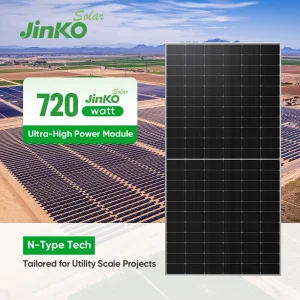
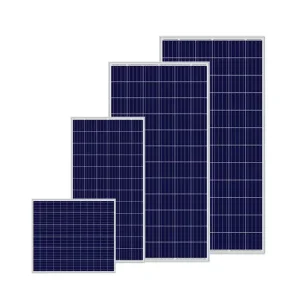
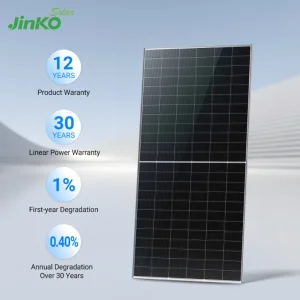
Jinko Bifacial Mono Solar Panels 550W 600 700 720 Watts Topcon Tiger Neo N Type Solar Panel Prices
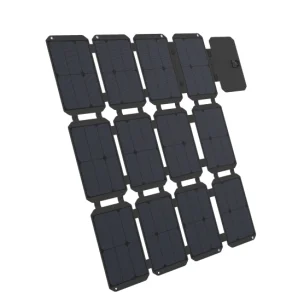
Gendome Solar 200 200W Portable Foldable Solar Panel Monocrystalline IP68 Waterproof Fast Charging
Factory Price Longi Solar Panels 550W-560W for Residential Rooftops Home Use Solar Panels
 GAF Solar