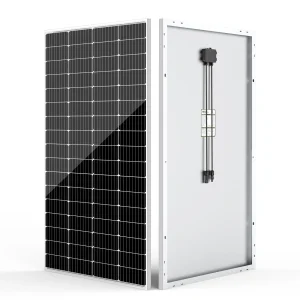
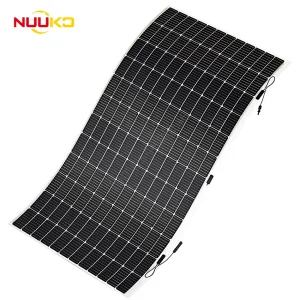
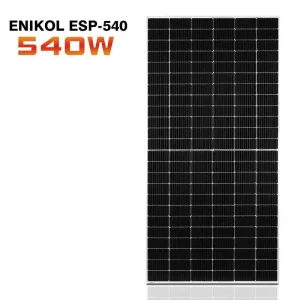
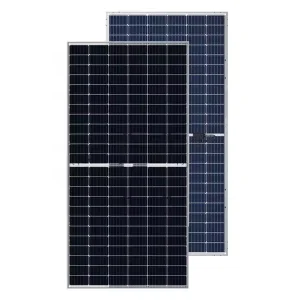
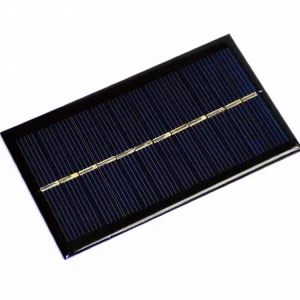
Explore our leading selection of industrial-grade monocrystalline, bifacial, and high-durability flexible photovoltaic panels designed for maximum energy yield.
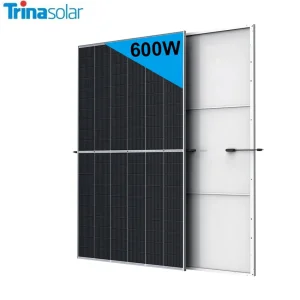
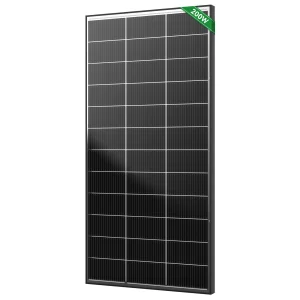
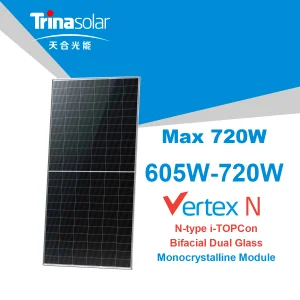
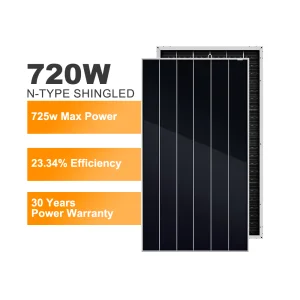
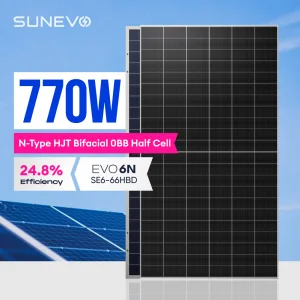
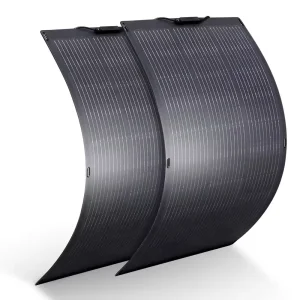
The global solar energy paradigm is transitioning rapidly from heavy, rigid, glass-encapsulated silicon modules to lightweight, conforming, and versatile solar configurations. Flexible solar cells represent the cutting edge of this transition, offering high power-to-weight ratios and structural versatility. By eliminating heavy glass panes and mounting brackets, flexible panels reduce structural loads, enabling deployment on surfaces previously deemed structurally unviable.
Modern flexible solar cells primarily utilize two core technological streams: ultra-thin crystalline silicon (c-Si) utilizing advanced cell slicing and shingling techniques, and thin-film materials like Copper Indium Gallium Selenide (CIGS), Organic Photovoltaics (OPV), and emerging Perovskite-silicon tandem systems. These active cell layers are encapsulated with highly specialized polymers—most notably ETFE (Ethylene Tetrafluoroethylene) and PVDF (Polyvinylidene Fluoride)—which provide outstanding UV stabilization, mechanical resilience, and self-cleaning surface properties.
International EPC (Engineering, Procurement, and Construction) contractors, industrial real estate developers, and utility project operators demand high standards when auditing flexible solar module factories. A premium manufacturing partner must supply products that satisfy strict quality standards and certification regimes.
Key factors guiding modern international procurement include:
Procurement teams prioritize factories that offer customizable dimensions and thickness profiles. For instance, integrated vehicle integration demands a thickness of <2mm, while architectural BIPV projects require specific color balancing and frame-free integration options to maintain structural aesthetics.
The global leader in solar supply chains remains anchored in China, where specialized hubs like Ningbo deliver advanced manufacturing infrastructure. By combining research, raw material access, and logistics, Chinese exporters offer high quality-to-cost ratios.
Advanced high-vacuum lamination equipment controls temperature and pressure curves, preventing cell micro-cracks and ensuring air-bubble-free encapsulation.
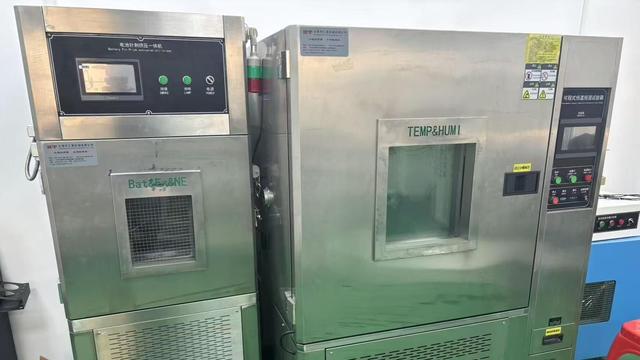
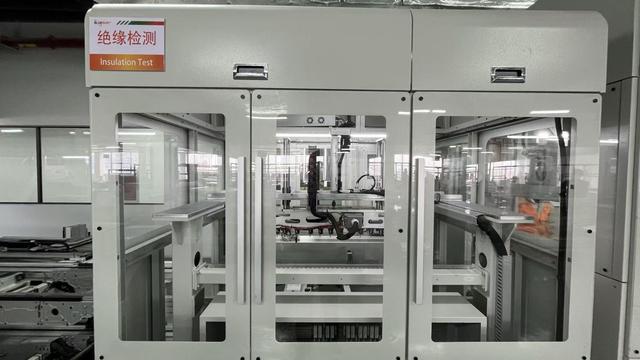
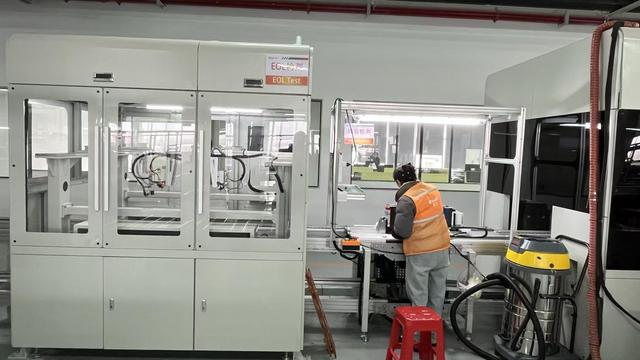
Continuous testing processes inspect raw wafer quality, verify multi-busbar solder joint integrity, and run Electroluminescence (EL) tests before final packaging.
Direct access to raw materials, including solar-grade silicon, ribbon conductors, EVA layers, and specialized backsheets, helps stabilize pricing and production schedules.
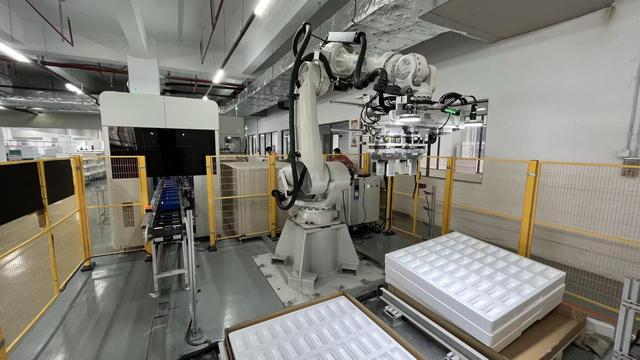
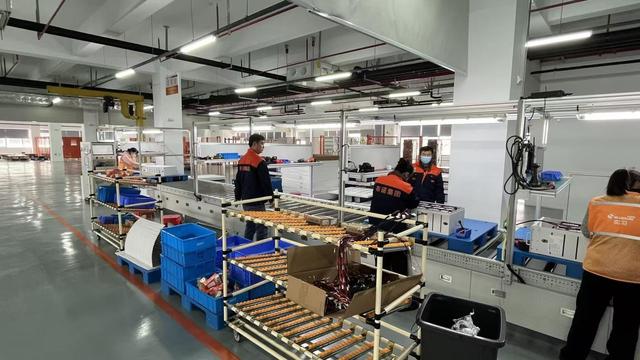
Based in Ningbo, China, Ningbo GAF Solar Co., Ltd. operates modern manufacturing facilities equipped with automated assembly lines and comprehensive quality control systems. The company specializes in monocrystalline solar panels, bifacial solar modules, high-efficiency photovoltaic panels, rooftop solar solutions, commercial solar systems, industrial solar installations, and customized PV energy projects. By using premium solar cells, durable materials, and precision manufacturing, the company produces solar modules with high power output and weather resistance. Every product undergoes testing to ensure compliance with international standards and global energy markets.
When evaluating flexible solar panel manufacturers, several technical criteria distinguish tier-one suppliers from tier-two providers. Leading exporters invest in material durability, anti-PID (Potential Induced Degradation) testing, and specialized cell stringing methods.
The top 10 exporters globally, including companies like Ningbo GAF Solar Co., Ltd., focus on:
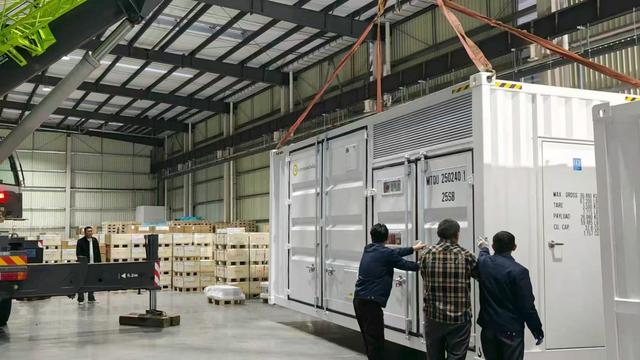
In addition to manufacturing, top exporters provide OEM and ODM services to support distributors, EPC contractors, solar developers, energy solution providers, and private-label brands. They deliver customizable options, professional technical support, and project coordination from design to after-sales service.
Flexible solar cells open up design opportunities across diverse environments where traditional glass-framed modules are impractical.
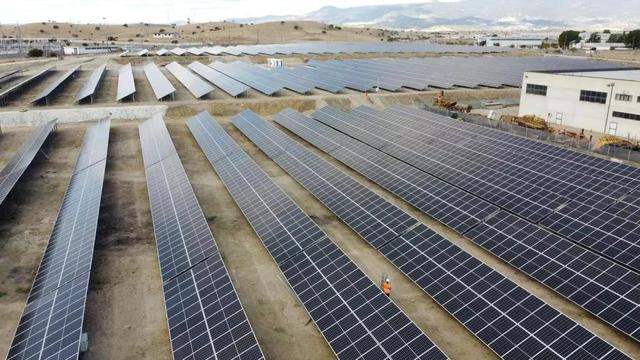
For metal roofs and industrial warehouses unable to support traditional racking systems, adhesive-bonded flexible panels provide clean energy without overloading the structure.
Marine vessels, yachts, RVs, and custom overland vehicles use flexible monocrystalline panels to charge battery banks while conforming to curved aerodynamic shapes.
Rollable and foldable solar systems provide mobile charging stations and critical energy access in remote areas, disaster zones, and military field installations.
By providing flexible solar panels across North America, Europe, Southeast Asia, the Middle East, Africa, and Latin America, Ningbo GAF Solar Co., Ltd. has built a global footprint. Their focus on quality and product development supports the ongoing transition toward clean, renewable energy.
Explore our versatile range of off-grid modules, high-output bifacial modules, and custom PV configurations engineered for specific operational environments.
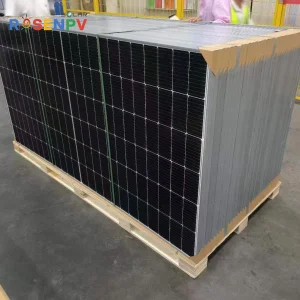
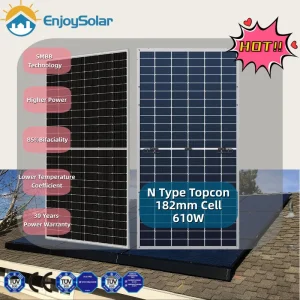
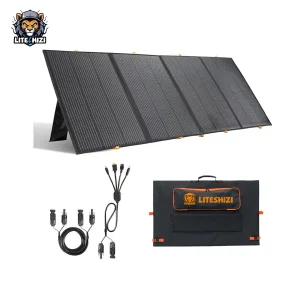
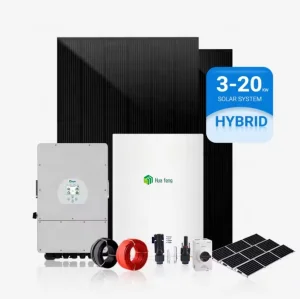
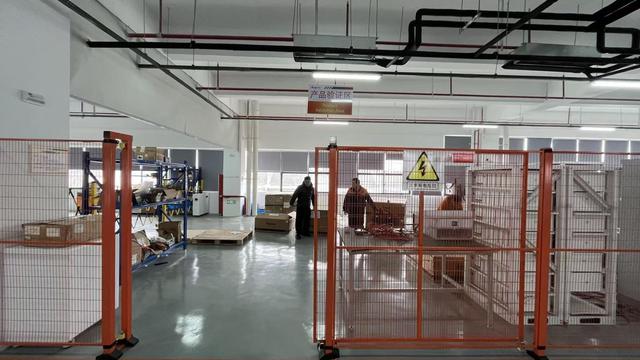
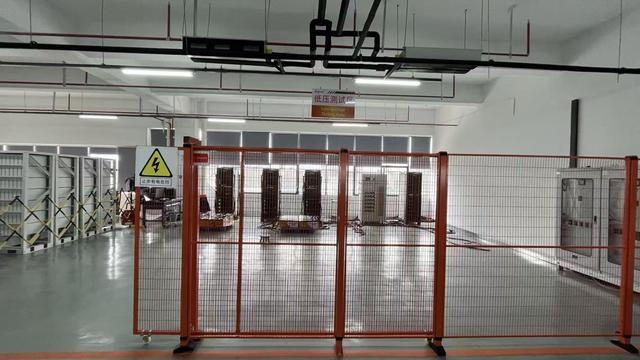
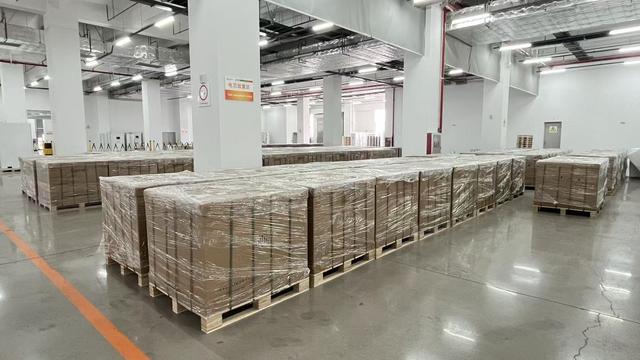
Our manufacturing facilities operate automated assembly lines, strict quality control systems, and comprehensive testing protocols to deliver durable photovoltaic solutions globally.
 GAF Solar