Engineered for high performance, PID resistance, and extreme weather resilience in South Asian climates.
Bangladesh is undergoing a massive industrial transformation. As one of the world's leading exporters of Ready-Made Garments (RMG), the country's manufacturing hubs in Dhaka, Gazipur, Narayanganj, and Chattogram require highly stable, sustainable, and cost-effective power solutions. Grid instability, rising tariff structures, and demanding international decarbonization mandates from global retailers make transition to solar PV systems an operational necessity.
Polycrystalline solar panels remain a staple for large-scale utility and industrial installations in Bangladesh due to their exceptional thermal coefficients and cost-per-watt optimization. In the intense heat and high humidity levels characteristic of the region, these modules offer reliable power curves and lower thermal degradation rates, preventing the efficiency drop-offs commonly seen in standard PV designs.
Under the Net Metering Guideline of Bangladesh, industrial consumers can offset up to 70% of their sanctioned load using rooftop solar systems. This regulatory alignment provides a direct return on investment (ROI) within 4 to 5 years, while ensuring continuous operations without reliance on expensive diesel generators during peak grid outages.
Rooftop solar systems provide localized, resilient power generation that reduces the burden on the national grid during peak hours while mitigating the threat of supply interruptions.
Adopting solar technology fulfills international green criteria, assisting Bangladesh suppliers in retaining premium trade relationships with global fashion conglomerates.
High relative humidity (frequently exceeding 80% in Bangladesh) and average temperatures reaching 35°C demand advanced material engineering.
Our polycrystalline and monocrystalline modules undergo rigorous PID testing (85°C / 85% relative humidity for 96 hours) to ensure negligible power loss in wet tropical atmospheres.
High ambient heat increases silicon cell temperatures, lowering traditional PV outputs. GAF Solar utilizes optimized doping processes to maintain a temperature coefficient of -0.35%/°C, protecting generation capacity.
Utilizing multi-layered moisture barriers prevents water ingress, cell corrosion, and delamination, extending the physical and electrical life of the panel to over 25 years.
| Module Parameter | Polycrystalline Utility Grade | Mono PERC Bifacial | N-Type HJT / TOPCon |
|---|---|---|---|
| Typical Efficiency Range | 17.5% - 19.8% | 21.0% - 22.8% | 22.5% - 24.2% |
| Temperature Coefficient (Pmax) | -0.37% / °C | -0.34% / °C | -0.26% / °C |
| First-Year Degradation | < 2.0% | < 1.5% | < 1.0% |
| Annual Degradation (Year 2-25) | < 0.65% | < 0.55% | < 0.40% |
| LCOE Suitability (Bangladesh Grid) | Excellent for Cost-Sensitive Sites | Optimal for Industrial Rooftops | Premium for Limited Space Utilities |
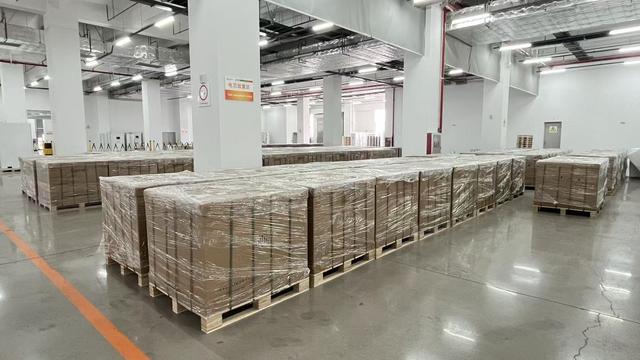
For international procurement departments and local Bangladeshi EPC contractors, logistics speed and tariff compliance are primary considerations. Ningbo GAF Solar maintains strategic dispatch centers close to major shipping channels. We provide comprehensive import-ready documentation conforming to Bangladesh Bank’s Letter of Credit (L/C) requirements, avoiding unexpected storage and customs delays at Chittagong Port.
Our OEM/ODM services allow local solar brands and industrial conglomerates to customize mechanical structural frames, junction boxes, and cable lengths to match specific rooftop configurations and load capacities. With fully automated manufacturing facilities, we guarantee scaling options for multi-megawatt IPP (Independent Power Producer) pipelines and microgrid designs in rural villages.
Every industrial solar project must prove its economic feasibility. By combining robust polycrystalline structures with modern bifacial performance, our manufacturing pipeline delivers maximum energy density per dollar spent. Reduced CapEx translates directly to lower generation costs, making solar-produced energy much cheaper than grid-sourced power.
Moreover, our panels are fully optimized for local installation setups, utilizing anodized aluminum frames designed to withstand structural stress caused by seasonal cyclone winds. Double EL (Electroluminescence) testing at our factory gates ensures zero micro-cracks before ship loading, protecting your long-term capital investment from day one.
Years of PV Manufacturing
Annual Production Capacity
Countries Served Worldwide
Defect Goal via Dual EL Testing
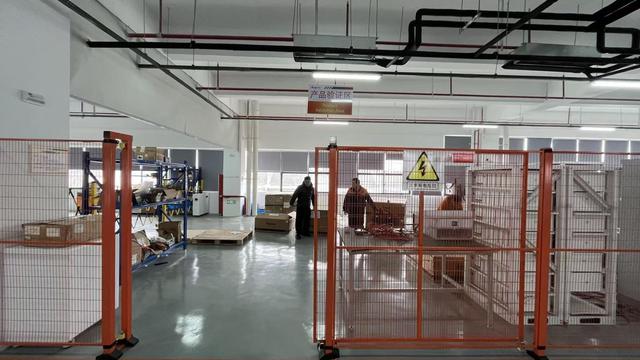
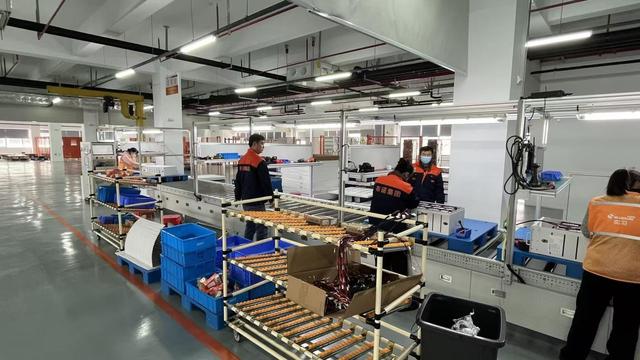
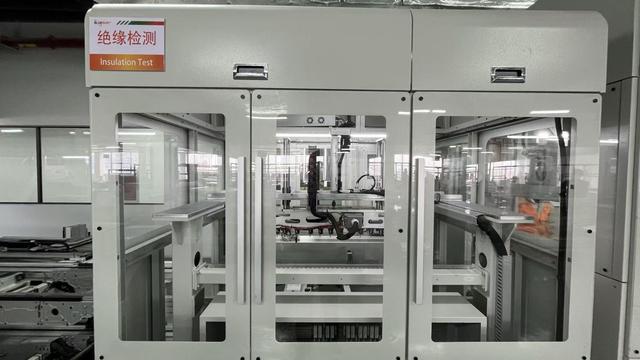
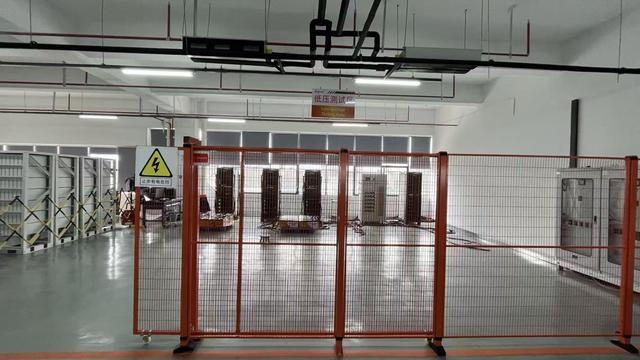
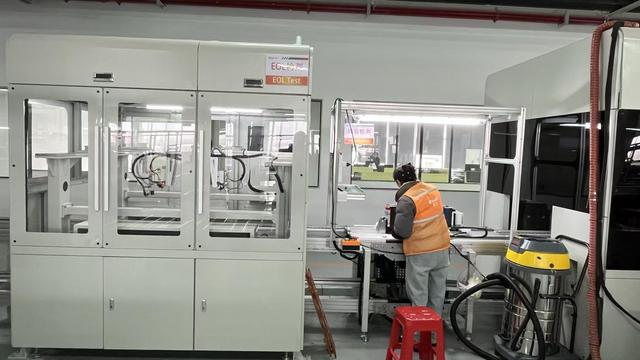
Ningbo GAF Solar Co., Ltd. operates state-of-the-art production lines utilizing robotic stringers, precise laminators, and high-resolution imaging to deliver reliable solar modules globally.
Ningbo GAF Solar Co., Ltd. is a professional solar panel manufacturer specializing in monocrystalline, bifacial, and high-efficiency PV modules for residential, commercial, and utility-scale projects worldwide. From our base in Ningbo, China, we operate automated assembly lines governed by strict ISO quality frameworks.
We source high-grade silicon wafers and combine them with advanced encapsulation techniques. The result is a PV product built to endure tough environmental conditions, offering high power output, strong weather resistance, and an extended operational lifespan. We support international distributors, EPC contractors, and private labels with flexible OEM/ODM capabilities, handling projects from initial design to final ocean freight delivery.
Our factory processes prioritize traceabilty. Each batch of raw silicon, EVA, glass, and backsheets is logged. Throughout production, laser scribing, automated soldering, and visual inspection algorithms work together to prevent assembly variations. Before shipping, our modules undergo flash testing to verify their power outputs, giving developers accurate performance data for system commission.
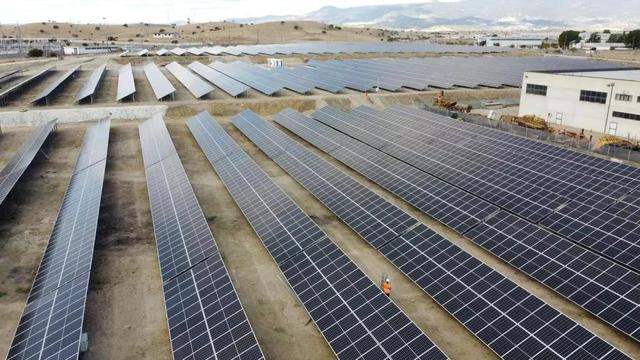
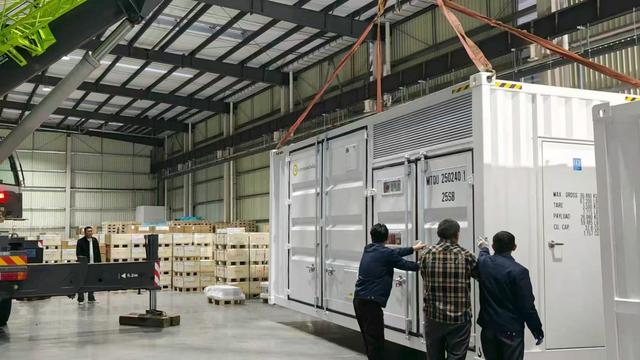
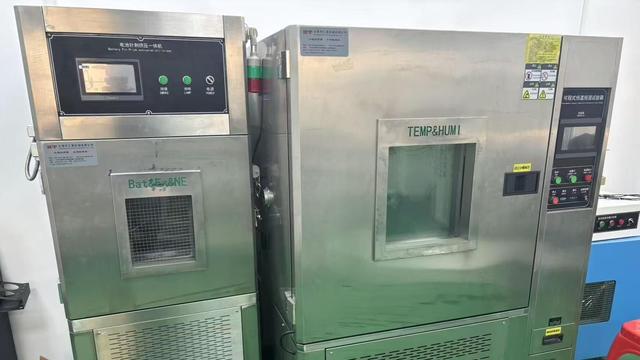
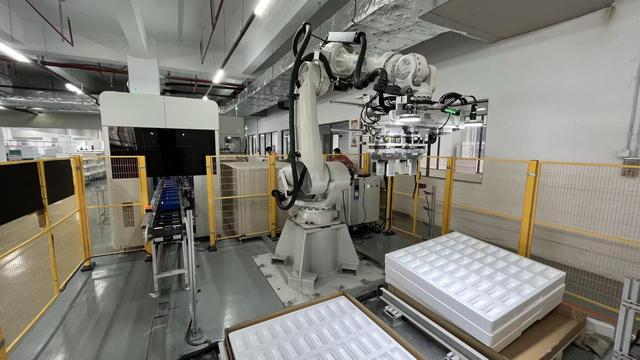
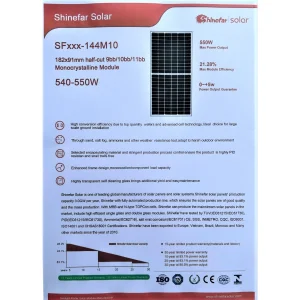
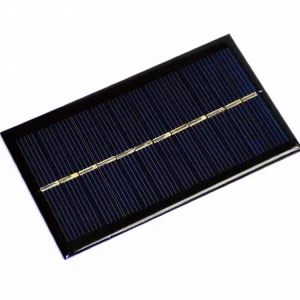
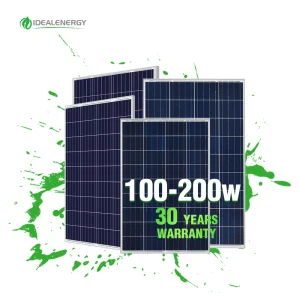
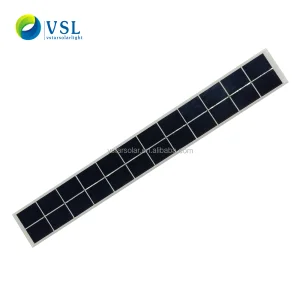
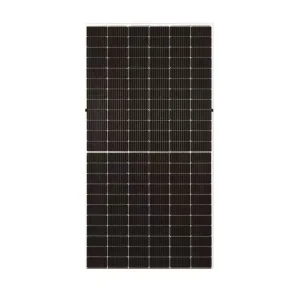
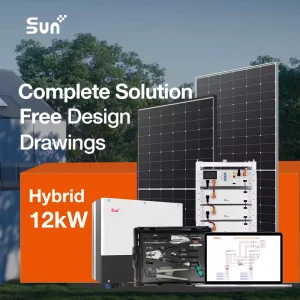
Select from our diverse product catalog, ranging from micro-power off-grid solar panels to high-capacity industrial integrated PV units.
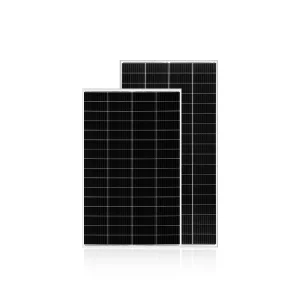
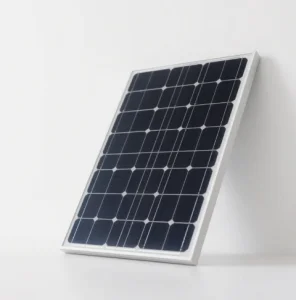
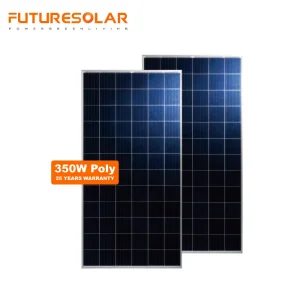
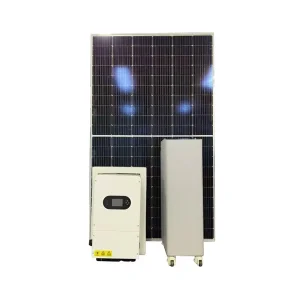
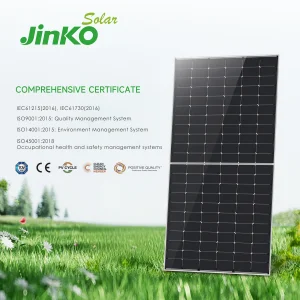
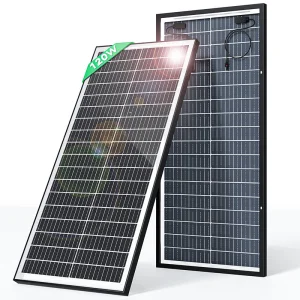
Roof types in industrial parks like Gazipur or Narayanganj vary, with curved corrugated sheet metal being the most common structure on older RMG factories. Engineering structural calculations for solar mounting systems are critical in these setups to prevent frame strain and maintain building structural integrity.
Our technical team coordinates with local EPC installers to perform full-load assessments, supplying specialized aluminum profile brackets and stainless steel fasteners that prevent electrochemical corrosion at contact points. To combat wind stress, particularly during cyclone seasons in the Bay of Bengal, our mounting guides specify structural anchoring profiles designed to withstand wind loads of up to 55 m/s.
Global brands purchasing apparel from Bangladesh increasingly audit factory supply chains for carbon footprints. Under these requirements, using diesel generators to bridge energy gaps is no longer viable.
By shifting to utility-scale rooftop solar layouts, suppliers can achieve verifiable carbon reductions. Ningbo GAF Solar provides certified production reports, carbon footprint indicators, and raw material sourcing records. This data enables factories to easily report sustainability metrics to international buyers and environmental regulatory bodies.
In-depth insights regarding logistics, technical selection, net metering parameters, and installation compliance.
Get in touch with our commercial engineering department. We provide complete technical specifications, custom structural designs, and CIF Chattogram pricing estimates for your project.
Send Inquiry Now GAF Solar