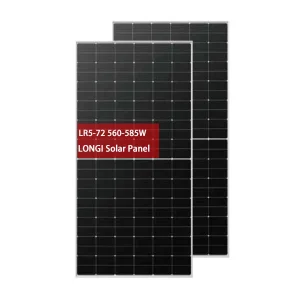
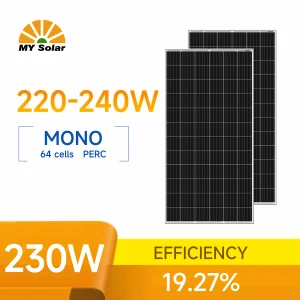
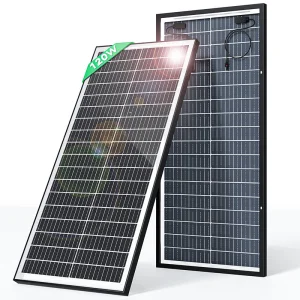
Engineered to deliver exceptional utility-scale output and off-grid reliability in the Valley of Mexico. Explore our top four selected modules featuring state-of-the-art silicon cell arrays.
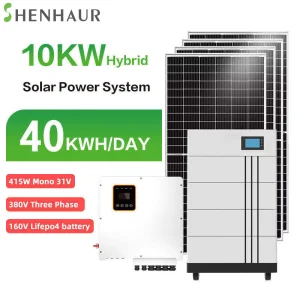
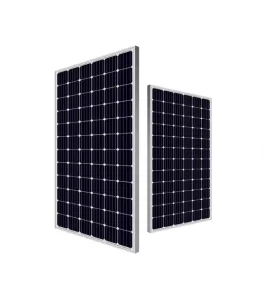
The energy demands of the Metropolitan Area of the Valley of Mexico (ZMVM) are experiencing a paradigm shift. Due to escalating commercial electricity tariffs (CFE GDMTO and GDMTH rates) and the integration of international ESG mandates under the USMCA (T-MEC), developers in Mexico State and CDMX are scaling up distributed PV capacity. However, designing for Mexico City requires addressing unique atmospheric parameters.
First, the elevation of the Valley of Mexico—averaging 2,240 meters above sea level—imposes severe physical stress on photovoltaic systems. The atmosphere is thinner, meaning the air density is significantly lower. This affects the heat dissipation rate of solar modules and inverters. Panels experience higher operating temperatures under high solar irradiance, leading to faster thermal voltage degradation if not compensated by a robust temperature coefficient.
Second, Mexico City is prone to particulate soiling and regional thermal inversions during dry winters. Air pollution particles and volcanic dust from nearby Popocatépetl accumulate on array surfaces. Polycrystalline solar panels, using multi-crystalline structures, exhibit excellent performance under diffuse light and partial shading conditions compared to standard monocrystalline modules. They offer a stable, budget-friendly baseline for flat-roof industrial installations where dust accumulates rapidly.
Understanding physical parameters for design optimization in the Valley of Mexico:
In industrial zones such as Vallejo, Naucalpan, and Tlalnepantla, the selection of solar panels must balance upfront capital expenditures (CAPEX) with long-term Levelized Cost of Energy (LCOE). While monocrystalline panels boast higher peak cell efficiency, polycrystalline modules provide distinct structural and economic advantages for commercial solar arrays in specific Mexican contexts.
Polycrystalline modules are manufactured through a simplified ingot casting process, translating directly into a lower price-per-watt. For massive flat rooftops on industrial warehouses where surface area is not a limiting constraint, utilizing polycrystalline modules can reduce the initial CAPEX of the PV system by up to 15-20% compared to N-type Mono arrays, accelerating payback periods to under 3.5 years under current Mexican commercial tariffs.
Mexico City's dry winter season combined with urban smog generates a sky with high diffuse radiation. Polycrystalline solar cells, because of their multi-grain grain boundaries, scatter light differently inside the cell structure. This makes them highly resilient to losses caused by indirect light, cloudy conditions, and micro-particles, maintaining a steady baseline generation curve throughout overcast seasons.
Operating under high-elevation solar radiation causes rooftop solar modules to reach high internal temperatures. Ningbo GAF Solar Co., Ltd.'s polycrystalline panels are integrated with bypass diodes and optimized glass encapsulation. This mitigates localized hot spots and ensures minimal power loss even when the modules reach elevated operating temperatures exceeding 50°C during Peak Sun Hours (PSH).
Peak Cell Efficiency achieved in Mono PERC line
Annual Production Capacity across China Facilities
Fully compliant with Mexican Electrical Standards
Linear Power Output Performance Warranty
Based in the global shipping hub of Ningbo, China, Ningbo GAF Solar Co., Ltd. operates state-of-the-art automated manufacturing plants designed to output Tier-1 quality standards. Our facilities rely on robotic assembly lines, high-precision laser dicing, and fully automated stringer systems to construct highly durable solar modules.
Every single module produced undergoes double Electroluminescence (EL) testing—once before lamination and once after final assembly. This ensures that micro-cracks, cell mismatches, and internal structural defects are completely eliminated before the modules leave our factory doors. Our quality management system conforms to ISO 9001, ISO 14001, and ISO 45001 standards, providing EPC contractors in Mexico with complete supply chain transparency and reliability.
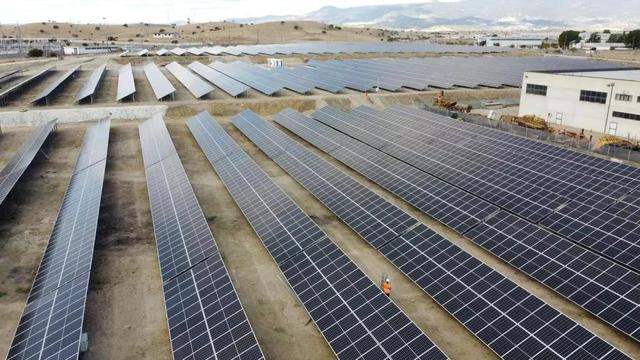
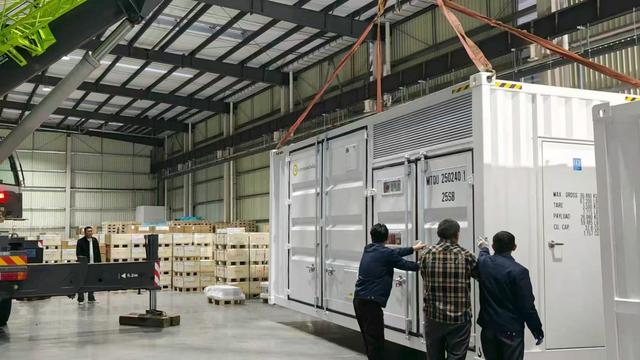
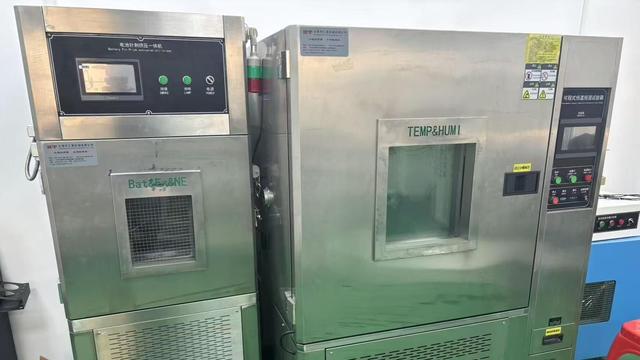
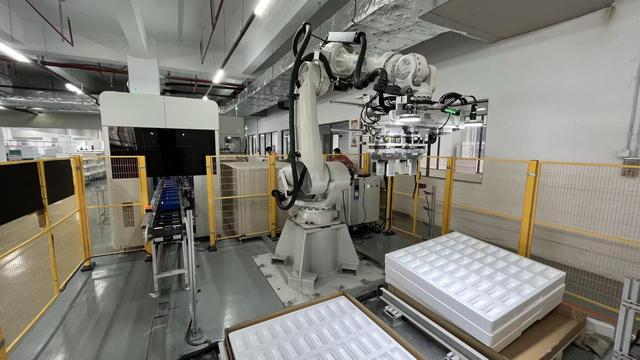
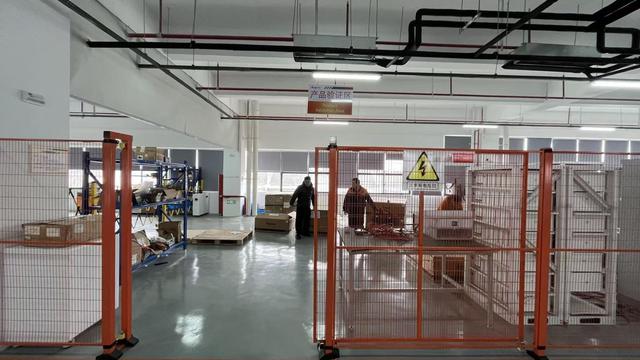
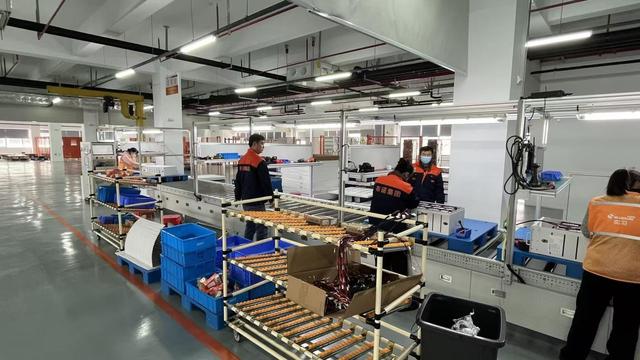
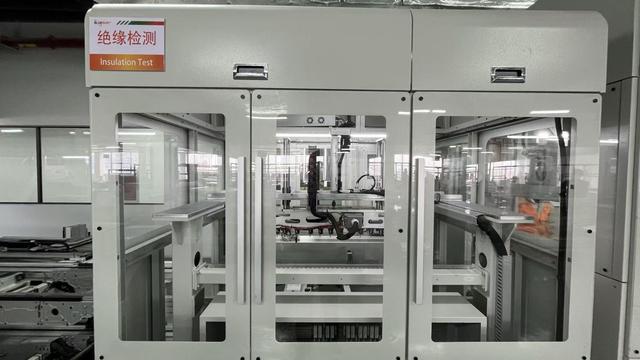
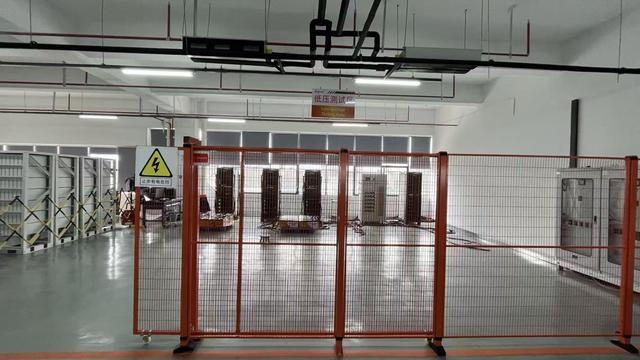
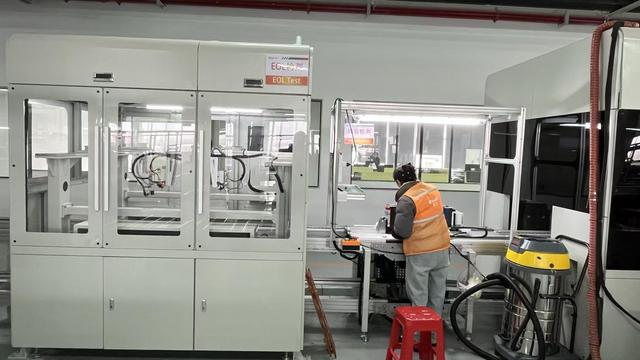
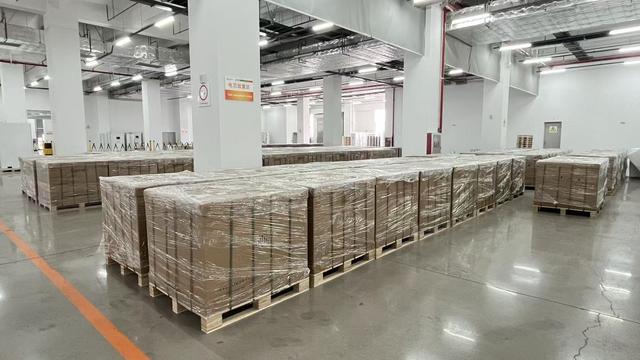
Images: Inside GAF Solar's advanced production lines showcasing cell sorting, stringing, visual EL testing, and automated packing.
Deploying solar equipment in Mexico City requires absolute alignment with local regulatory and grid infrastructure codes. System designers must ensure that all PV components adhere to standard safety and installation criteria to gain CFE approval.
In accordance with the Mexican standard NOM-001-SEDE-2012 (Electrical Installations), all solar PV systems must utilize certified electrical components. For panels, this means complying with international equivalents like IEC 61215 (design qualification) and IEC 61730 (safety requirements). Our panels feature high-grade PV junction boxes (IP68 rating) with integrated bypass diodes, fulfilling the thermal safety thresholds demanded by Mexican verification units (UVIE).
Furthermore, for project developers applying for the FIDE label (Fideicomiso para el Ahorro de Energía Eléctrica), GAF Solar offers fully documented product pathways to confirm that electrical conversion yields comply with local energy efficiency regulations.
Under current Mexican legislation, distributed generation installations up to 500 kWp are eligible for streamlined interconnection agreements under three main schemes:
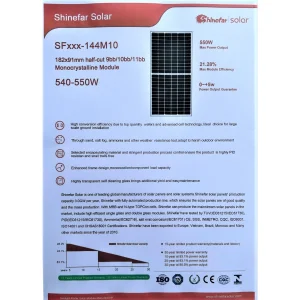
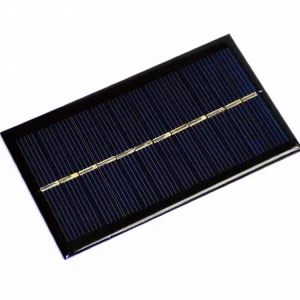
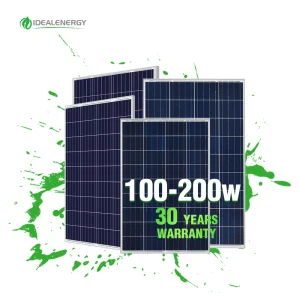
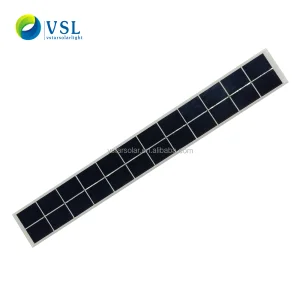
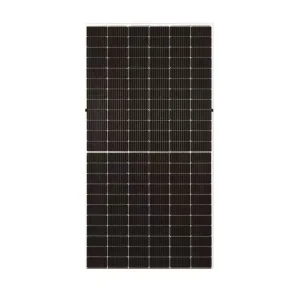
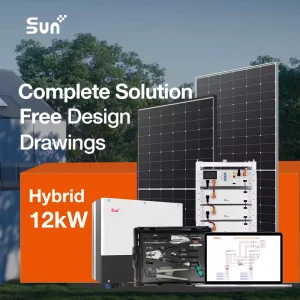
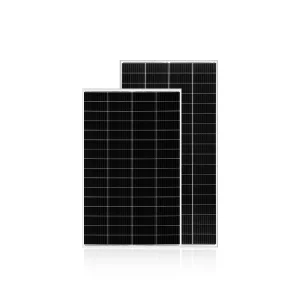
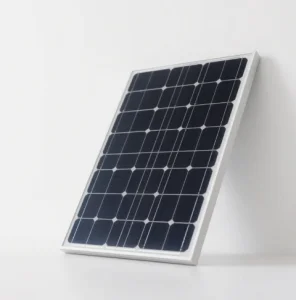
A comprehensive catalog of high-output monocrystalline, polycrystalline, thin-film, and hybrid solar energy systems suitable for importing directly to Mexico City warehouses.
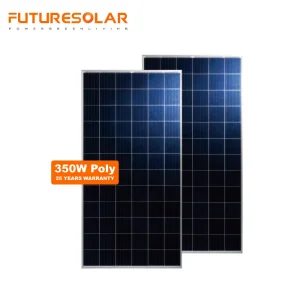
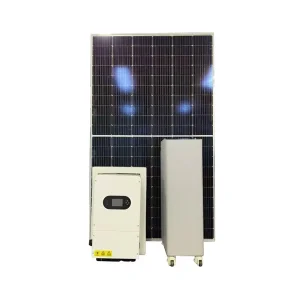
Procurement directors operating under nearshoring frameworks require precise shipping timelines. Our operations coordinate logistics from the high-capacity deepwater Port of Ningbo-Zhoushan directly to Mexico's primary Pacific entry ports: Manzanillo (Colima) and Lázaro Cárdenas (Michoacán).
Ocean transit times from Ningbo to Manzanillo average 18 to 22 days. We ship solar panels inside standard 40ft High Cube containers, utilizing anti-collapse packaging with shock-absorbent spacers to prevent cell micro-fracturing from ocean swell vibrations.
We provide complete paperwork required for Mexican custom brokers, including detailed packing lists, HS Code classification (under Mexican tariff codes), UL/IEC certifications, and Certificate of Origin documents to simplify import tax processing.
From Manzanillo, pallets are transported via secure logistics routes directly to distribution hubs in Mexico State, Querétaro, and Mexico City. Transit from port to central Mexico warehouses takes 2 to 3 days, ensuring rapid site delivery.
Clear, direct technical answers addressing the concerns of solar developers, purchasing managers, and EPC engineers operating in the Mexican market.
Polycrystalline modules strike an optimal balance between CAPEX and LCOE. In large industrial projects where roof space is abundant, they deliver high power output at a lower price-per-watt. Additionally, their crystalline structure provides reliable generation under diffuse urban light and dusty conditions common in CDMX industrial zones.
Thinner air at high elevations reduces the heat dissipation rate of electronics. Solar modules operate at higher internal cell temperatures, and inverters must be derated due to reduced cooling efficiency. GAF Solar panels are manufactured with high-quality junction boxes and premium backing sheets to ensure long-term thermal dissipation at high altitudes.
To comply with NOM-001-SEDE-2012 and secure CFE interconnection approvals, panels must hold IEC 61215 and IEC 61730 or UL 1703 certifications. GAF Solar provides all necessary test certificates, datasheets, and factory quality reports to facilitate swift UVIE approval.
We offer a 12-year structural material and workmanship warranty alongside a 25-year linear power output performance warranty. The linear warranty guarantees that the modules will maintain at least 80% to 84% of their nominal power output by the 25th year of operation, depending on the specific cell technology selected.
We pack panels vertically on reinforced pallets wrapped with heavy-duty film to prevent movement. Edge protectors and shock-absorbing separators prevent pressure-induced micro-cracks during sea transit from Ningbo to Manzanillo. This guarantees that panels arrive at your Mexico City site in peak condition.
Whether you are an EPC contractor in Naucalpan or a wholesale distributor in CDMX, Ningbo GAF Solar Co., Ltd. provides customized container-load shipments and professional engineering support tailored to the Mexican market. Contact our specialists for custom calculations, regulatory guidance, and volume discounts.
 GAF Solar