Premium grade PV hardware engineered to withstand Poland's diverse seasonal transitions while delivering maximum lifetime value.
Analyzing Poland’s rapidly evolving solar ecosystem: How policy shifts, high electricity prices, and grid integration needs are driving the demand for optimized silicon panels.
Over the past five years, Poland has emerged as one of Europe's fastest-growing solar energy markets. Driven by the **Energy Policy of Poland until 2040 (PEP2040)** and the strict carbon-neutrality mandates of the EU Green Deal, the country has undergone an unprecedented transition away from coal-dominated energy production toward decentralized renewable installations. The rapid expansion of solar photovoltaic (PV) technology in Poland, originally dominated by residential micro-installations, has now transitioned into a robust phase of commercial, industrial (C&I), and large-scale utility projects.
Poland's climatic conditions are characterized by moderate annual solar irradiance, averaging between **950 to 1050 kWh/m²**. However, the seasonality of this sunshine is highly pronounced, with over 75% of annual solar production happening during the spring and summer months (April through September). Under these conditions, select global solar designers and engineers have realized that optimizing the levelized cost of energy (LCOE) requires balancing initial capital expenditure (CAPEX) with long-term weather-resilient power generation.
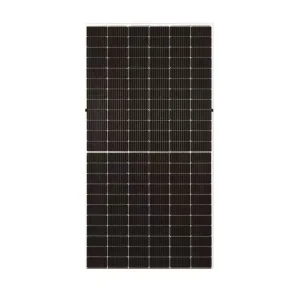
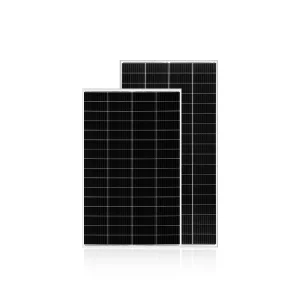
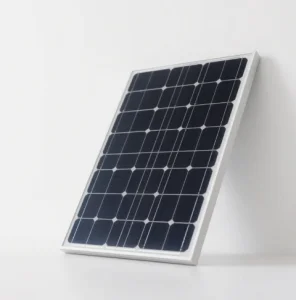
With massive agricultural land across regions like Greater Poland (Wielkopolska) and Lublin, polycrystalline panels offer the ideal balance of affordability and diffuse light absorption for local farms.
For Polish factories and warehousing spaces, solar systems provide essential peak-shaving capabilities to offset high grid distribution fees during key operational hours.
By pairing solar generation with thermal collectors, industrial operations can yield electricity and hot water simultaneously, perfect for the cool winters in Poland.
Understanding the balance between cost optimization and the technical attributes of polycrystalline cells under real Central European weather parameters.
Polycrystalline solar panels, structured from multiple silicon crystals fused together, possess a unique surface morphology. Under direct solar radiation, high-efficiency monocrystalline structures yield maximum conversion rates. However, in regions like Poland, where overcast skies are common for over 150 days of the year, the diffuse sunlight characteristics play a major role in cumulative energy yields.
The multi-crystalline silicon framework scatters light internally in a manner that allows it to capture a wider spectrum of indirect, low-incident angle light. Consequently, during gray winter days or early morning mist, polycrystalline panels continue to produce stable current. This lowers the absolute dependency on clear, sunny conditions, allowing commercial projects to achieve consistent, albeit lower, base load support year-round.
For industrial parks and developers looking to scale grid-tied installations, the CAPEX-to-yield ratio is the key driver of ROI. Polycrystalline panels present an exceptionally mature manufacturing cycle, translating into lower initial purchase costs compared to premium N-type monocrystalline cells. When calculated across a 25-year lifespan, the lower upfront cost can lead to a more favorable LCOE for massive ground-mount farms that possess ample land space but tight construction budgets.
How modern thermal design keeps efficiency stable during extreme summer temperature spikes in Poland.
Customized solar solutions designed for agricultural instrumentation, residential off-grid storage, and micro-grid applications.
Navigating the certification frameworks and regulatory pathways required to safely deploy photovoltaic modules onto Poland's distribution networks.
For Polish EPC (Engineering, Procurement, and Construction) contractors, ensuring that all imported solar equipment meets strict EU safety and grid connection guidelines is non-negotiable. Poland’s grid operator network, governed by companies such as **Tauron, PGE, Enea, and Energa**, requires that inverter-module interfaces comply with standard safety mechanisms to prevent grid instability.
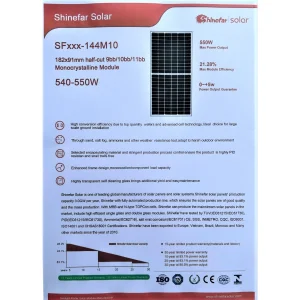
All solar panels manufactured and exported by GAF Solar are certified under **IEC 61215** (terrestrial photovoltaic modules design qualification and type approval) and **IEC 61730** (photovoltaic module safety qualification). Additionally, our products carry the **CE Mark**, ensuring hassle-free clearance at Polish ports like Gdańsk and Gdynia, and compliance with the low voltage and electromagnetic compatibility directives.
To support large-scale industrial projects, we ensure that our mechanical load profiles are optimized. Our panels are certified to withstand mechanical wind loads of up to **2400 Pa** and snow loads of up to **5400 Pa**. This structural resilience is vital during Central European winters, where thick snowfall can accumulate on roof-mounted arrays, creating structural stresses that lesser panels fail to withstand.
How the market is transitioning from simple net-metering structures to advanced hybrid generation nodes using battery storage and intelligent grid software.
The Polish renewable landscape is undergoing a critical transition. In the past, the country's grid operated under a net-metering billing format, which allowed micro-installations to treat the national grid as virtual energy storage. However, recent regulatory modifications have introduced **net-billing**, forcing commercial operators and households to maximize self-consumption. This policy shift has triggered a massive demand for hybrid solar-storage ecosystems.
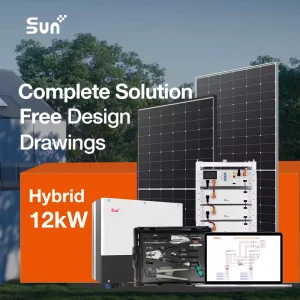
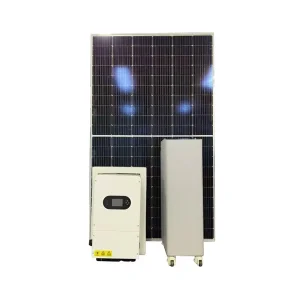
By pairing polycrystalline or advanced monocrystalline modules with lithium iron phosphate (LFP) Battery Energy Storage Systems (BESS), Polish industrial energy consumers can store peak afternoon production and discharge it during peak tariff periods. Looking toward the future, GAF Solar is integrating advanced power electronics compatibility into our module designs, ensuring seamless plug-and-play connections with leading hybrid inverters used throughout the European Union.
Additionally, we are preparing for the circular economy directives of the EU. This involves optimizing our module recycling pathways. Our manufacturing process minimizes the use of lead solder and utilizes fully recyclable aluminum frames and eco-friendly backsheets, ensuring that our panels present an environmentally sustainable footprint from inception to end-of-life recycling across Poland's municipal recovery centers.
Addressing the common questions raised by developers, logistics coordinators, and electrical engineers during project design.
Q1: How do polycrystalline panels perform under Poland's winter snow conditions?
A: Modern polycrystalline panels from GAF Solar are built with high-transmittance tempered glass that resists snow accumulation. Our robust mechanical frames can support a maximum static snow load of 5400 Pa. Additionally, the diffuse reflection performance of polycrystalline cells helps generate electricity even during overcast winter skies with high cloud cover.
Q2: What certificates are mandatory for customs clearance and grid connection in Poland?
A: To import and install PV panels in Poland, modules must carry the CE Mark and comply with standard EU regulations, specifically IEC 61215 and IEC 61730. GAF Solar provides all necessary test certificates, declaration of conformity documents, and quality assurance logs to expedite customs clearance and satisfy Polish DSO (Distribution System Operator) requirements.
Q3: How does the temperature coefficient affect solar production during summer heat waves in Poland?
A: While winter performance is stellar, summer temperatures in Poland can rise above 30°C, raising cell temperatures up to 60°C. With a temperature coefficient of -0.39%/°C, GAF Solar modules limit energy loss during hot days. Excellent ventilation and layout design by local EPCs can further reduce operational temperatures to maintain optimal yield.
Q4: Can these panels be integrated with standard commercial hybrid storage inverters?
A: Yes, our electrical configurations use standard PV connectors (MC4 compatible) and adhere to current voltage-ampere standards, making them compatible with popular inverters used across Poland, such as Huawei, Sungrow, Fronius, and Solis.
A trusted global supplier delivering advanced photovoltaic technologies engineered to maximize operational lifetime and lower the levelized cost of energy.
Ningbo GAF Solar Co., Ltd. is a professional Solar Panel Manufacturer | Monocrystalline, Bifacial & High Efficiency PV Modules dedicated to providing reliable solar energy solutions for residential, commercial, industrial, and utility-scale applications worldwide. With a strong commitment to renewable energy innovation, the company delivers advanced photovoltaic products designed to maximize energy generation, efficiency, and long-term performance.
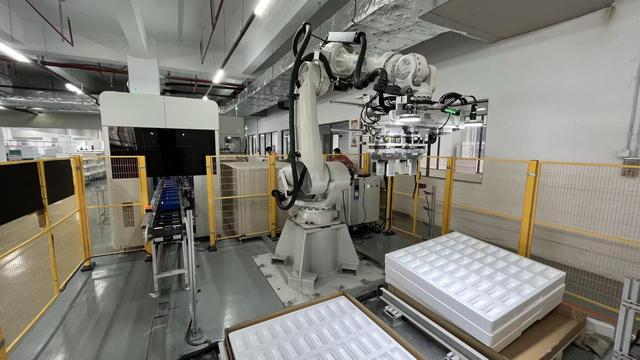
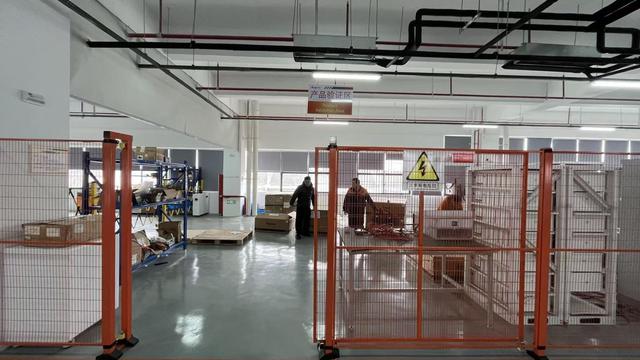
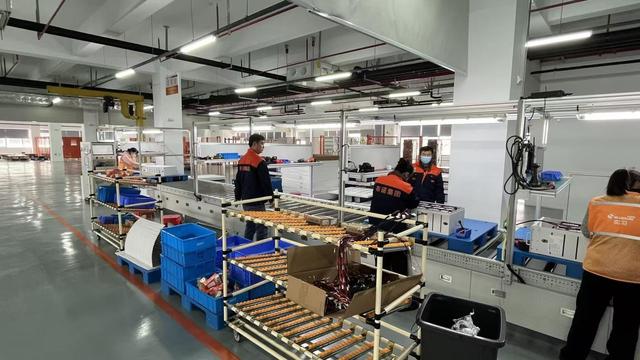
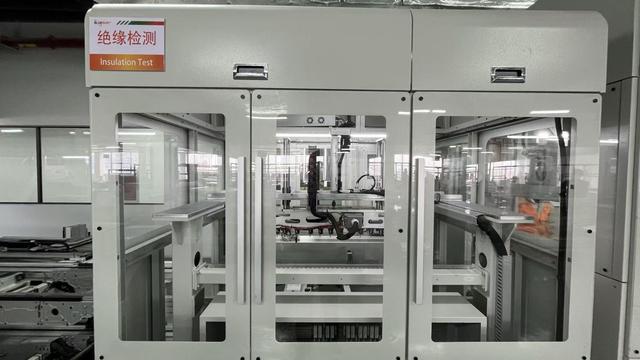
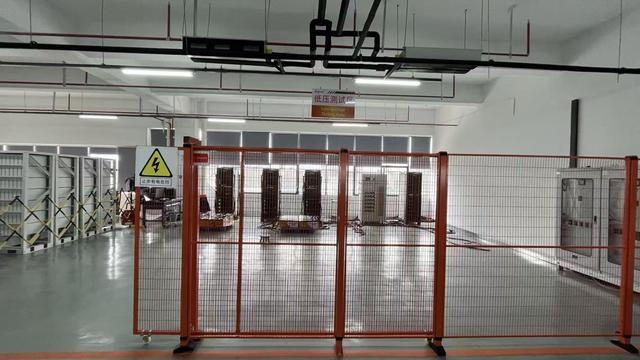
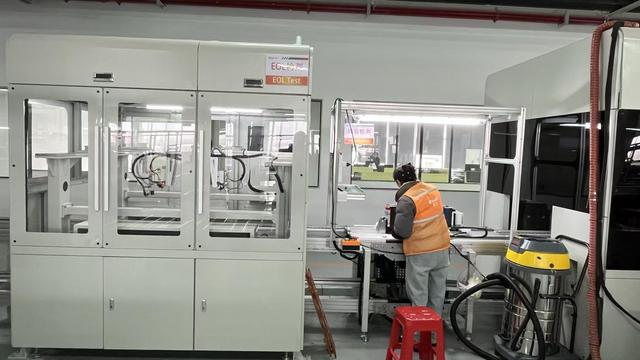
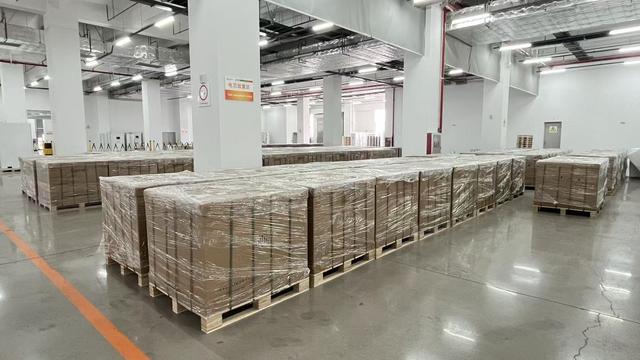
Based in Ningbo, China, GAF Solar operates modern manufacturing facilities equipped with advanced production technologies, automated assembly lines, and comprehensive quality control systems. The company specializes in the development and production of monocrystalline solar panels, bifacial solar modules, high-efficiency photovoltaic panels, rooftop solar solutions, commercial solar systems, industrial solar installations, and customized PV energy projects.
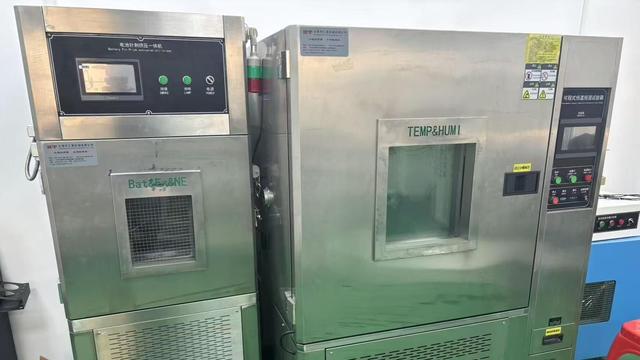
GAF Solar focuses on technological innovation and product reliability. By utilizing premium-grade solar cells, durable materials, and precision manufacturing processes, the company produces solar modules capable of delivering excellent power output, superior weather resistance, and long operational lifespans. Every product undergoes rigorous testing and quality inspections to ensure compliance with international standards and the demanding requirements of global energy markets.
In addition to manufacturing high-performance solar panels, GAF Solar offers comprehensive OEM and ODM services, supporting distributors, EPC contractors, solar developers, energy solution providers, and private-label brands. The company provides flexible customization options, professional technical support, and efficient project coordination from design and production to shipment and after-sales service.
Serving customers across North America, Europe, Southeast Asia, the Middle East, Africa, and Latin America, Ningbo GAF Solar Co., Ltd. has established a reputation for quality, reliability, and customer-focused service. Through continuous innovation and sustainable manufacturing practices, the company remains committed to accelerating the global transition toward clean, renewable energy and creating long-term value for partners around the world.
Explore our full range of solar modules, off-grid systems, and component integrations optimized for the Polish market.
Speak directly with our technical engineering team to customize structural components, frame sizes, and electrical profiles optimized for your installation requirements in Poland.
Send Inquiry Now GAF Solar