GAF Solar
1 / 5

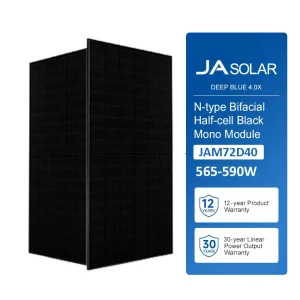
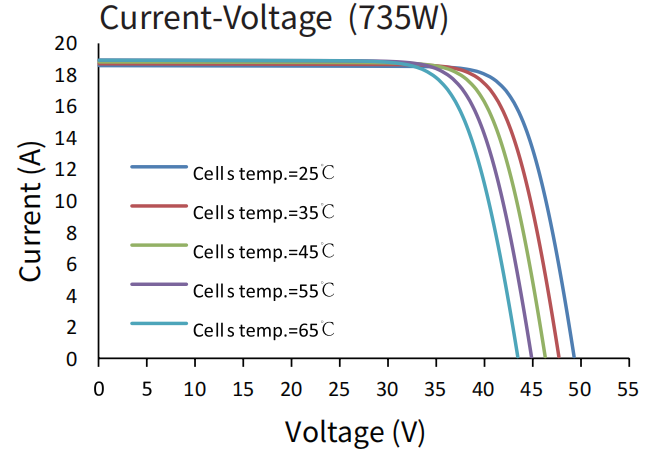
N-type modules with Tunnel Oxide Passivating Contacts (TOPCon) technology offer lower LID/LeTID degradation and better low light performance.

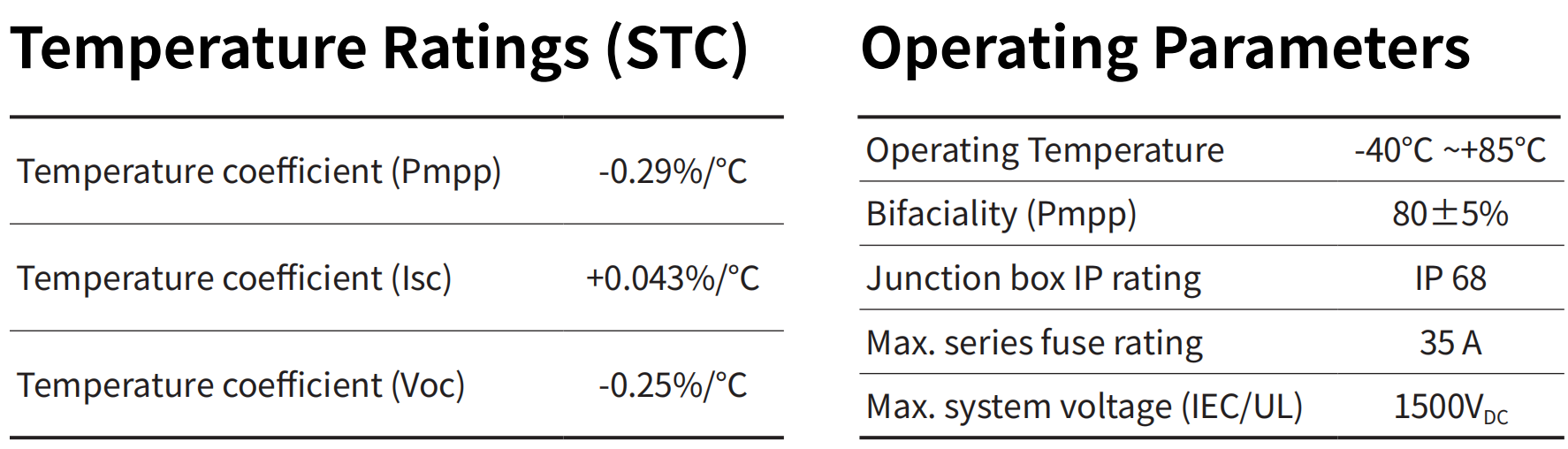
N-type modules with HOT 3.0 technology offer better reliability and efficiency.

Better light trapping and current collection to improve module power output and reliability.

Minimizes the chance of degradation caused by PID phenomena through optimization of cell production technology and material control.

Certified to withstand:
5400 Pa front side max static test load
2400 Pa rear side max static test load

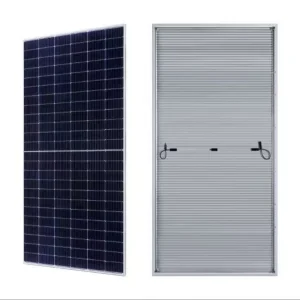
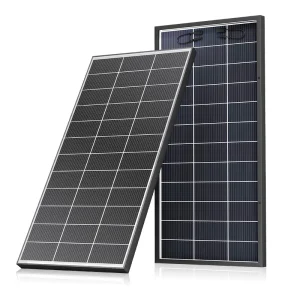
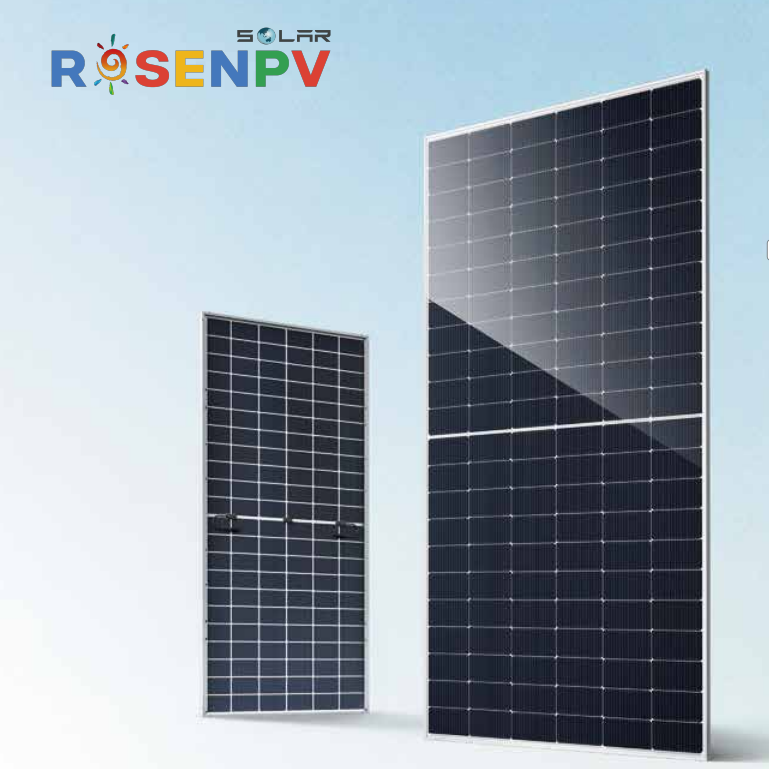
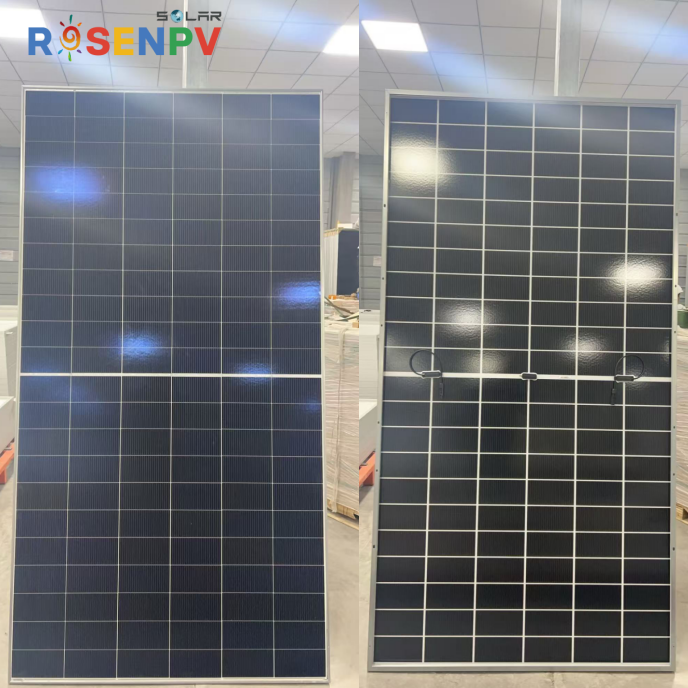
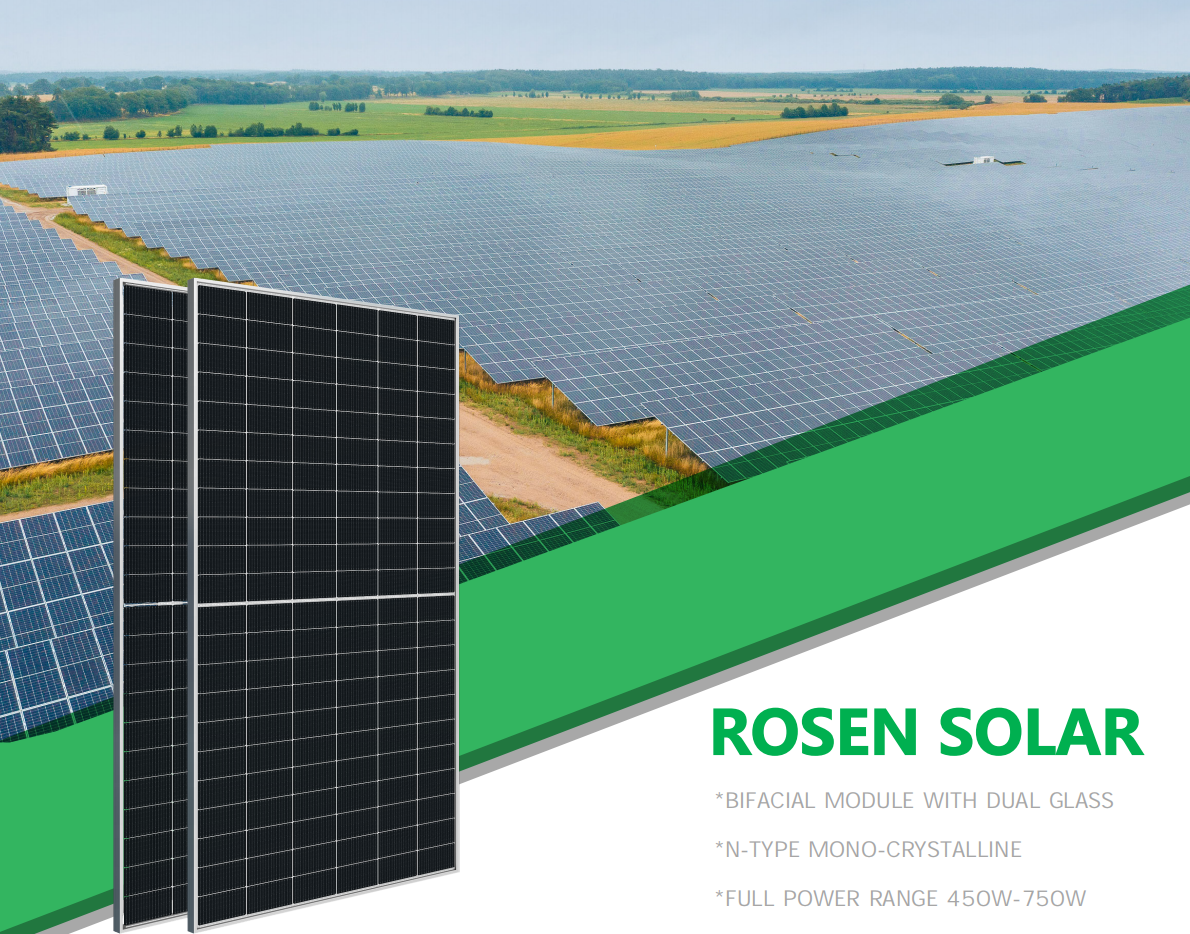
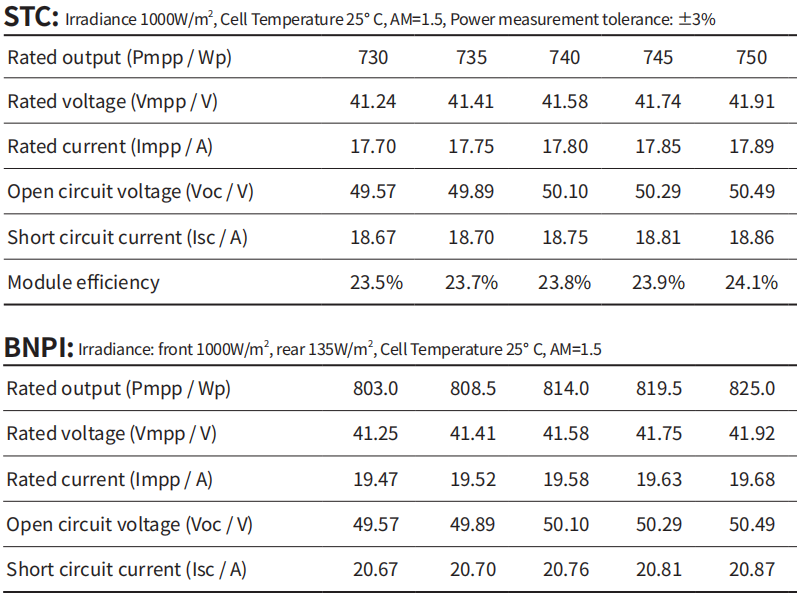
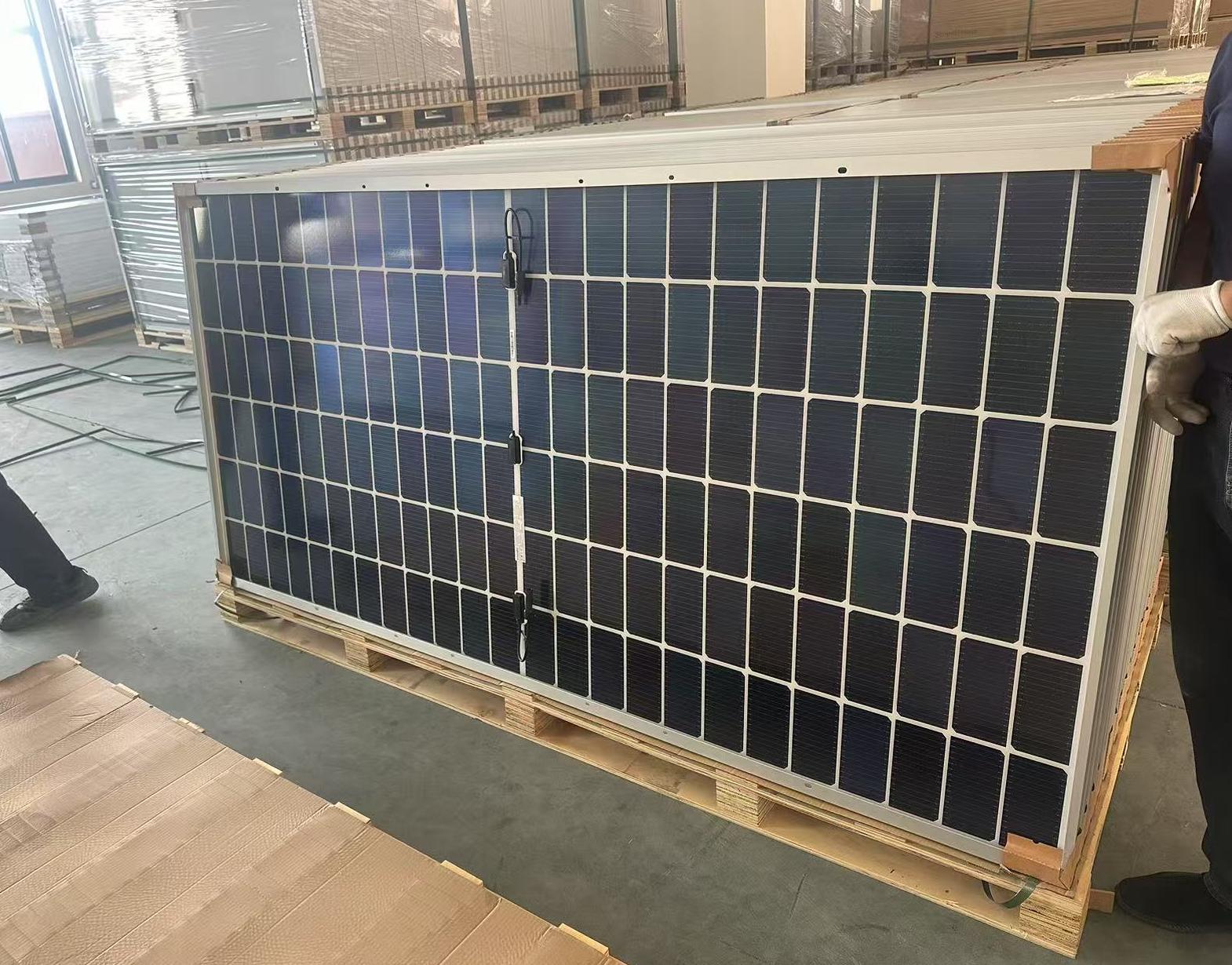
Dual-sided power generation gain increases with backside exposure to light, significantly reducing LCOE.
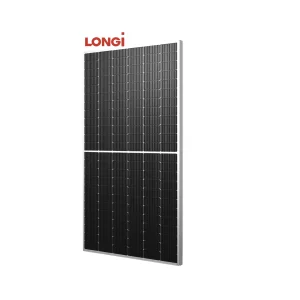
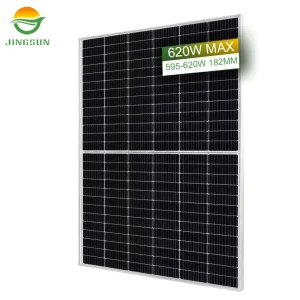
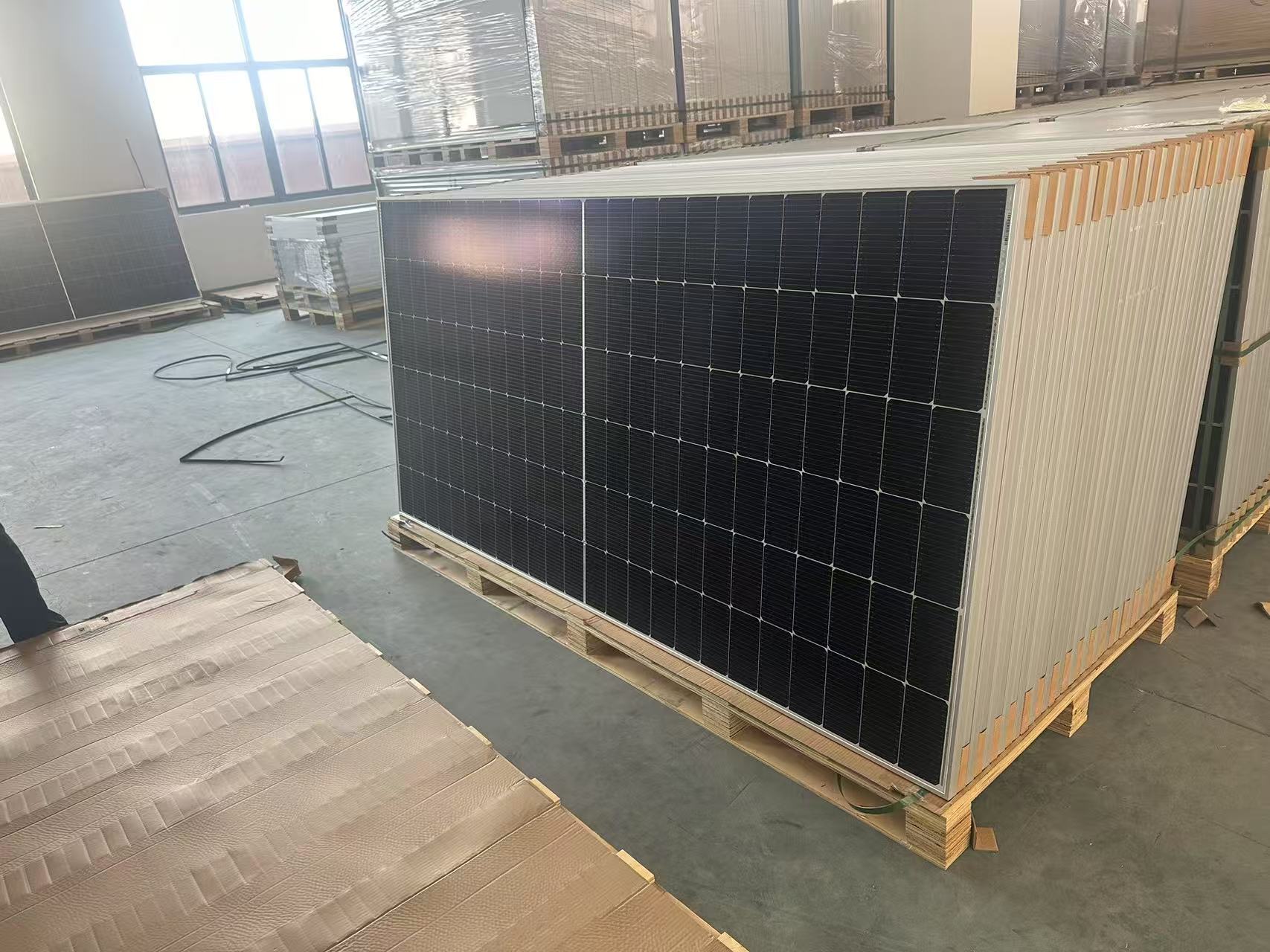
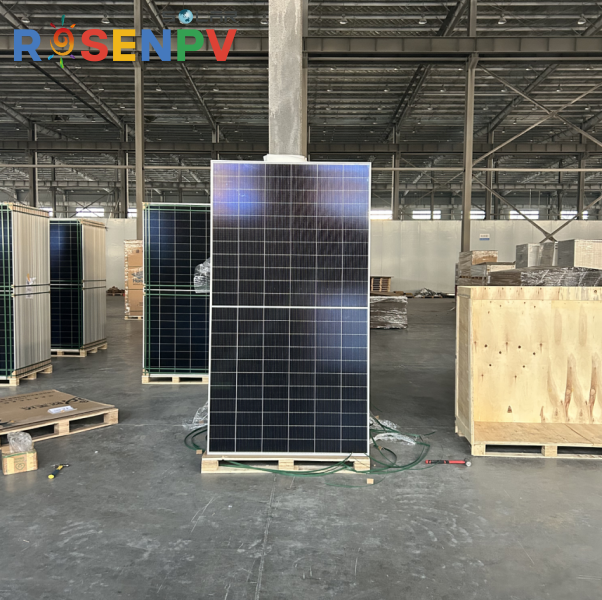
| Cell Type | N-type Mono-crystalline |
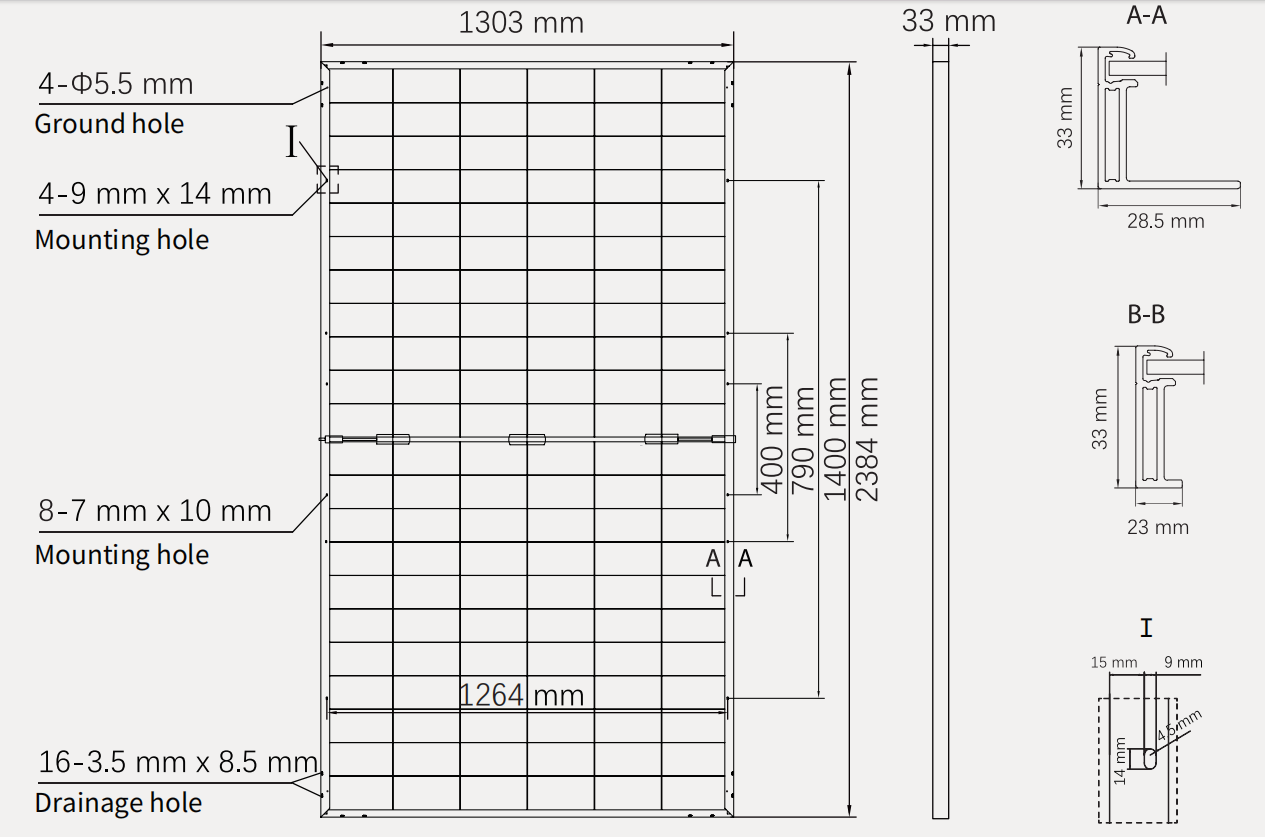
| No. of cells | 132 (66×2) |
| Dimensions | 2384×1303×33 mm |
| Weight | 38 kg |
| Front / Back glass | 2.0 mm / 2.0 mm |
| Frame | Anodized Aluminium Alloy |
| Junction Box | IP68 Rated |
| Protection Class | Class II |
| IEC Fire Type | Class C |
| Cable diameter | 4 mm² / 12 AWG |
| Cable length | (+): 400 mm , (-): 200 mm or Customized Length |
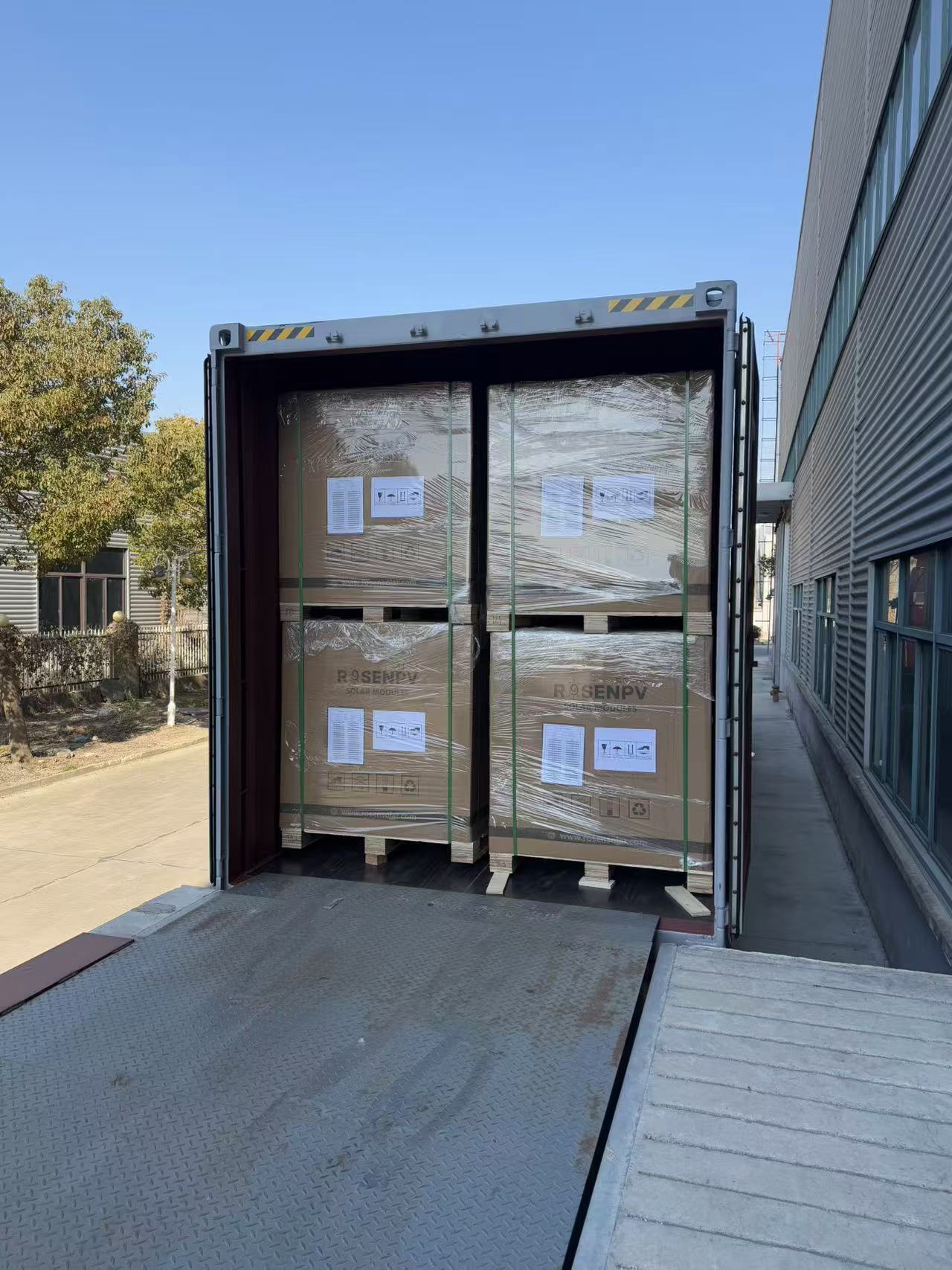
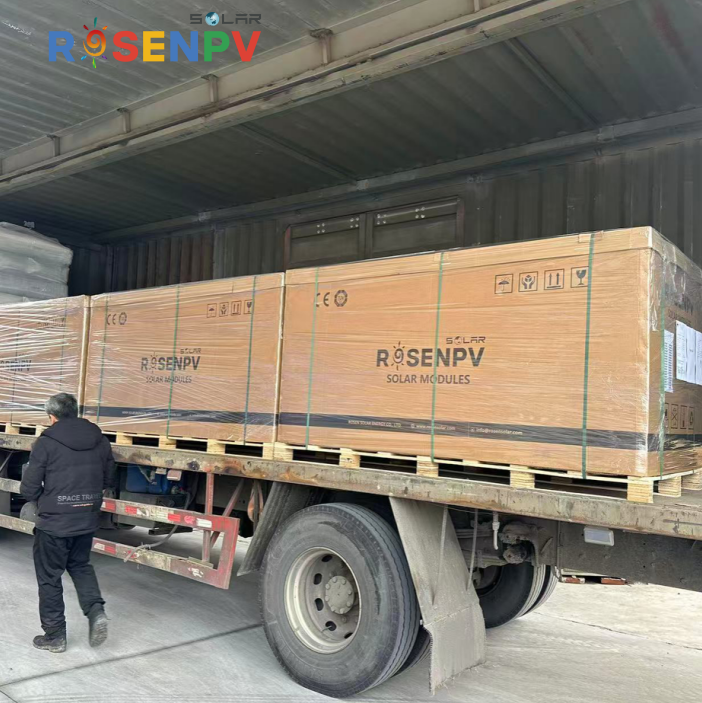
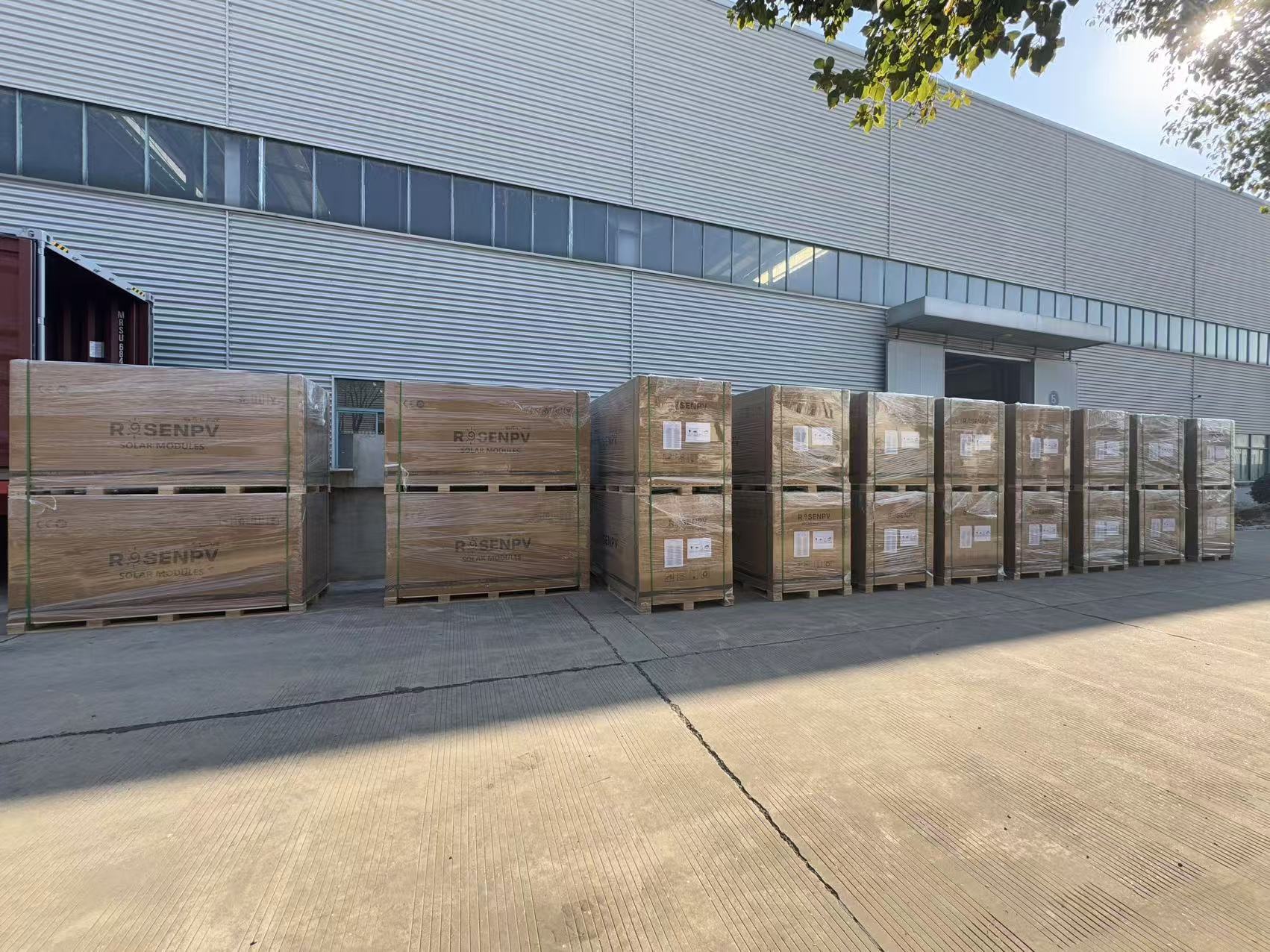
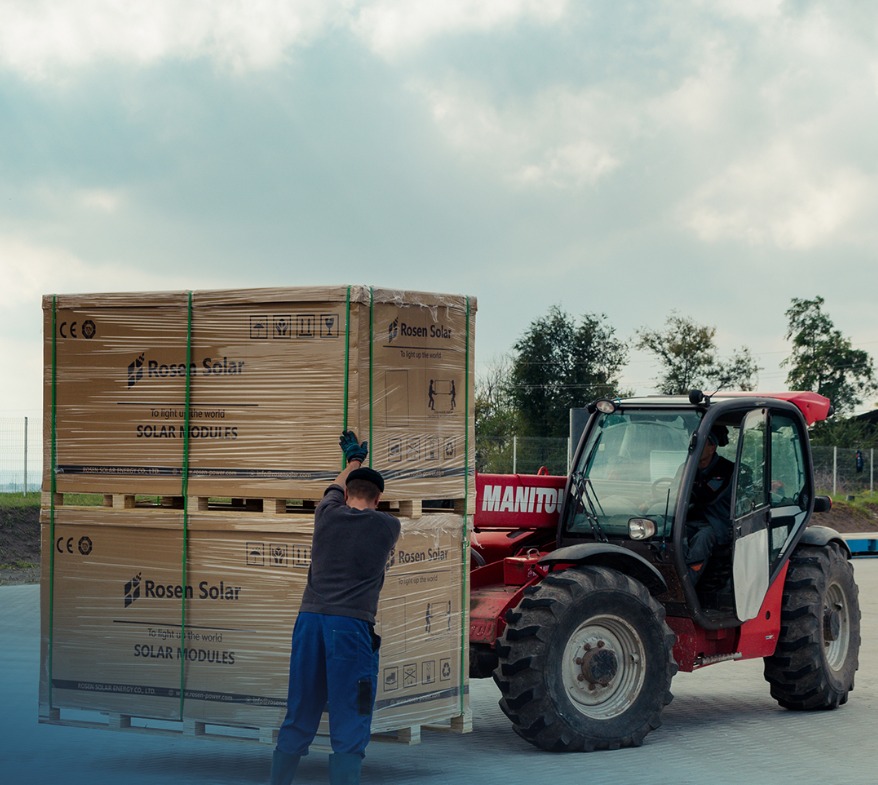
| Packing Detail | 33 pcs/pallets, 594 pcs/ 40'HQ Container |
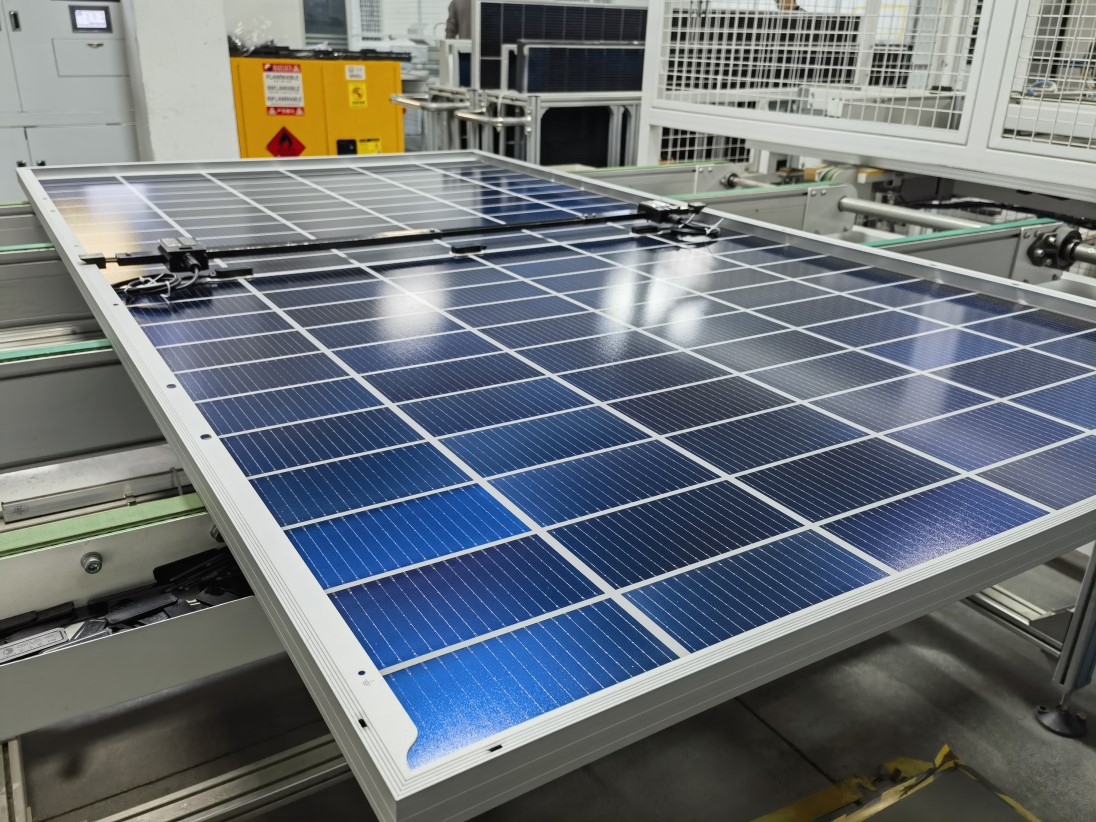
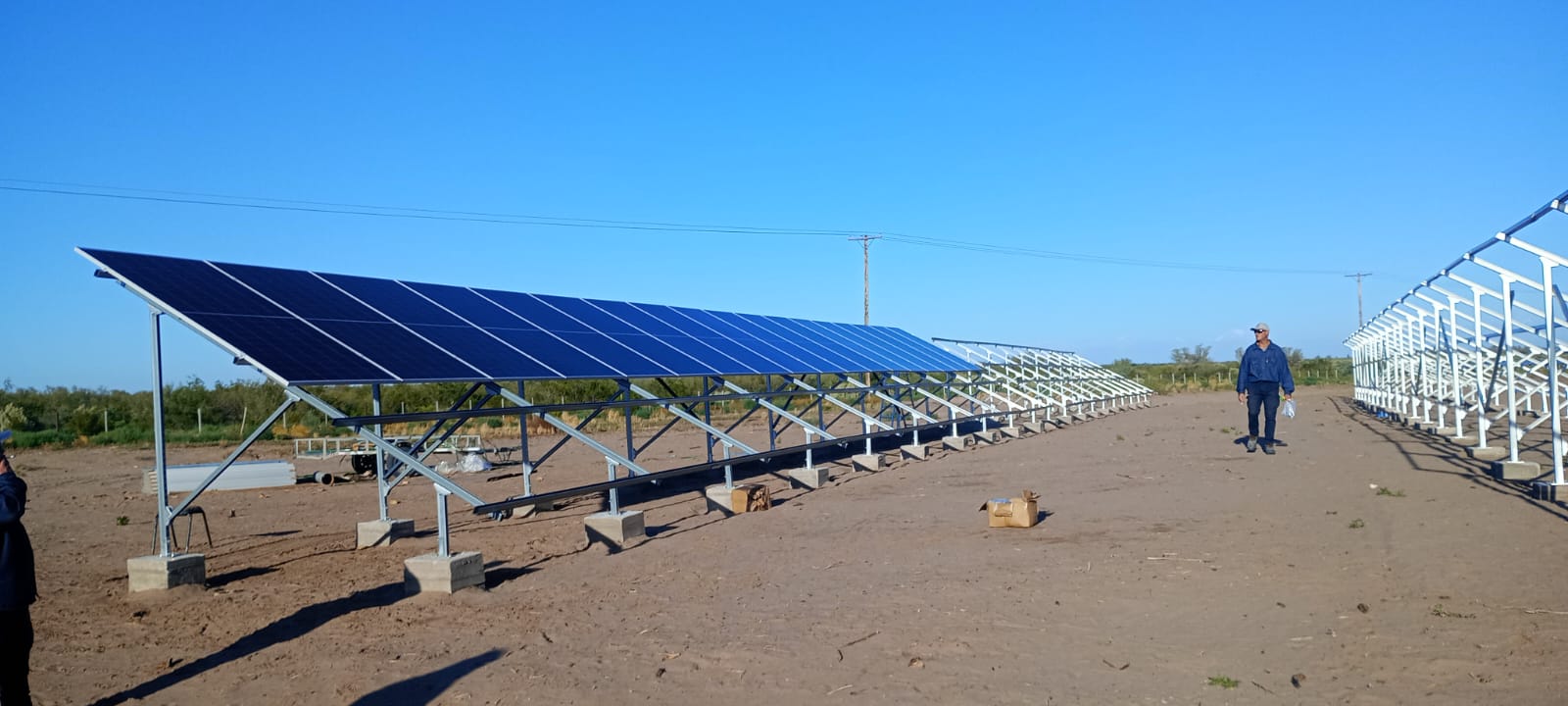
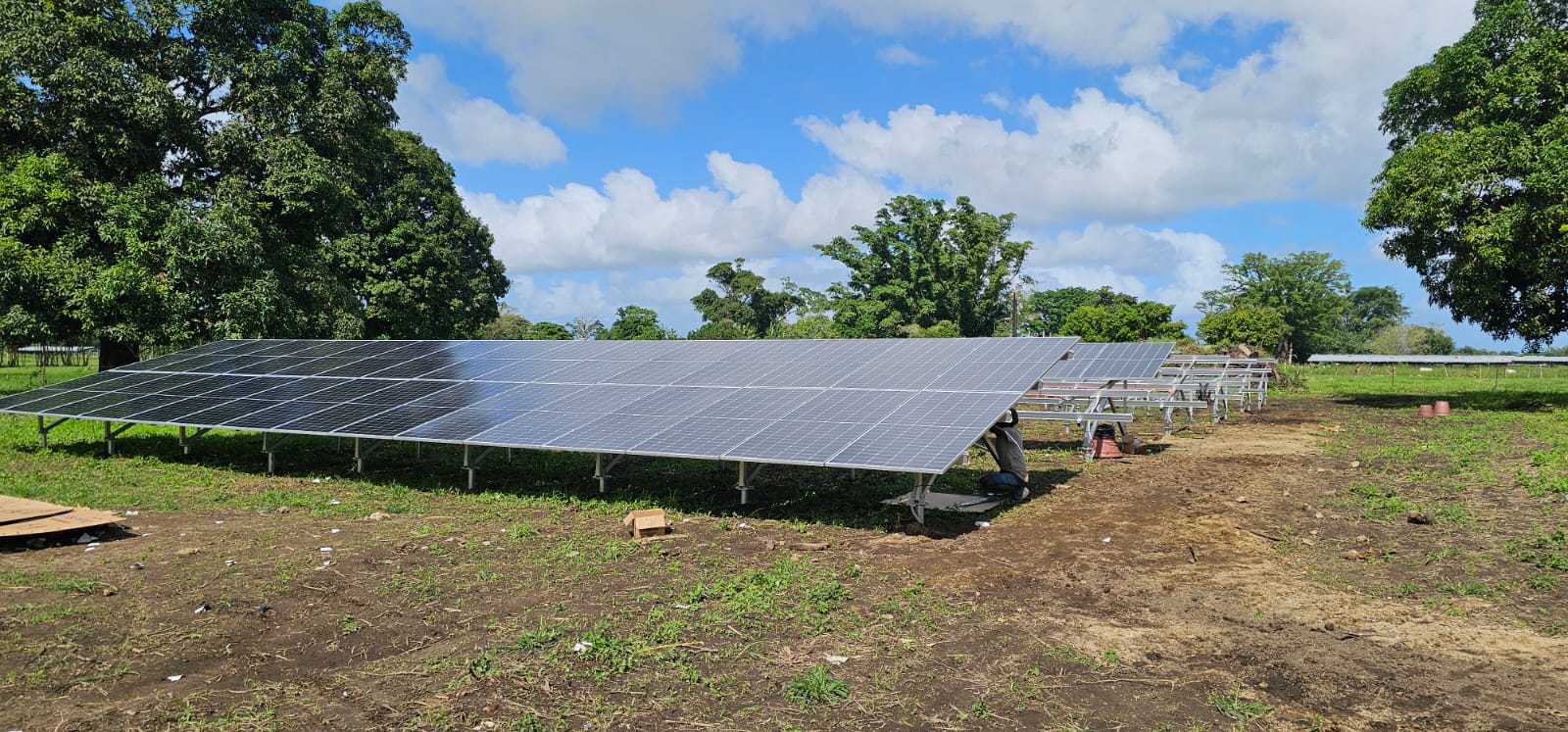
A: N-type modules utilizing Tunnel Oxide Passivating Contacts (TOPCon) technology significantly minimize power loss. They offer much lower LID (Light Induced Degradation) and LeTID (Light and elevated Temperature Induced Degradation) while delivering superior performance in low-light environments.
A: HOT 3.0 technology refers to advanced cell structures and manufacturing processes that improve the module's thermal coefficient, general reliability, and conversion efficiency under diverse ambient conditions.
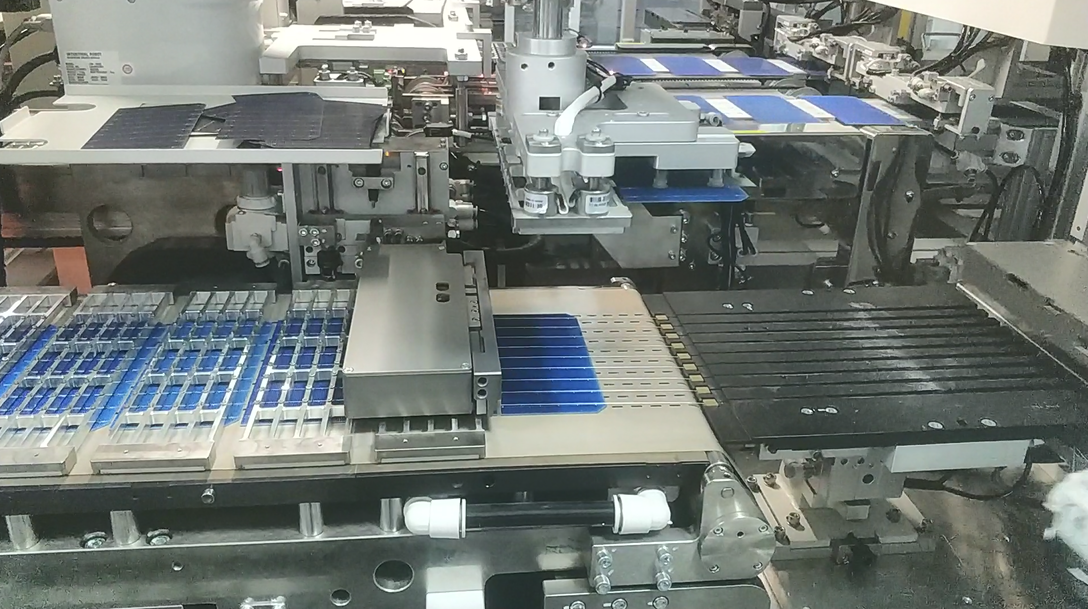
A: SMBB technology optimizes current transmission by providing shorter distances for current to travel across the cell. This enhances overall light trapping and reliability, reducing the risk of micro-cracks while boosting power output.
A: The solar panels are rigorously tested and certified to withstand extreme weather, supporting static mechanical loads of up to 5400 Pa on the front side (for heavy snow) and 2400 Pa on the rear side (for high winds).
A: Through strict material control and optimized cell manufacturing processes, the chance of Potential Induced Degradation (PID) is minimized. This ensures long-term operational stability and protects your solar power investment.
A: Dual-sided (bifacial) panels absorb light reflection from both the front and rear sides. Backside exposure to light increases overall energy yield and helps to lower the Levelized Cost of Energy (LCOE) over time.