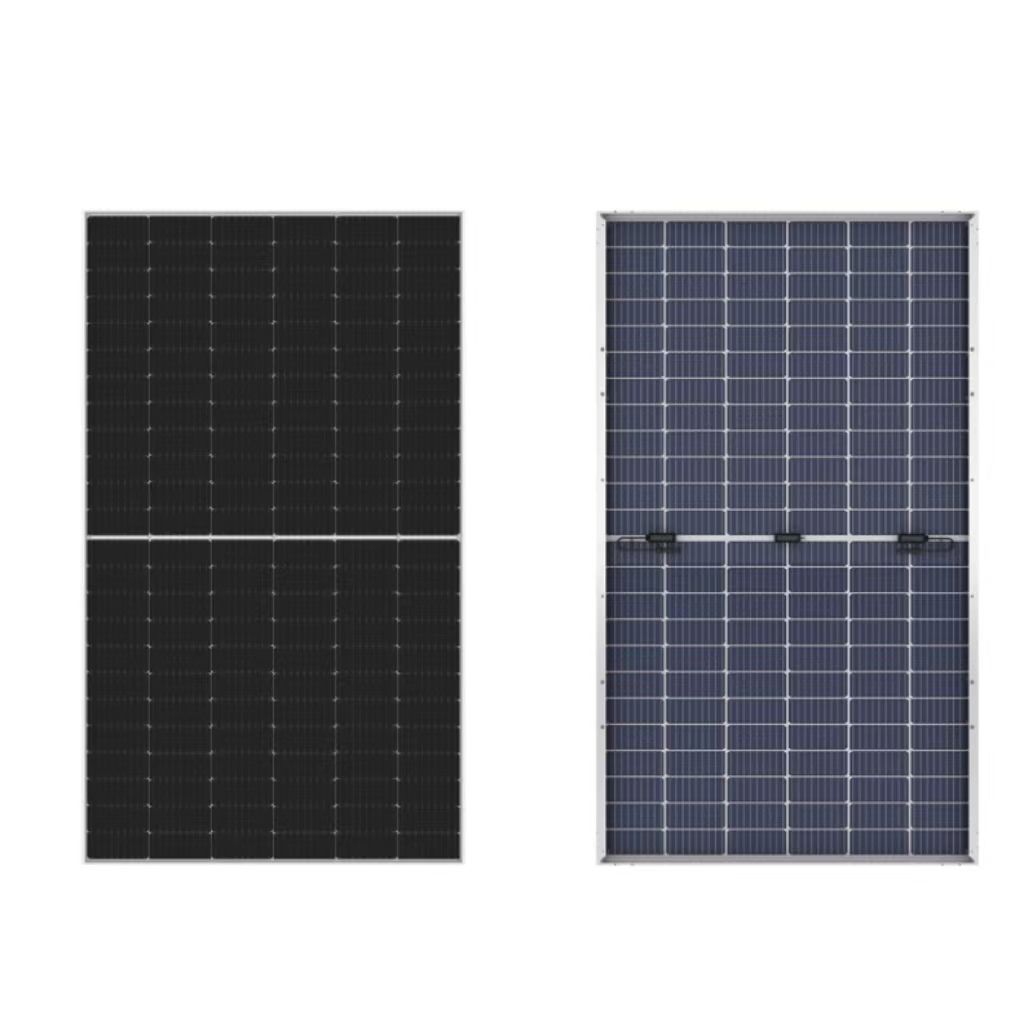
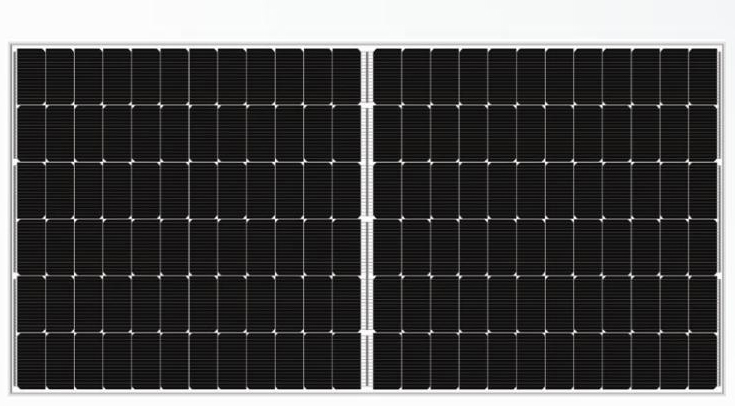
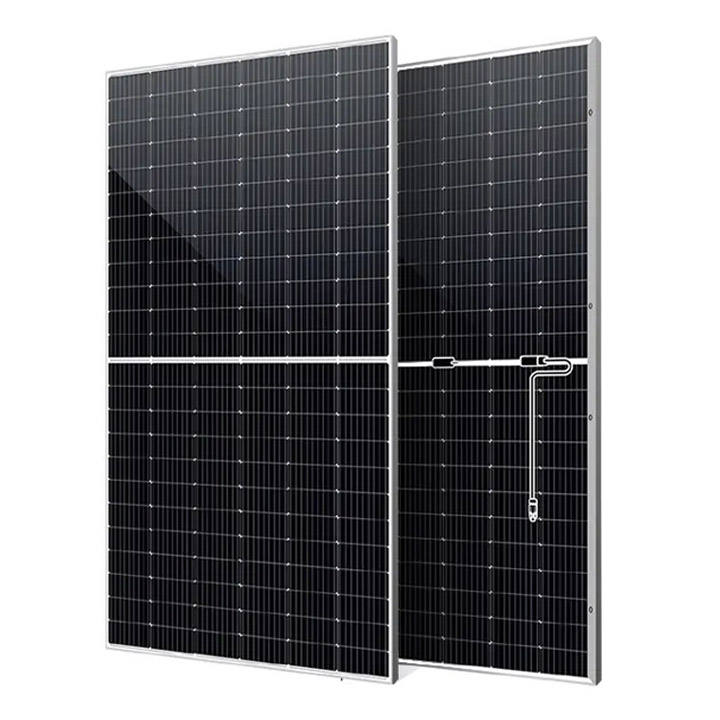
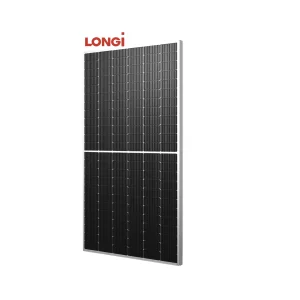
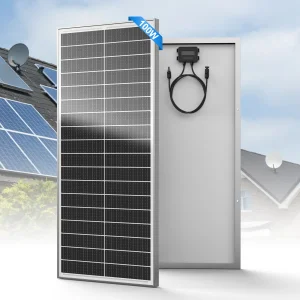
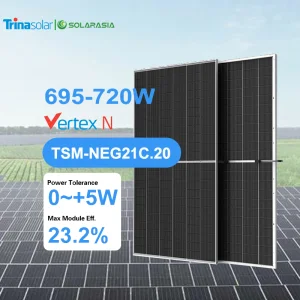
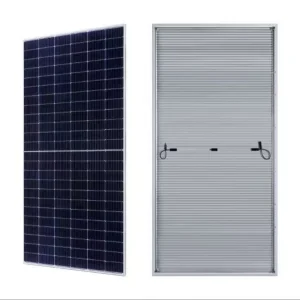
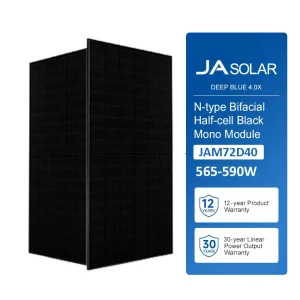
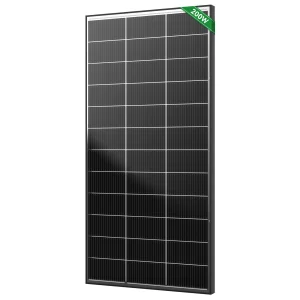
What are the main differences between the 260W, 550W, and 590W solar panels?
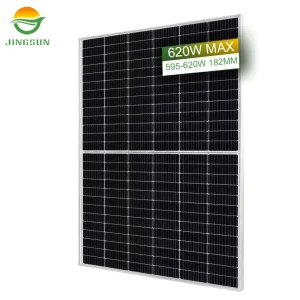
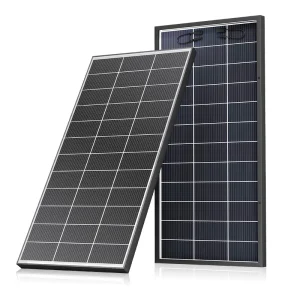
The main differences lie in power output, dimensions, and conversion efficiency. The 550W and 590W modules feature higher conversion efficiency (21% and 20.85%) and are designed for utility-scale or commercial installations. The 260W modules are more compact and ideal for smaller or off-grid power systems.
What is the importance of Module Conversion Efficiency?
Module conversion efficiency measures the percentage of sunlight hitting the solar panel that is successfully converted into usable electricity. Higher efficiency means more electricity is generated per square meter of panel, optimizing space utilization.
What do Voc and Isc mean in solar panel specifications?
Voc (Open Circuit Voltage) is the maximum voltage the solar panel can output under standard conditions when no load is connected. Isc (Short Circuit Current) is the maximum current output when the positive and negative terminals are directly connected. Both parameters are vital for setting up inverters and charge controllers safely.
How do Vmpp and Impp relate to actual performance?
Vmpp (Best Working Voltage) and Impp (Best Working Current) represent the optimal voltage and current levels where the solar panel operates at its peak output power (Pmax). Maximizing output involves matching these levels to the inverter's MPPT input range.
Can these solar panels operate under extreme weather conditions?
Yes, high-quality solar panels are engineered and tested to withstand harsh weather conditions, including heavy snow loads, strong winds, hail, and high temperatures, while maintaining reliable electrical performance over their lifespan.
 GAF Solar