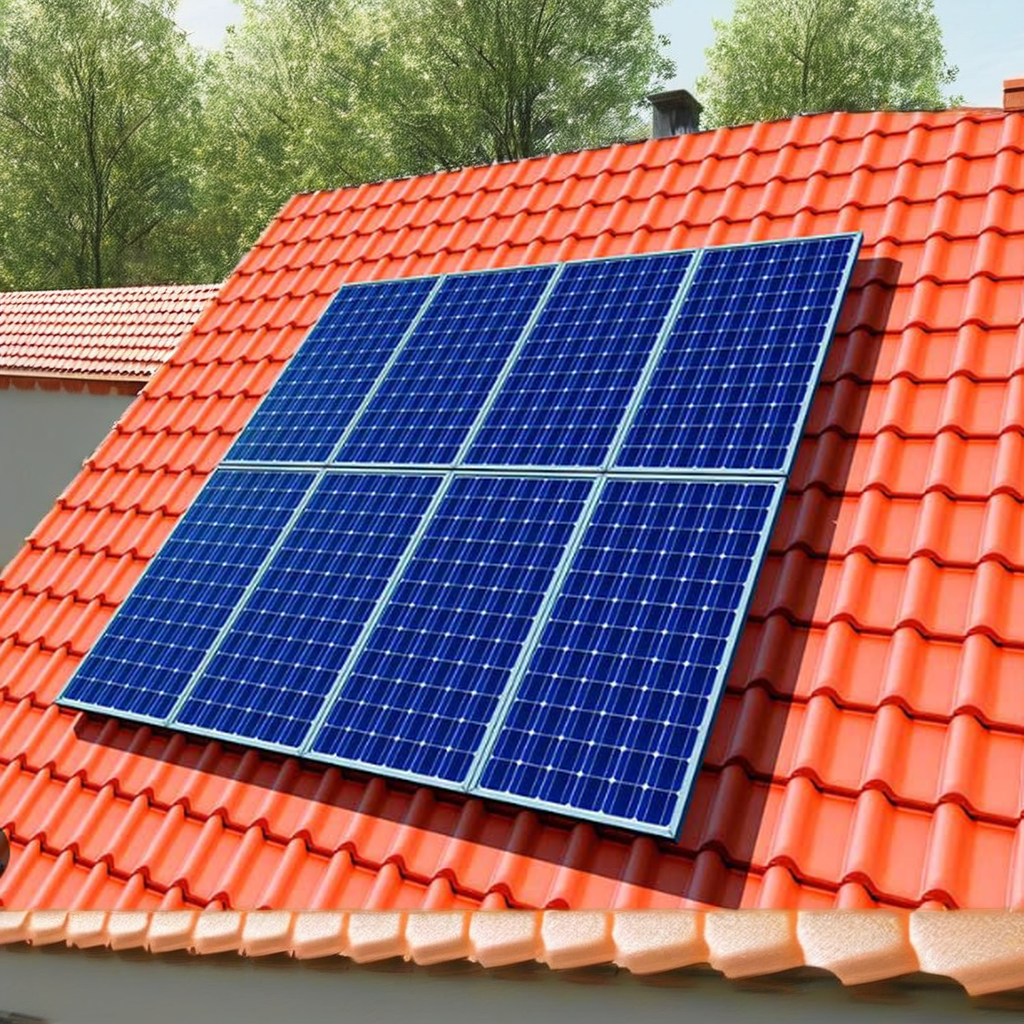
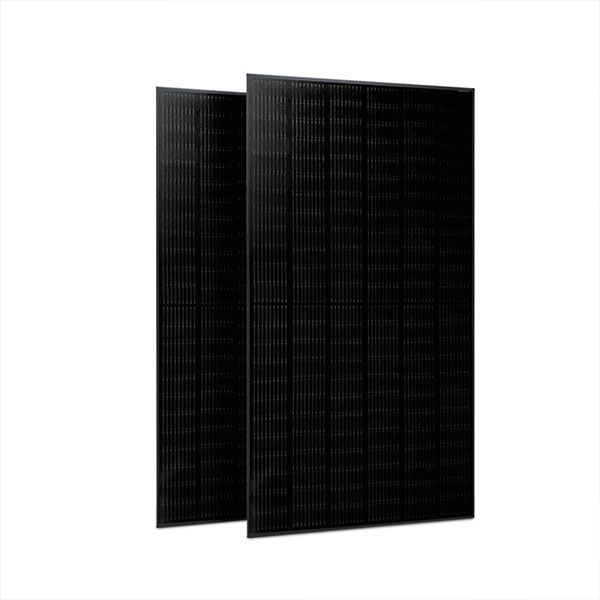
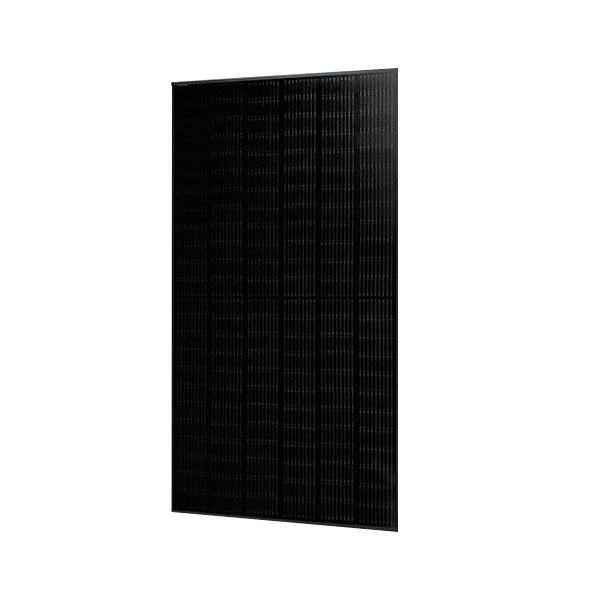
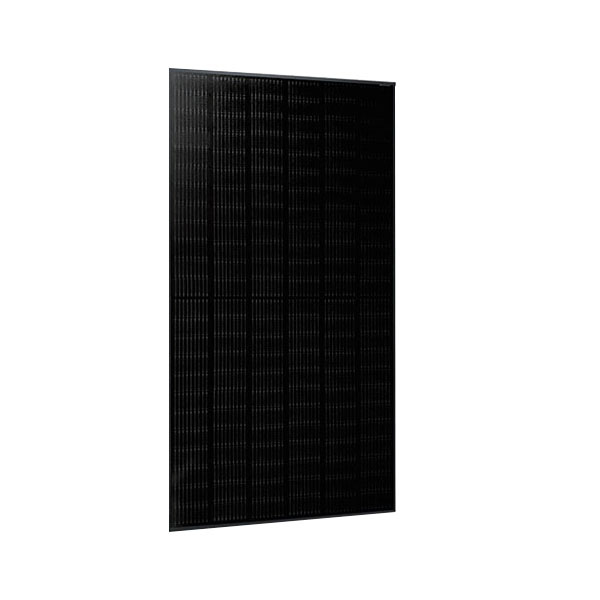
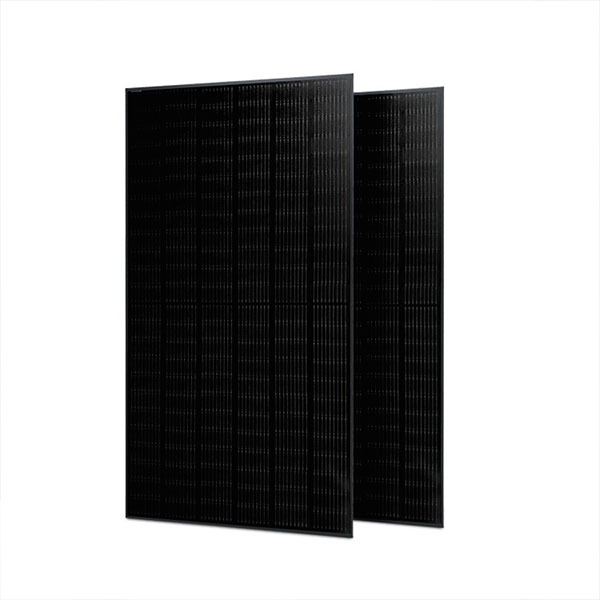
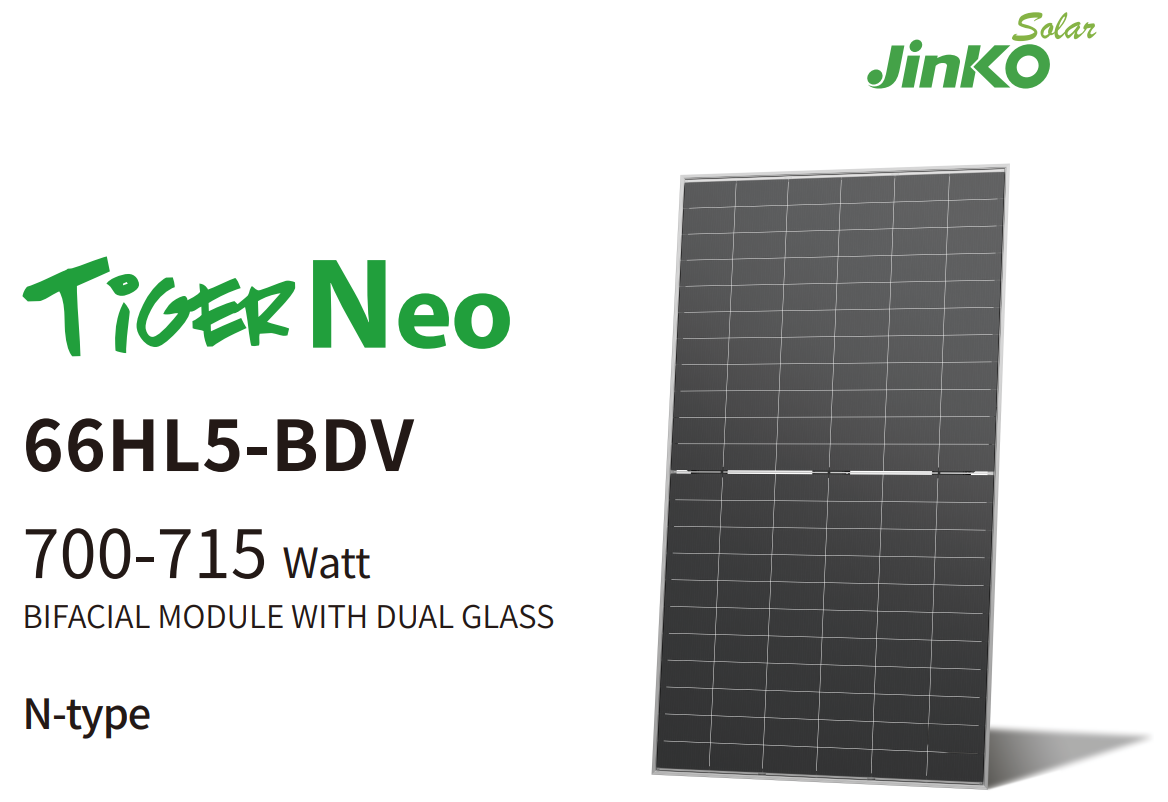
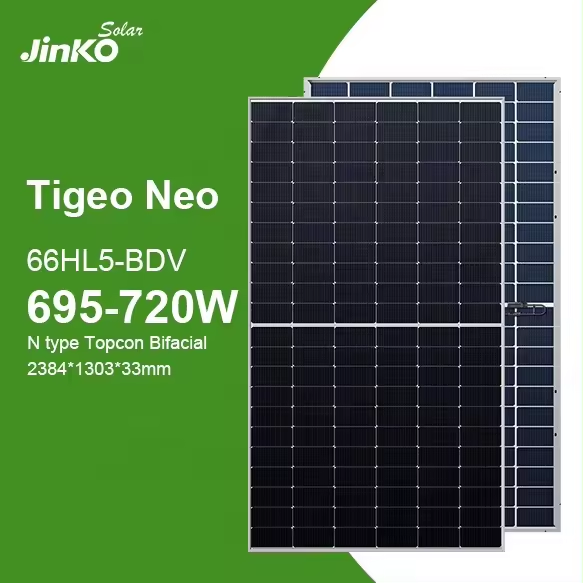
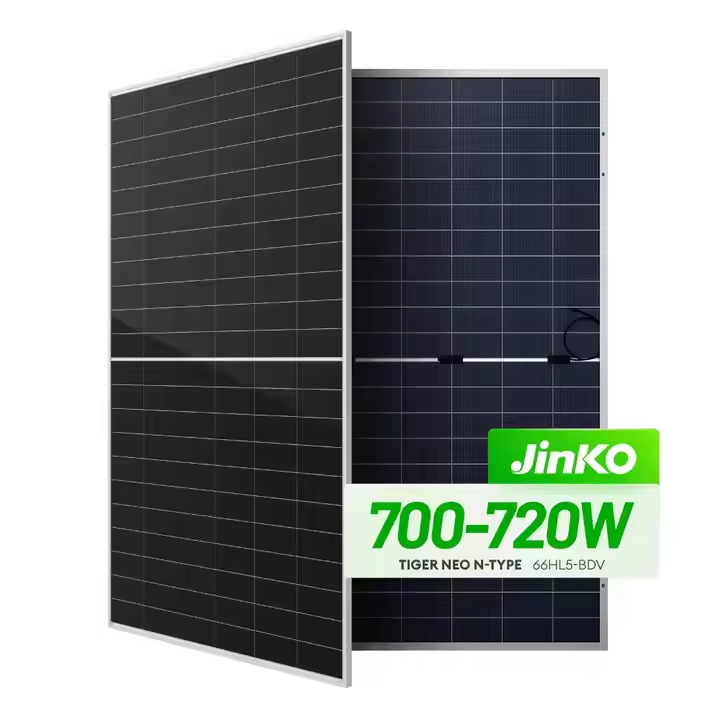
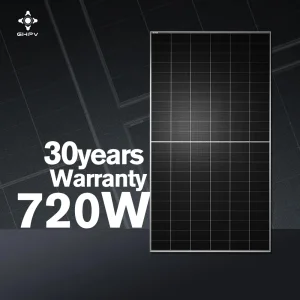
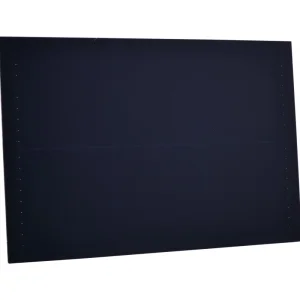
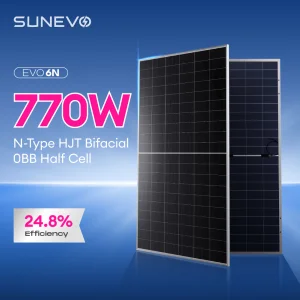
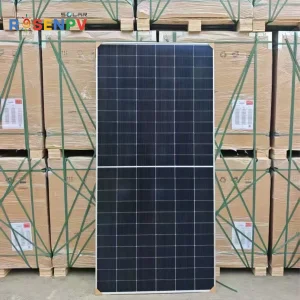
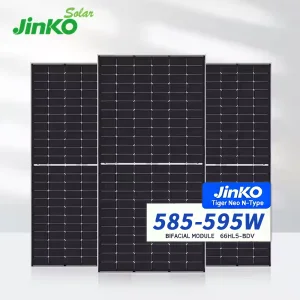
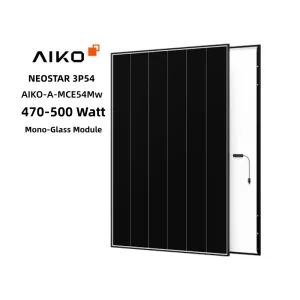
Bulk for Solar N-Type for Bifacial 695W-720W 23.2% Efficiency Monocrystalline All Black Double-Glass PERC Solar Panels

Product Description

Product Description
Solar Product
Solar Panel
Solar Panel
Details
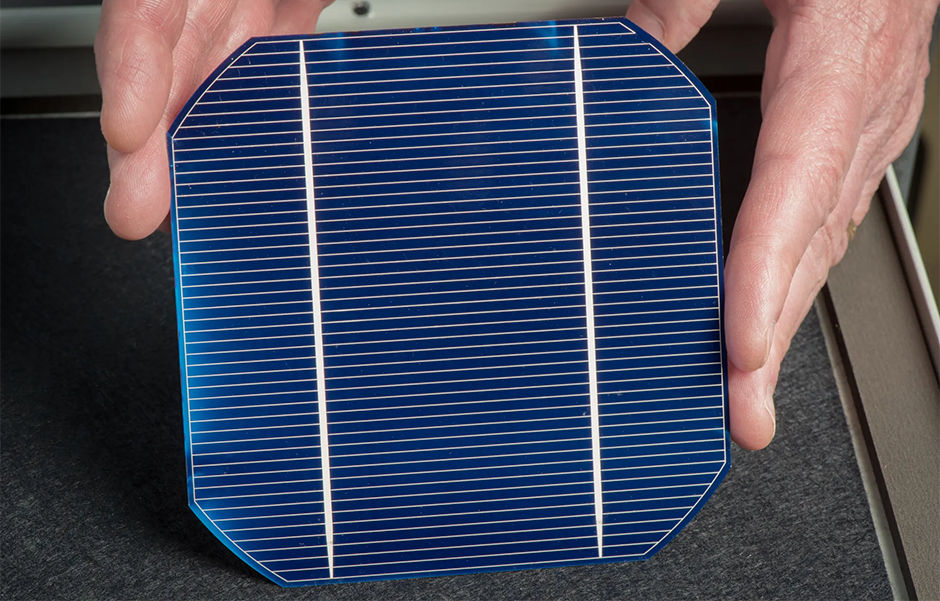
Solar Cell

SOLAR CELL

  • High output-power: conversation efficiency is 18%-24%.
  • High shunt-resistance: adapt the several conditions.
  • Bypass diode minimizes the power drop by shade.
  • Excellent low light effect.
  • Low breakage rate.
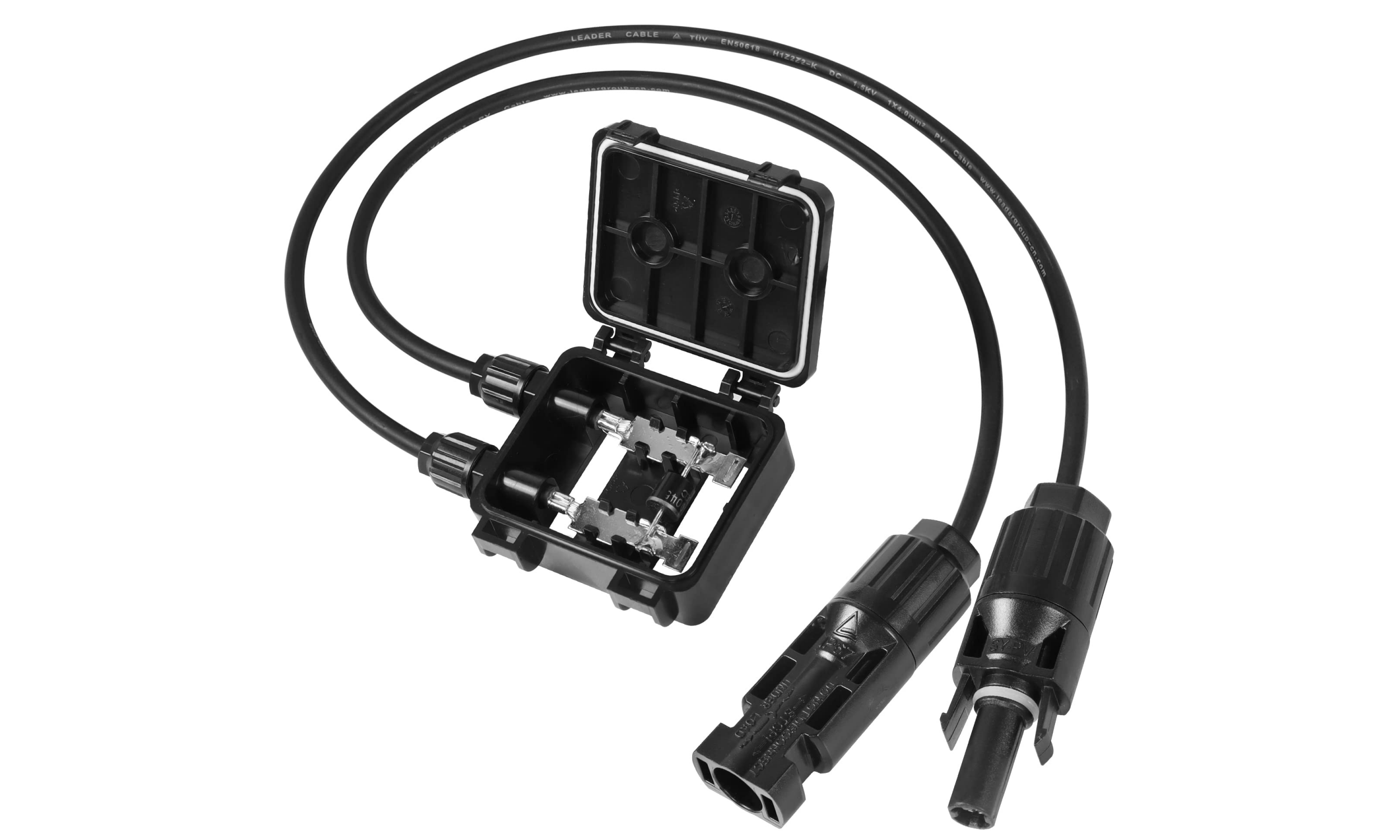
Junction Box

JUNCTION BOX

  • High current and voltage carrying capacity.
  • Simple, quick and safe effective field assembly.
  • IP 68 it can be used in the outdoor environment.
  • Expansion connector are available for future requirement.
  • Double permanent connection are adapted for all of the connecting.
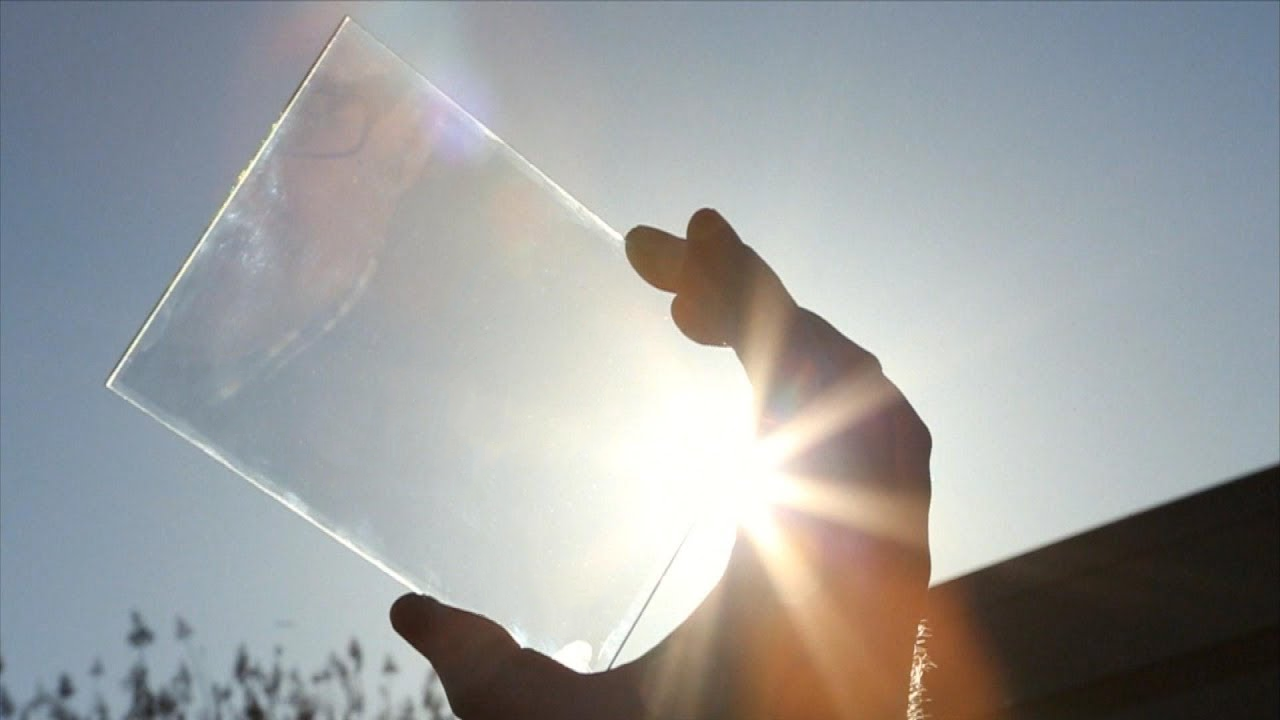
Glass

GLASS

  • High-transmittance and low reflection.
  • Inspection: GB15763.2-2005. IS09050.
  • High solar transmittance.
  • High mechanical strength.
  • High flatness.
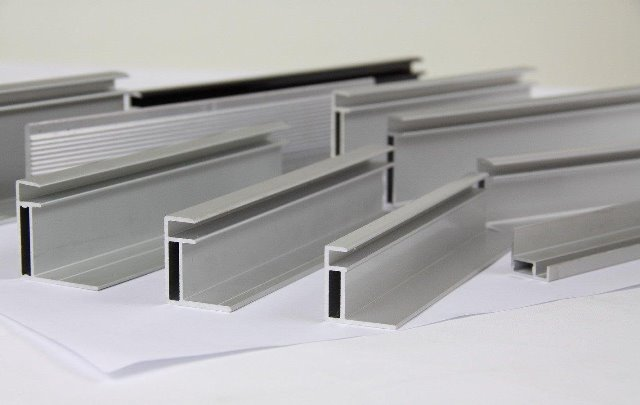
Frame

FRAME

  • Aluminium extrusion profile with prompt delivery.
  • Available in customized surface finish.
  • Excellent material for smooth and subtle edges.
  • Extrusion for construction and other industrial purposes.
  • Thickness variable according special request.
Specifications
Mechanical Characteristics
Cell TypeN-type Mono-crystalline
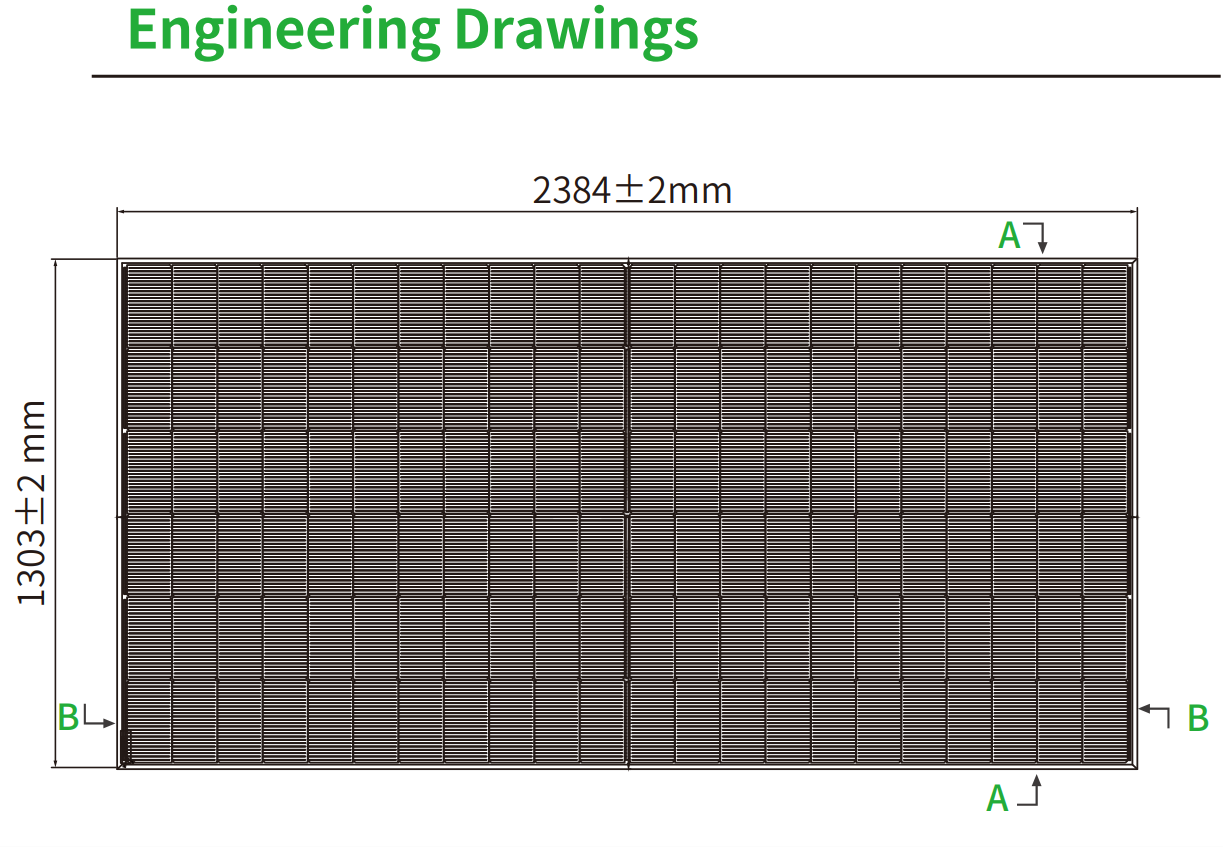
No. of cells132 (66×2)
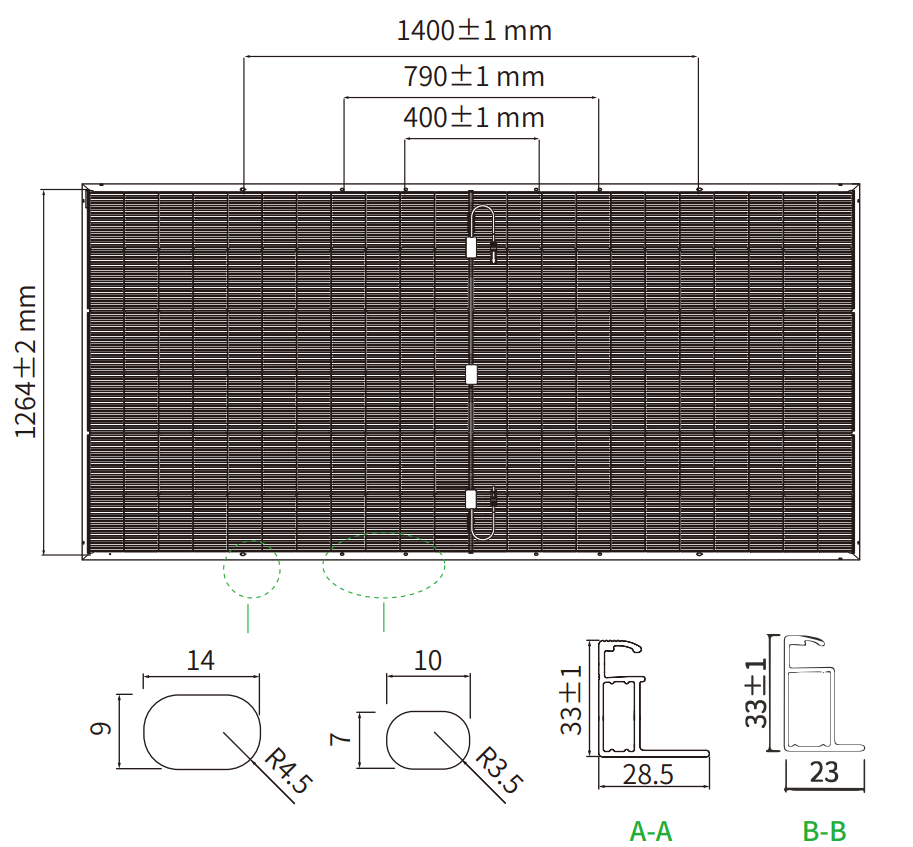
Dimensions2384×1303×33 mm
Weight37.5 kg
Front Glass2.0 mm, Anti-reflection Coating
Back Glass2.0 mm, Heat Strengthened Glass
FrameAnodized Aluminium Alloy
Recommend Products
Application
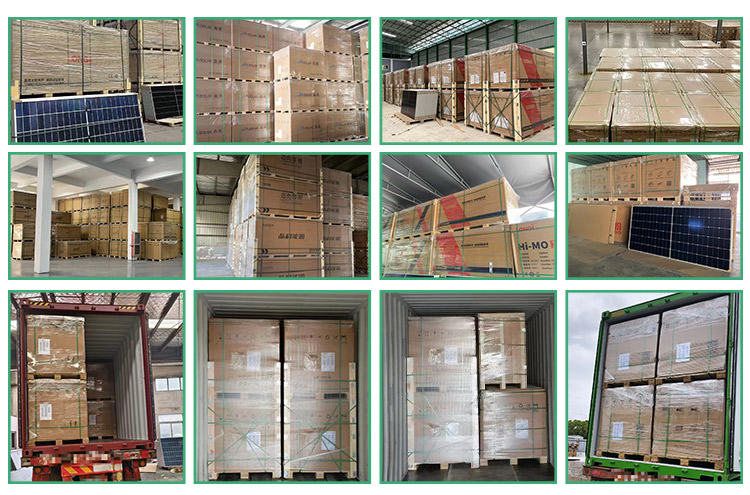
Product Packaging
FAQ
Q1: What are photovoltaic panels? Photovoltaic (PV) panels are devices that convert light, especially sunlight, into electricity using photovoltaic cells. They are key components in solar energy systems.
Q2: How do photovoltaic panels work? PV panels work by allowing photons from sunlight to knock electrons free from atoms in the panel's silicon-based cells, creating a flow of electricity.
Q3: What are the benefits of using photovoltaic panels? They offer benefits including reducing reliance on fossil fuels, lowering energy costs, decreasing greenhouse gas emissions, and requiring minimal maintenance.
Q4: How much energy can photovoltaic panels produce? The energy production depends on size, efficiency, and sunlight exposure. A typical residential system can often offset a significant portion of a household's electricity use.
Q5: Can photovoltaic panels be used in cloudy or rainy weather? Yes, PV panels can still produce electricity on cloudy or rainy days, although they will produce less energy than on sunny days.
Q6: Are photovoltaic panels environmentally friendly? Yes, they are highly environmentally friendly, producing no greenhouse gases during operation and helping to significantly reduce carbon footprints.

Related Products