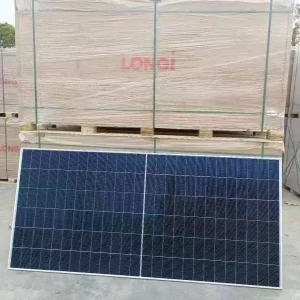
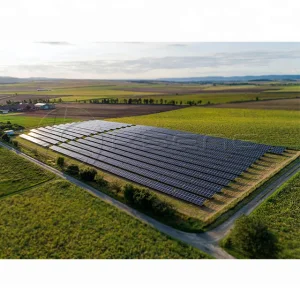
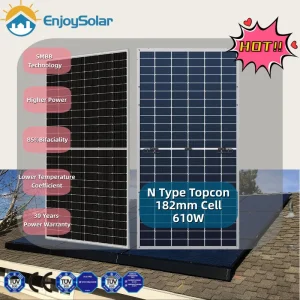
Explore our leading selection of flexible PV modules, high-efficiency monocrystalline panels, and micro-grid packages customized for extreme environments.
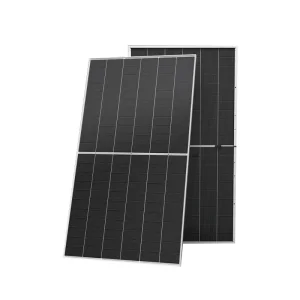
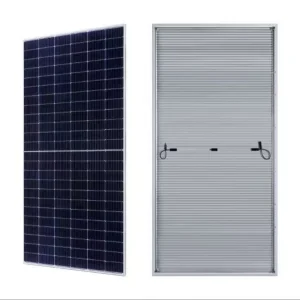
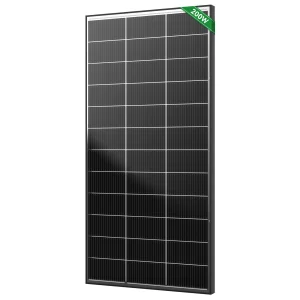
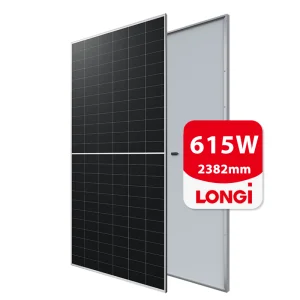
In the rapidly changing landscape of global electricity generation, decentralized power systems have transitioned from niche options to standard components of grid infrastructure. Ningbo GAF Solar Co., Ltd. stands at the forefront of this shift. As a dedicated Solar Panel Manufacturer, the company delivers monocrystalline, bifacial, and high-efficiency PV modules for residential, commercial, industrial, and utility-scale installations worldwide. Our focus on engineering innovation translates into premium solar modules engineered for reliable energy yield, weather performance, and long operational life.
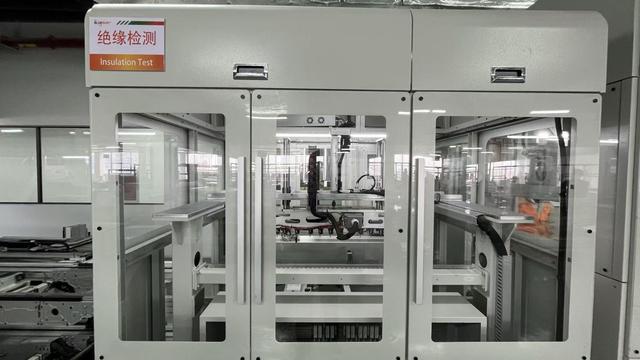
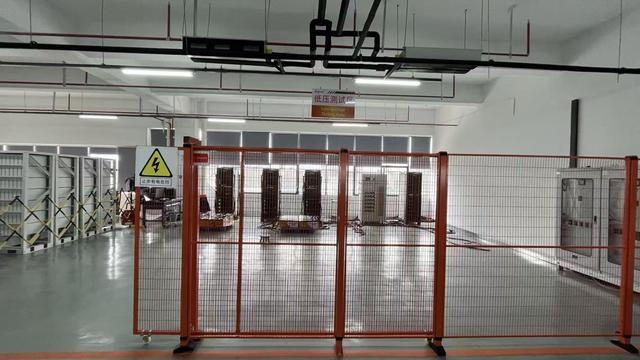
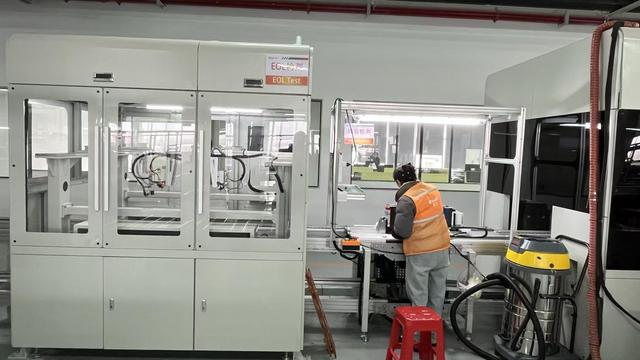
Operating out of Ningbo, China—a hub for advanced manufacturing and logistics—GAF Solar operates modern, automated production lines. Our quality management systems monitor every phase of assembly, from silicon ingot sourcing and wafer sorting to final encapsulation and module testing. By specializing in advanced monocrystalline solar panels, bifacial modules, utility-scale configurations, and custom BIPV systems, we address the unique technical requirements of project developers, EPC contractors, and distributors worldwide.
Beyond product supply, GAF Solar operates as an integrated OEM and ODM services partner. We support developers, commercial brands, and regional solution providers with mechanical and electrical customization, project sizing, and specialized packaging. This responsive approach helps clients manage development timelines, secure local project financing, and satisfy local regulatory frameworks in Europe, the Americas, Asia, and Africa.
Key drivers shaping decentralized grids, microgrids, and localized generation technologies.
Increasing extreme weather events and outdated transmission infrastructures are prompting municipalities and enterprises to adopt local distributed generation systems (DGs). Localized arrays combined with energy storage mitigate grid collapse risks, protect local industries from costly blackouts, and reduce overall line losses.
The global industry is undergoing a transition from traditional P-Type PERC cells to N-Type technologies, such as TOPCon and HJT. These materials feature virtually zero light-induced degradation (LID), lower temperature coefficients, and higher bifaciality rates, resulting in increased energy yields over the lifetime of the installation.
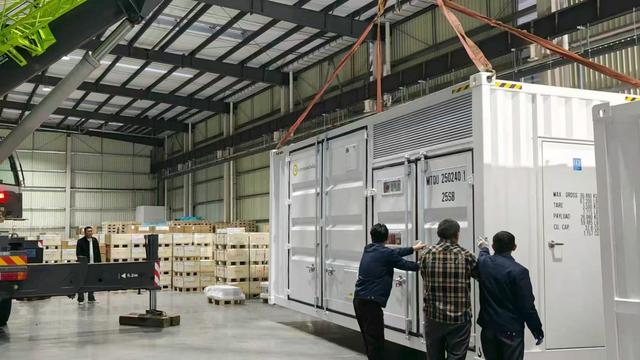
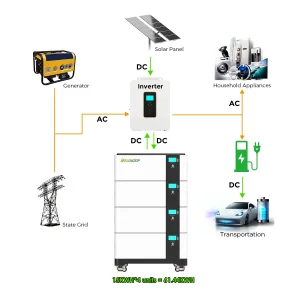
Solar energy requires reliable storage to mitigate intermittency. Integrating lithium iron phosphate (LiFePO4) battery systems directly with hybrid inverters enables peak shaving, demand response programs, and emergency backup services, helping industrial operators capture more value from their solar assets.
International procurement managers face complex design, financial, and logistical decisions when selecting distributed energy hardware. To help clarify this process, we have outlined the core criteria that determine project viability, investment returns, and operational reliability:
In addition to technical metrics, long-term bankability and warranty coverage are critical. Ningbo GAF Solar addresses these requirements by backing our premium monocrystalline and bifacial products with a 25-year linear performance warranty. This warranty is supported by raw material sourcing, strict control of potential induced degradation (PID-free cell design), and quality validation protocols.
Distributed generation requires tailor-made designs that align with the physical constraints, grid conditions, and load profiles of each site. GAF Solar offers solutions across four core application sectors:
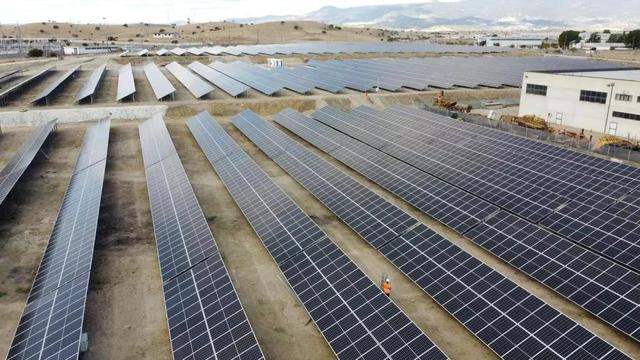
C&I facilities feature large flat roofs and significant daytime electricity loads. By utilizing high-power PV modules (such as our 600W-720W class modules) alongside smart commercial mounting configurations, companies can lower their operational electricity costs, shelter their structures from direct solar heat loads, and meet carbon-reduction mandates.
For island developments, remote mining operations, and telecommunications installations, connecting to a centralized grid can be cost-prohibitive. We design integrated off-grid energy packages that combine high-output monocrystalline arrays with high-voltage storage solutions, providing reliable, continuous power independent of grid availability.
Agri-PV installations co-develop land for solar energy generation and agricultural activities. Elevated mounting arrays and transparent or semi-flexible bifacial modules allow machinery access and light transmission, enabling farms to generate clean power while cultivating crops or managing livestock underneath.
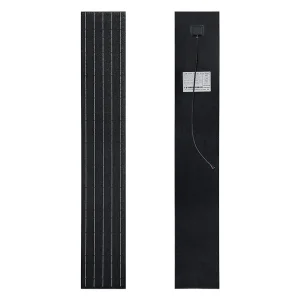
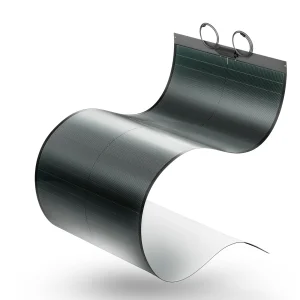
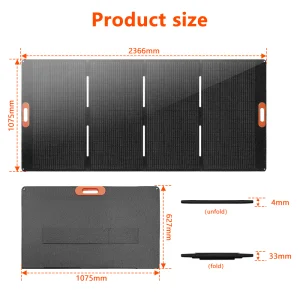
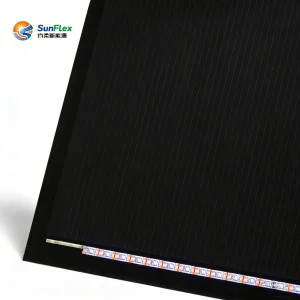
Weight-restricted commercial roofs, curved vehicle structures, and transport cabins require alternatives to standard, heavy glass modules. Our lightweight, flexible ETFE and CIGS thin-film solar products mount directly to surfaces, providing clean power options without requiring structural reinforcement.
Navigating import dynamics and regional grid compliance standards is critical for international solar energy projects. As an exporter of distributed energy solutions, Ningbo GAF Solar maintains a global compliance infrastructure to ensure smooth project execution.
Our manufacturing facility operates in accordance with ISO 9001, ISO 14001, and ISO 45001 standards. Our products carry international certifications, including CE, TÜV Rheinland, UL, and MCS. This verified compliance ensures our modules meet the grid-connection, electrical safety, and structural code requirements of markets worldwide.
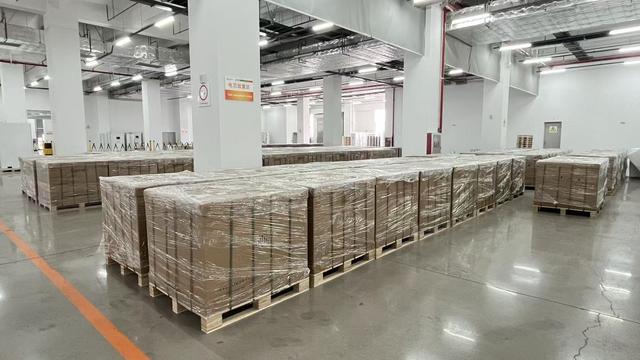
Located near the Port of Ningbo, GAF Solar manages efficient global logistics chains. We provide sea freight, multimodal transport, customs documentation, and regional warehousing support (including duty-paid logistics models in key regions like Europe). This robust supply chain reduces transport times and protects fragile components, ensuring systems arrive on-site on schedule and ready for installation.
To ensure high return on investment for long-term projects, GAF Solar continuously monitors and develops emerging photovoltaic technologies. Our long-term technology path focuses on three key innovations:
By layering a perovskite thin-film cell over a traditional silicon base, we aim to surpass the thermodynamic efficiency limits of single-junction silicon. This approach allows modules to capture a broader spectrum of solar radiation, aiming for commercial module efficiencies exceeding 28%.
Next-generation systems will incorporate module-level power electronics (MLPE), including micro-inverters and optimizers, directly into the junction box. This integration enables module-level monitoring, rapid shutdown compliance, and improved power harvesting in shaded conditions.
As solid-state battery technology matures, GAF Solar is developing hybrid charge controllers and thermal management systems optimized for solid-state storage. These components will offer higher energy density and improved safety profiles compared to conventional liquid-electrolyte lithium batteries.
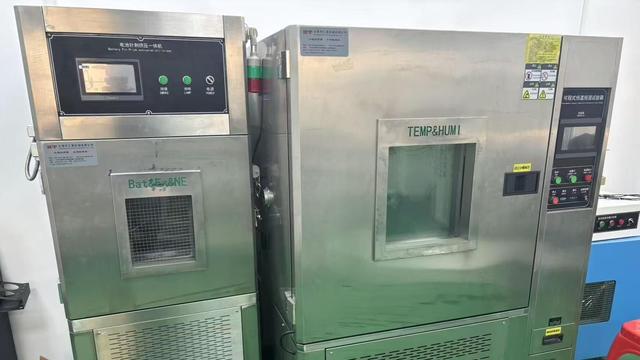
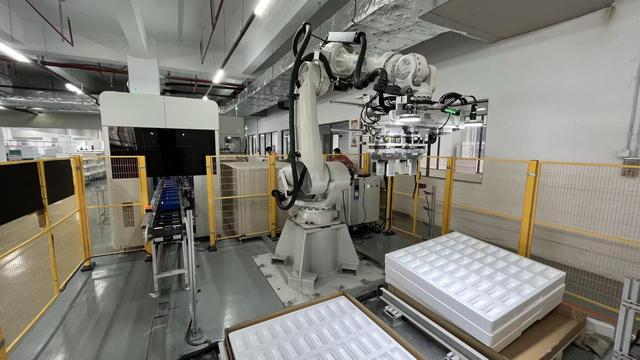
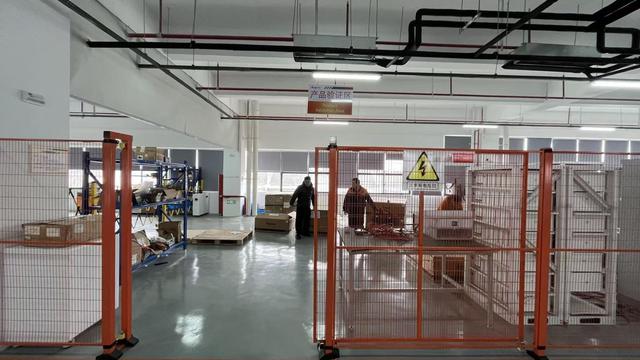
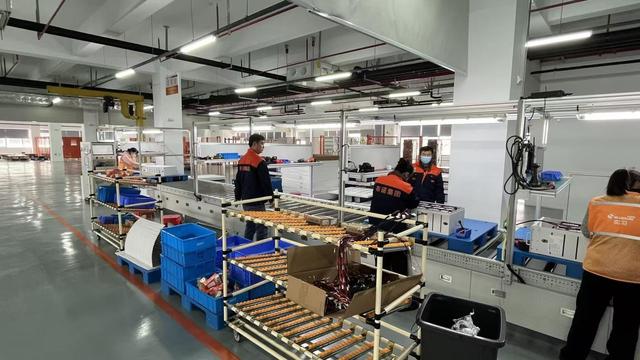
A glimpse inside our ISO-certified production lines, automated assembly steps, and rigorous quality testing centers.
Technical and logistics answers for EPC managers, utility developers, and solar energy distributors.
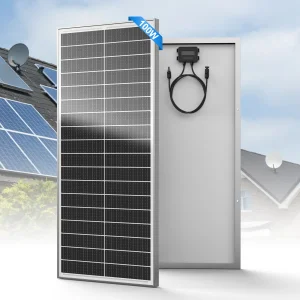
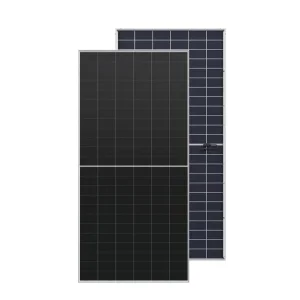
High-efficiency bifacial modules, heavy-duty commercial solar structures, and modular lithium iron phosphate (LiFePO4) battery systems.
 GAF Solar