GAF Solar
1. The Structural Advantages of Chinese Solar Factories
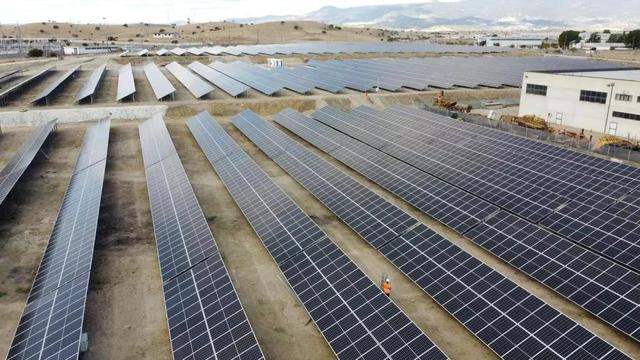
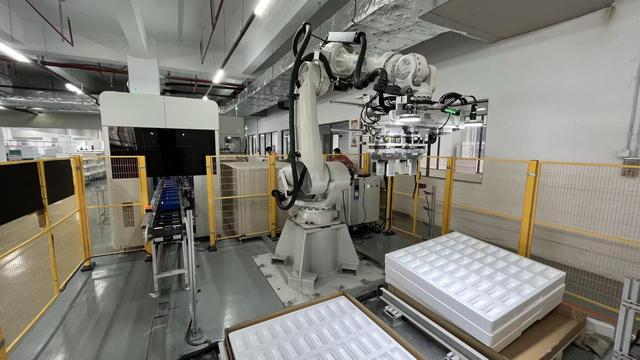
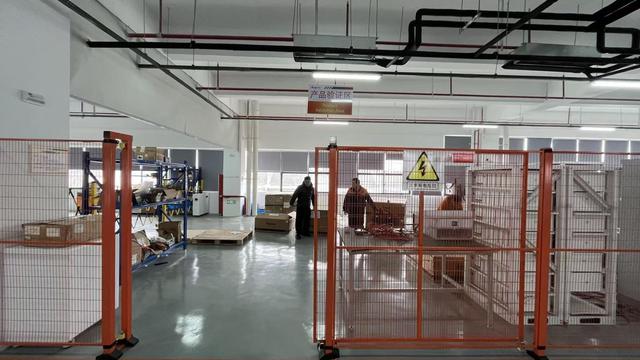
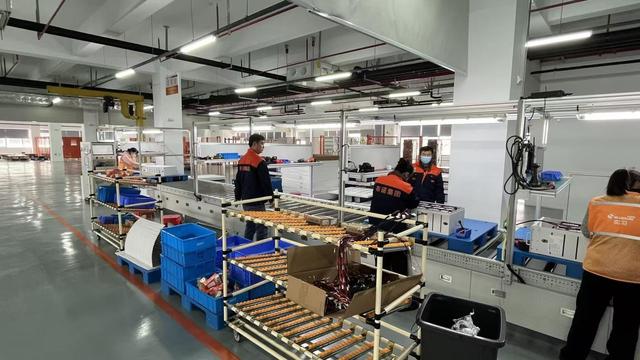
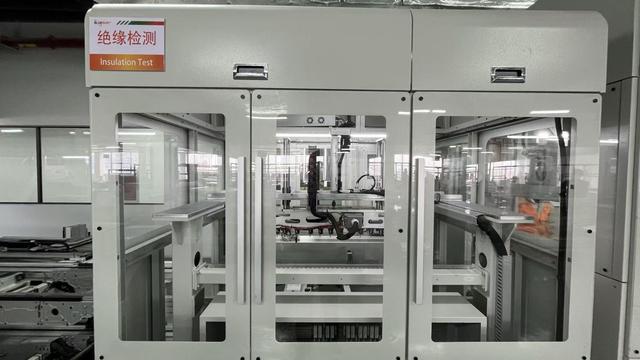
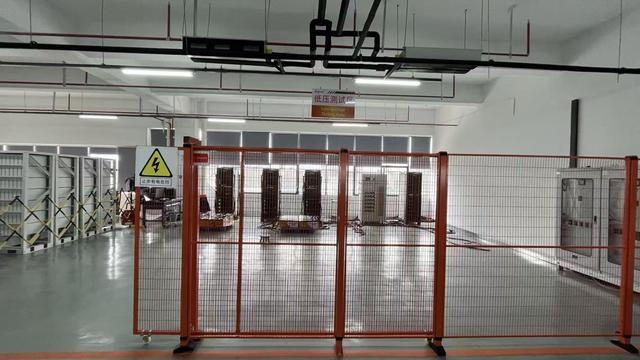
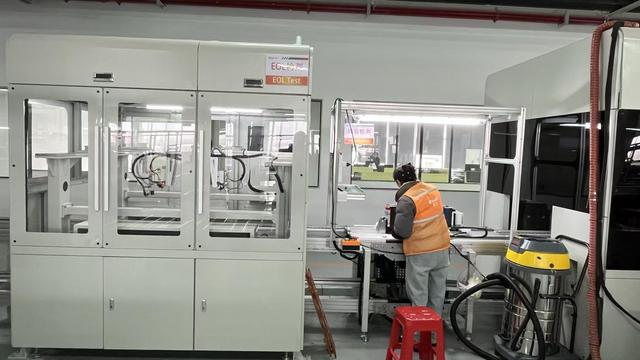
China has firmly established itself as the epicenter of clean energy innovation. The convergence of vertically integrated supply chains, unparalleled industrial clustering, and aggressive R&D investments has enabled Chinese manufacturers to lead the global transition to sustainable electricity. In key industrial hubs like Zhejiang and Ningbo, factories are equipped with state-of-the-art automation systems that control everything from wafer fabrication to module lamination. This integration dramatically minimizes transit times, raw material waste, and manufacturing costs while scaling up capacity to meet global gigawatt-level requirements.
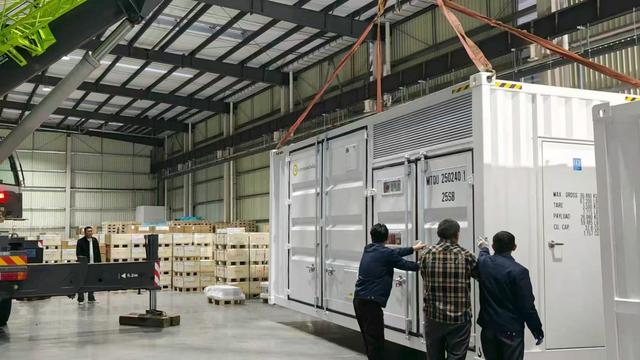
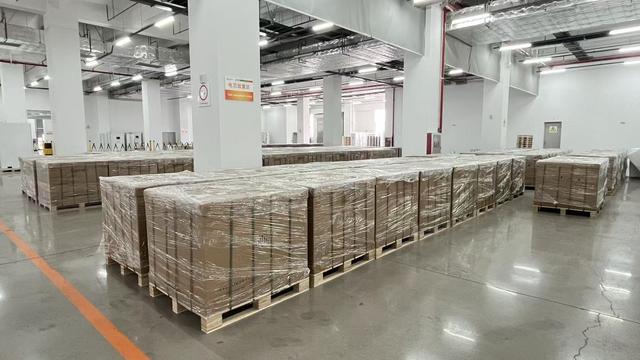
Furthermore, Chinese exporters benefit from direct access to leading material sciences and shipping infrastructure. Logistics networks centered around major ports like Ningbo-Zhoushan ensure that complete photovoltaic arrays, storage inverters, and heavy-duty structural mountings can be dispatched securely and efficiently to utility networks across North America, Europe, Asia, and Latin America. By eliminating intermediary processing delays, Chinese factories deliver significant cost reductions without compromising on technical execution.