As the global energy landscape undergoes an unprecedented paradigm shift, traditional centralized power grids are being augmented, and in some areas completely replaced, by smart, distributed photovoltaic (PV) infrastructures. The concept of a Solar Network Solution transcends the boundary of merely installing solar modules; it is the comprehensive integration of advanced silicon technology, intelligent power conversion, high-density energy storage, and localized microgrid coordination.
Globally, regulatory mandates, industrial carbon neutrality commitments, and the economic necessity of lowering the Levelized Cost of Energy (LCOE) are pushing enterprises to adopt utility-scale and commercial/industrial (C&I) solar infrastructures. A major bottleneck, however, remains system reliability under diverse climatic conditions and the seamless synchronization of PV output with local transmission grids. By positioning solar systems not as isolated power sources, but as interconnected node networks, contemporary design enables high-fidelity power flow control and dynamic load balancing.
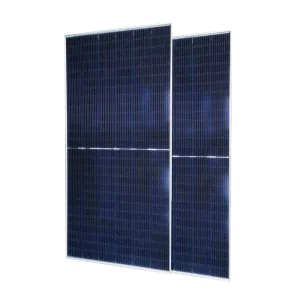
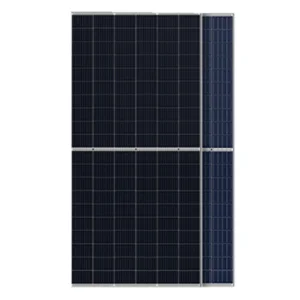
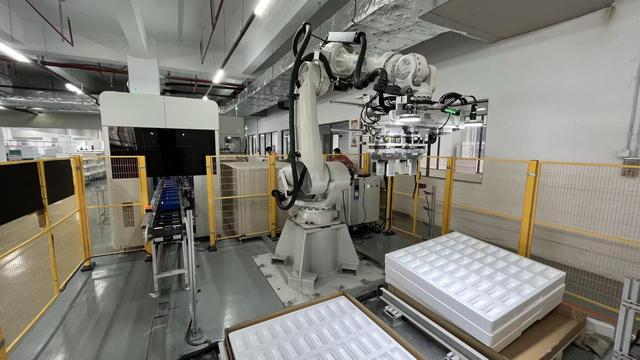
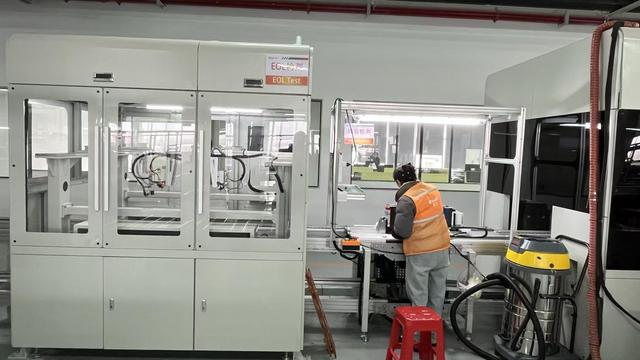
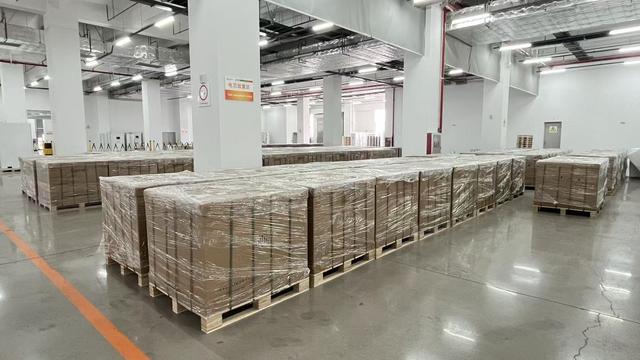
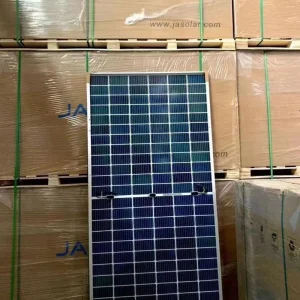
At the heart of high-performance Solar Network Solutions is advanced manufacturing. Ningbo GAF Solar Co., Ltd. is a dedicated manufacturer of monocrystalline, bifacial, and high-efficiency PV modules. Based in Ningbo, China—one of the world's premier industrial hubs for photovoltaic manufacturing and logistics—GAF Solar operates modern, fully automated production plants designed to translate clean energy materials into reliable, grid-ready infrastructure components.
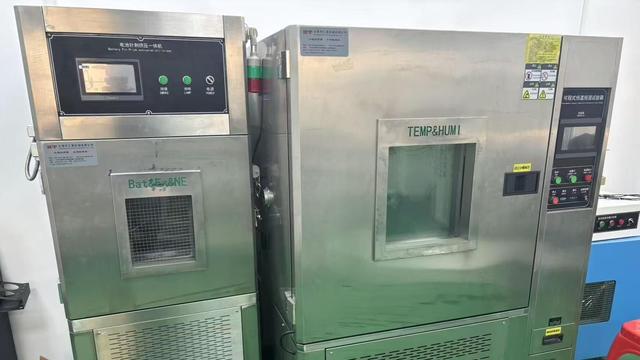
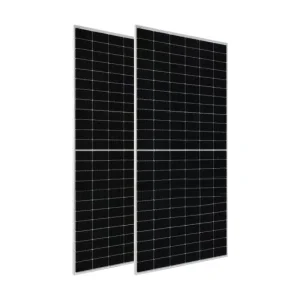
GAF Solar's manufacturing philosophy is anchored in strict, multi-stage quality control. From silicon ingot selection to automated stringer soldering, laminating, and EL (electroluminescence) testing, every single monocrystalline module is engineered to prevent micro-cracks, PID (Potential Induced Degradation), and hot-spot formations. By combining state-of-the-art automation lines with comprehensive performance testing, GAF Solar produces high-yield PV modules designed for commercial solar systems, industrial solar installations, and utility-scale solar farms globally.
In addition to standard catalog modules, the company provides robust OEM and ODM services. This capability enables solar EPCs, distributors, and private-label energy companies to customize specifications, racking options, and connection protocols to align with local grid requirements and structural load standards.
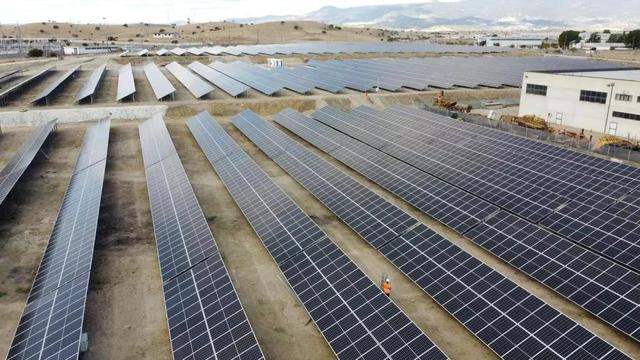
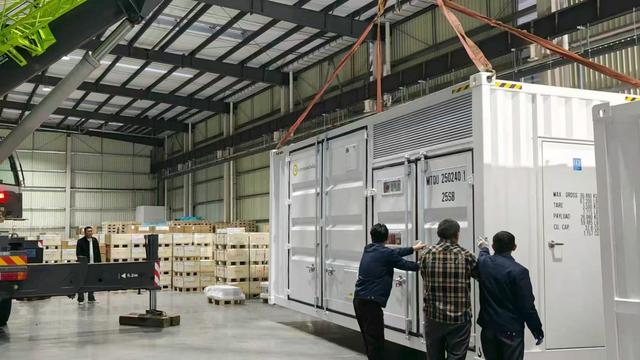
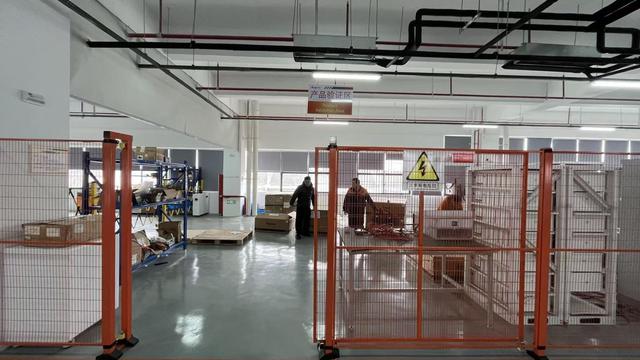
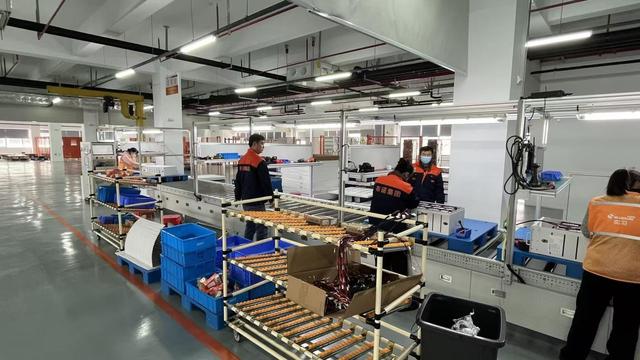
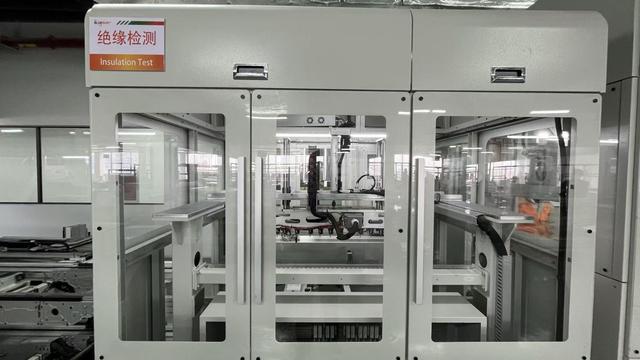
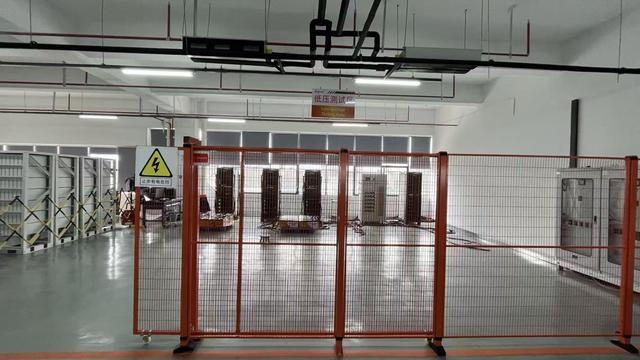
An optimal Solar Network Solution requires matching PV modules with engineered racking and energy management ecosystems. GAF Solar focuses on four core macro-solutions to address different operational, geographical, and grid constraints:
Engineered for corporate headquarters, cold storage facilities, and manufacturing complexes. We utilize high-density, low-weight monocrystalline modules paired with smart inverters to optimize peak-shaving, reduce grid dependence, and satisfy environmental ESG requirements.
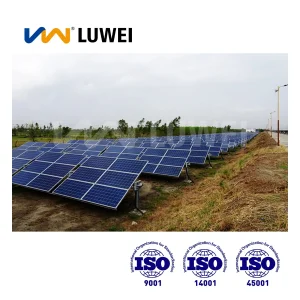
Designed to optimize Levelized Cost of Energy (LCOE) in large-scale installations. By integrating high-power bifacial solar modules with robust aluminum ground-mounted structures, developers can achieve up to a 25% bifacial energy gain from surface albedo reflection.
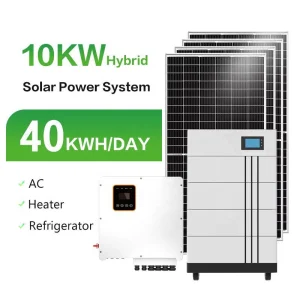
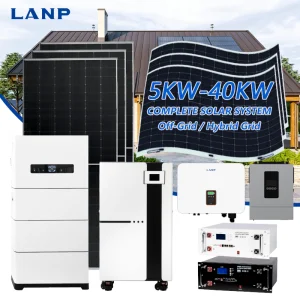
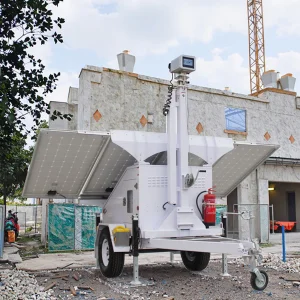
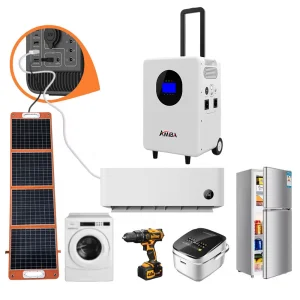
Complete microgrid solutions tailored for remote regions, island communities, and unstable grids. Combining high-efficiency PV arrays with integrated lithium battery energy storage systems (BESS) and intelligent hybrid inverters to ensure 24/7 power availability.
Our R&D roadmap is built on improving conversion efficiency, minimizing degradation rates, and enhancing physical durability. Below is a breakdown of GAF Solar's core technical focus areas:
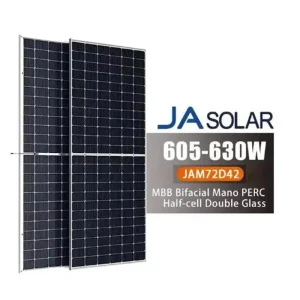
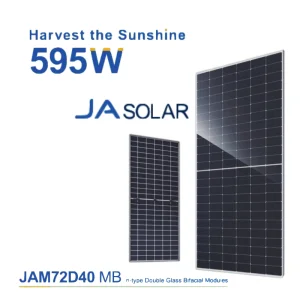
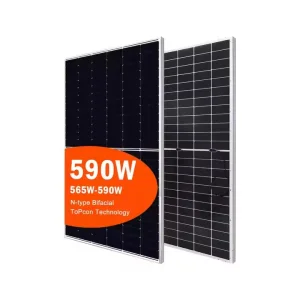
Modern commercial installations rely on high power-density configurations. GAF Solar transitioned its core module designs from standard poly-Si to P-Type PERC and N-type TOPCon (Tunnel Oxide Passivated Contact) cell structures. This technology features:
Photovoltaic networks are only as durable as their mounting structures. Wind uplift and seismic actions represent severe risks to utility-scale investments. To resolve this, our engineered aluminum mounting racks incorporate high-strength anodized aluminum alloys (AL6005-T5) and stainless steel fasteners (SUS304). By utilizing customizable concrete foundation structures, these systems achieve wind-load capacities of up to 60 m/s and snow-load resistance of up to 1.4 KN/m², protecting modules from structural twist and micro-cracking.
Expanding photovoltaic networks across continents requires alignment with local grid regulations, environmental mandates, and structural compliance codes. GAF Solar ensures that its entire export catalog meets or exceeds leading international certification programs.
Our product designs meet UL standards (such as UL 1703 / UL 61730), enabling fast permit approvals for local utilities and commercial projects throughout the United States and Canada.
Compliant with CE marking, TUV certification, and IEC 61215/61730 safety and reliability indexes. This guarantees safe integration with European low and medium-voltage grid distribution systems.
Specialized dust, salt-mist, and ammonia resistance certification (IEC 61701 & IEC 62716), ensuring high-reliability generation in desert settings, coastal operations, and agricultural applications.
To understand the versatility of GAF Solar's technology, let's explore three typical integration architectures:
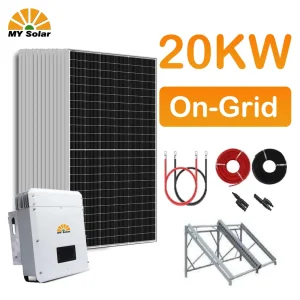
Remote mineral processing and infrastructure sites rely heavily on diesel generation. By integrating our high-capacity 10KW - 40KW Hybrid Solar Energy System Kits, operations can establish localized microgrids that combine PV generation with BESS backups, reducing fuel consumption by up to 60-70%.
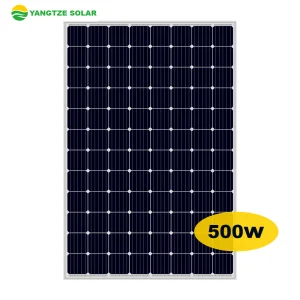
Logistics warehouses feature expansive roof areas ideal for solar harvesting. Utilizing our All-Black Aesthetic Design 550W - 590W Modules provides high power output per square meter and matches architectural design standards, converting unused space into a reliable revenue-generating asset.
Dual-use farming and energy systems require careful layout to allow machinery operation and plant growth. The structural versatility of our custom ground-mounted aluminum racking structures permits elevated designs with wider spans, providing shade for livestock or crops while generating electricity.
As the penetrative capacity of solar energy in the global grid rises, passive power systems are transitioning into active grid contributors. The next generation of Solar Network Solutions will integrate AI-driven intelligence at the module level.
GAF Solar's technology roadmap incorporates smart IoT-enabled junction boxes capable of transmitting real-time voltage, current, and temperature parameters to cloud-based diagnostic networks. By applying AI analysis, operators can identify dirt accumulation, shading issues, and electrical anomalies before they cause generation losses.
Additionally, the integration of AI-based weather forecasting algorithms with BESS dispatch protocols ensures that hybrid systems optimize charging and discharging cycles. This prevents battery degradation and maximizes energy output during high-tariff grid periods.
N-Type TOPCon panels provide a raw cell efficiency increase of about 1.5% to 2.0% compared to standard P-type PERC cells. More importantly, TOPCon offers a lower temperature coefficient (-0.30%/°C vs -0.35%/°C for PERC) and higher bifaciality (up to 85% vs 70% for PERC). This combination can result in an overall energy yield improvement of 5% to 12% depending on the installation environment and ground albedo.
Our aluminum ground-mounted racks are designed using finite element analysis (FEA) to withstand wind velocities of up to 60 m/s and snow loads up to 1.4 KN/m². We utilize high-grade anodized aluminum (AL6005-T5) and hot-dip galvanized steel connections, ensuring structural durability and corrosion resistance in marine, desert, and heavy industrial environments.
OEM/ODM customization starts with a technical assessment, including mechanical load limits, electrical parameter specifications, and junction box customization. After engineering drawing approval, prototyping takes 2 to 3 weeks. Mass production generally requires 4 weeks from order confirmation, followed by multi-stage quality control checks and pre-shipment container inspections.
Our hybrid systems integrate Smart Energy Management Systems (SEMS) within the hybrid inverter. When solar irradiance is insufficient, the SEMS automatically prioritizes critical loads, draws stored energy from the BESS down to a set depth of discharge (DoD), and can trigger auxiliary dry contacts to initiate backup diesel generators or utility grid bypass circuits if available.
 GAF Solar