
China Wholesale Energy Analytics Solutions Manufacturers & Supplier

Pioneering High-Efficiency Photovoltaic Systems, Smart Battery Storage, and Predictive Energy Management Infrastructures for Global Decarbonization.

Industrial-Grade Energy Analytics Solutions

A Technical Whitepaper on Driving System Yield, Predictive O&M, and Grid Compatibility in Global Solar Infrastructure.

22.8%
Module Efficiency
< 0.4%
Annual Degradation
100+
Exporting Countries
25 Yrs
Performance Warranty

1. Executive Summary: The Convergence of Photovoltaic Infrastructure and Data Intelligence

In the contemporary renewable energy landscape, raw power generation is no longer the sole benchmark of capital efficiency. As solar penetration increases globally, grid systems demand dynamic stabilization, predictable dispatching, and sub-second scale responsiveness. Consequently, Wholesale Energy Analytics Solutions have evolved from optional diagnostic tools into mission-critical architecture.

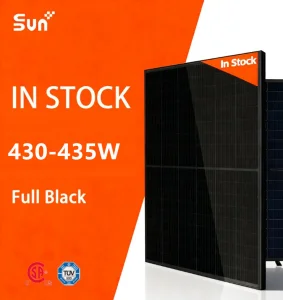
As a premier global manufacturer, Ningbo GAF Solar Co., Ltd. integrates state-of-the-art monocrystalline, bifacial, and flexible PV modules with intelligent telemetry. This union turns standard solar layouts into high-fidelity data nodes. By gathering physical system details (voltage curves, cell temperatures, and ambient irradiance) and analyzing them with advanced machine learning models, modern developers can optimize their Levelized Cost of Electricity (LCOE) while ensuring complete grid stability.

“The future of solar energy lies not just in capturing photons, but in orchestrating them. AI-driven data intelligence embedded directly into the physical PV layer represents the next leap in global energy transformation.”

2. Technical Edge of China Wholesale Energy Analytics Manufacturers

China's manufacturing sector has progressed beyond simple cost optimization to lead the world in hardware-software integration. Modern Chinese industrial hubs, particularly in regions like Ningbo, combine robust supply chains with cutting-edge electronics and software engineering. The advantages of sourcing complete energy solutions from Ningbo GAF Solar include:

Supply Chain Optimization

Direct proximity to core glass suppliers, junction box facilities, and high-purity silicon refiners minimizes transport delays and guarantees strict quality control standards from raw materials to final components.

Integrated IoT Hardware

By building sensors directly into hybrid inverters, smart junction boxes, and battery management systems (BMS), we bypass the need for third-party monitoring add-ons, reducing overall system complexity and points of failure.

Economies of Scale

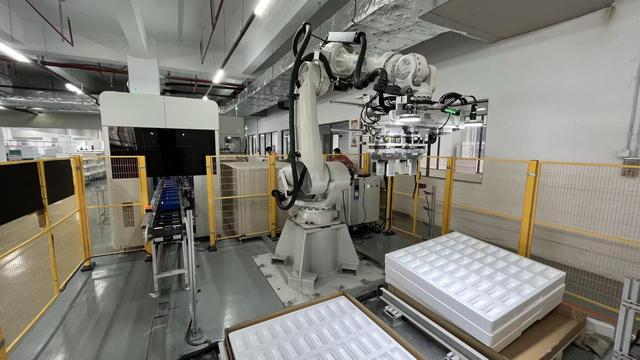
Automated stringers, advanced laminators, and dual EL (Electroluminescence) testing setups allow us to deliver tier-1 quality at a competitive wholesale price point, making smart solar grids globally viable.

This structural advantage allows global EPC contractors and system integrators to secure high-performance equipment (such as N-type bifacial modules, custom home energy systems, and scale-ready lithium-ion solutions) alongside integrated telemetry and cloud management capabilities.

3. Global Technology Trends in Smart Energy Infrastructure

The shift toward intelligent energy goes beyond basic monitoring. Modern systems utilize advanced telemetry to improve performance, enhance battery safety, and stabilize grid integration:

  • AI-Driven Yield Forecasting: Machine learning algorithms process regional meteorological data and real-time solar degradation profiles to forecast energy output up to 72 hours in advance. This enables smart microgrids to trade energy dynamically and manage peak demands with high precision.
  • State-of-Health (SoH) Cell Analytics: By continuously tracking charge/discharge curves in LiFePO4 batteries (such as BYD storage platforms), integrated software pinpoints individual cell degradation, balancing packs actively to extend overall system lifespans by up to 30%.
  • Automated Predictive Maintenance: Real-time string monitoring isolates dirt accumulation, micro-cracks, and bypass diode failures immediately, directing maintenance crews to exact coordinates and preventing broader array performance drops.

By deploying high-quality monocrystalline panels alongside edge computing nodes, GAF Solar installations provide the detailed datasets required by utilities, investment groups, and corporate buyers seeking highly predictable energy outputs.
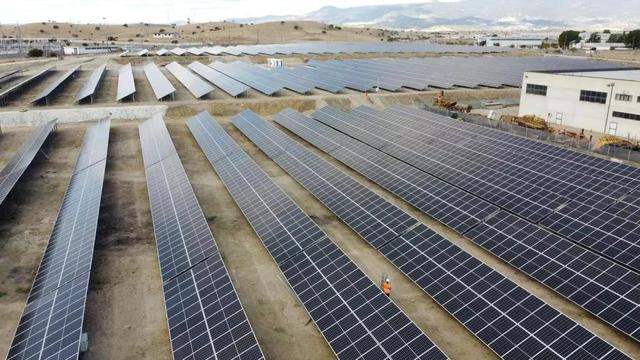
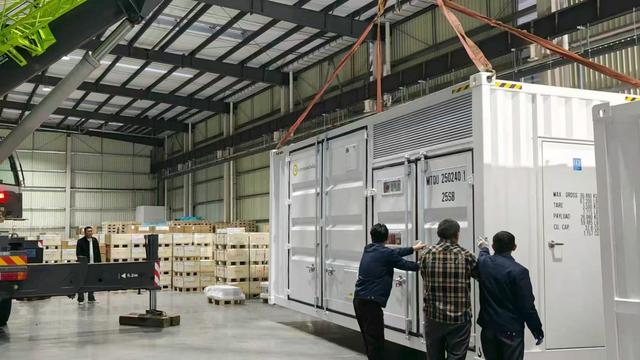
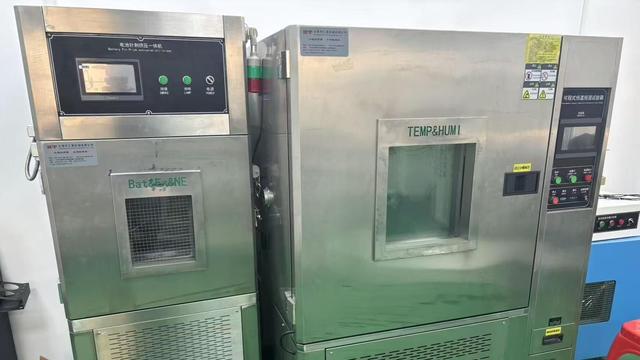
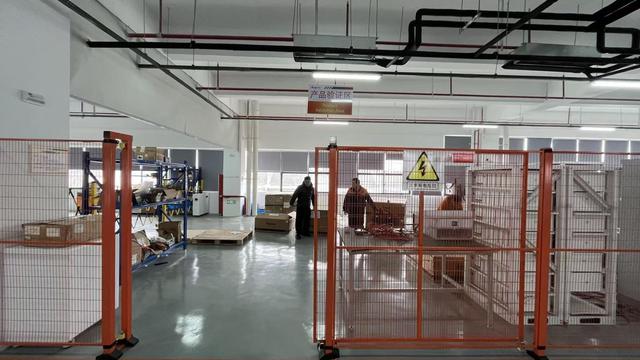
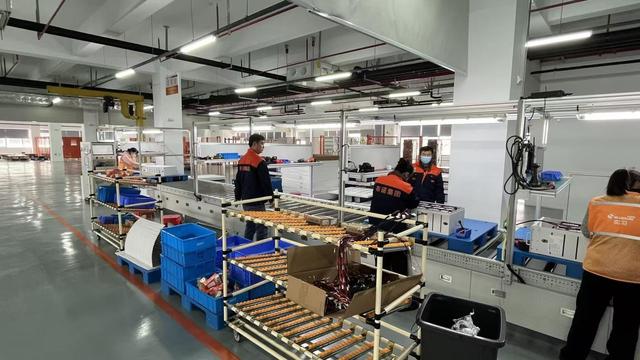
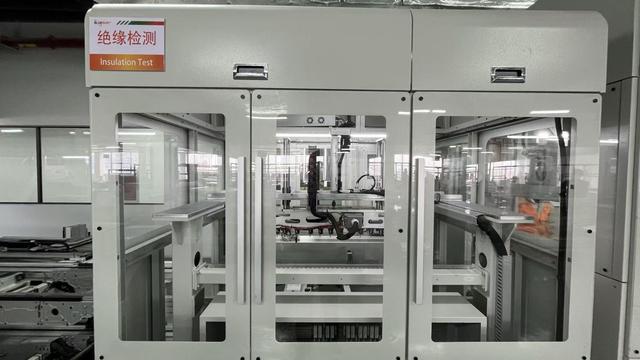
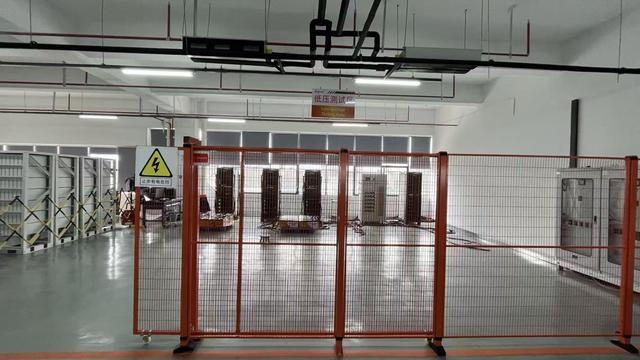
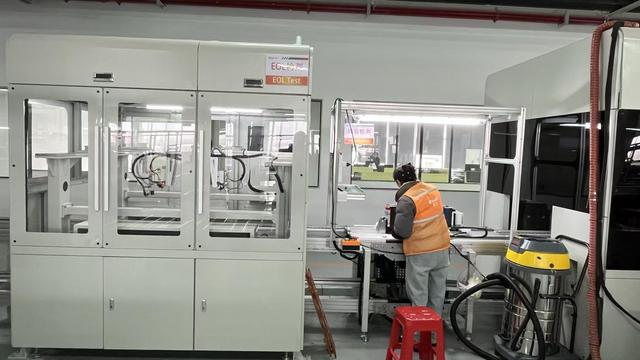
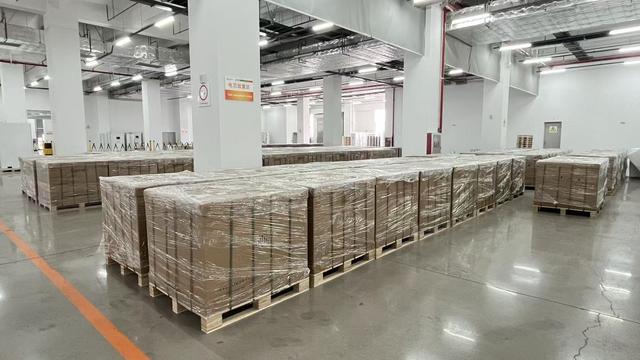
Modern Manufacturing & Quality Control Facilities

Take a virtual tour of our automated solar panel production line and engineering centers in Ningbo, China.

4. Cross-Industry Deployment Scenarios

Clean energy analytics are highly adaptable, bringing value to diverse application environments:

Commercial & Industrial (C&I)

By pairing high-power bifacial solar arrays with edge-connected battery storage, businesses can reduce demand charges and participate in demand response markets through automated energy scheduling.

Smart Residential Microgrids

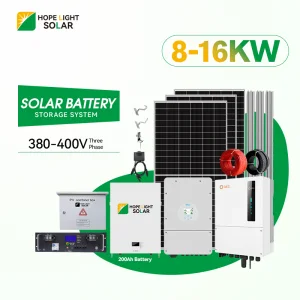
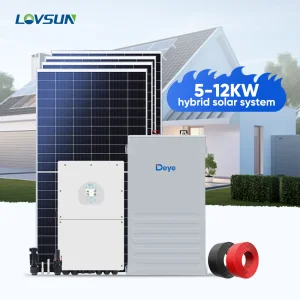
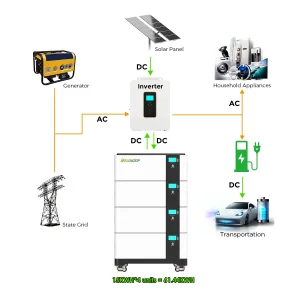
Using 3-phase hybrid inverters alongside home batteries helps residential users optimize consumption in real time, switching dynamically between grid energy, PV panels, and battery storage.

Off-Grid Marine & RV Systems

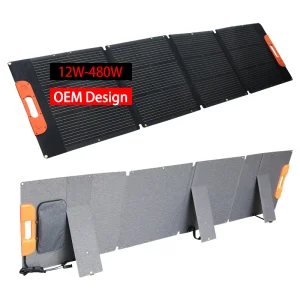
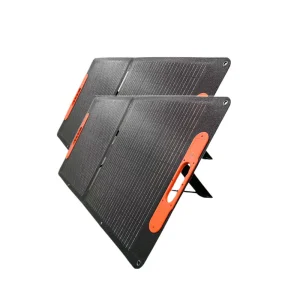
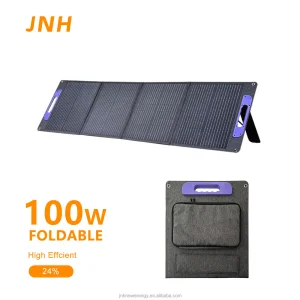
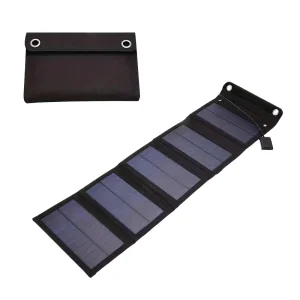
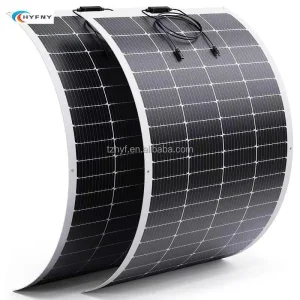
Flexible and portable monocrystalline panels, when paired with smart charge controllers, provide reliable power tracking and system status updates for mobile and off-grid setups.

By deploying customized sensors and communications boards at the factory level, GAF Solar ensures that every solar configuration can easily integrate with local SCADA networks or cloud monitoring platforms.

5. OEM & ODM Customization: Built to Your Technical Specifications

Ningbo GAF Solar Co., Ltd. provides comprehensive OEM and ODM support for developers, distributors, and EPC contractors globally:

  • Custom System Configuration: We design and pre-configure custom setups matching specific voltage, mounting, and monitoring requirements.
  • Tailored Communication Protocols: We integrate specialized communication interfaces (such as Modbus/TCP, CAN bus, and custom APIs) to align with existing energy management software.
  • Certified Design & Testing: Every custom configuration is thoroughly evaluated in our testing facility, ensuring adherence to international wind load, snow load, and electrical safety standards.

Frequently Asked Questions

Technical answers to common questions about sourcing energy analytics systems and smart solar technology.

How do energy analytics solutions improve solar system return on investment (ROI)?

Energy analytics systems optimize ROI by reducing operational downtime and improving performance tracking. They automatically flag issues like shading or micro-cracks, ensuring the system operates at peak efficiency. They also enable smart battery dispatching, letting users offset utility charges and maximize self-consumption.

What is the difference between monocrystalline, bifacial, and flexible panels?

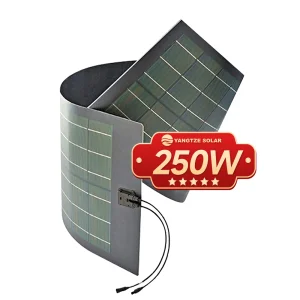
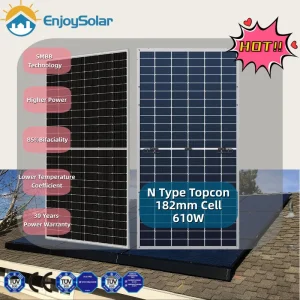
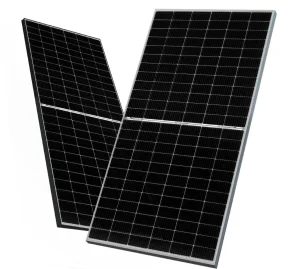
Monocrystalline panels offer high efficiency and durability for standard rooftop setups. Bifacial panels feature transparent backsheets to capture reflected light from the ground, boosting overall energy generation in open spaces. Flexible panels use thin-film or lightweight monocrystalline structures, making them ideal for curved, weight-sensitive surfaces like RVs and boats.

How do GAF Solar systems integrate with existing battery setups like BYD?

Our systems are designed for plug-and-play integration with leading high-voltage and low-voltage energy storage systems. They use standardized CAN/RS485 communication protocols, allowing our smart hybrid inverters to interface with the battery management system (BMS) for real-time monitoring and control.

What certifications do your solar panels and inverters hold?

Ningbo GAF Solar modules are fully certified to international standards including IEC 61215, IEC 61730, CE, TUV, and UL. These certifications verify that our products meet rigorous safety, durability, and performance benchmarks for global commercial and industrial applications.

Can the monitoring systems operate in areas with limited internet access?

Yes, our systems include local data logging features that store system information on-site when connections are down. The systems automatically sync with the cloud platform once an active cellular, Wi-Fi, or satellite link is restored.