Integrate robust solar hardware directly with utility and localized smart grids. Explore our core export inventory.
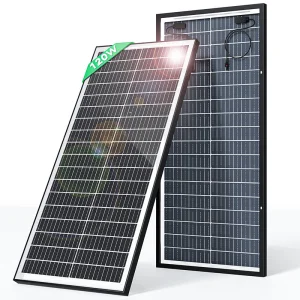
Modern electrical infrastructure is undergoing a fundamental structural transition. Legacy grid networks rely on unidirectional energy transfer from centralized fossil-fuel power stations. In contrast, today's Smart Grid technology ecosystems leverage bidirectional power flows, real-time communications, and distributed energy resources (DERs) to balance variable load profiles dynamically.
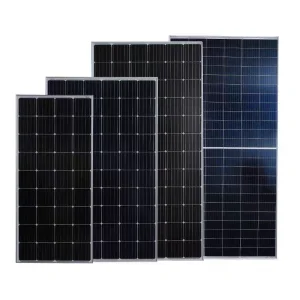
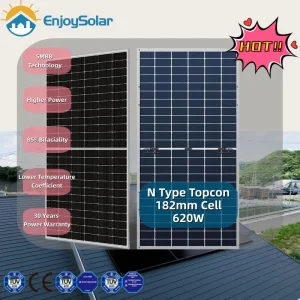
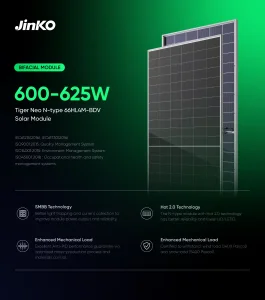
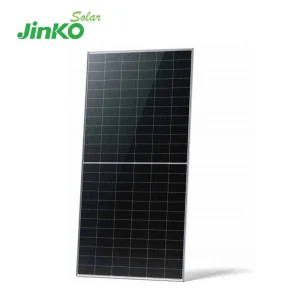
At the center of this transformation lies high-efficiency solar energy generation. By pairing next-generation PV modules with smart-grid interfaces, utilities and corporate operators can achieve maximum efficiency, grid resilience, and drastic carbon abatement. The deployment of high-power modules (such as N-Type TOPCon and dual-glass bifacial layouts) provides the physical generation base required for utility-scale balancing, local commercial peak shaving, and flexible residential microgrid integration.
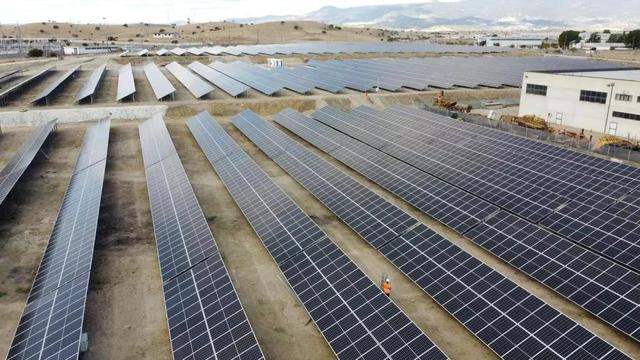
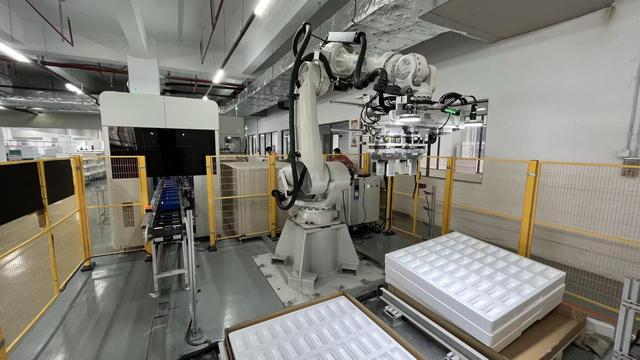
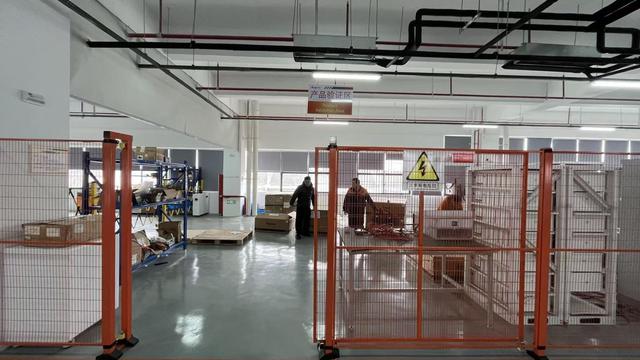
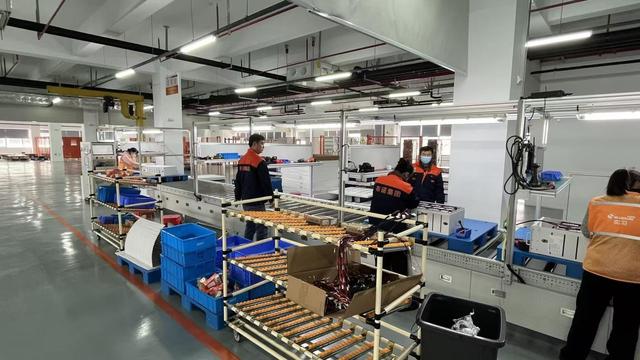
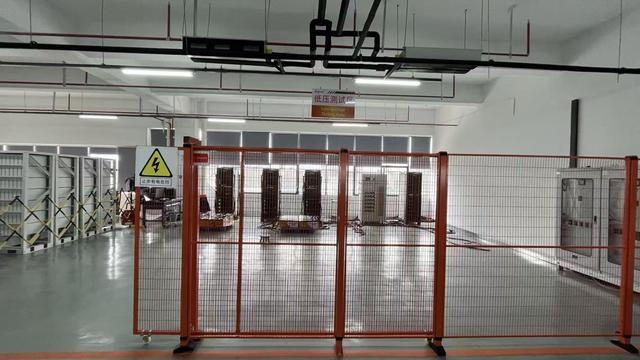
Ningbo, China stands at the epicenter of global solar supply chain efficiency. Modern automated assembly, strict material compliance, and port logistics coalesce to guarantee unmatched production speed and product viability.
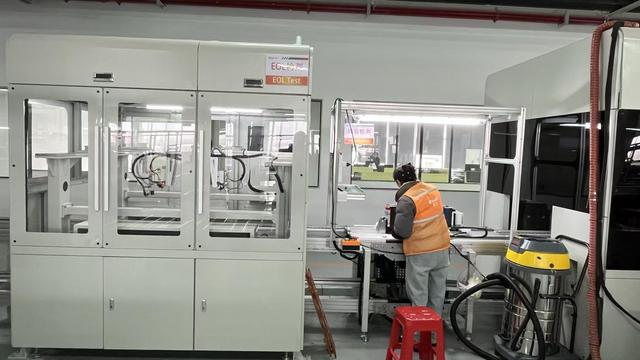
Modern production facilities utilize high-precision robotics for cell cutting, stringing, and lamination. Automation reduces human error to near zero, maintaining consistent structural tolerances for glass, encapsulants, and frame bonding.
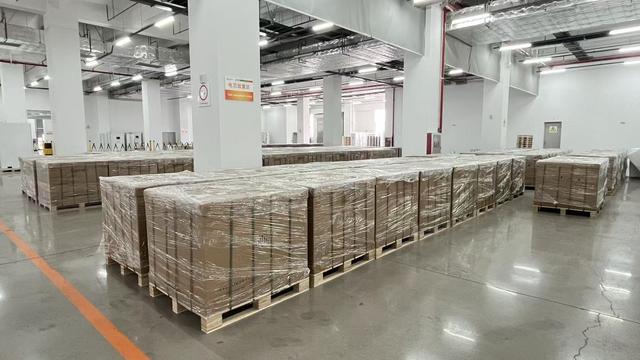
Located near major ocean port infrastructure in Ningbo, the supply chain integrates silicon procurement, junction box electronics manufacturing, and frame extrusion within a single localized geographical circle, driving down costs and transit time.
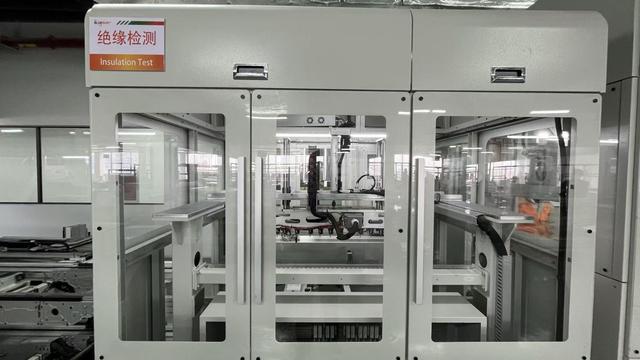
Every single module undergoes double electroluminescence (EL) testing to detect micro-cracks before and after lamination. Complete traceability metrics ensure every product meets CE, TUV, and UL guidelines prior to exportation.
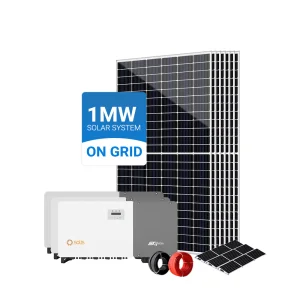
Photovoltaic hardware acts as the physical engine for diverse smart grid deployment setups. From vast open terrain to urban spaces, modern custom systems must fit precise local operational environments.
High-power bifacial solar arrays (e.g. 590W to 800W) are installed on factory roofs to generate electricity during peak-tariff hours. Integrated with modern energy storage systems, they allow facility managers to shave peak demand, lowering operations costs while maintaining grid safety.
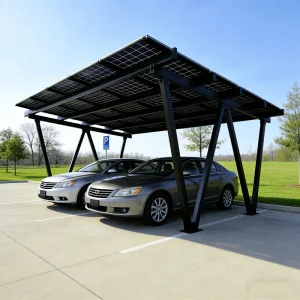
Waterproof photovoltaic carport structures transform parking lots into utility hubs. By deploying high-durability double-glass modules overhead, these systems power electric vehicle charging hubs directly, feeding excess capacity back to the main local electrical grid during down hours.
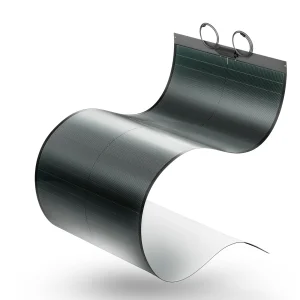
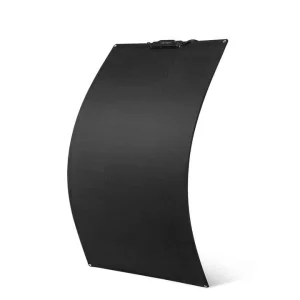
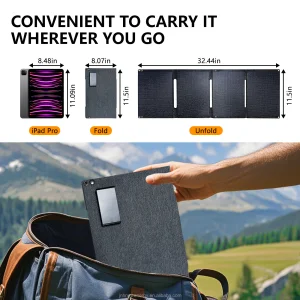
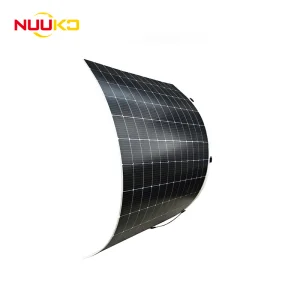
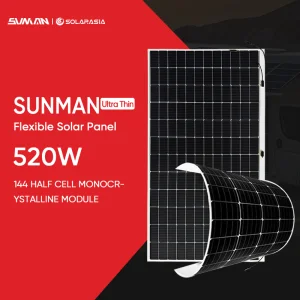
For geographical zones disconnected from high-voltage transmission, lightweight, IP68-rated flexible ETFE solar modules allow off-grid installations on boats, vehicles, and temporary structures. When combined with battery blocks, they form self-sustaining microgrids that supply off-grid reliability.
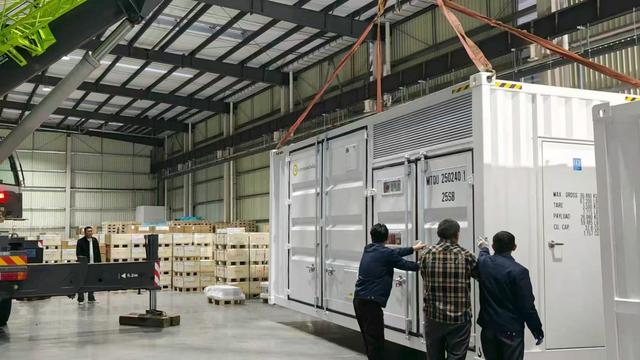
The global renewable sector is rapidly shifting standard designs to push efficiency past historical limits. Here are the prominent engineering breakthroughs changing solar-grid interaction:
For international developers, utility operators, and distributors, raw panel efficiency is only part of the equation. Sourcing reliable equipment requires a comprehensive focus on regulatory compliance, customization depth, and supply safety.
Enterprise buyers require unique electrical modifications, personalized label structures, and mechanical customizations. Our factory processes enable complete private-label branding, customized junction box wire lengths, and tailored structural frames to match pre-engineered mounting brackets.
Unrestricted custom clearance demands complete regulatory certification. Sourced equipment must hold valid CE, TUV, and MCS approvals, certifying that the PV hardware aligns with European and American electrical safety grid regulations.
Modern developers require supply-chain clarity. From quartz raw material sourcing to wafer slicing and frame extrusion, complete process logs protect developers against trade barriers and component inconsistencies.
Ningbo GAF Solar Co., Ltd. is a professional Solar Panel Manufacturer | Monocrystalline, Bifacial & High Efficiency PV Modules dedicated to providing reliable solar energy solutions for residential, commercial, industrial, and utility-scale applications worldwide. With a strong commitment to renewable energy innovation, the company delivers advanced photovoltaic products designed to maximize energy generation, efficiency, and long-term performance.
Based in Ningbo, China, GAF Solar operates modern manufacturing facilities equipped with advanced production technologies, automated assembly lines, and comprehensive quality control systems. The company specializes in the development and production of monocrystalline solar panels, bifacial solar modules, high-efficiency photovoltaic panels, rooftop solar solutions, commercial solar systems, industrial solar installations, and customized PV energy projects.
GAF Solar focuses on technological innovation and product reliability. By utilizing premium-grade solar cells, durable materials, and precision manufacturing processes, the company produces solar modules capable of delivering excellent power output, superior weather resistance, and long operational lifespans. Every product undergoes rigorous testing and quality inspections to ensure compliance with international standards and the demanding requirements of global energy markets.
In addition to manufacturing high-performance solar panels, GAF Solar offers comprehensive OEM and ODM services, supporting distributors, EPC contractors, solar developers, energy solution providers, and private-label brands. The company provides flexible customization options, professional technical support, and efficient project coordination from design and production to shipment and after-sales service.
Serving customers across North America, Europe, Southeast Asia, the Middle East, Africa, and Latin America, Ningbo GAF Solar Co., Ltd. has established a reputation for quality, reliability, and customer-focused service. Through continuous innovation and sustainable manufacturing practices, the company remains committed to accelerating the global transition toward clean, renewable energy and creating long-term value for partners around the world.
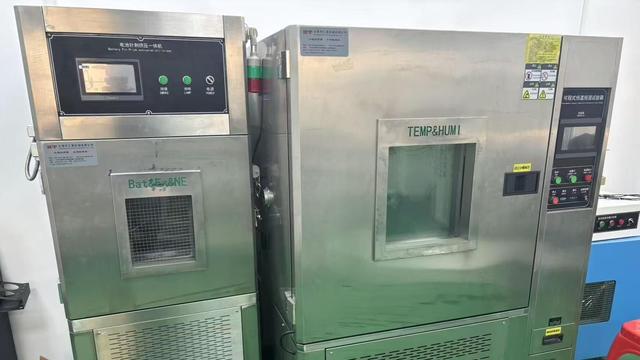
Get professional technical explanations regarding product customization, technology integration, and global supply logistics.
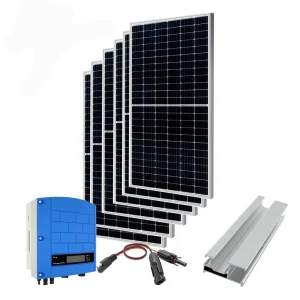
Explore high-capacity, certified solar panel packages ready for immediate global deployment.
 GAF Solar