The integration of agricultural practices and photovoltaic power generation, commonly referred to as Agri-PV or Agrophotovoltaics, represents one of the most promising technological paradigms in sustainable land management. Traditionally, solar installations faced severe regulatory and societal pushback due to competition for fertile land. Agri-PV solves this friction point by allowing dual land use: harvesting the sun's photons simultaneously for electrical energy and food crops.
In the current global industrial landscape, governments in the European Union, Japan, China, and the United States are actively offering subsidies, specialized feed-in tariffs, and fast-track permit frameworks to scale up agricultural solar cells. The economic benefit is straightforward: farmers acquire a stable, secondary revenue stream protected from weather volatility, while energy developers secure access to vast land resources. As global warming leads to increasingly volatile weather conditions, agricultural solar frameworks are no longer considered merely a niche alternative, but a critical element of global food-water-energy nexus resilience.
Procuring solar modules for agricultural applications requires an entirely different technical framework than purchasing standard utility-scale or residential solar panels. Agri-PV environments expose PV modules to extreme challenges, including elevated humidity from crop transpiration, chemical vapors from ammonia in livestock facilities, and significant dust deposits from active farming operations.
To address these challenges, enterprise procurement managers must focus on key specifications:
Crops require specific wavelengths within the Photosynthetically Active Radiation (PAR) spectrum. Procurement requirements specify dynamic light transmissivity percentages (ranging from 20% to 50%) built directly into semi-transparent solar cells or achieved via precise physical spacing of cells on glass-glass backsheets.
Standard EVA backsheets easily degrade under constant ammonia exposure found near cattle and swine farms. B2B contracts demand verified IEC 62716 (Ammonia Corrosion Testing) and IEC 61701 (Salt Mist Corrosion Testing) certifications to ensure a 25-to-30-year operational lifecycle.
Modules must be integrated into structural supports exceeding heights of 3 meters to allow tractors and heavy agricultural equipment to pass underneath. This elevation subjects modules to intense wind-shear stresses, requiring advanced mechanical load ratings (up to 5400 Pa front side, 2400 Pa back side).
Developing commercial agricultural solar arrays requires a comprehensive, holistic approach that blends agronomical requirements with advanced electrical engineering. A single design template cannot serve every location. High-performing global solutions prioritize customized systems built specifically to support local ecosystems, soils, and crop characteristics.
Engineered for high-value orchard crops and berries. The overhead structure supports modules that shield delicate plants from extreme heat waves, severe hail, and excessive UV exposure. This setup reduces evapotranspiration, yielding water conservation levels up to 30%.
Utilizing intelligent algorithmic tracking systems, these modules actively rotate to balance solar energy capture with crop light requirements. When sensors detect low light intensity (PAR values drop below target limits), the modules rotate to a vertical position to maximize sunlight reach to the soil.
Ideally suited for vast pasturelands and standard cereal farming (wheat, soy, corn). The vertical orientation is highly compatible with heavy machinery, maximizing arable space. Additionally, this layout produces unique dual-peak power curves in the morning and evening, matching peak consumer demand.
As the solar industry migrates toward higher performance limits, agricultural solar cells are undergoing a rapid technological evolution. The transition from p-type passivated emitter and rear cell (PERC) technology to n-type architectures like Tunnel Oxide Passivated Contact (TOPCon) and Heterojunction Technology (HJT) is now standard for leading manufacturers.
Focusing on maximizing back-side energy absorption. Modern N-Type HJT cells provide a bifaciality factor exceeding 85%. This allows vertical fence arrays and high-clearance structures to capture massive albedo light bouncing off crop foliage and reflective soil surfaces.
The implementation of organic and perovskite-silicon tandem cells designed to reflect or transmit photosynthetic light bands while utilizing infrared and ultraviolet spectra to produce electricity. This technology represents the ultimate convergence of agronomical health and power optimization.
Connecting smart tracking solar panels with IoT soil moisture indicators, crop sensors, and meteorological arrays. This unified network dynamically adjusts panel orientation to mitigate frost damage, reduce soil water loss, and maximize crop protection during sudden severe storms.
Ningbo GAF Solar Co., Ltd. is a professional Solar Panel Manufacturer | Monocrystalline, Bifacial & High Efficiency PV Modules dedicated to providing reliable solar energy solutions for residential, commercial, industrial, and utility-scale applications worldwide. With a strong commitment to renewable energy innovation, the company delivers advanced photovoltaic products designed to maximize energy generation, efficiency, and long-term performance.
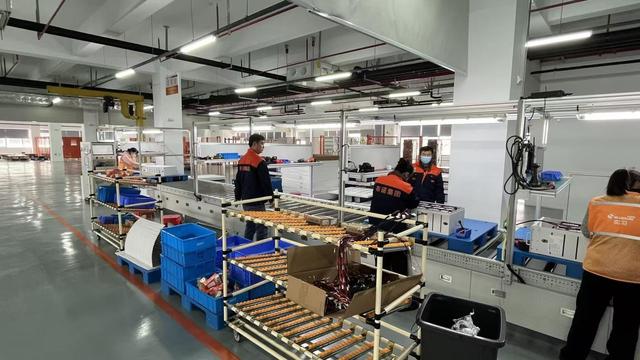
Based in Ningbo, China, GAF Solar operates modern manufacturing facilities equipped with advanced production technologies, automated assembly lines, and comprehensive quality control systems. The company specializes in the development and production of monocrystalline solar panels, bifacial solar modules, high-efficiency photovoltaic panels, rooftop solar solutions, commercial solar systems, industrial solar installations, and customized PV energy projects.
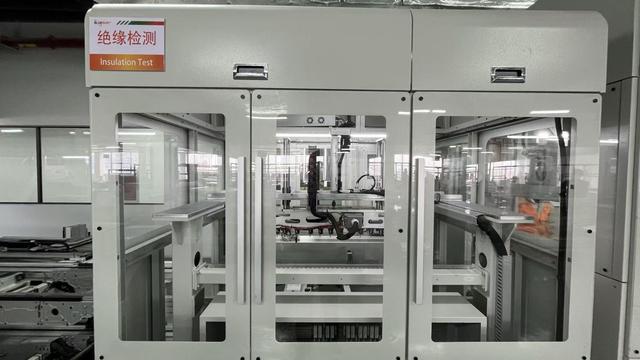
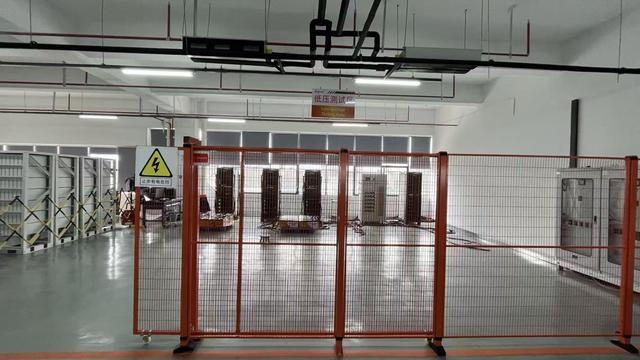
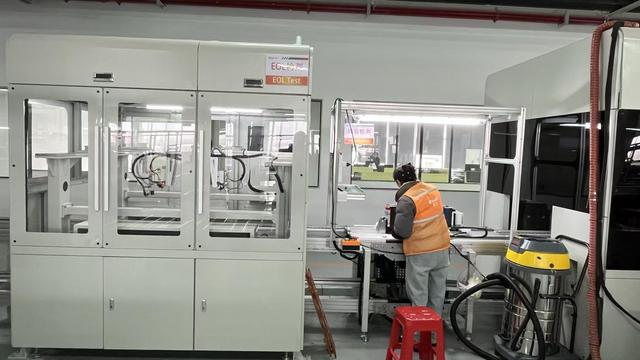
GAF Solar focuses on technological innovation and product reliability. By utilizing premium-grade solar cells, durable materials, and precision manufacturing processes, the company produces solar modules capable of delivering excellent power output, superior weather resistance, and long operational lifespans. Every product undergoes rigorous testing and quality inspections to ensure compliance with international standards and the demanding requirements of global energy markets.
In addition to manufacturing high-performance solar panels, GAF Solar offers comprehensive OEM and ODM services, supporting distributors, EPC contractors, solar developers, energy solution providers, and private-label brands. The company provides flexible customization options, professional technical support, and efficient project coordination from design and production to shipment and after-sales service.
Serving customers across North America, Europe, Southeast Asia, the Middle East, Africa, and Latin America, Ningbo GAF Solar Co., Ltd. has established a reputation for quality, reliability, and customer-focused service. Through continuous innovation and sustainable manufacturing practices, the company remains committed to accelerating the global transition toward clean, renewable energy and creating long-term value for partners around the world.
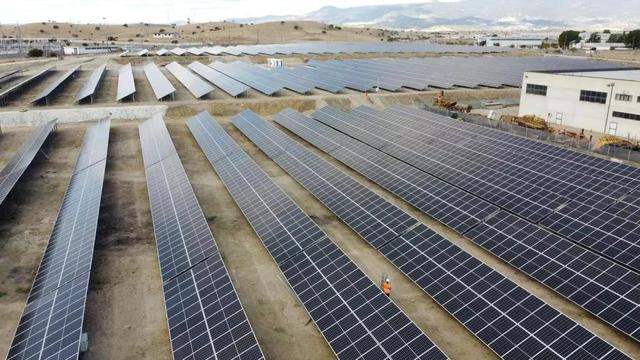
A critical factor for any large-scale international agricultural solar procurement initiative is compliance with local safety standards, construction codes, and electrical grid requirements. Leading manufacturers design systems to conform with regional certification systems, assuring safety and grid compatibility across continents:
In the European market, structural configurations must strictly adhere to Eurocode standards (EN 1991) to guarantee wind and snow load performance on elevated frame setups. In North America, certifications such as UL 1703 and UL 61730 are essential to qualify for commercial development credits and local grid connection permits. Furthermore, panels installed near active livestock operations must obtain certified ammonia resistance classifications under IEC 62716. Having accessible regional engineering partners ensures fast installation assistance, local support, and rapid warranty service, which reduces risk and improves the lifetime value of Agri-PV installations.
 GAF Solar