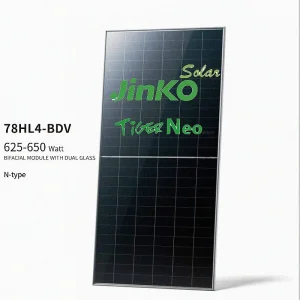
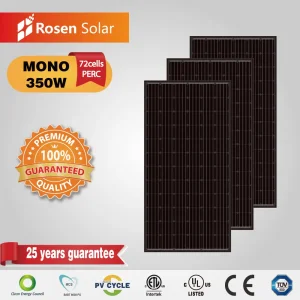
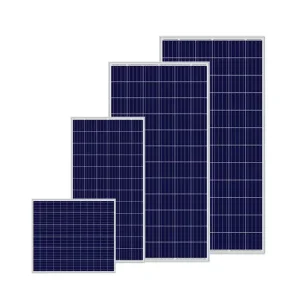
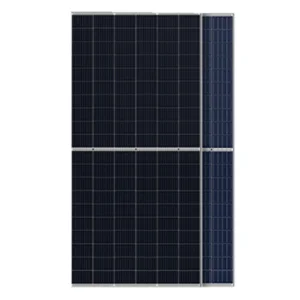
Explore our selection of top-tier solar panels, greenhouse panels, and specialized mounting solutions manufactured to strict international quality benchmarks.
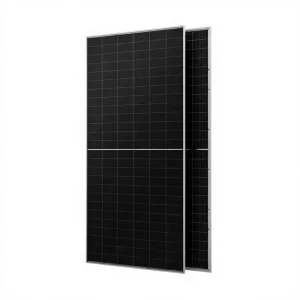
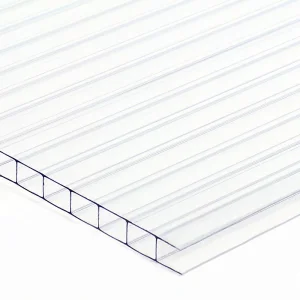
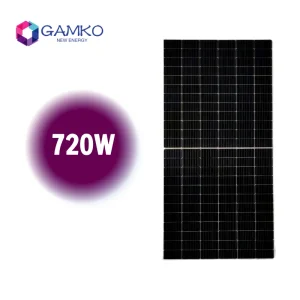
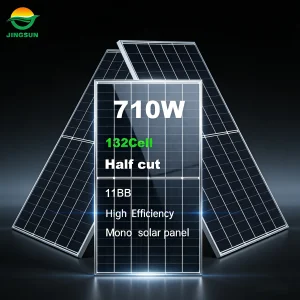
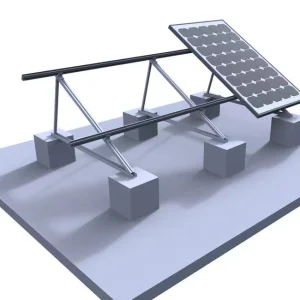
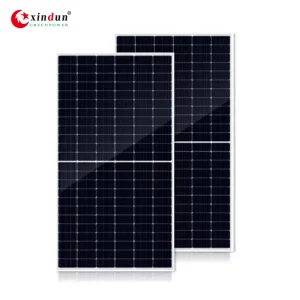
The global PV landscape is experiencing a paradigm shift towards technologies that offer higher return on investment (ROI) and lower Levelized Cost of Energy (LCOE). Bifacial solar technology stands at the forefront of this evolution. Unlike traditional monofacial panels, bifacial cells generate clean power from both sides, capturing reflected light from the ground—commonly known as the albedo effect.
As commercial developers, utility EPC contractors, and global solar module distributors look to align with Tier 1 and highly reliable Tier 2 exporters, verifying key performance metrics becomes critical. Industry leaders like Ningbo GAF Solar Co., Ltd. represent the pinnacle of high-capacity output, premium raw materials, and extensive OEM/ODM manufacturing capability.
Selecting the best bifacial solar modules involves identifying the underlying cell architecture. Monocrystalline P-Type PERC (Passivated Emitter and Rear Cell), N-Type TOPCon, and N-Type HJT offer different performance metrics under varying environmental conditions.
| Cell Architecture Type | Bifaciality Factor | Temperature Coefficient | First Year Degradation | Annual Degradation Rate | Primary Application Recommendation |
|---|---|---|---|---|---|
| P-Type PERC | 70% - 75% | -0.35% / °C | < 2.0% | ~0.55% | Cost-sensitive utility-scale projects with moderate albedo surfaces. |
| N-Type TOPCon | 80% - 85% | -0.30% / °C | < 1.0% | ~0.40% | Commercial projects, tracking systems, high-temperature locations. |
| N-Type HJT (Heterojunction) | 85% - 93% | -0.26% / °C | < 1.0% | ~0.37% | Ultra-high performance systems, regions with high snow cover or sand. |
An optimized N-type structure completely eliminates Light-Induced Degradation (LID) and exhibits minimal LeTID (Light and Elevated Temperature Induced Degradation). This translates to an estimated 3% to 8% higher energy yield over the lifetime of the project compared to P-type components.
Ningbo GAF Solar Co., Ltd. is a professional Solar Panel Manufacturer | Monocrystalline, Bifacial & High Efficiency PV Modules dedicated to providing reliable solar energy solutions for residential, commercial, industrial, and utility-scale applications worldwide. With a strong commitment to renewable energy innovation, the company delivers advanced photovoltaic products designed to maximize energy generation, efficiency, and long-term performance.
Based in Ningbo, China, GAF Solar operates modern manufacturing facilities equipped with advanced production technologies, automated assembly lines, and comprehensive quality control systems. The company specializes in the development and production of monocrystalline solar panels, bifacial solar modules, high-efficiency photovoltaic panels, rooftop solar solutions, commercial solar systems, industrial solar installations, and customized PV energy projects.
GAF Solar focuses on technological innovation and product reliability. By utilizing premium-grade solar cells, durable materials, and precision manufacturing processes, the company produces solar modules capable of delivering excellent power output, superior weather resistance, and long operational lifespans. Every product undergoes rigorous testing and quality inspections to ensure compliance with international standards and the demanding requirements of global energy markets.
In addition to manufacturing high-performance solar panels, GAF Solar offers comprehensive OEM and ODM services, supporting distributors, EPC contractors, solar developers, energy solution providers, and private-label brands. The company provides flexible customization options, professional technical support, and efficient project coordination from design and production to shipment and after-sales service.
Serving customers across North America, Europe, Southeast Asia, the Middle East, Africa, and Latin America, Ningbo GAF Solar Co., Ltd. has established a reputation for quality, reliability, and customer-focused service. Through continuous innovation and sustainable manufacturing practices, the company remains committed to accelerating the global transition toward clean, renewable energy and creating long-term value for partners around the world.
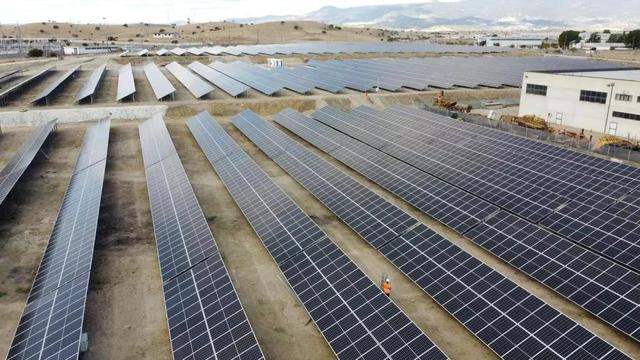
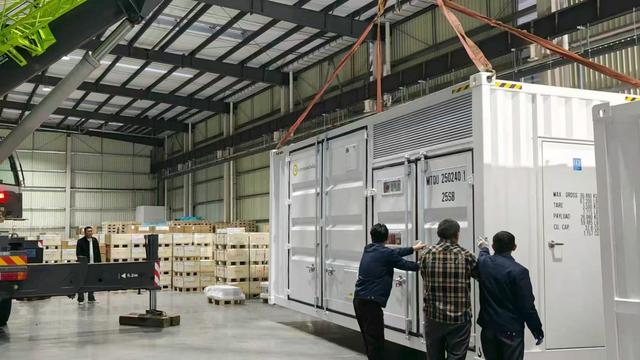
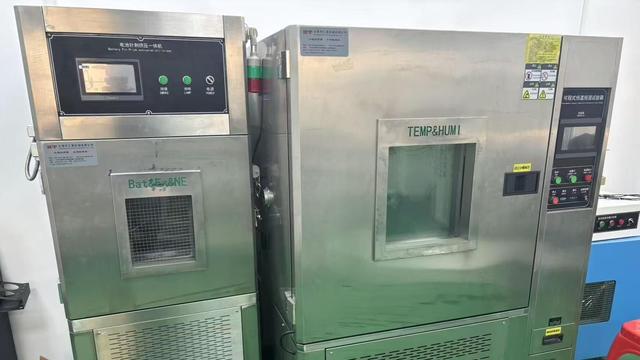
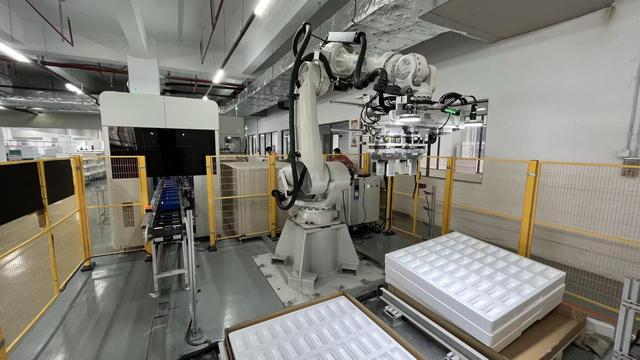
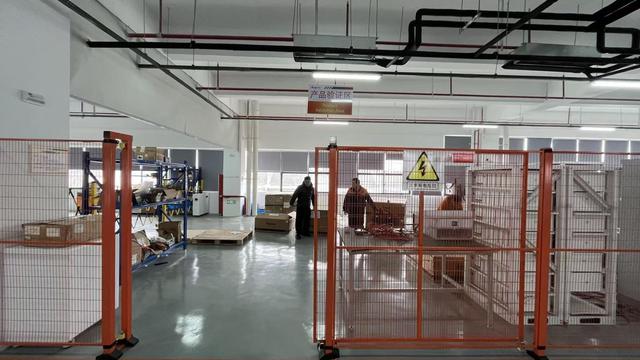
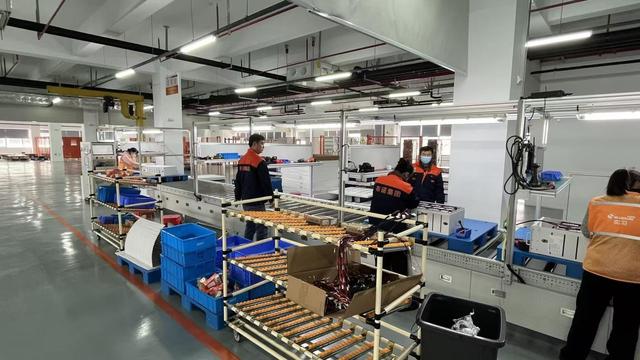
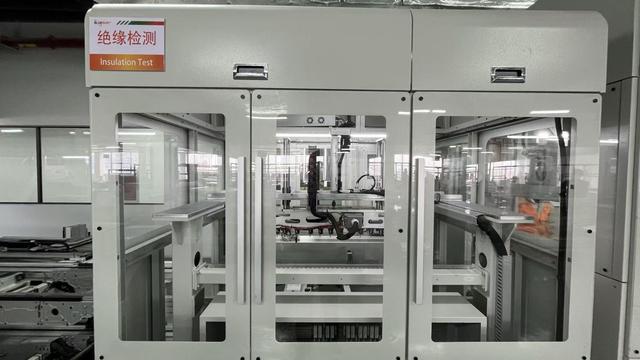
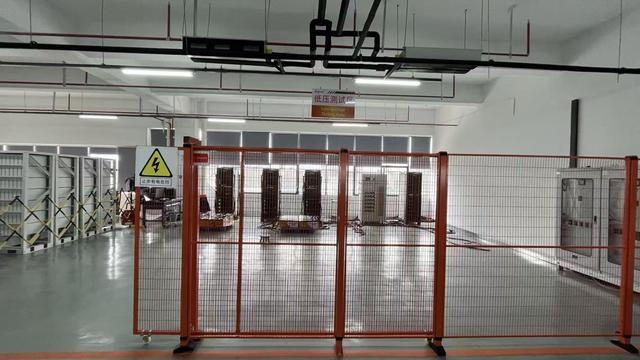
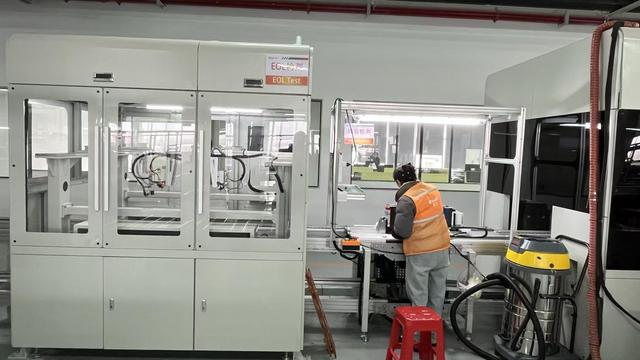
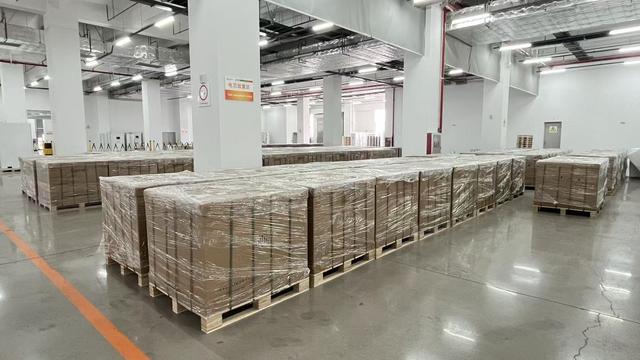
High-resolution look at the state-of-the-art production environments, automation corridors, and rigorous testing setups deployed at Ningbo GAF Solar facilities:
For international buyers looking to scale solar deployment, sourcing directly from Chinese manufacturing clusters offers unmatched logistical and technological leverage. Ningbo, in particular, stands out as a global epicenter for export-ready renewable hardware.
Chinese factories are situated in close proximity to major raw material processors. Silicon ingots, wafers, EVA/POE encapsulant films, junction boxes, and solar-grade glass are manufactured in neighboring industrial parks, radically reducing upstream shipping times and production costs.
Operating from Ningbo guarantees immediate access to the Port of Ningbo-Zhoushan, the world's busiest port by cargo tonnage. This logistical leverage ensures expedited custom clearance procedures, competitive freight rates, and optimal transport to North America, Europe, and Asia.
By outputting gigawatt-scale volumes, Chinese developers maintain the capital necessary to continuously refine solar cell efficiencies. Breakthroughs in TOPCon and HJT are commercialized here first, offering buyers immediate access to next-generation modules.
In today's highly scrutinized international trade environment, compliance and certification represent the backbone of risk mitigation. Developers cannot afford to source modules that will be held at custom checkpoints or rejected by grid regulators.
Key regulatory frameworks that professional exporters must support include:
FM Global approvals ensure that solar systems installed on commercial roofs can withstand severe hail, wind uplift, and meet strict fire propagation codes. Utilizing products like the *FM Certified N-Type Solar Panel* guarantees local structural compliance for major US and European assets.
Compliance with the Uyghur Forced Labor Prevention Act (UFLPA) in the United States and the Corporate Sustainability Due Diligence Directive (CSDDD) in the EU requires comprehensive supply chain traceability. Advanced suppliers provide auditable documentation tracing back to the quartz source.
Exporters must maintain certification databases including CE, UL 61730, TUV SUD, MCS, and CEC listings. These ensure the solar panels comply with insulation parameters, mechanical loading thresholds, and local grid connection configurations.
The performance gain of a bifacial system is highly dependent on the reflectivity of the surface beneath it. Engineers must calculate local albedo levels to justify the marginal capital cost of bifacial arrays.
| Ground Material / Surface | Albedo Coefficient Range | Expected Bifacial Power Gain (%) | Optimized Installation Tip |
|---|---|---|---|
| Fresh Snow | 0.75 - 0.90 | 20% - 30% | Increase ground clearance height (min 1.2m) to prevent shading by accumulation. |
| White Membrane (TPO/PVC) | 0.70 - 0.85 | 18% - 25% | Ideal for commercial flat rooftops; ensure zero shading on module backsheets. |
| Dry Sand / Desert | 0.35 - 0.45 | 10% - 15% | Utilize single-axis trackers to maintain perpendicular angle to diffuse light. |
| Concrete / Gravel | 0.20 - 0.35 | 8% - 12% | Clean ground regularly to maintain consistent surface albedo properties. |
| Green Grass / Soil | 0.15 - 0.25 | 5% - 8% | Frequent vegetation control is required to prevent local hotspot creation. |
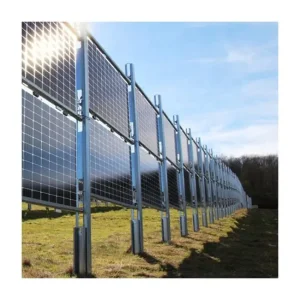
Innovative application scenarios such as Agri-PV (Agricultural Photovoltaics) install bifacial modules vertically or at high elevation angles. This structure allows tractors to pass underneath while generating peak power in the morning and afternoon, flattening the utility generation curve. Furthermore, vertical mounting acts as windbreaks and reduces dust build-up, significantly cutting down maintenance costs.
What is the typical lifespan of a double-glass bifacial solar module compared to standard modules?
Bifacial modules generally feature a double-glass construction (glass-on-glass), which offers superior mechanical protection against moisture ingress, chemical corrosion, and micro-cracking. Consequently, top manufacturers offer a 30-year linear power warranty for dual-glass modules compared to the standard 25-year warranty for glass-backsheet options.
How do trackers impact the overall generation of bifacial cells?
Integrating bifacial modules with single-axis tracking systems represents the gold standard in utility-scale PV. While tracker systems increase initial capex, they can boost total generation by up to 35% when paired with high-albedo surfaces by keeping the module optimized for direct and diffuse ground-reflected light throughout the day.
How does Ningbo GAF Solar Co., Ltd. maintain traceablity and control quality?
GAF Solar utilizes fully automated manufacturing facilities containing inline Electro-luminescence (EL) tests before and after lamination. This detects any internal cell defects or micro-cracks. Through a strict MES tracking system, each module barcode links directly to raw material batch inputs, ensuring complete material traceability.
What are the requirements for shipping solar panels internationally from Ningbo?
Modules must be packed in vertical pallets with protective corners to prevent glass friction during sea transit. They must be shipped in High Cube (HC) containers. Proper cargo bracing and moisture absorbents are verified inside the container to prevent any degradation during transit across varying climate zones.
Discover our advanced N-Type HJT, PERC Mono modules, and complete system setups designed to optimize light capture and operational reliability.
 GAF Solar