Explore our leading utility, commercial, and flexible photovoltaic components, precision-engineered to maximize system yield and design adaptability.
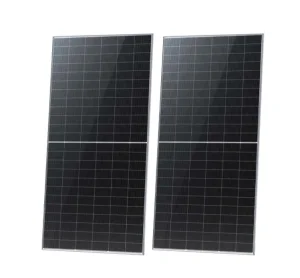
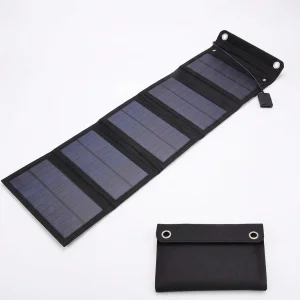
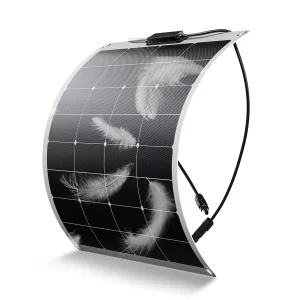
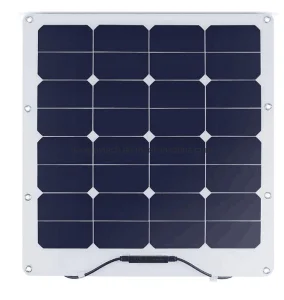
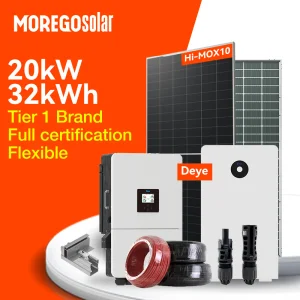
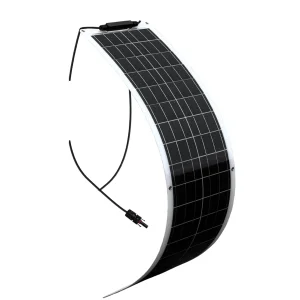
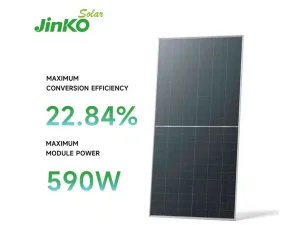
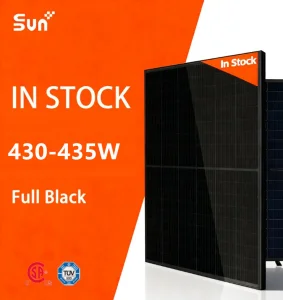
Evaluating standardizations, local integration parameters, Chinese supply chain economies, and global EPC deployment requirements.
As the global utility landscape shifts away from centralized fossil generation, the demand for high-yield, smart-grid integrated photovoltaic arrays has accelerated. Key market trends demand not just standardized solar modules, but custom solar grid solutions capable of balancing peak loads, resisting localized environmental hazards, and achieving low Levelized Cost of Energy (LCOE). Ningbo GAF Solar Co., Ltd. serves this exact intersection of manufacturing and customization.
Ningbo GAF Solar Co., Ltd. is a professional Solar Panel Manufacturer | Monocrystalline, Bifacial & High Efficiency PV Modules dedicated to providing reliable solar energy solutions for residential, commercial, industrial, and utility-scale applications worldwide. With a strong commitment to renewable energy innovation, the company delivers advanced photovoltaic products designed to maximize energy generation, efficiency, and long-term performance.
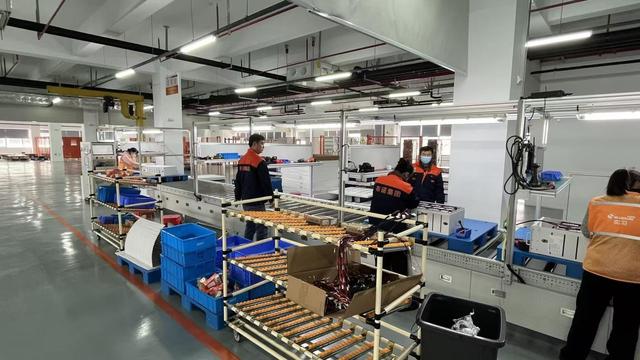
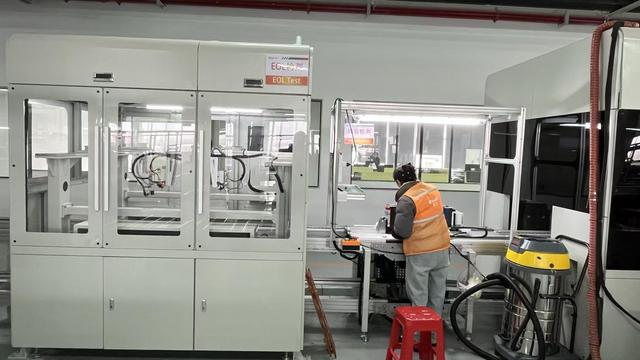
Based in Ningbo, China, GAF Solar operates modern manufacturing facilities equipped with advanced production technologies, automated assembly lines, and comprehensive quality control systems. The company specializes in the development and production of monocrystalline solar panels, bifacial solar modules, high-efficiency photovoltaic panels, rooftop solar solutions, commercial solar systems, industrial solar installations, and customized PV energy projects.
Full-spectrum custom manufacturing, custom backsheet configurations, and bespoke electrical termination options for highly specialized grid systems.
Every cell is screened for micro-cracks using electroluminescence (EL) testing, ensuring compliance with IEEE and IEC standards.
Strategic localization in Ningbo ensures raw-material proximity and instant logistics access to one of the world's premier deepwater ports.
Modern grid operators enforce stringent grid codes (such as FERC Order 842 in North America or EN 50549 in Europe) that demand active and reactive power control, low-voltage ride-through (LVRT) support, and frequency response. To satisfy these standards, systems utilize high-capacity commercial packages (such as our integrated 20kW-700W modules) paired with hybrid energy storage and smart-tier inverters.
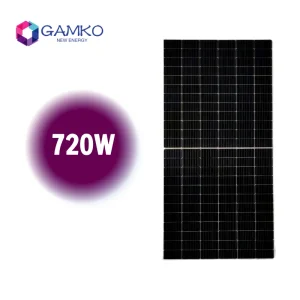
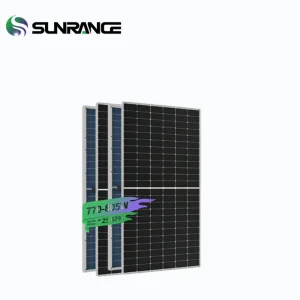
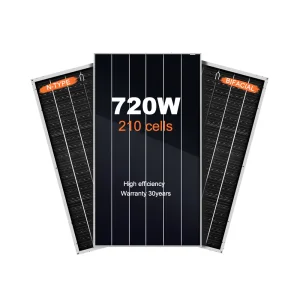
Furthermore, EPCs and developers must manage high system balance (BOS) costs. Utilizing larger, high-density modules (e.g., 550W–720W bifacial shingled configurations) minimizes cabling, racking, and civil engineering costs, translating to immediate savings in capital expenditures (CAPEX).
China accounts for over 80% of global polysilicon and solar wafer production. GAF Solar’s facility in Ningbo positions the company directly inside this global technology hub. This geographic integration offers crucial benefits:
GAF Solar focuses on technological innovation and product reliability. By utilizing premium-grade solar cells, durable materials, and precision manufacturing processes, the company produces solar modules capable of delivering excellent power output, superior weather resistance, and long operational lifespans. Every product undergoes rigorous testing and quality inspections to ensure compliance with international standards and the demanding requirements of global energy markets.
A single layout does not fit all global terrains. Designing robust solar systems requires selecting physical architectures optimized for localized climate variables:
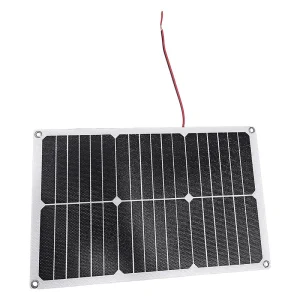
In offshore, marine, and leisure RV installations, rigid panels are prone to mechanical fracturing from structural twisting and wave vibration. Flexible modules (using advanced ETFE coatings with monocrystalline back-contact cells) absorb mechanical stress while resisting salt-spray corrosion and high-humidity ingress.
Bifacial solar technology captures diffuse light bouncing off the ground. In regions with high albedo (such as snow-covered fields or gravel roofs), bifacial panels boost rear-side generation by up to 30%, optimizing overall field performance without expanding the land footprint.
Commercial and Industrial (C&I) properties facing peak-use utility tariffs deploy hybrid PV setups with local battery systems. The system charges during off-peak hours and discharges during peak hours, reducing strain on the electrical grid and yielding significant utility savings.
Integrate robust solar hardware designed for high operational durability, high wind load tolerances, and maximum energy generation.
Exporting to different international markets requires meeting localized testing and grid compliance certificates. Without these clearances, panels cannot be interconnected to municipal utility grids:
GAF Solar provides robust compliance documentation, transparent factory audit certificates, and third-party verified bills of materials (BOM), facilitating quick clearance through customs and easy integration into utility projects.
In addition to manufacturing high-performance solar panels, GAF Solar offers comprehensive OEM and ODM services, supporting distributors, EPC contractors, solar developers, energy solution providers, and private-label brands. The company provides flexible customization options, professional technical support, and efficient project coordination from design and production to shipment and after-sales service.
Serving customers across North America, Europe, Southeast Asia, the Middle East, Africa, and Latin America, Ningbo GAF Solar Co., Ltd. has established a reputation for quality, reliability, and customer-focused service. Through continuous innovation and sustainable manufacturing practices, the company remains committed to accelerating the global transition toward clean, renewable energy and creating long-term value for partners around the world.
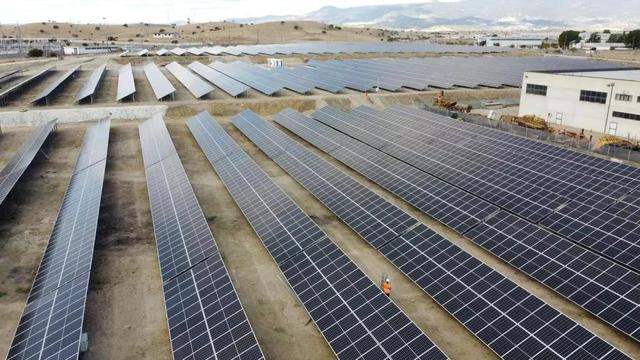
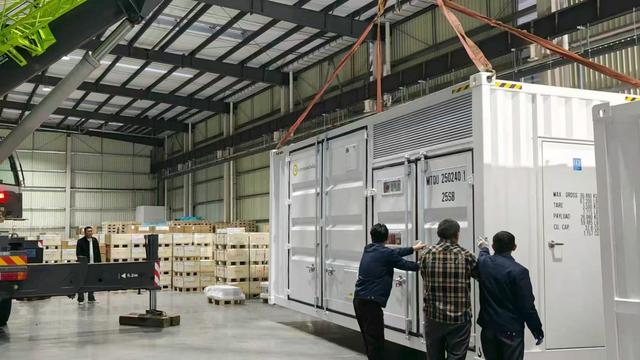
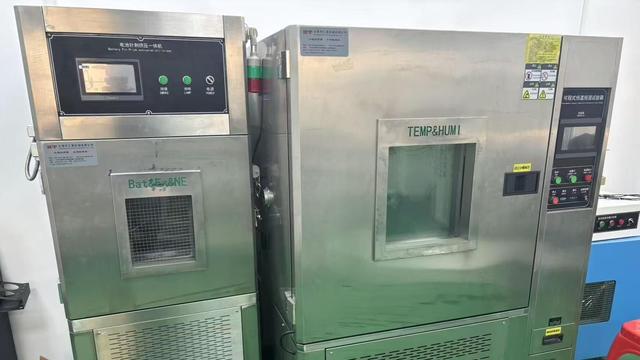
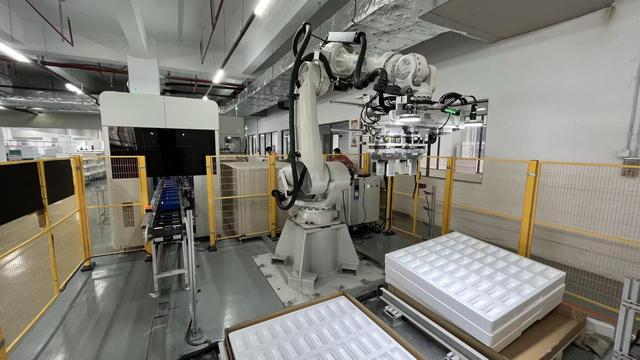
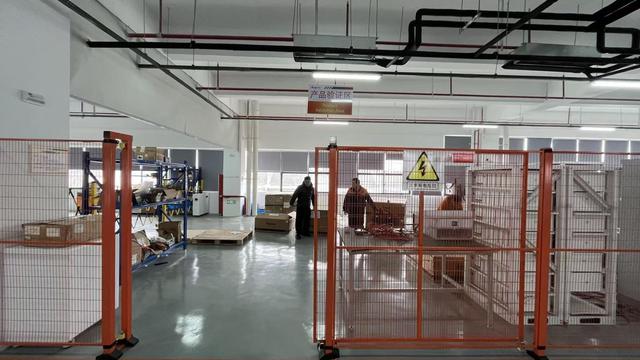
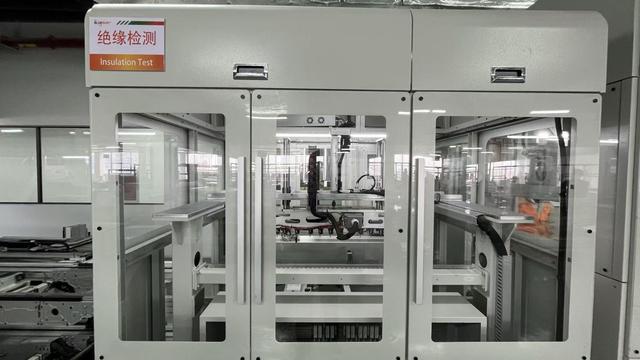
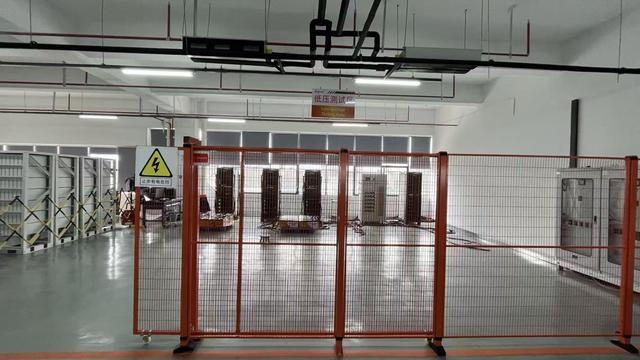
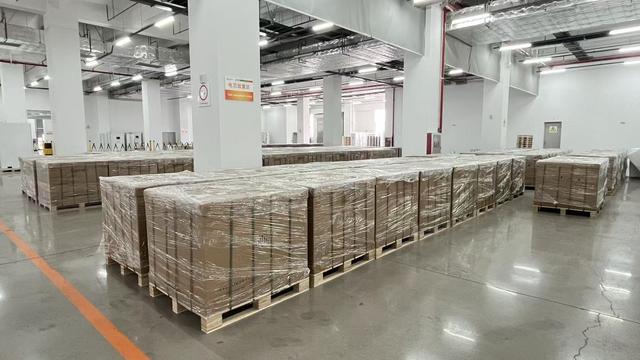
A look inside our automated assembly, precision welding, double EL testing, and secure packaging departments in Ningbo, China.
Technical answers to common questions asked by EPC contractors, project managers, and utility integrators.
 GAF Solar