As the world pivots towards clean, reliable, and localized energy infrastructure, selecting an experienced manufacturing partner is paramount. Ningbo GAF Solar Co., Ltd. stands at the forefront of this global energy transition, operating as a professional, utility-grade Solar Panel Manufacturer and Exporter. With our roots in the high-tech logistics hub of Ningbo, China, we specialize in monocrystalline, bifacial, and high-efficiency PV modules designed to maximize power density and minimize the Levelized Cost of Energy (LCOE).
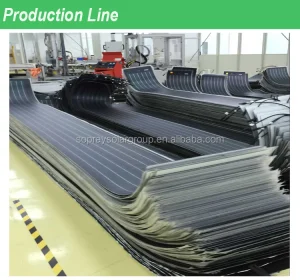
Our production lines leverage state-of-the-art automation and strict quality inspections, fulfilling complex OEM and ODM requirements for utility developers, EPC contractors, and international distributors. From 720W heavy-duty double-glass modules for ground-mounted power stations to highly flexible ETFE thin-film panels for marine and off-grid recreational applications, GAF Solar offers a robust product portfolio engineered to withstand diverse geographic and atmospheric pressures.
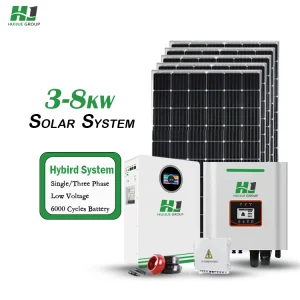
Engineered for high-yield commercial installations, microgrids, and flexible power architectures.
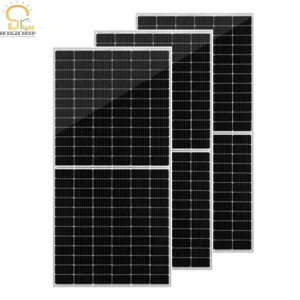
The global solar landscape is experiencing unprecedented growth, driven not just by decarbonization mandates, but by the undeniable economic performance of advanced photovoltaic technology. As a top-tier factory, GAF Solar tracks and leads the major paradigm shifts transforming the solar installation value chain:
Moving beyond traditional P-type PERC, Tunnel Oxide Passivated Contact (TOPCon) and Heterojunction (HJT) technologies have set new standards. They offer higher conversion efficiency (exceeding 22.5%), an improved temperature coefficient, and near-zero Light Induced Degradation (LID).
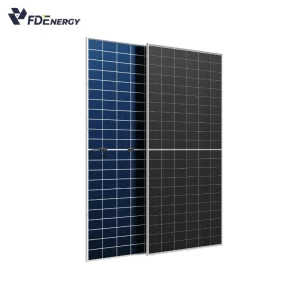
Commercial and utility projects now rely heavily on bifacial modules. By capturing reflected light (albedo) from the ground or roof surfaces, rear-side power generation adds an additional 5% to 30% yield, dramatically accelerating project ROI.
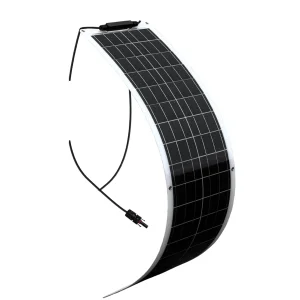
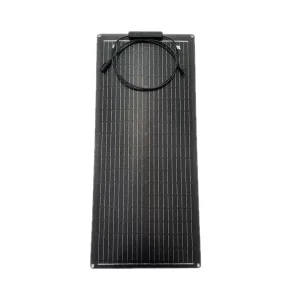
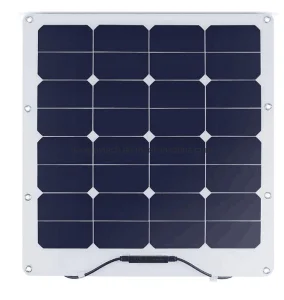
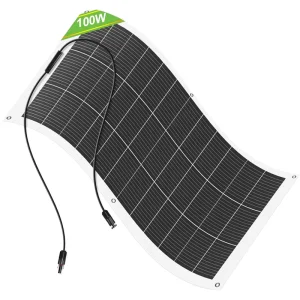
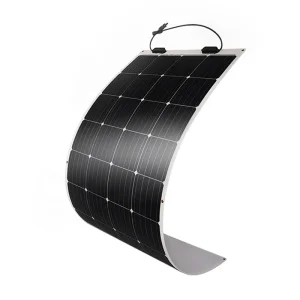
From marine transport (RV, yachts) to curved building membranes, flexible monocrystalline thin-film modules bypass structural load restrictions, making solar accessible where rigid panels fail.
Large-scale EPC developers, multi-national distribution groups, and sovereign fund energy investors do not simply purchase "solar panels." They purchase long-term financial yield, risk mitigation, and supply chain accountability. Procurement strategies must focus on three core pillars:
Modern trade environments require rigorous documentation of raw materials. Tier-1 silicon sourcing, zero-carbon footprint manufacturing facilities, and human-rights-compliant supply chains are now mandatory for entering North American and European grid projects.
Investors must ensure that the manufacturer is backed by solid capital, reliable performance history, and international product liability insurance. Standard warranties must cover at least 12 to 15 years on materials and workmanship, and a linear power output warranty guaranteeing 80% to 87.4% performance at year 25 or 30.
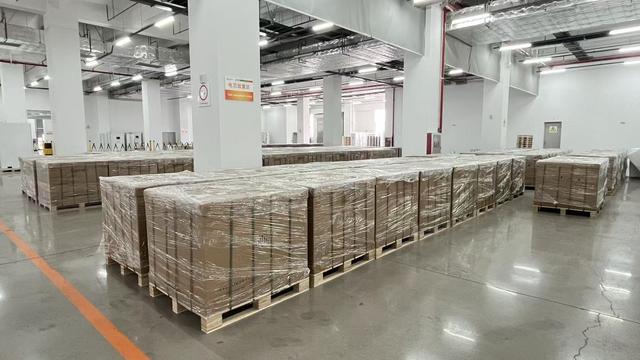
Given the bulk nature of dual-glass panels, structural cracking (micro-cracks) during maritime shipping is a silent killer of solar array yields. Reliable factories must use reinforced packaging, customized vertical pallet arrangements, and strict pre-shipment EL (Electroluminescence) testing to verify that no internal micro-fissures exist before transit.
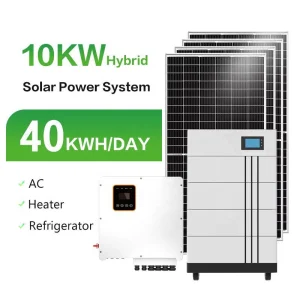
Different deployment environments require dedicated structural designs. Ningbo GAF Solar develops tailor-made micro-grids and mounting-ready configurations optimized for specific target applications:
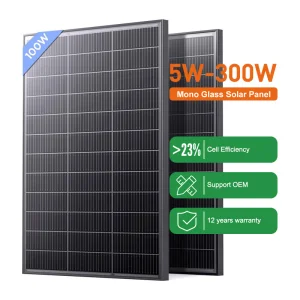
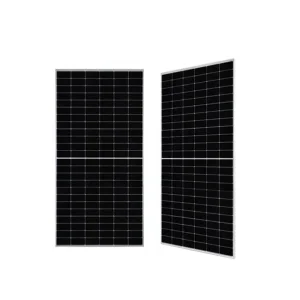
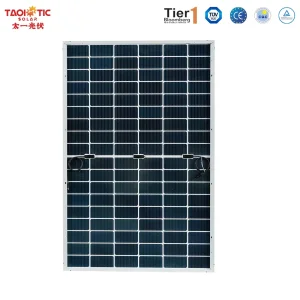
Leveraging high-capacity TOPCon double-glass modules up to 720W. Optimized for ground-mounted trackers, reducing labor installation time and land footprint costs.
Utilizing fire-resistant (Class A) materials, half-cell layouts to reduce shadow loss, and lightweight monocrystalline cells matching local building codes.
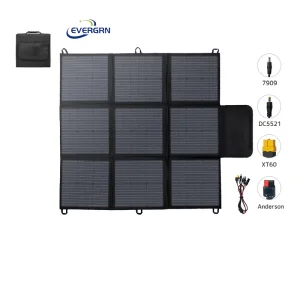
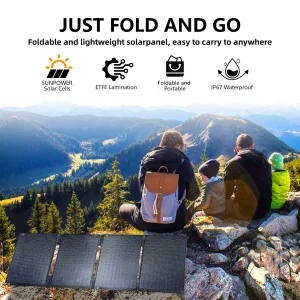
Implementing ETFE-encapsulated flexible PV systems and foldable solar blankets. Designed for saltwater environments, yachts, military camps, and remote telecom sites.
Global trade regulations are complex. GAF Solar streamlines supply chains through a systematic regional certification matrix and geographic advantages.
Geographical Logistics Leverage: Operating out of Ningbo, China, allows GAF Solar to tap directly into the Ningbo-Zhoushan Port—one of the largest deep-water ports in the world. This proximity drastically cuts land transport time, reduces container handling hazards, and lowers overall freight rates.
Our manufacturing facilities are fully compliant with ISO 9001 (Quality Management System), ISO 14001 (Environmental Management), and ISO 45001 (Occupational Health & Safety). Furthermore, our core products hold international stamps of approval:
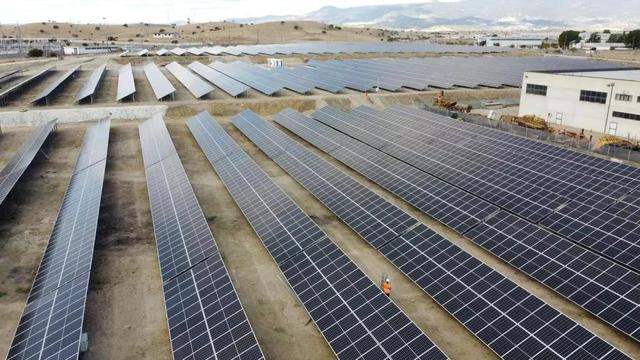
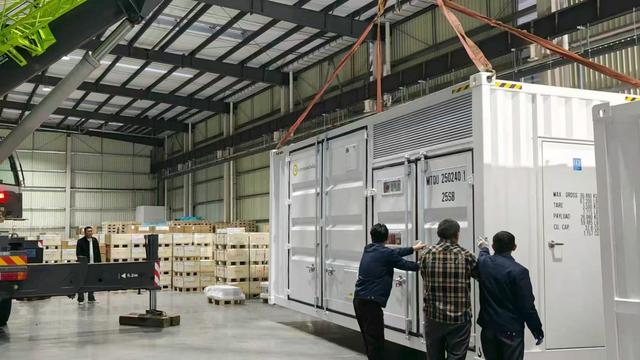
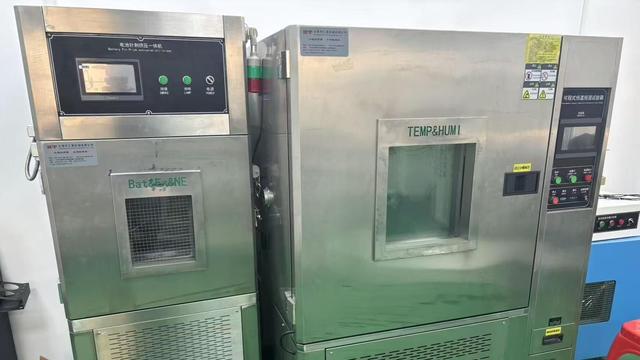
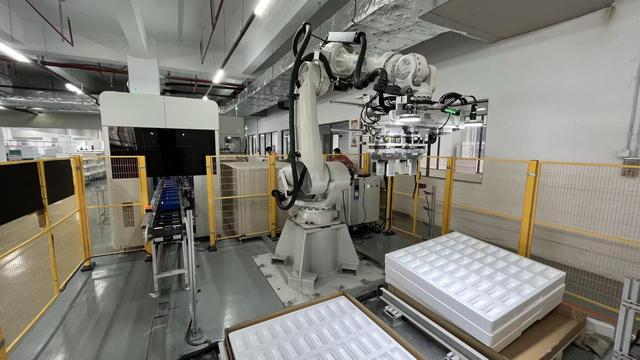
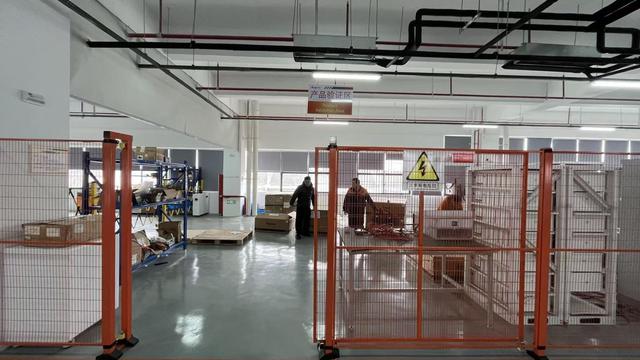
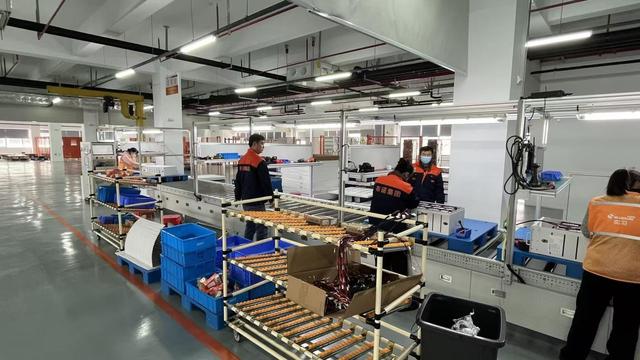
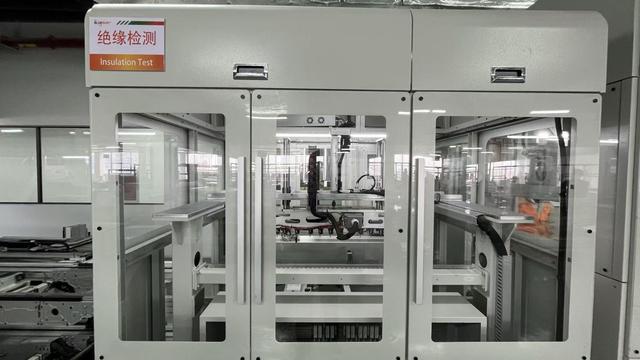
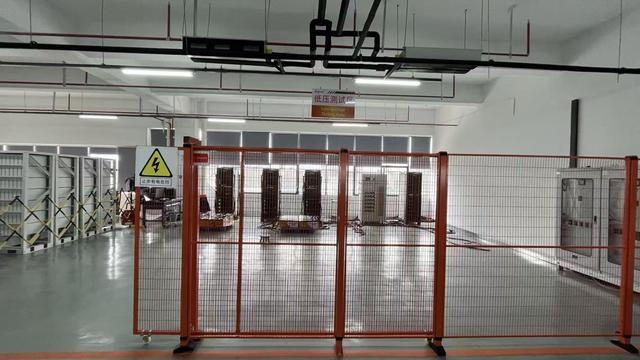
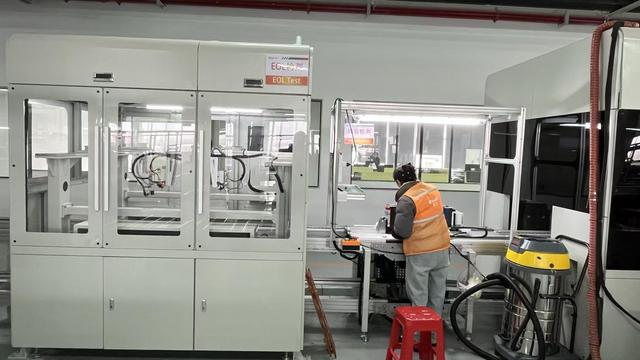
A visual insight into our advanced production lines, automated laminating chambers, and testing facilities.
At GAF Solar, we recognize that staying ahead means anticipating tomorrow's breakthroughs. Our R&D department is actively developing the next phases of PV architecture:
Advanced thin-film, bendable, and rugged residential utility equipment.
Get reliable, technical answers regarding product life-cycle, factory certifications, OEM support, and supply chain logistics.
 GAF Solar