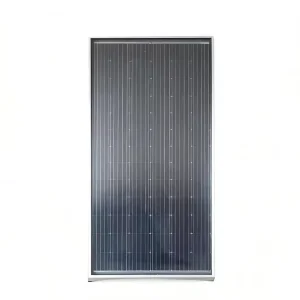
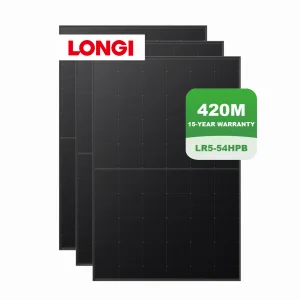
Cutting-edge high-efficiency modules and customized solar systems optimized for utility, industrial, and residential deployment.
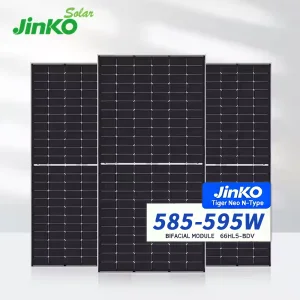
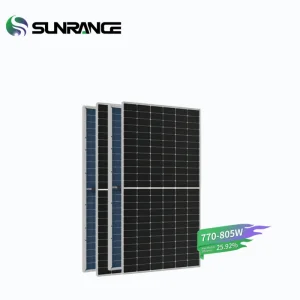
As the international community accelerates its path toward net-zero targets, the global renewable energy landscape is shifting from a policy-driven market to a technology-and-cost-driven manufacturing ecosystem. Leading this shift is China, whose sustained commitment to energy transition initiatives has established it as the world's primary engine for solar innovation and production capability. The country's scale, combined with vertically integrated supply chains and technological cluster configurations in logistics hubs like Ningbo, has driven the levelized cost of energy (LCOE) for solar down by over 80% in the last decade.
Global energy policies require gigawatt-scale, highly durable photovoltaic (PV) modules that conform to dynamic regional grids, tough climate variables, and carbon footprint tracking compliance structures.
From advanced N-type TOPCon configurations to high-efficiency flexible PV substrates, Chinese manufacturers are translating theoretical cell efficiencies into multi-GW mass production lines.
By localizing silicon purification, ingot slicing, wafer creation, cell optimization, and module glass fabrication within specialized industrial zones, companies like Ningbo GAF Solar Co., Ltd. ensure unmatched cost advantages and manufacturing reliability.
A single PV architecture cannot fit all geopolitical and geographical requirements. The current global energy landscape demands targeted solutions that address regional structural limits, grid constraints, and environmental profiles.
With high electricity tariffs and strict REPowerEU guidelines, the focus is on maximizing residential and Commercial & Industrial (C&I) rooftop performance. High-efficiency monocrystalline and aesthetic all-black double-glass modules with up to 22% conversion efficiency are preferred. Structural components must align with local ESG criteria, meaning reduced lead usage and fully traceable, carbon-audited manufacturing processes.
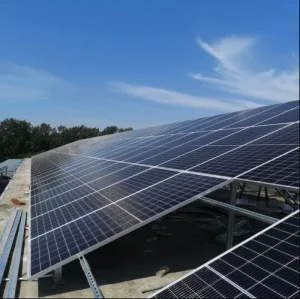
The US market remains defined by the Inflation Reduction Act (IRA) and rigorous safety certifications (UL 1703 / UL 61730). Utility-scale arrays rely on robust bifacial trackers to capture albedo light from sandy or snow-covered soils. Materials must withstand extreme climatic events, ranging from heavy snow loading in northern zones to severe wind shear and hail testing in flat plain states.
Desert solar installations in regions such as the MEA require specialized thermal coefficients and dust management protocols. High temperatures cause standard silicon cells to suffer efficiency degradation (negative temperature coefficient). The use of advanced N-type cells like TOPCon and heterojunction (HJT) cells with lower temperature coefficients, paired with anti-soiling, anti-PID (Potential Induced Degradation) coatings, guarantees longevity in desert locations.
Tropical archipelagos and mountainous rural communities demand decentralized systems and flexible, water-resistant designs. Off-grid microgrids coupled with battery storage configurations provide reliable power. In highly humid areas, modules must feature anti-PID technology and double-glass edge sealants to stop moisture ingress, preventing premature delamination and power losses over the 25-year operational lifecycle.
Modern PV manufacturing has moved past the era of generic solar cells. Optimization now targets micro-level semiconductor designs, hybrid configurations, and versatile, lightweight form factors to expand where and how solar can be deployed.
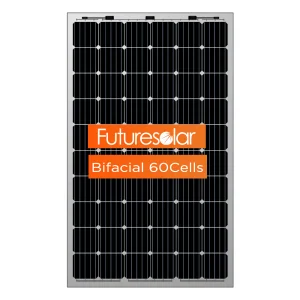
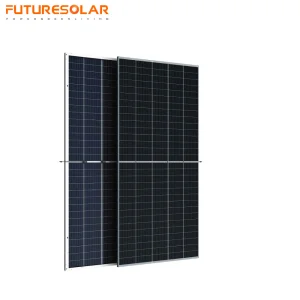
N-type Tunnel Oxide Passivated Contact (TOPCon) and Heterojunction Technology (HJT) represent the benchmark of mass-produced solar cell efficiency. Transitioning away from P-type PERC technology, N-type wafers provide near-zero LID (Light Induced Degradation) and a superior bifaciality factor (up to 85%), translating to increased power output over time, especially in reflective environments like gravel, snow, or reflective membranes.
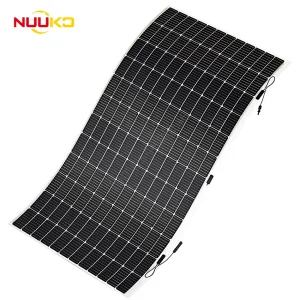
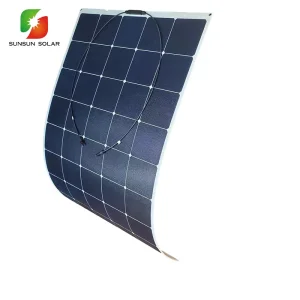
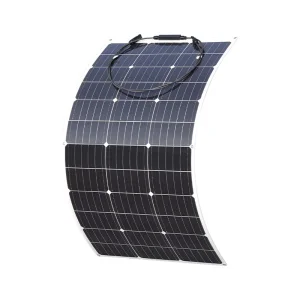
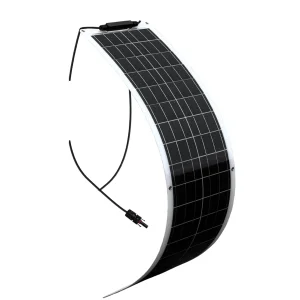
Modern architectural and transport projects demand form-flexible, lightweight solutions. Standard glass panels are too heavy for retrofitted warehouse roofs or curved vehicle surfaces. Utilizing advanced ETFE (Ethylene Tetrafluoroethylene) encapsulation and thin-film monocrystalline back-contact designs allows manufacturers to build semi-flexible modules that match curved contours while maintaining high resistance to saltwater, dirt, and UV degradation.
Standard solar arrays only capture light energy, while heat energy dissipates as waste. Hybrid PVT technology integrates liquid thermal collectors on the rear side of active solar cells. This dual approach cools the PV cells, keeping them running at peak electrical efficiency, while generating hot water or space heating for residential and industrial processes, achieving up to 80% total system efficiency.
The ultimate goal for cell design is stacking a perovskite layer on top of a standard silicon base. This configuration captures different spectrums of solar radiation, aiming to break the theoretical 29.4% Shockley-Queisser limit for single-junction silicon cells. Commercialization initiatives are scaling up manufacturing processes to stabilize perovskite compounds against moisture and heat for long-term field stability.
Reliable manufacturing goes beyond cell efficiency; it depends heavily on supply chain logistics and geographic location. The Ningbo industrial cluster represents a prime example of integrated export infrastructure, showing how location drives international competitiveness and project execution reliability.
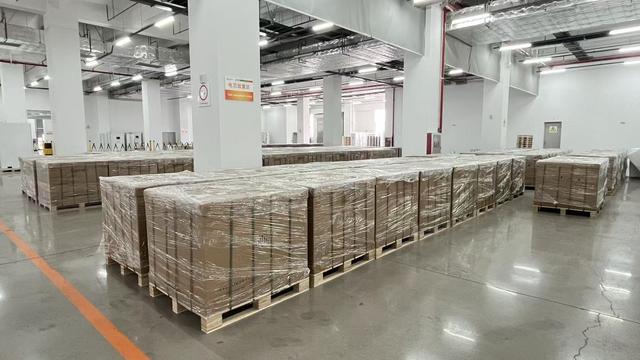
Ningbo houses the Port of Ningbo-Zhoushan, one of the world's busiest container ports by cargo throughput. For international utility developments, shipping costs and port transit speeds significantly impact capital expenditure (CAPEX). Localized production near major ports lowers inland transportation costs, protects modules from vibration stresses during long road hauls, and speeds up container packing, shipping, and port clearance processes.
The Yangtze River Delta industrial region provides access to essential solar components within a 150km radius. Glass fabrication plants, aluminum frame producers, junction box assembly lines, and specialized EVA/POE encapsulation film manufacturers operate in close proximity. This dense concentration minimizes supply chain disruptions, stabilizes component prices, and allows manufacturers to scale up production to meet sudden client demand.
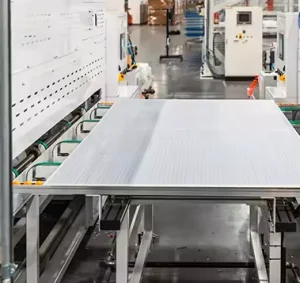
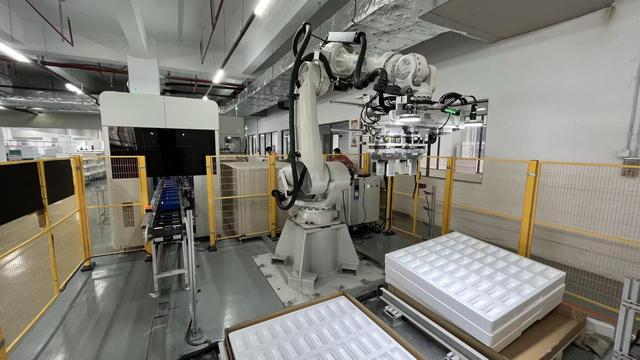
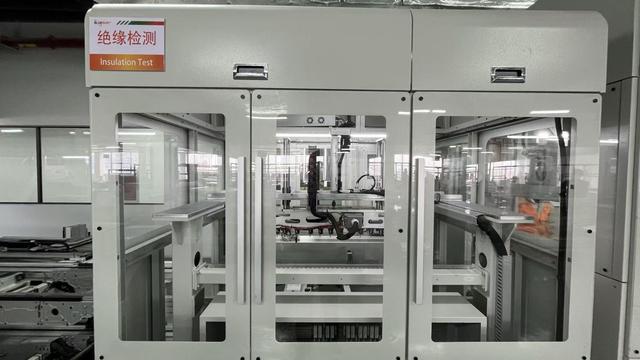
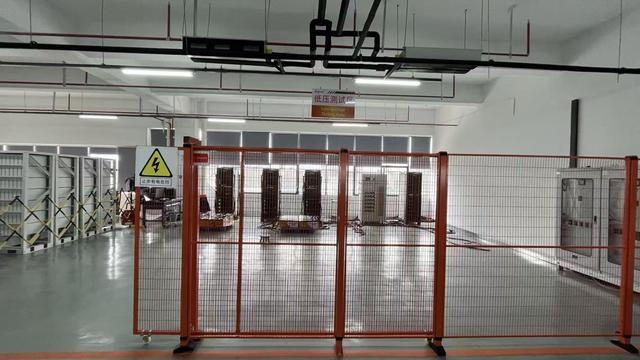
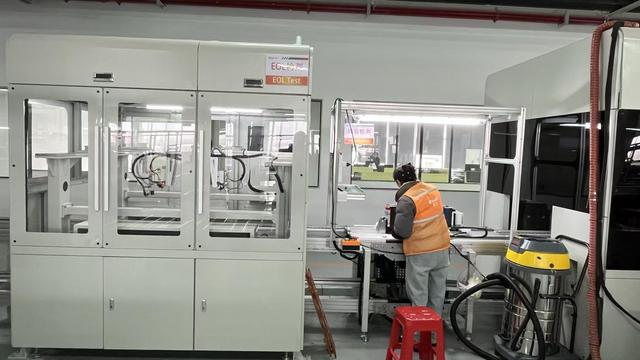
Modern Chinese solar factories employ advanced inline quality monitoring. Every solar cell and module undergoes multi-stage Electroluminescence (EL) testing to detect micro-cracks invisible to the naked eye. Automated Optical Inspection (AOI) systems monitor soldering quality, alignment, and frame integrity in real-time, reducing defect rates to parts-per-million and ensuring long-term performance reliability in the field.
Ningbo GAF Solar Co., Ltd. is a professional Solar Panel Manufacturer | Monocrystalline, Bifacial & High Efficiency PV Modules dedicated to providing reliable solar energy solutions for residential, commercial, industrial, and utility-scale applications worldwide. With a strong commitment to renewable energy innovation, the company delivers advanced photovoltaic products designed to maximize energy generation, efficiency, and long-term performance.
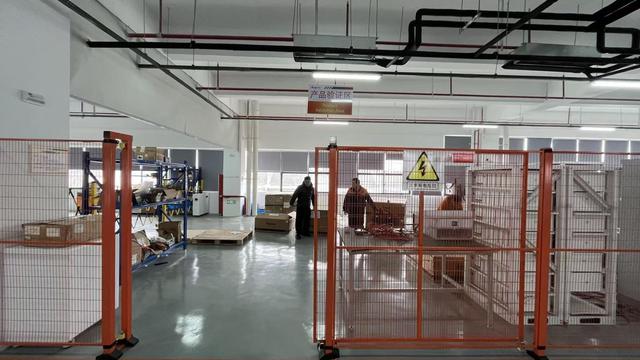
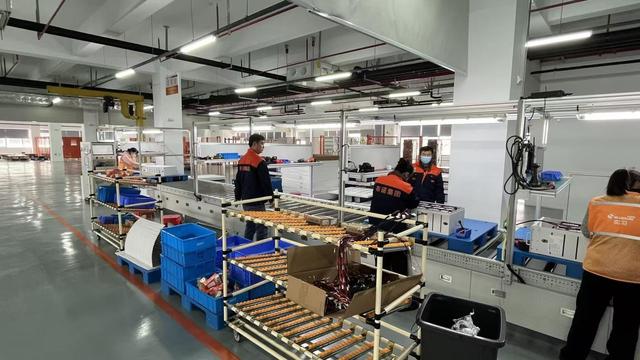
Based in Ningbo, China, GAF Solar operates modern manufacturing facilities equipped with advanced production technologies, automated assembly lines, and comprehensive quality control systems. The company specializes in the development and production of monocrystalline solar panels, bifacial solar modules, high-efficiency photovoltaic panels, rooftop solar solutions, commercial solar systems, industrial solar installations, and customized PV energy projects.
GAF Solar focuses on technological innovation and product reliability. By utilizing premium-grade solar cells, durable materials, and precision manufacturing processes, the company produces solar modules capable of delivering excellent power output, superior weather resistance, and long operational lifespans. Every product undergoes rigorous testing and quality inspections to ensure compliance with international standards and the demanding requirements of global energy markets.
In addition to manufacturing high-performance solar panels, GAF Solar offers comprehensive OEM and ODM services, supporting distributors, EPC contractors, solar developers, energy solution providers, and private-label brands. The company provides flexible customization options, professional technical support, and efficient project coordination from design and production to shipment and after-sales service.
Serving customers across North America, Europe, Southeast Asia, the Middle East, Africa, and Latin America, Ningbo GAF Solar Co., Ltd. has established a reputation for quality, reliability, and customer-focused service. Through continuous innovation and sustainable manufacturing practices, the company remains committed to accelerating the global transition toward clean, renewable energy and creating long-term value for partners around the world.
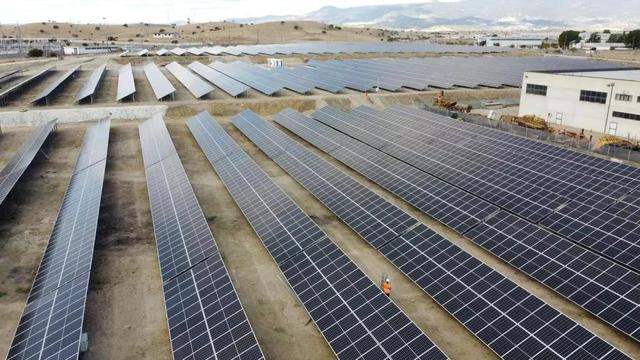
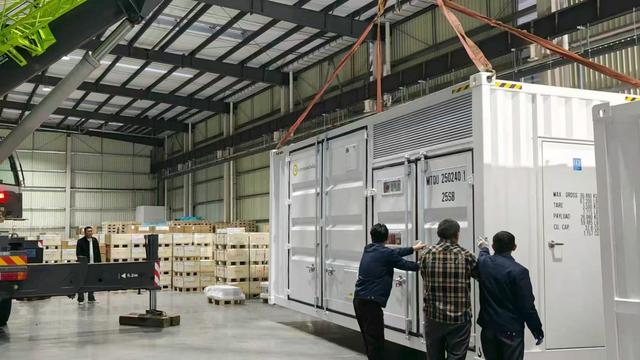
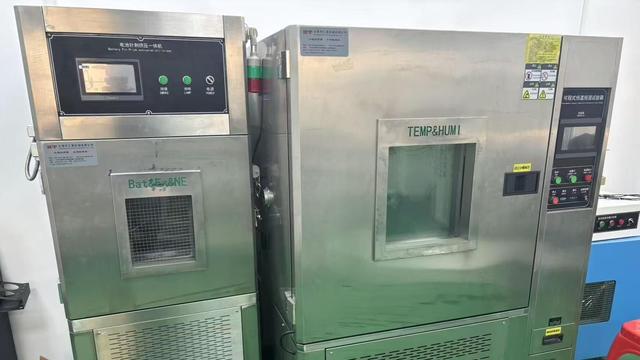
Explore answers to critical technical and logistical questions to assist B2B buyers, project developers, and EPC contractors during solar sourcing.
Portable, flexible, and integrated power configurations designed for off-grid applications, backup power, and localized generation.
 GAF Solar